Zoos and Animal Parks in Cumbria: What's Open This Winter
The big zoo has gone, but Cumbria still has lynx, otters, owls, alpacas, a lobster hatchery and a colony of grey seals. Here is what is open this winter and what it costs.
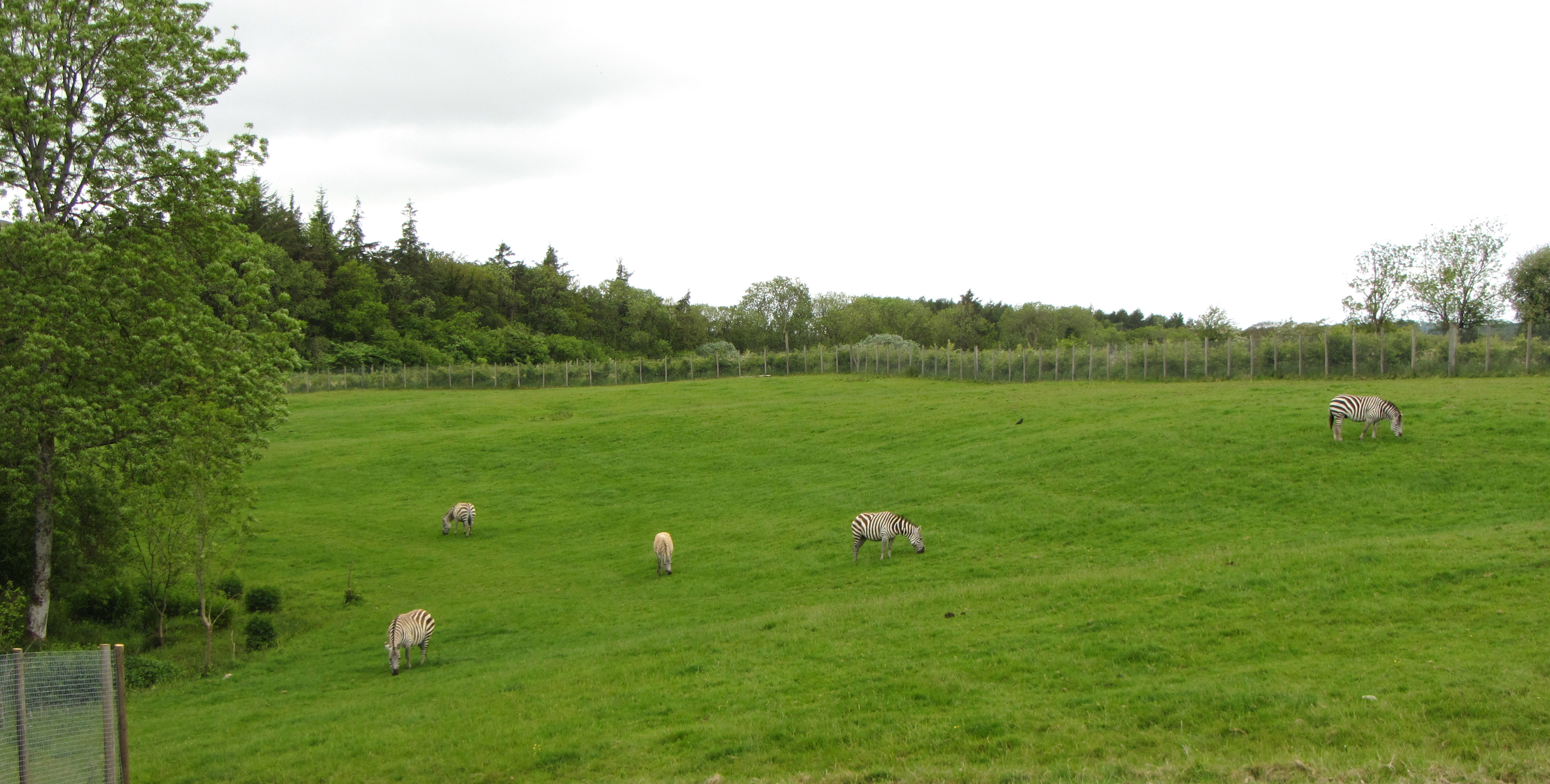
The big zoo has gone, but Cumbria still has lynx, otters, owls, alpacas, a lobster hatchery and a colony of grey seals. Here is what is open this winter and what it costs.
South Lakes Safari Zoo at Dalton-in-Furness closed at the end of 2024, so the main zoos in Cumbria now are the Lake District Wildlife Park near Bassenthwaite and Lakeland Wildlife Oasis near Milnthorpe, both open daily this winter. For wet days there are the Lakes Aquarium at Lakeside and the Lake District Coast Aquarium in Maryport, and Walby Farm Park near Carlisle is open all year.
Checked 9 November 2026. Winter opening at animal attractions changes a lot between now and Easter, so the link on each place is the one to trust on the morning you go.
Zoos in Cumbria are a slightly confusing subject at the moment, because the one most people have heard of is shut. What the county does have is a good spread of smaller wildlife parks, two aquariums, a big farm park near Carlisle, an owl centre in a castle garden, a few alpacas who will happily go for a walk with you, and some wild animals (seals, red squirrels) that charge almost nothing to look at. This guide covers what is open this winter, what it costs, where you park, and which ones need a raincoat (for you, not the animals).
We live in Carlisle with a six and a seven year old, which means we have strong views on two things: how long a family ticket lasts before someone says they are hungry, and how far the car park is from the toilets. Both are covered below.
Every animal park visit follows the same plan. You pay for lemurs and lynx, and the children spend forty minutes on the play area and talk about a duck all the way home.
Not a big safari-style one any more. South Lakes Safari Zoo at Dalton-in-Furness closed at the end of 2024, according to Wikipedia and national news coverage from January 2026, and a 2025 plan for a wild animal reserve on the site was turned down. Some older websites and travel pages still list it with prices, so if you see it recommended, check the date on the page.
The good news is that the places still open are generally smaller, easier to get round with little legs, and a lot cheaper than a big city zoo. The two that come closest to a zoo day are the Lake District Wildlife Park near Bassenthwaite and Lakeland Wildlife Oasis near Milnthorpe. After that it is aquariums, farms, birds of prey and alpacas, plus a couple of free or nearly free wild animal spots for the days when you would rather spend the money on cake.
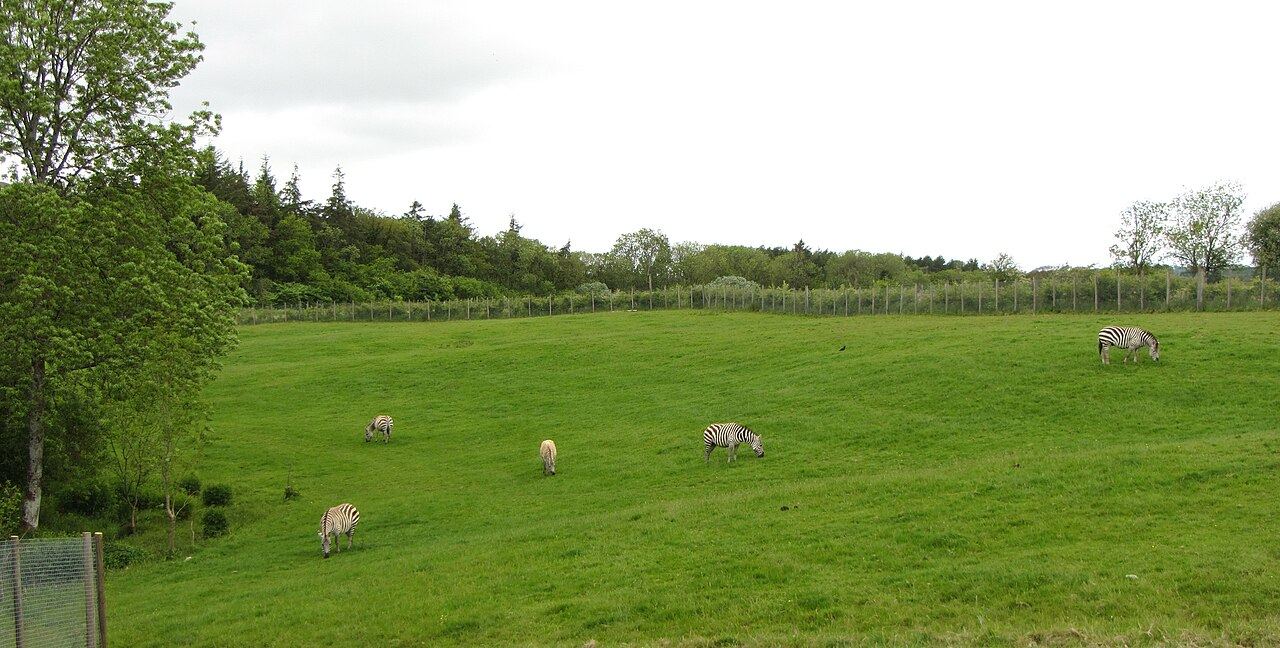
The nearest thing the north of the county has to a zoo, a few miles from Keswick at the top end of Bassenthwaite Lake. The website lists zebra, red pandas, meerkats, smooth-coated otters (Amber and Koji, if you want to be on first name terms) and a bird of prey display, with talks through the day including a reptile and bug talk for the children who like things with more than four legs.
It is open seven days a week through autumn and winter, 10am to 4pm, and the site says there is no need to book. Paths are wide, flat gravel and the park describes itself as fully wheelchair accessible, with one incline up to the zebras. There is an indoor soft play, undercover animal feeding and covered picnic areas, which is the park's polite way of acknowledging where it is. Extras like alpaca walking and a hawk walk are bookable separately.
Down in the south of the county, just off the A6 between Milnthorpe and the Lancashire border. This is the one with the cats: the site lists Eurasian lynx and a snow leopard alongside ring-tailed lemurs, meerkats and an Arctic fox, and says there are more than 100 species in all.
Its big selling point for a Cumbrian winter is the indoor tropical halls and butterfly hall, which means a fair chunk of the visit is warm and dry. The Wild Cafe is open daily, there is a conservatory and picnic area, and free keeper talks run through the day. It opens every day apart from 25 and 26 December, 10am to 5pm with last entry at 3.30pm, so on a short November afternoon do not roll up at 3.40 with a car full of hopeful faces.
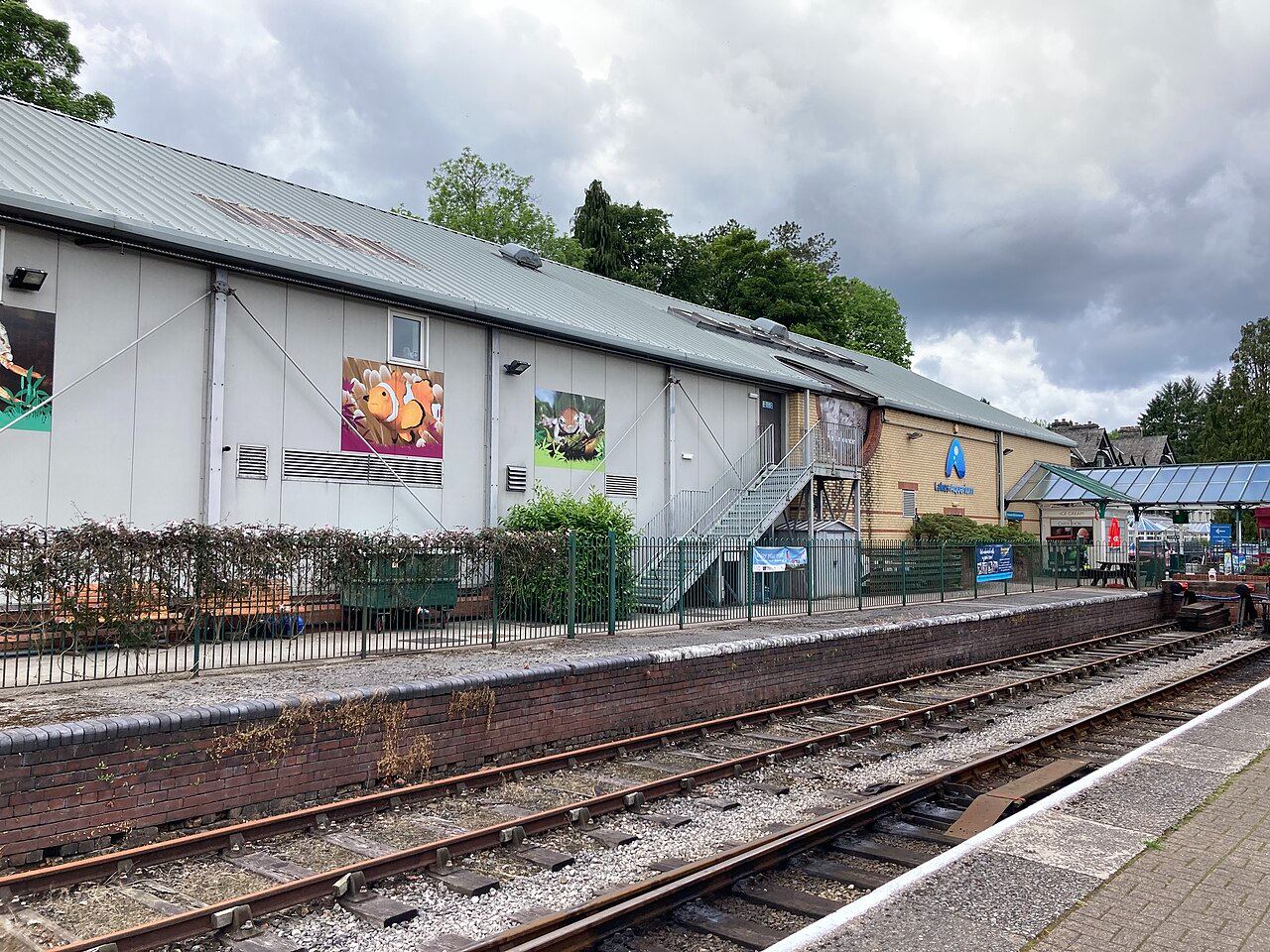
At the southern tip of Windermere, right by the Lakeside steamer pier and the Lakeside and Haverthwaite Railway, which means you can make a whole day of it with a boat or a steam train either side. The otters are the stars: the talk and feed is at 11.45am and 2.30pm, and it is worth planning lunch around rather than the other way round. There are piranhas too, which is the word most children will repeat in the car.
From 2 November 2026 it is open daily from 10am, last admission 3.30pm, closing at 4.30pm, and it shuts only on Christmas Day. Booking at least a day ahead is cheaper.
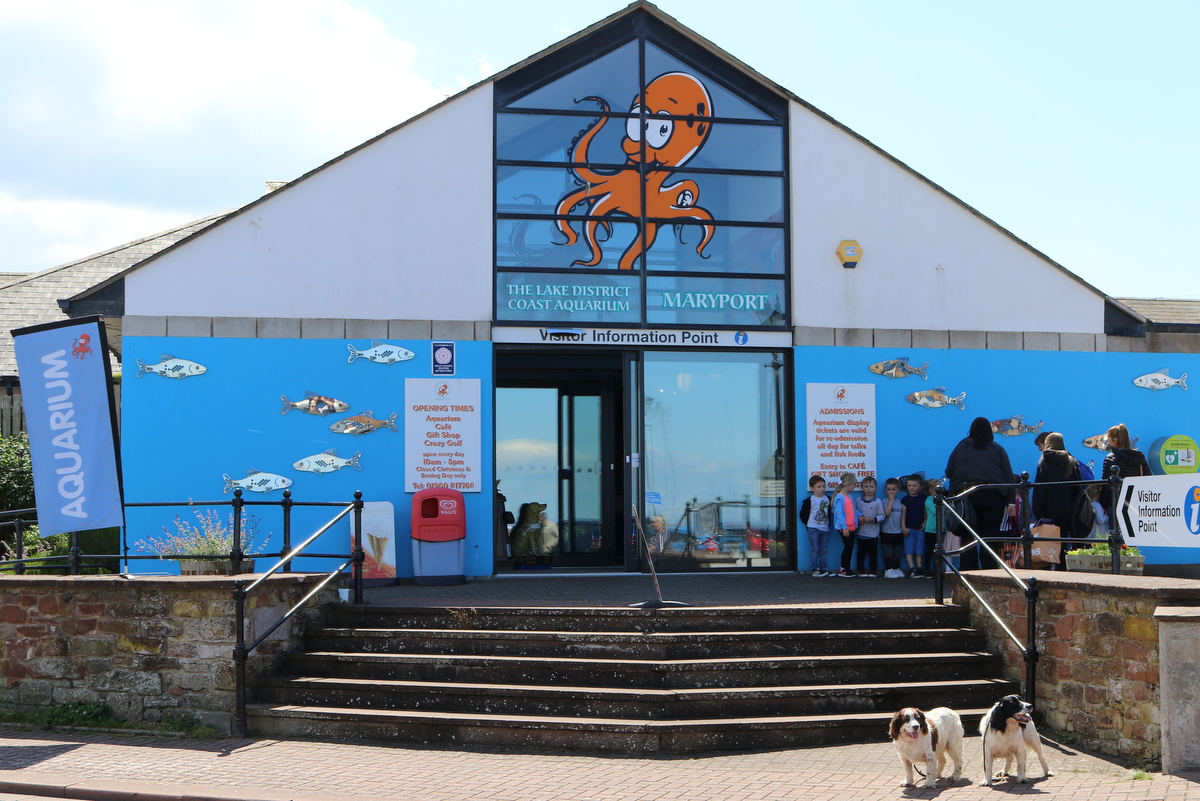
Over on the west coast on South Quay in Maryport, and barely mentioned on the big lists, which is a shame. The tanks follow the sea life of the Solway and beyond, with rays, sharks, turtles and clownfish, a lobster hatchery and a Sea Lab, plus a pirate play area added in January 2026 and a mini golf course outside for anyone who still has energy.
Everything with fins is indoors, so it is a proper rainy day option, and there is a harbourside cafe. Pricing is refreshingly simple: one price for children, adults and seniors alike. Pair it with a walk along the harbour and the promenade, or the Senhouse Roman Museum up the hill, and you have a cheap day out on a coast most visitors to the Lakes never see.
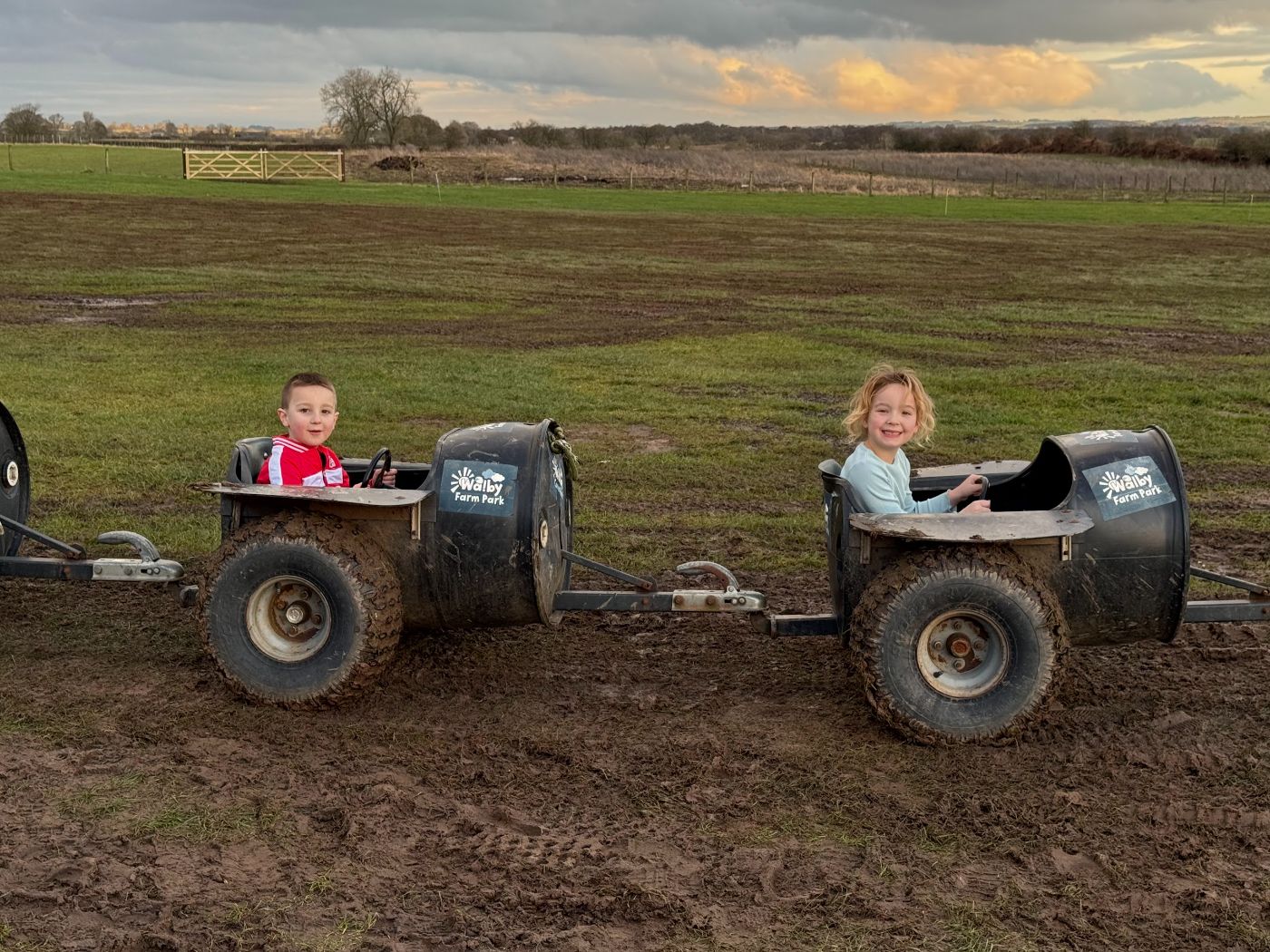
Our local, a few miles east of Carlisle near the airport. It is less about exotic animals and more about the full farm day: the Fab Ferret Show, pony grooming, guinea pigs, a barrel train, electric mini quads and a JCB dig and play, with what the farm calls Cumbria's largest indoor adventure play area for when the weather does its thing. Socks are required in the play area, and any parent who has forgotten them will only make that mistake once.
It is open all year, 10am to 5.30pm with last entry at 4pm, apart from 25 and 26 December and 1 January. It is aimed at children aged 1 to 16 and has an under 3s area. From 28 November to 24 December it runs Father Christmas on the Farm on selected dates, with real reindeer and gingerbread decorating; the farm says some sessions are filling up.
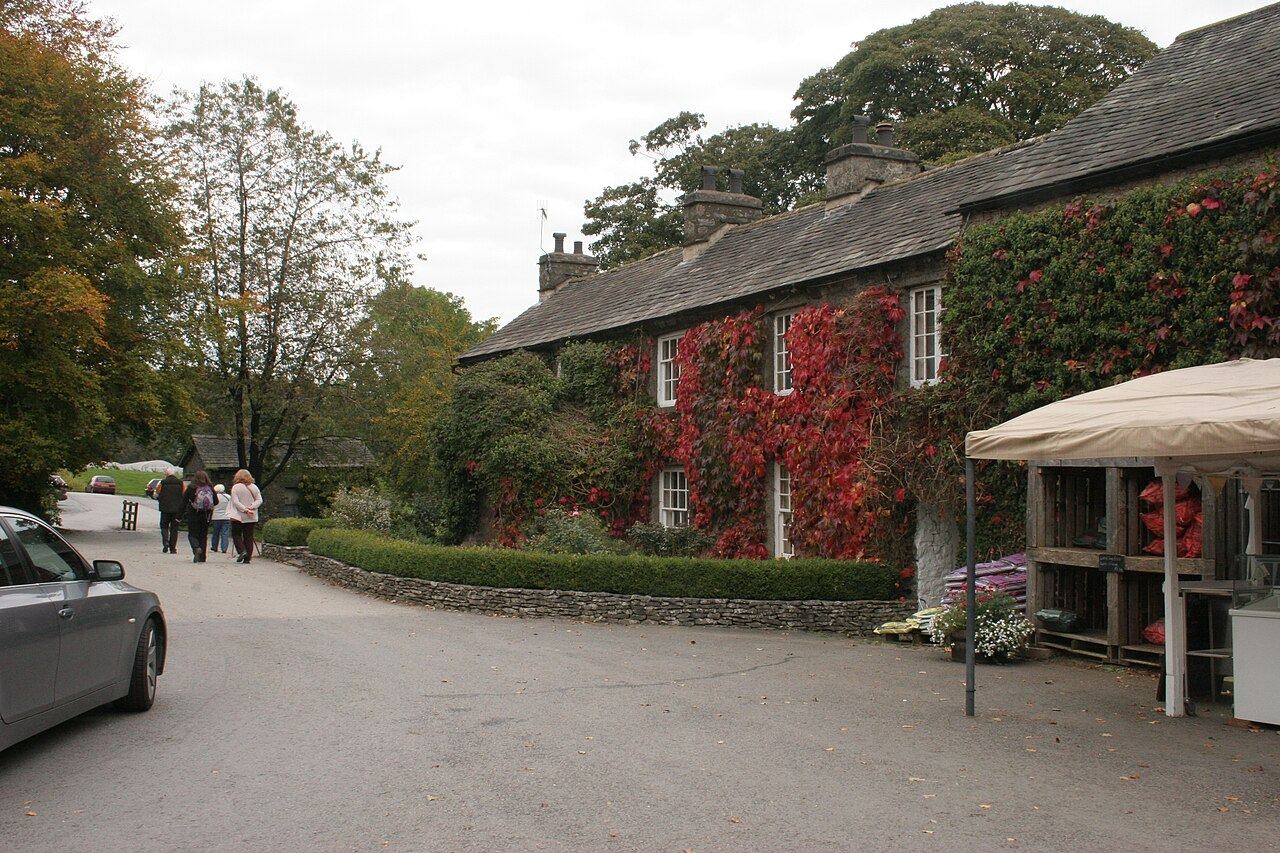
Not an animal park at all, which is the point. It is a working dairy farm with a farm shop and cafe a few miles south of Kendal, and every afternoon between 3.30pm and 5pm the cows come in for milking, which you can watch from the cafe windows with a cup of tea. For a small child who has only ever seen a cow from a car, it is enthralling. For the grown-up, it is the most relaxing animal attraction in the county because nobody has to queue for anything.
There is also a free farm trail with a pond about half a mile along it, and an Elf Chloe's Surprise Trail was running when we checked. Combine it with nearby Sizergh Castle if you want a bigger day.
Included so you do not drive there by mistake: it is closed for winter and says it will reopen for February half term 2027. When it is open it has alpacas, llamas, goats, ponies, donkeys and ferrets, a soft play with an under 3s room, and a couple of big slides with height limits (90 cm for the Cresta Run, 110 cm for the Mega Slide). A good one to pencil in for the February holidays.
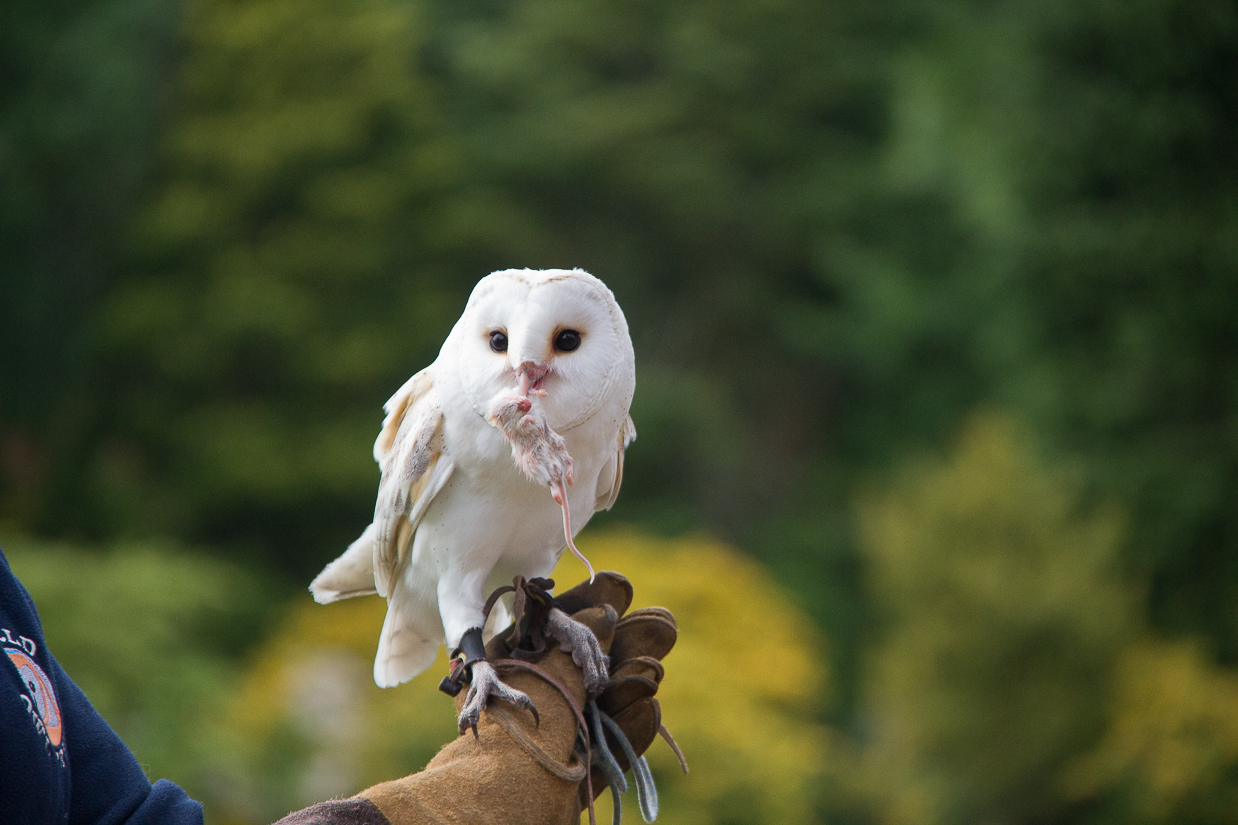
Muncaster's bird centre sits in the grounds of the castle near Ravenglass on the west coast, with owls, falcons, eagles and a pair of hooded vultures (one of whom is called Mouse, which tells you everything about the sense of humour of whoever names the birds). The winter flying display, World of Owls, is at 1.30pm on the Flying Meadow.
The winter timetable is the thing to watch. In November 2026 it is open at weekends only, 7 to 29 November, with the Hawk and Owl Centre open 11am to 3.30pm. Then the Christmas Festival takes over on 5 and 6, 12 and 13, and 19 to 22 December, with an Enchanted Trail and a chance to see Santa, and the owl display carries on. February half term runs 13 to 21 February 2027. Dogs are welcome in most of the grounds but not in the bird centre itself.
A small alpaca farm east of Kendal offering a meet and greet that it says is open to all ages, alpaca visits, and treks over The Helm, the little hill above Oxenholme with a big view of the Lakeland fells. Alpacas walk at roughly the pace of a reluctant seven year old, so for once everyone is going the same speed.
Everything is by appointment. The tourist board listing says treks run at weekends from February to November and other activities year round, with a meet and greet from £12 for adults and £7 for children aged 5 to 9.
A non-profit alpaca rescue with three bases in the north Lakes: the Lingholm Estate on the west shore of Derwentwater, Whinlatter Forest, and Basecamp North Lakes near Penrith. You can do a 40 minute meet the alpacas, a 90 minute alpaca walk, or a longer llama trek at Whinlatter. The FAQ says walks at Lingholm can be adapted for wheelchair users, which is not something you hear about many animal experiences in the fells.
One quirk worth knowing: the site tells you not to follow Google Maps and sends the meeting point in your booking email. Trust the email. Do not trust the satnav, which has never met an alpaca.
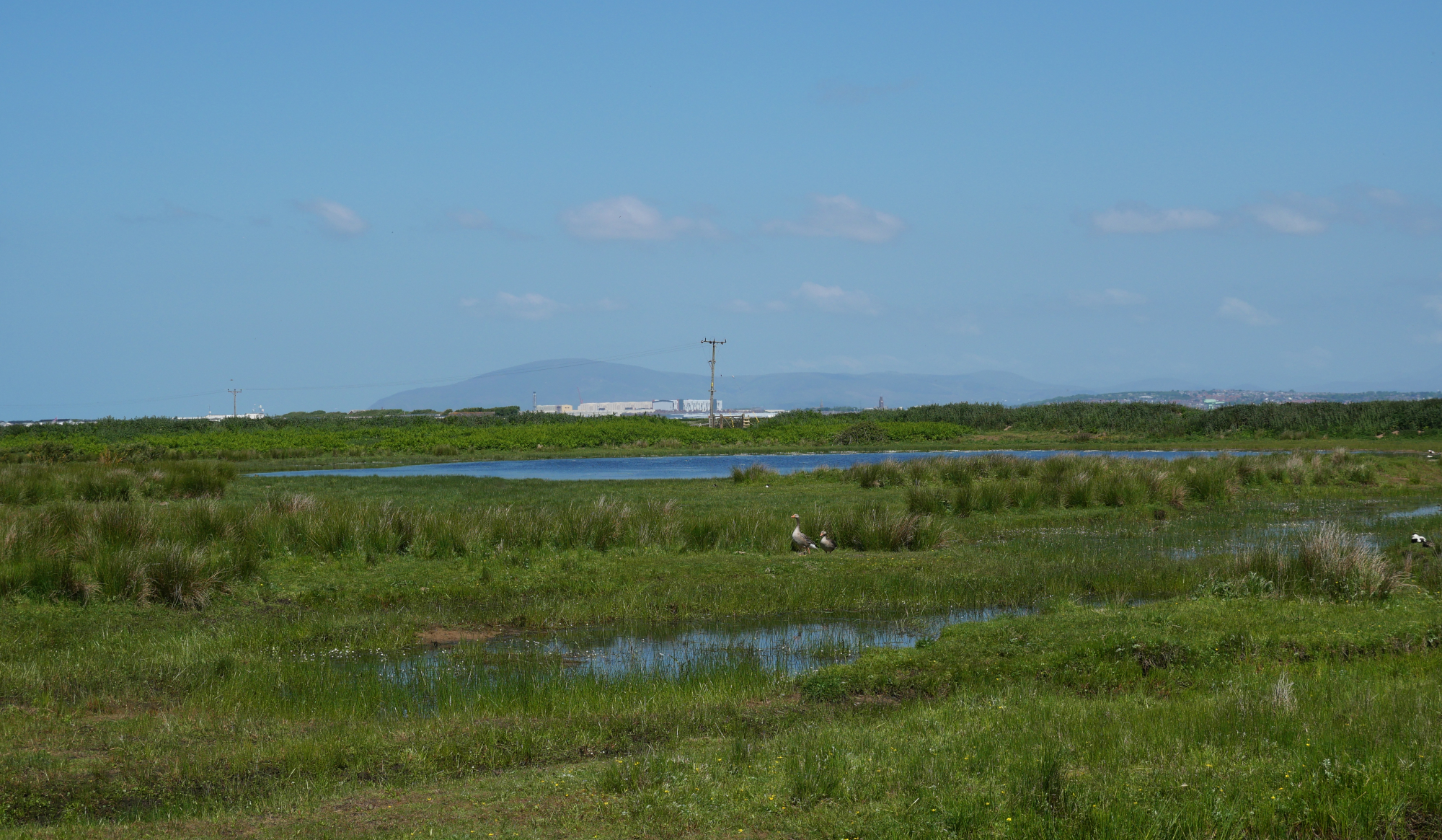
The southern tip of Walney Island is Cumbria's only grey seal haul-out and breeding colony, according to Cumbria Wildlife Trust, and the seals are there all year, best seen around high tide. You cannot go onto the beach where they rest (quite right too), but the hides and viewing spots give you a good look, and the Trust runs an online seal cam for the days you cannot get there. Eider ducks, short-eared owls and brent geese are also on the list, and if you are very lucky, an otter.
It is a windswept, honest sort of place: bring a proper coat and binoculars, and keep expectations of a cafe low. One serious note: the access road can flood on tides above 10.5 metres, so check the tide times before you set off.
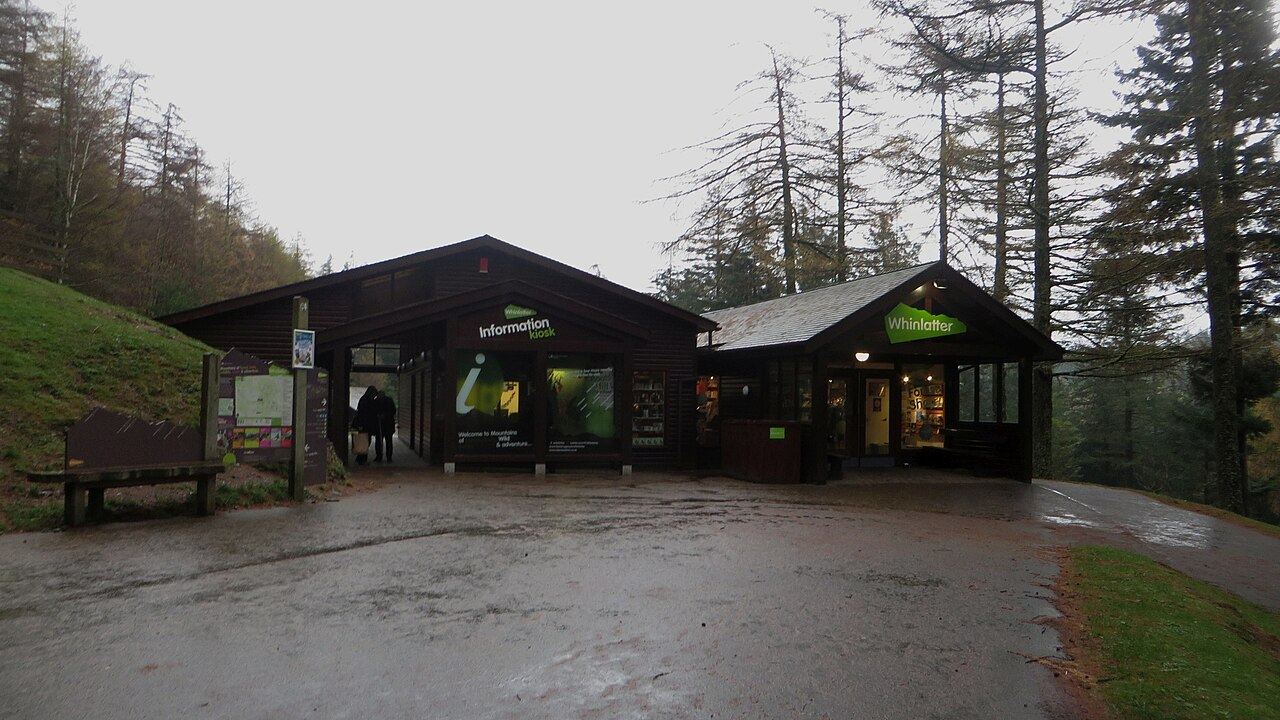
The forest above Braithwaite is one of the better places in Cumbria to look for red squirrels. Forestry England runs a ranger-led red squirrel walk on the Wow Trail, about three hours and four and a half miles, aimed at ages 14 and up (younger with an adult). That makes it one for older children and grown-ups rather than toddlers.
If you have small ones, the surfaced Wow Trail itself has no stiles and the visitor centre area keeps everyone close to the cafe. Red squirrels do not keep a timetable, so treat any sighting as a bonus rather than a promise.
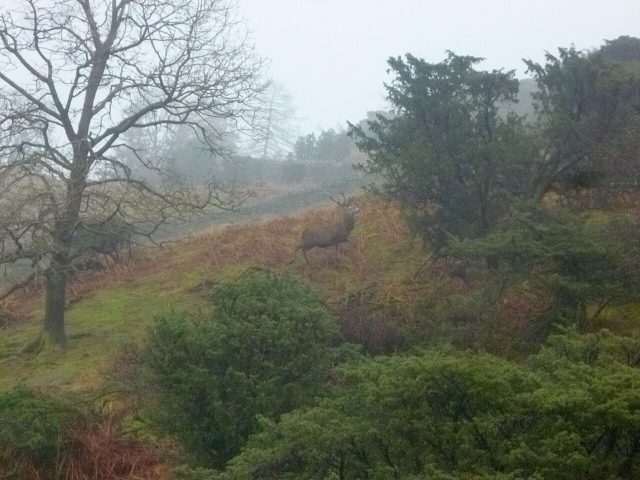
One more for the list, but not this month: Foulshaw Moss near Witherslack, a Cumbria Wildlife Trust bog with red deer, hen harriers in winter and ospreys from spring. When we checked, the Trust's page said the boardwalks were closed because the weather had made them dangerously slippery, so wait for that notice to come down before you go. The deer are not going anywhere.
Prices were taken from each venue's own website on 9 November 2026. They go up, rarely down, so check the link.
No animal in Cumbria has ever been as interesting to a six year old as the gift shop on the way out. Budget accordingly, or walk briskly.See what's on in The Cumbrian Almanac
Free, and you choose: the family weekend edition on Friday mornings, the grown-up Sunday edition on Sunday evenings, or both.
No spam, no ads. Unsubscribe from any email with one click. Privacy
South Lakes Safari Zoo in Dalton-in-Furness closed at the end of 2024. The nearest things to a zoo now are the Lake District Wildlife Park near Bassenthwaite and Lakeland Wildlife Oasis near Milnthorpe.
Yes. It closed at the end of 2024 and its animals were being rehomed in early 2026, according to news reports. A 2025 plan for a wild animal reserve on the site was rejected.
For a zoo-style day, the Lake District Wildlife Park near Keswick has zebra, red pandas and otters, and Lakeland Wildlife Oasis near Milnthorpe has lynx, lemurs and indoor tropical halls. Both are open daily in winter.
The Lake District Wildlife Park at Bassenthwaite near Keswick is the closest. It is open daily from 10am to 4pm in autumn and winter.
In November 2026 the website lists adults at £15.95, children at £13.95 and a family of two adults and two children at £56. Under 3s are free.
South Walney Nature Reserve on Walney Island has Cumbria's only grey seal colony, with seals there all year and best seen around high tide. Entry is £3 for adults and £1 for children.
Mostly no. The Lake District Wildlife Park, Lakes Aquarium, Walby Farm Park and South Walney allow assistance dogs only, while Muncaster allows dogs in the grounds but not the Hawk and Owl Centre.
Facts checked against these pages on Monday 9 November 2026. Opening times and prices change, so confirm with the venue.