Birding in Cumbria: sites, seasons and what's flying now
Cumbria has the only seabird cliffs in the north west, around 30,000 geese on the Solway and ospreys you can actually watch. It also has weather. Here's where to go and when, from a Stanwix family with two small kids and one pair of binoculars.
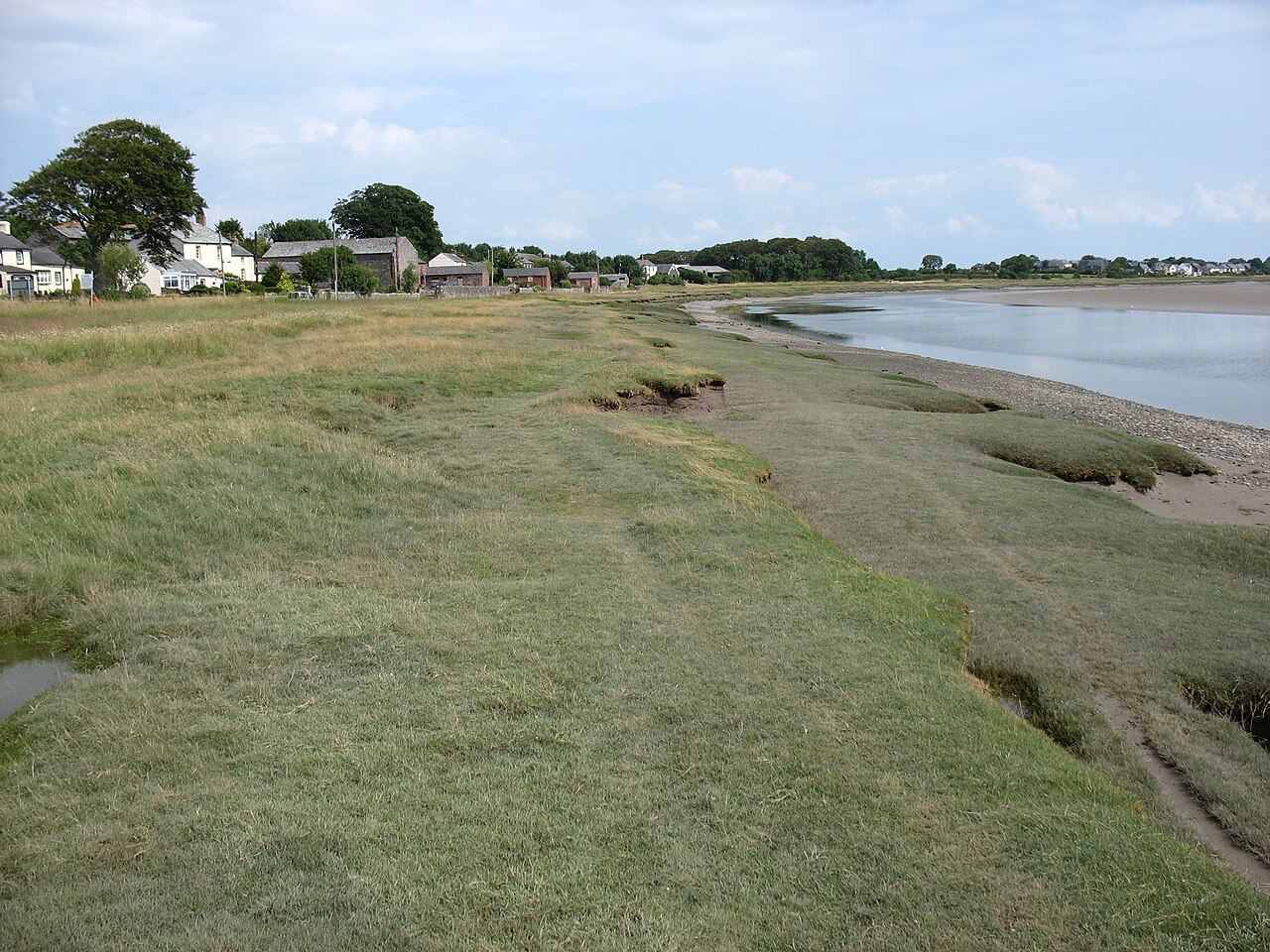
Cumbria's best birdwatching splits between the coast and the hills. RSPB St Bees Head has the region's only seabird cliffs, with guillemots, razorbills, kittiwakes, a few puffins and England's only black guillemots from April to early July, while the Solway saltmarshes at Campfield Marsh, Burgh Marsh and Moricambe Bay hold around 30,000 barnacle geese, whooper swans and big wader roosts from October to March. Ospreys are watched from the viewing platform at Foulshaw Moss near Witherslack from late March to the end of August, and in 2026 a pair at RSPB Campfield Marsh became the first to breed on an RSPB reserve in England. RSPB Geltsdale near Brampton is the place for hen harrier and black grouse in April and May, and South Walney, Humphrey Head and Arnside on Morecambe Bay give the huge wader roosts in the two hours before high tide from September to March.
Cumbria is the only county I know where you could watch 30,000 geese lift off a saltmarsh before breakfast and hear a wood warbler in an oakwood by lunch, though I've never managed both because someone always needs a wee. The Solway takes virtually the whole Svalbard barnacle goose population every winter, Morecambe Bay is the UK's most important estuary for wintering waders, and between them there are 90 metre seabird cliffs at St Bees, bogs with ospreys over them and oakwoods full of pied flycatchers for six weeks a year.
Now the honest bit. It rains. The oakwood birds sing on calm early mornings in May and you can't order those. Midges arrive around July. The Solway coast road at Bowness, Anthorn and Burgh goes under on the biggest tides. Two things people still turn up expecting: the Dodd Wood osprey viewpoints, wound up in 2022 after the birds moved to a nest you can't see from there, and the Haweswater golden eagle, last seen in November 2015. He's gone.
So, this page. The month strip says what's flying now. The site finder has all 38 places on a map, filters for area, habitat and bird, and sorts by distance from where you're stood. The species gallery has 61 birds with a tick box each, and the ticks stay on your phone. Check the tide before the coast and the cam before the ospreys.
What's flying this month. Pick a month and the strip gives you the headline birds, the sites to go to and the honest weather warning that comes with them.
January
Geese, swans and wader roosts on the Solway
The coldest month and the best on the Solway: barnacle geese at Burgh and Drumburgh, whooper swans behind Moricambe Bay, waders packed onto the Campfield saltmarsh. Dress for wind off the firth.
Ravens already tumbling over the crags, dippers singing on the becks. The geese stay put, Whinlatter's feeders are busy, and the Leighton Moss murmurations stop this month. Expect mud.
The month it turns: ospreys back at Foulshaw and Bassenthwaite in the last week, sand martins over the lakes, ring ouzels on the fells. Whoopers start leaving; snow and sun in an afternoon.
Flycatchers, redstarts and cuckoos hit the oakwoods mid month, curlews display over Geltsdale, the St Bees ledges fill with auks. The barnacle geese leave at month end; do both in a day.
Peak month, no argument: the full oakwood set, hen harriers sky dancing over Geltsdale, terns at Hodbarrow, puffins at St Bees, skuas off Bowness. Light till after 9pm, no midges yet.
Long days, chicks everywhere, ospreys feeding young
Osprey chicks hatch early in the month and the adults hunt hardest from now till August. Eider ducklings off Walney, swifts over the towns, woodland song fading by month end. Go early.
Last month for ospreys: they leave Bassenthwaite mid to late August and Foulshaw around the turn of September. Waders build on the estuaries; onshore winds push the first shearwaters past Walney.
The first pink-footed geese reach the Solway towards month end, the roosts swell and Walney logs shearwaters and petrels after westerly gales. Warblers drop into the Grune Point hedges. Settled and quiet.
Whooper swans arrive in the first half of the month and the barnacle geese are back, mostly on the Scottish side at first. Bearded tits on the Leighton Moss grit trays. Wet.
Murmurations begin and snow buntings reach the shingle
Starlings gather at dusk, snow buntings on the Grune Point shingle, twite on the saltmarsh, winter ducks filling Siddick Ponds. Dark by 4.30pm: estuary in the morning, roost in the afternoon.
Barnacle geese move onto the Cumbrian marshes, whoopers fly in for the Caerlaverock feeds, and the biggest tides pack Morecambe Bay's 240,000 waterbirds into roosts at Humphrey Head. Seven hours of light.
All 38 sites. Filter by area, habitat or the bird you want, sort by distance from where you're standing, and tap a pin for parking, toilets and tide notes.
Arrive before high tide for the waders and seals; the access road floods on very high tides above 10.5 metres, and the reserve opens 10am to 5pm (4pm in winter) with the gate locked shortly after.
Sixty-one birds, from the easy ones to the long shots, each with where and how. Tick what you've seen; the ticks save on your device only and never leave it.
Your Cumbria list
0 of 61 seen
Ticks are saved on this device only. Nothing is sent anywhere.
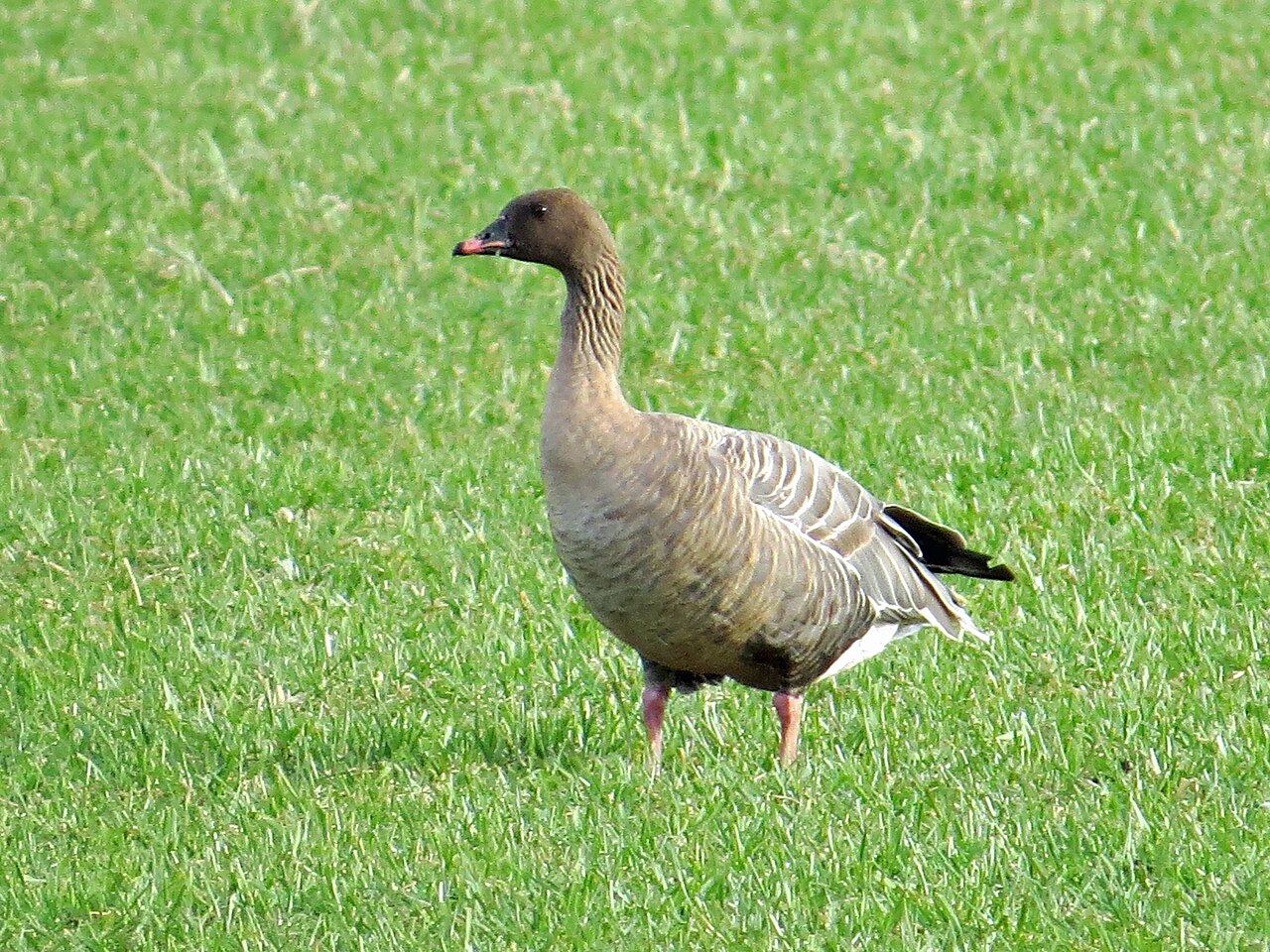
The first skeins reach the Solway in late September and early October. Listen for the high yelping over Campfield Marsh and Moricambe Bay at dawn and dusk as birds move between roost and feeding fields; smaller numbers use Morecambe Bay.
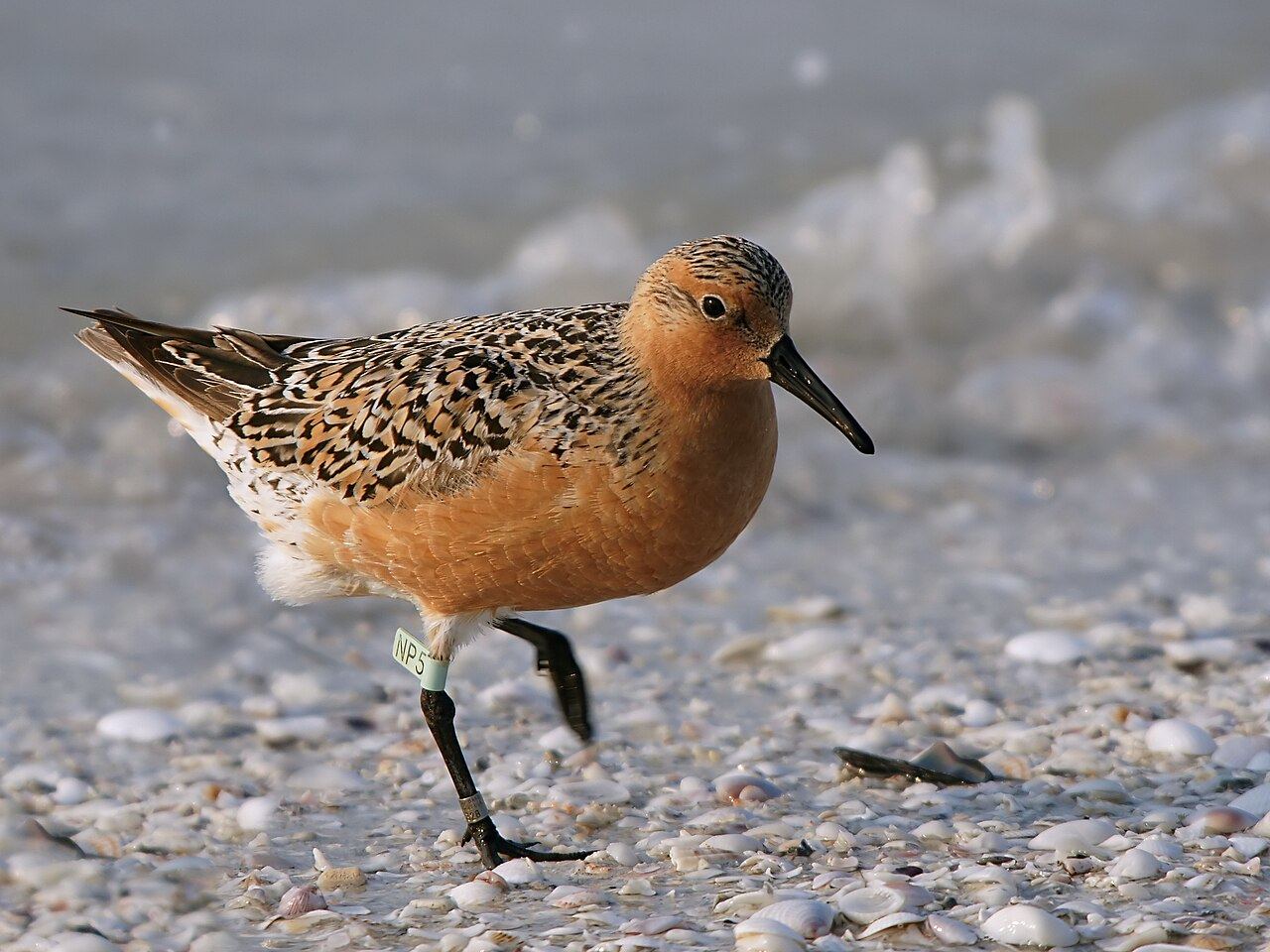
Grey carpets of knot roost on Morecambe Bay and the Solway at high tide. Be at Humphrey Head, the Arnside promenade or Bowness two hours before high water and watch the flocks twist and turn as the tide pushes them in.
Natural England's Morecambe Bay citation gives 14,000 wintering knot and the Solway 2019/20 count was 16,950; the RSPB notes they form huge flocks in winter, flashing their pale underwings as they twist and turn. Source ↗
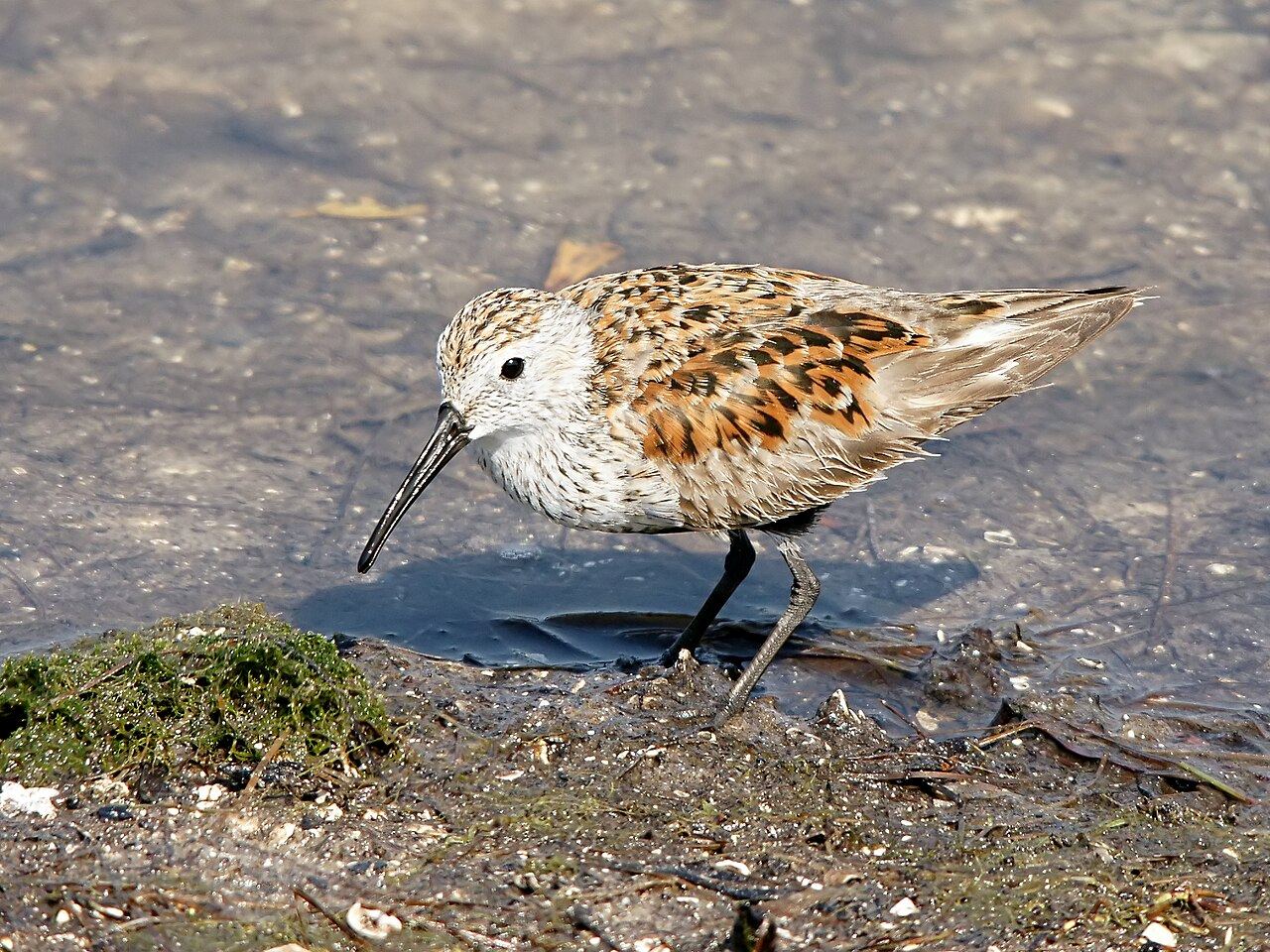
The commonest small wader on every estuary. Feeding flocks work the falling tide at Bowness and Port Carlisle, and thousands roost on the Campfield saltmarsh and the Walney spit around high water.
Breeds on the Geltsdale moors, where its plaintive whistle carries in spring; in winter tight flocks with rapid twinkling wingbeats gather on the Solway marshes and fields near Burgh and Anthorn, often with lapwings.
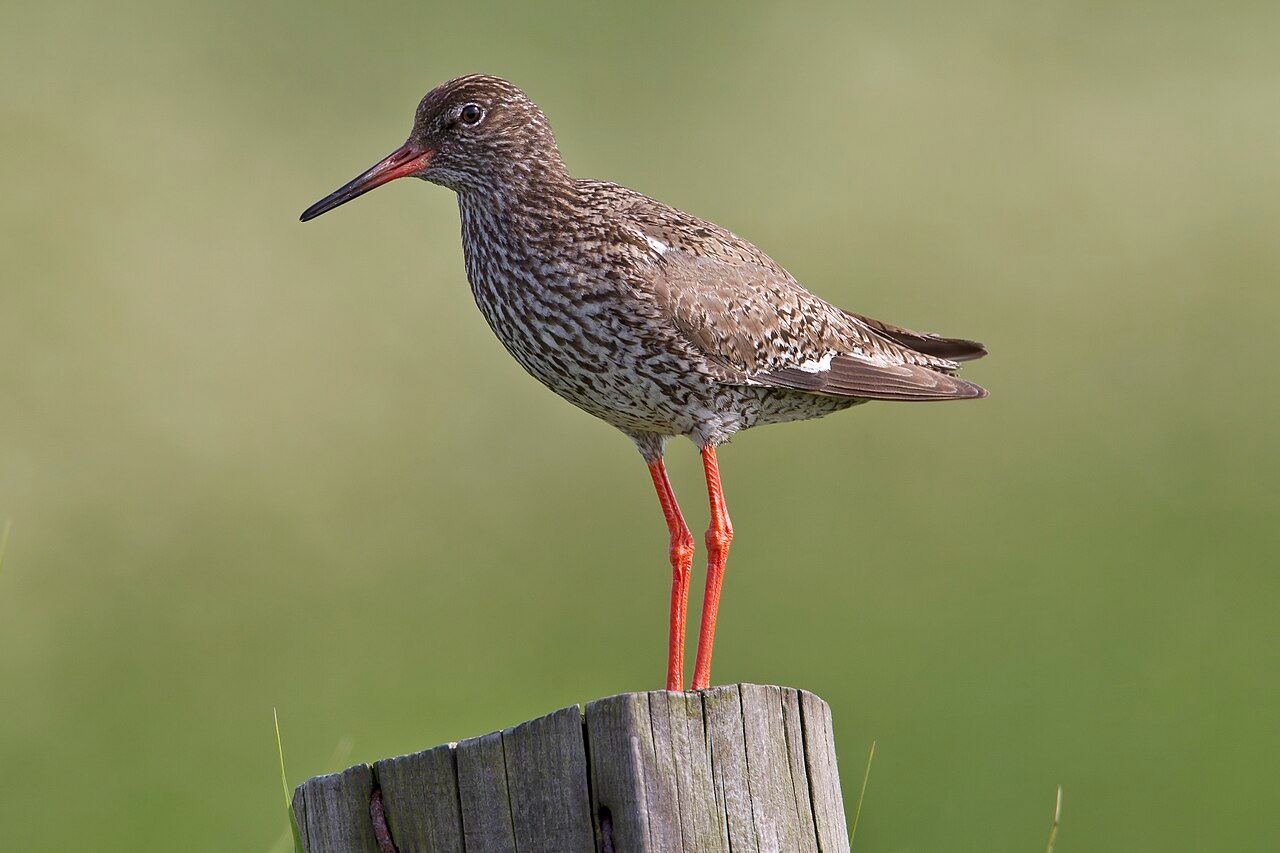
Saltmarsh creeks and pool edges; you will probably hear its piping alarm before you see the bright orange-red legs. Breeds on Campfield's wet grassland and at Geltsdale, and is on every estuary in winter.
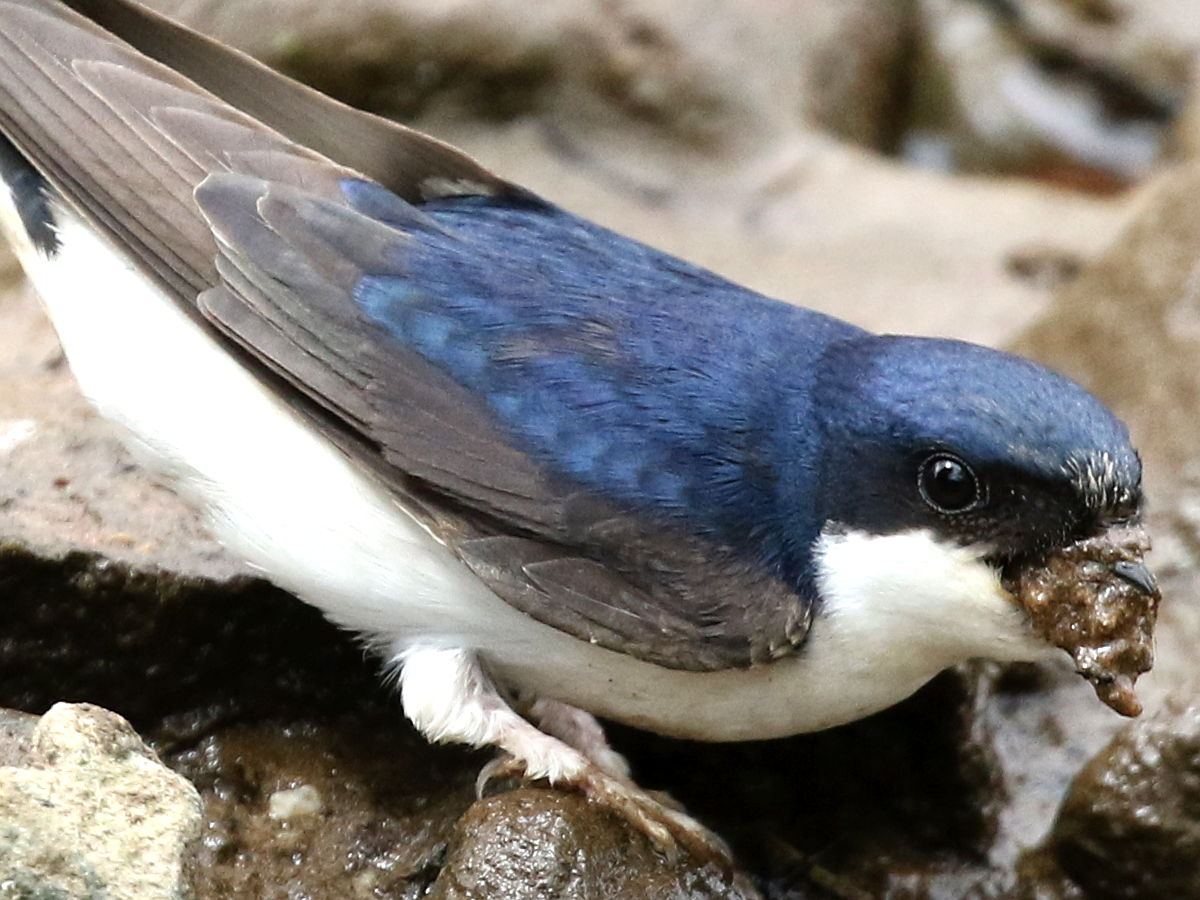
Mud nests under the eaves of houses in villages across the county from late April to September; watch for the white rump. Passage flocks gather along the coast at Grune Point in autumn.
The big set pieces, the days that make you forget it's four degrees. Eight of them, with numbers, timings and where to stand.
October to late April; on the Cumbrian marshes mainly from midwinter
Svalbard barnacle geese on the Solway
Virtually the whole Svalbard population winters on the Solway, about 30,000 birds, and several thousand at a time feed east of Drumburgh from midwinter. The noise when a flock lifts is the point.
About 30,000 (Solway Wetlands); WeBS peak counts of 25,076 to 47,000 between 2011 and 2020 (Solway Firth Partnership)
Icelandic whoopers winter on both shores, Moricambe Bay being a main Cumbrian site. For the close-up cross to WWT Caerlaverock in Scotland, which feeds them daily from October to March, up to 200 at a time.
Up to 200 whooper swans fly in to the Caerlaverock feeds (WWT); Solway peak 250 (Solway Firth Partnership)
Foulshaw Moss has had a breeding pair since 2014, 32 chicks so far, and a second since 2025, watched from a platform and on live cams. In 2026 a Campfield Marsh pair raised three chicks, an RSPB first for England.
32 chicks raised by the nest one pair at Foulshaw since 2014; three chicks at Campfield Marsh in 2026
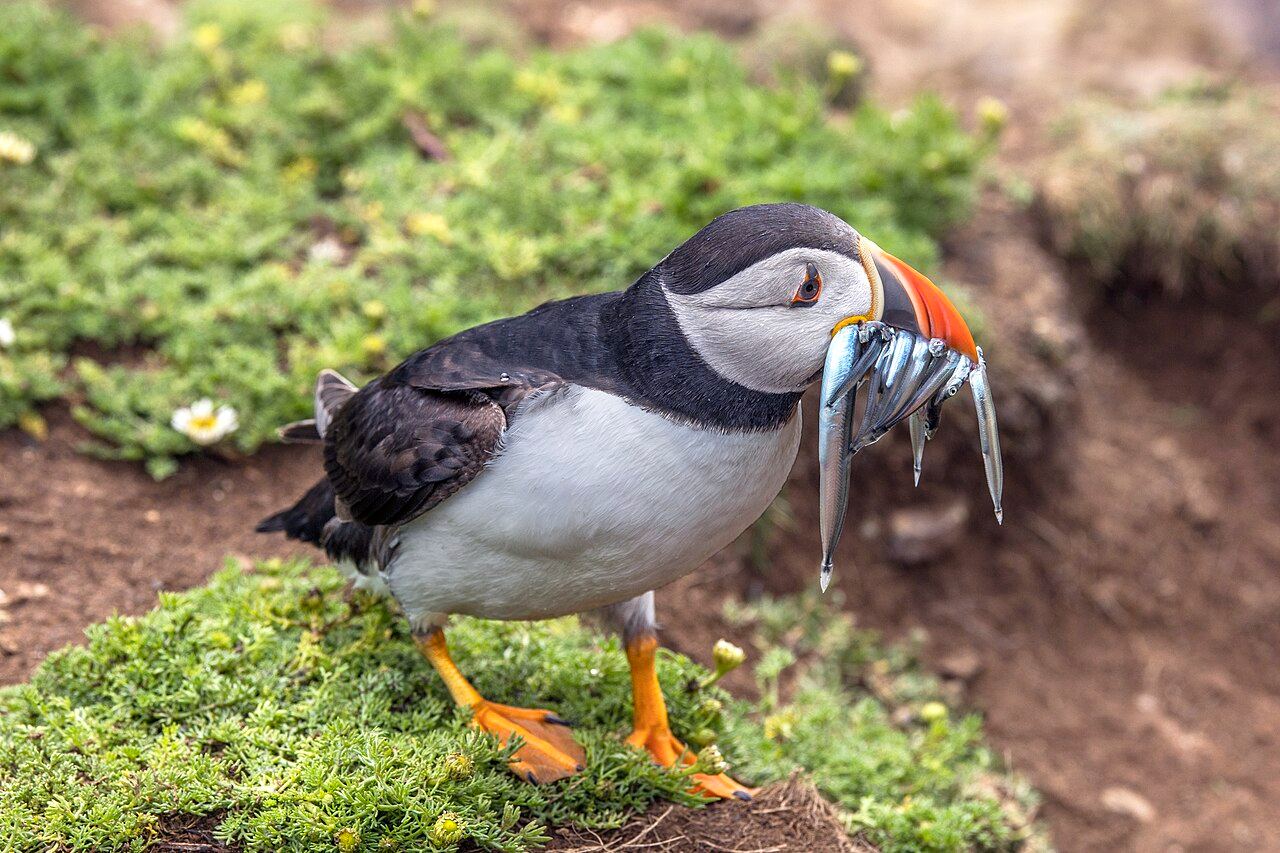
The north west's only cliff-nesting seabird colony: thousands of guillemots, razorbills, kittiwakes and fulmars on 90 metre ledges, a few puffins and England's only black guillemots, April to early July. The smell arrives before the view.
Thousands of guillemots, razorbills, kittiwakes and fulmars (Cumbria Bird Club); the largest seabird colony in north west England (RSPB)
The UK's most important estuary for wintering waders, over 240,000 waterbirds including 41,000 oystercatcher and 14,000 knot. Stand at Humphrey Head, Arnside or South Walney two hours before high water and watch the knot twist.
Over 240,000 waterbirds each autumn and winter (Morecambe Bay Nature Partnership); 41,000 oystercatcher, 31,000 dunlin and 14,000 knot in the SSSI citation
All year; spring for courting eiders, high tide for seals
Eiders and grey seals at South Walney
One of Europe's southernmost breeding eider sites and Cumbria's only grey seal colony, watched from the hides at high tide or on the seal webcam. The bird observatory has logged around 300 species since 1964.
The only grey seal colony in Cumbria (Cumbria Wildlife Trust); around 300 bird species recorded on Walney
The reliable one is RSPB Leighton Moss in Lancashire, dusk, November to February. Cumbria's roosts move: Visit Cumbria lists Gilcrux, Silloth, Orton, Walney and Carlisle, and thousands gathered near Distington in December 2024. Check sightings first.
Hundreds to thousands of birds (RSPB); no verified count for a Cumbrian roost
One of a handful of English nesting sites for the hen harrier, the UK's most persecuted bird of prey. 2026 was its best season in over a century: 13 chicks from three nests, helped by round the clock nest watches.
Where the ospreys actually are now, which isn't where the old signs point. Foulshaw Moss first, then everything else.
Arrive: Late March or early April (last week of March or first week of April at Foulshaw Moss)
Leave: Mid to late August at Bassenthwaite (Lake District National Park); end of August or early September at Foulshaw Moss (Cumbria Wildlife Trust)
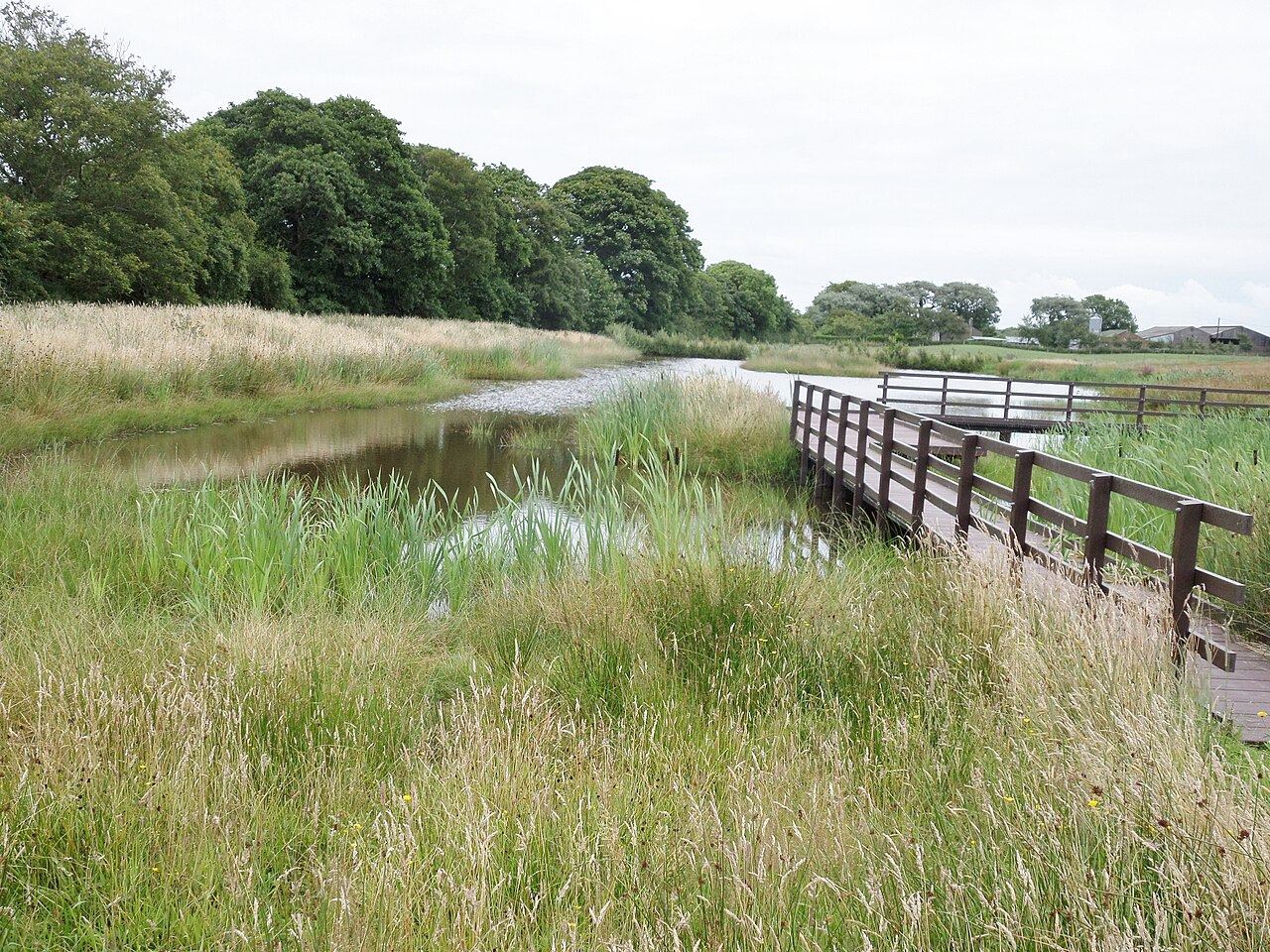
So where now? Foulshaw Moss near Witherslack: a pair since 2014, 32 chicks, a second from 2025, a boardwalk to a platform with a telescope, and live cams. The National Park also points to the Osprey Safari boats on Esthwaite Water, and to Cogra Moss reservoir. And in 2026 a pair bred at RSPB Campfield Marsh, raising three chicks, the first on an RSPB reserve in England. My end of the county, and I'm still not over it.
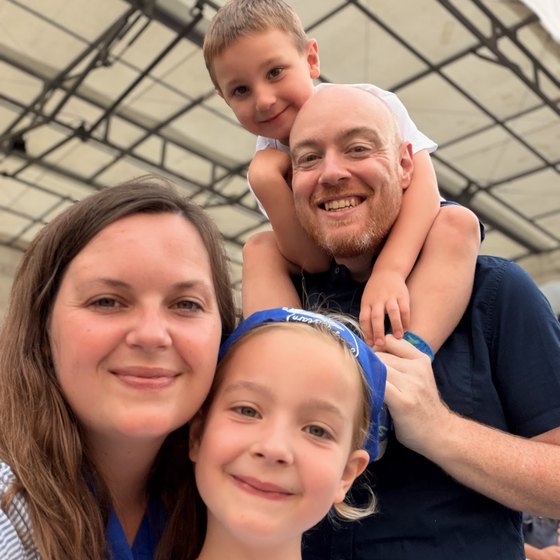
Birding with a six and a seven year old is a different sport. Here's what works, what's a slog, and where the feeders and toilets are.
We've got a six and a seven year old, and birding with kids is twenty minutes of birding wrapped in snacks, toilets and a shorter walk than planned. What works: feeders or one big spectacle, something warm nearby. Whinlatter's hide (feeders, maybe a red squirrel), Watchtree (flat, free, gelato shack), Campfield in winter (800 flat metres to a hide, baby changing) and Foulshaw's boardwalk to the osprey telescope.
The winner, if they can manage two steep miles each way, is St Bees Head in May or June: thousands of guillemots and kittiwakes, the noise, the smell, and the chance of a puffin, which every child has heard of. Only a few pairs nest there, so say so. Rainy days: the osprey cams and the Big Garden Birdwatch in January, one free hour at the kitchen window.
Whinlatter Forest, Braithwaite. Sit in the wildlife hide on Whinlatter's Wow Trail and watch the feeders: siskins, goldcrests, crossbills, woodpeckers, and a red squirrel if you're lucky. The Squirrel Scurry trail and cafe are by the visitor centre. Details ↗
Foulshaw Moss, Witherslack. Walk the boardwalk to the osprey platform at Foulshaw Moss between April and August, look through the volunteers' telescope, then watch the same nest on the webcam at home. Details ↗
RSPB Campfield Marsh, Bowness-on-Solway. In winter, take the flat 800 metre track from the Solway Wetlands Centre to the hide at RSPB Campfield Marsh and count the geese, swans and ducks on the flooded fields. Toilets, hot drinks and a picnic area. Details ↗
RSPB St Bees Head. St Bees Head in May or June for the noise and smell of thousands of guillemots and kittiwakes, and a puffin hunt. It's a steep two miles each way, so older kids only. Details ↗
Watchtree Nature Reserve, Great Orton. A morning at Watchtree: free, fully accessible, ramped hides over the lake, pond dipping platforms, a two mile tarmac circuit, bike hire and a cafe. Details ↗
Your garden, balcony or local park. Do the RSPB Big Garden Birdwatch at home. Free, one hour, the last weekend of January (23 to 25 January in 2026), and over 650,000 people did it in 2026. Details ↗
Lake District Wildlife Park, Bassenthwaite. Watch the bird of prey displays at 12 noon and 3pm at the Lake District Wildlife Park beside Bassenthwaite, then check the park's Bassenthwaite osprey webcam. Details ↗
Grizedale Forest, Hawkshead. Look up for red kites over Grizedale Forest while doing the sculpture and Room on the Broom trails; the Ridding Wood trail is a mile of tarmac, fine for pushchairs. Details ↗
Bird and nature events coming up
Bird and nature events across Cumbria, pulled live from The Cumbrian Almanac, so guided walks, dawn choruses and talks show up here as soon as they're listed.
You need less than the catalogue says; eight things, in the order I'd buy them.
Binoculars. 8x42 is the all-rounder for woods and estuaries; borrow a pair before you buy.
A field guide or the free Merlin Bird ID app from the Cornell Lab, which identifies birds from sound. Handy in an oakwood in May when everything's singing at once.
A notebook or the free BirdTrack app, so your sightings go to the BTO and Cumbria Bird Club instead of vanishing.
Tide table saved to your phone before any coastal trip. Signal is patchy on the Solway and the Duddon.
Warm layers, hat and gloves, even in spring. Hides and fell tops are cold, and sitting still is the whole point.
Waterproof boots or wellies. Saltmarsh, bog boardwalk edges and Lakeland woods are wet most of the year.
A flask and food. Haweswater, Hodbarrow, Geltsdale and St Bees Head have no cafe or shop.
A telescope, but only once you're hooked. On the Solway and Morecambe Bay roosts it changes everything.
The birdwatchers' code
Seven lines of the Birders' Code, worth knowing because Cumbria has a lot of birds it's illegal to bother.
Birds first. Don't disturb them or their habitat, whatever the photo would have been.
Be decent to other people out there; they're enjoying the countryside too.
Follow access rules and stick to footpaths where you're asked to.
If you find something rare or breeding, think before you spread the news.
Know the law. Osprey, hen harrier, peregrine and black guillemot are Schedule 1 birds that mustn't be disturbed at the nest, and Cumbria has plenty of them.
Record what you see, on BirdTrack or with Cumbria Bird Club; it's how populations get monitored.
On reserves like South Walney stay on the waymarked paths and away from the seal and tern areas. A disturbed seal pup can be abandoned.
On the Solway and Morecambe Bay the tide table matters more than the forecast; here's why, and where to check it.
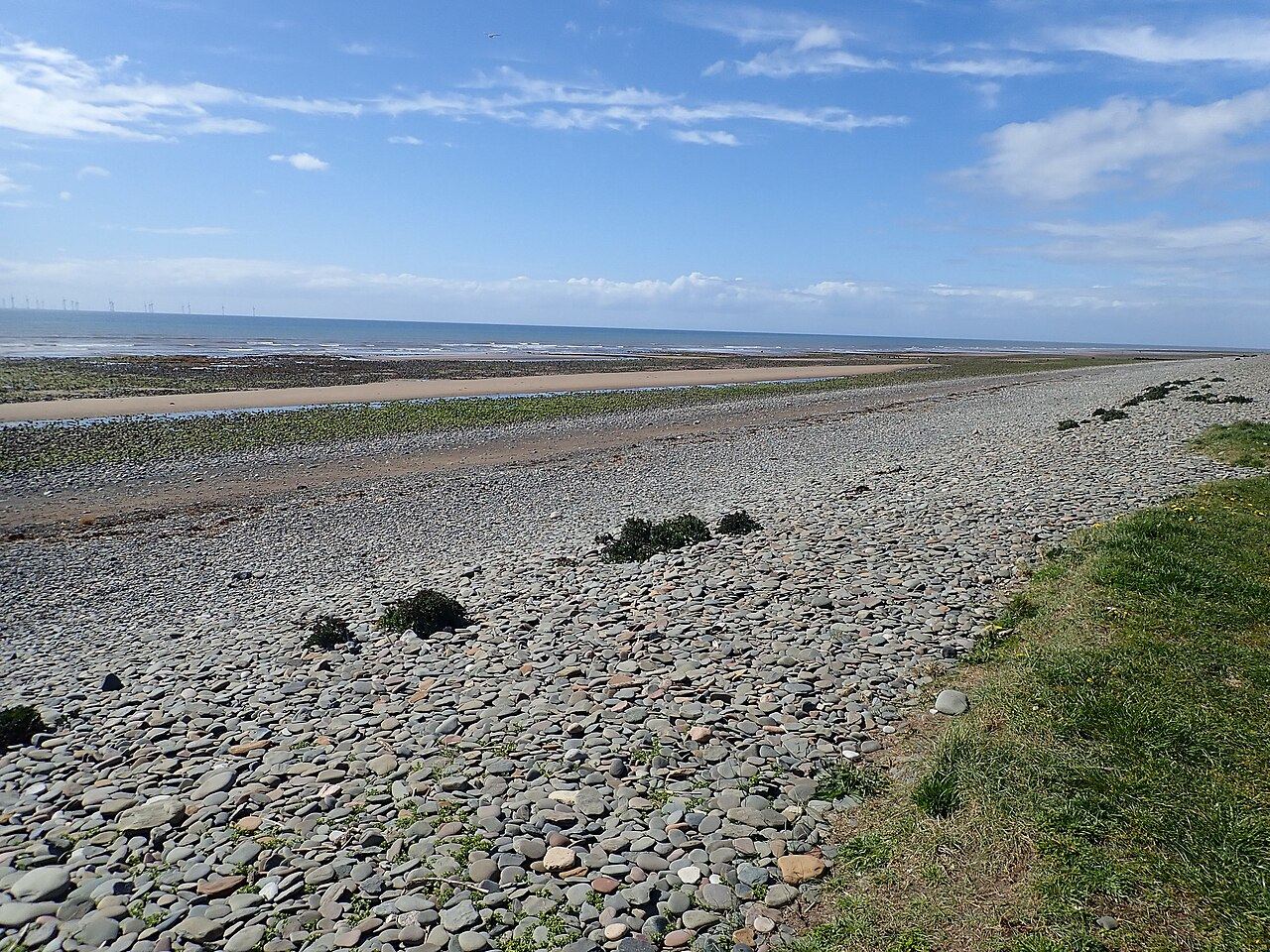
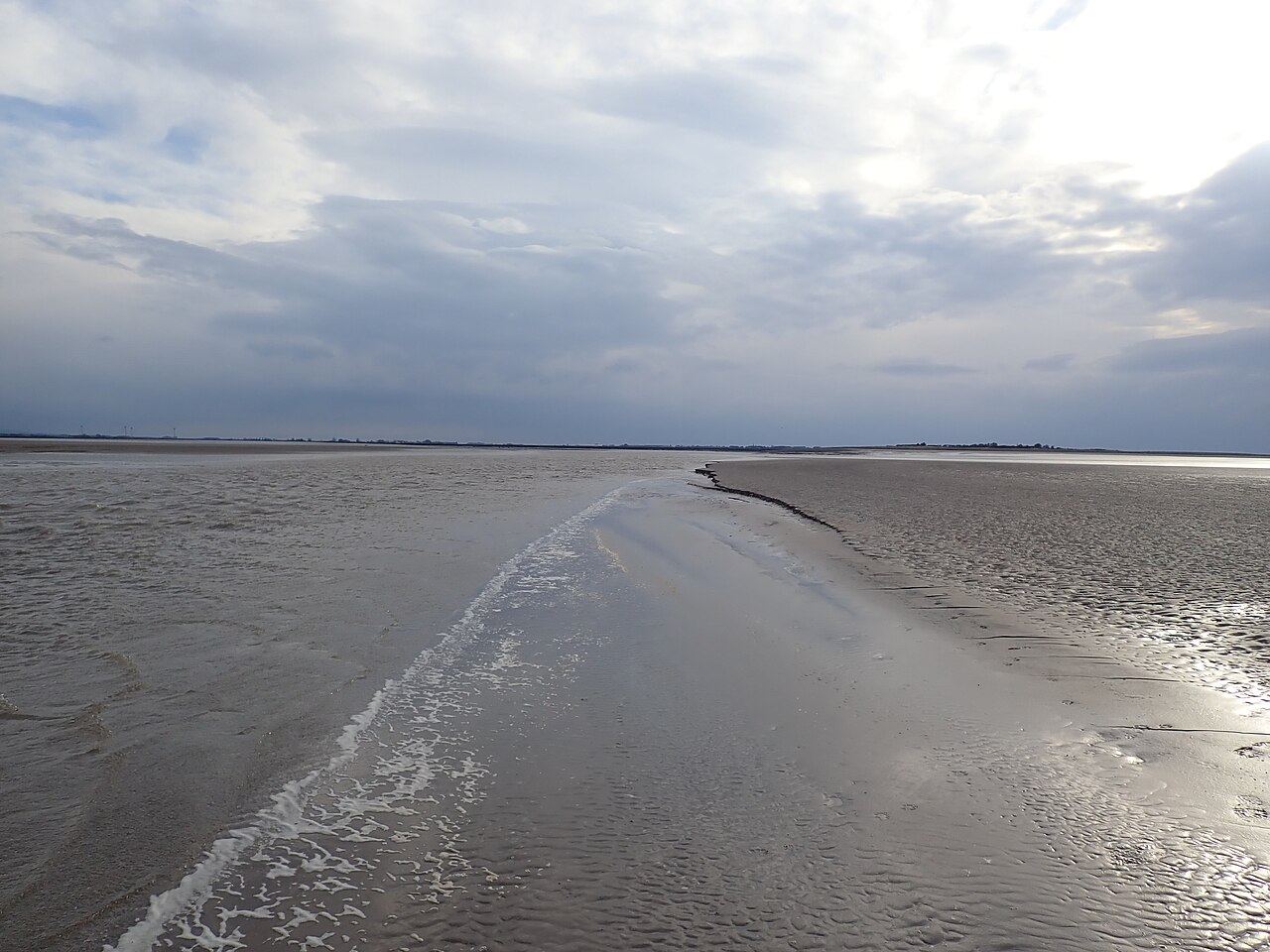
On the Solway and Morecambe Bay the birds are spread across miles of sand at low water and out of reach; a rising tide in the two hours before high water pushes waders and wildfowl up onto the saltmarsh and shore, and the roosts form around high tide before the flocks scatter again on the ebb. Both estuaries are dangerous: the tide comes in as fast as a galloping horse over the Morecambe Bay sands, channels fill behind you, and the Solway coast road at Bowness, Anthorn and Burgh floods on the highest tides, so never walk out onto the sands, keep to the landward edge of the marsh and check the tide table before you set off.
BirdGuides CumbriaLatest rarities and a list of Cumbrian birding sites; full sightings alerts need a BirdGuides subscription.
BirdTrack (BTO)Free app and website from the BTO and partners for logging your own sightings and exploring recent records and arrival dates.
eBird CumbriaGlobal sightings database from the Cornell Lab with Cumbria hotspots, recent checklists and bar charts of when each species occurs.
Walney Bird Observatory blogDaily counts of migrants, seabirds, waders and ringing totals from South Walney, the best guide to what is passing the Furness coast.
RSPB Leighton Moss recent sightingsThe reserve page carries a regularly updated recent sightings section covering bitterns, bearded tits, marsh harriers and the saltmarsh pools.
WWT Caerlaverock latest sightingsSightings updates from the Scottish side of the Solway, useful for judging when the geese and swans have arrived.
People to join
Cumbria Bird ClubThe county bird club runs events and surveys, publishes the annual Cumbria Bird Report and newsletters, and hosts where-to-watch guides for the Solway, Bassenthwaite, St Bees Head and Walney.
RSPB North Cumbria Local GroupIndoor talks on Wednesday evenings from September to March at Wetheral Village Community Hall, regular weekend outings from Carlisle and work parties on local reserves.
RSPB West Cumbria Local GroupMeets on the first Tuesday of the month from September to April at St Joseph's Church Hall, Cockermouth, and volunteers at Campfield Marsh, St Bees Head and Hodbarrow.
Cumbria Wildlife TrustManages 43 nature reserves including South Walney, Foulshaw Moss, Eskmeals Dunes, Humphrey Head and Smardale, and runs the osprey and seal webcams.
Walney Bird ObservatoryFounded in 1964 and an accredited member of the BTO bird observatories network, it carries out census work, daily recording of migrants and ringing at South Walney and posts daily counts on its blog.
BTO Cumbria regional networkThe British Trust for Ornithology's volunteer network in Cumbria coordinates the Breeding Bird Survey, Waterways Breeding Bird Survey, Woodcock Survey and other national monitoring schemes.
Eden Rivers TrustRiver conservation charity for the Eden catchment with volunteer work parties, a community tree nursery and events, and species pages for kingfisher and dipper.
Lake District National Park guided walksFree volunteer-led guided walks in groups of up to 20, booked in advance on Eventbrite, ranging from easy to challenging.
Morecambe Bay Nature PartnershipPartnership for nature around Morecambe Bay with seasonal wildlife highlights and site suggestions on both the Cumbrian and Lancashire shores.
Get the next edition free
Free, and you choose: the family weekend edition on Friday mornings, the grown-up Sunday edition on Sunday evenings, or both.
No spam, no ads. Unsubscribe from any email with one click. Privacy
Questions people ask
Where can I see puffins in Cumbria?
Only at RSPB St Bees Head, where a few pairs nest among thousands of guillemots, razorbills and kittiwakes. Go between May and early July, take a telescope, and don't expect Farne Islands numbers; Cumbria Bird Club's word for them is a few.
Are there ospreys in the Lake District?
Yes. A pair nested near Bassenthwaite Lake in 2001, the first in the Lake District for over 150 years, and by 2021 there were six established nests raising 15 chicks. The easiest place to watch them is the viewing platform at Foulshaw Moss from late March to the end of August, and in 2026 a pair bred at RSPB Campfield Marsh on the Solway.
When do the geese arrive on the Solway?
Pink-footed geese arrive in late September and early October, whooper swans from early to mid October, and the Svalbard barnacle geese build up through October and November. About 30,000 barnacle geese winter on the firth and they're gone again by late April or early May.
Where is the best birdwatching in the Lake District?
Depends on the month. In May and June the Borrowdale oakwoods, RSPB Haweswater and Smardale Gill have pied flycatchers, redstarts, wood warblers and ring ouzels; Foulshaw Moss has ospreys from April to August; Bassenthwaite Lake has the best winter wildfowl. For sheer numbers of birds the Solway and Morecambe Bay beat the fells every time.
Can you see eagles in the Lake District?
Not reliably, no. England's last golden eagle lived at Haweswater and was last seen in November 2015, and white-tailed eagles last tried to breed there in 1787. Young golden eagles from the South of Scotland project explored the Lake District in 2025 and a white-tailed eagle reintroduction is being consulted on, so a sighting is possible but you can't plan for it.
Where can I see red kites in Cumbria?
Grizedale Forest, between Coniston Water and Windermere. Ninety young kites were released there between 2010 and 2012 and the first Cumbrian breeding since 1807 was confirmed in 2014; any open viewpoint in the forest can produce one.
When is the best time to birdwatch on the Solway?
October to March, in the two hours before high tide, when the waders and wildfowl are pushed up onto the saltmarsh at Campfield Marsh, Bowness and Burgh Marsh. Check the tide table first because the coast road floods on the highest tides.
Where can I see hen harriers in Cumbria?
RSPB Geltsdale near Brampton, one of only a handful of English nesting sites, which fledged 13 chicks from three nests in 2026. April to July gives you a chance of the male's sky dance; in winter harriers hunt the Solway mosses, Foulshaw Moss and the Drigg dunes.
Where are the starling murmurations in Cumbria?
They move from year to year. Visit Cumbria lists Gilcrux, the Solway near Silloth, Orton, Walney Island and Carlisle, and thousands roosted south of Distington in December 2024. The reliable one is RSPB Leighton Moss, just over the border in Lancashire, at dusk from November to February.
Is Leighton Moss in Cumbria?
No, it's in Lancashire, a few miles from Arnside and the county line. It's the largest reedbed in north west England, with bitterns, bearded tits, marsh harriers and avocets, and it's the nearest place to Cumbria for all four.
That's the county, or as much as I could verify. A few entries are thin because the people who run the places don't list their birds, and I'd rather say so than make it up. If it's different when you go, tell me.
Sources (136 pages checked on Tuesday 29 September 2026)