Ospreys in the Lake District: where they are now
Where the ospreys actually are now, which isn't where the old signs point. Foulshaw Moss first, then everything else.
Where the ospreys actually are now, which isn't where the old signs point. Foulshaw Moss first, then everything else.
Yes. A pair nested near Bassenthwaite Lake in 2001, the first in the Lake District for over 150 years, and by 2021 there were six established nests raising 15 chicks. The easiest place to watch them is the viewing platform at Foulshaw Moss from late March to the end of August, and in 2026 a pair bred at RSPB Campfield Marsh on the Solway.
When
Ospreys bred in the Lake District in 2001 for the first time in over 150 years, near Bassenthwaite, and for years the Osprey Project ran public viewpoints at Dodd Wood. Then the birds moved to a nest you can't see from there, and the National Park says the project was disbanded in 2022 because pairs had re-established around the Lakes.
So where now? Foulshaw Moss near Witherslack: a pair since 2014, 32 chicks, a second from 2025, a boardwalk to a platform with a telescope, and live cams. The National Park also points to the Osprey Safari boats on Esthwaite Water, and to Cogra Moss reservoir. And in 2026 a pair bred at RSPB Campfield Marsh, raising three chicks, the first on an RSPB reserve in England. My end of the county, and I'm still not over it.
Timing: in during the last week of March or first of April, eggs late April, chicks early June, out of Bassenthwaite mid to late August and Foulshaw around the turn of September. Turn up mid September and it's an empty nest from a nice boardwalk. Check the cam first.
Foulshaw Moss osprey cams (Cumbria Wildlife Trust): two nests and a roosting tree ↗ Bassenthwaite Lake osprey webcam (Lake District Wildlife Park) ↗
Cumbria Wildlife Trust's Foulshaw Moss has hosted a breeding pair since 2014 and a second pair since 2025, watched from a viewing platform with a telescope and on live nest cameras. Ospreys first returned to the Lake District at Bassenthwaite in 2001 and still fish the lake, and in 2026 a pair at RSPB Campfield Marsh became the first to breed on an RSPB reserve in England.
Witherslack · LA11 6SN · best
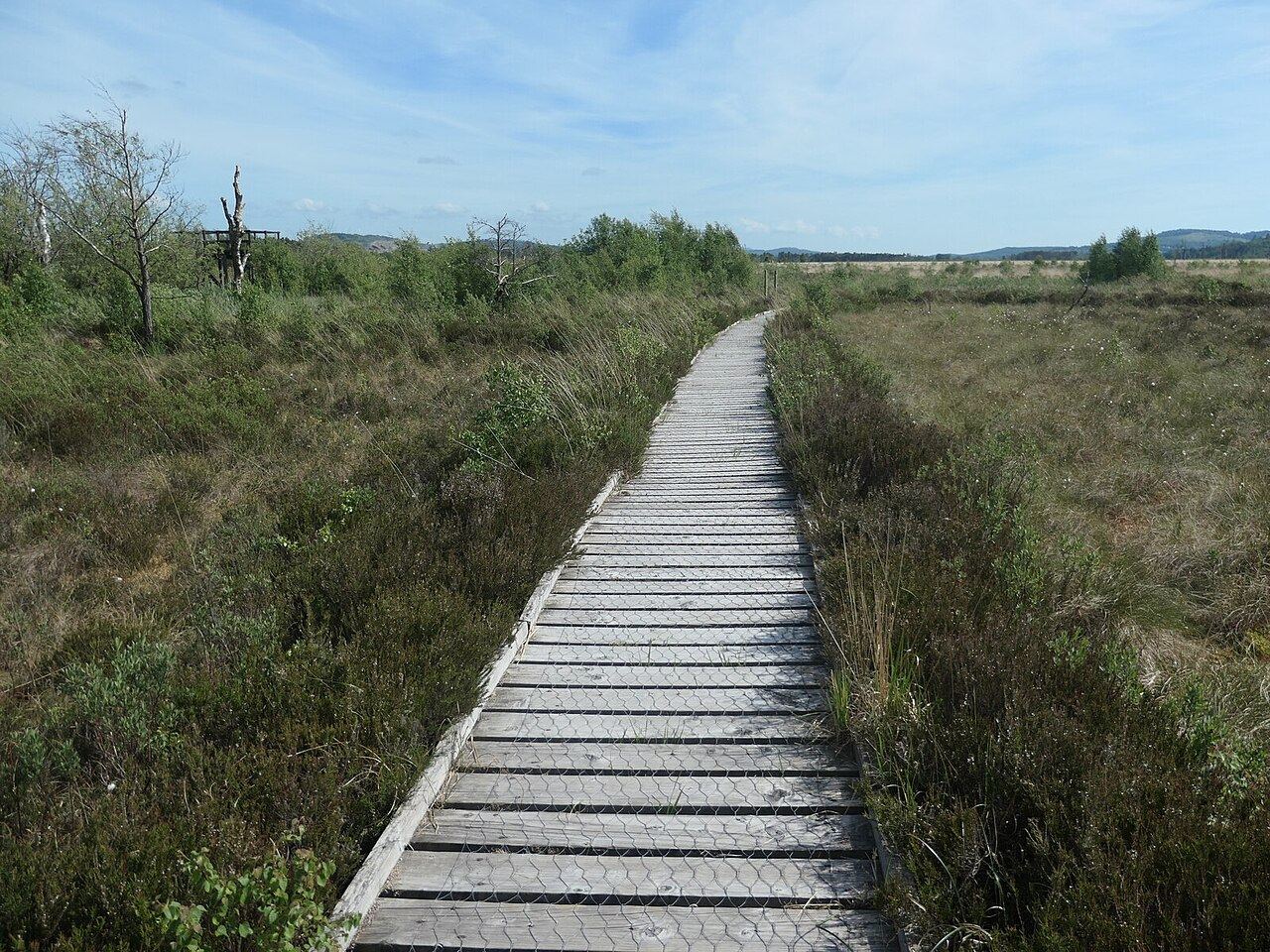
Where you see ospreys in Cumbria. A pair has nested on this bog since 2014, raising 32 chicks, a second came in 2025, and you watch from a boardwalk platform with a telescope, late March to late August.
Tip. Arrive early on fine weekends because parking is small and limited, stay on the boardwalks because the bog off them is deep and wet, and check the osprey cam before you set off.
Checked Tuesday 29 September 2026 against this page.
Keswick · best
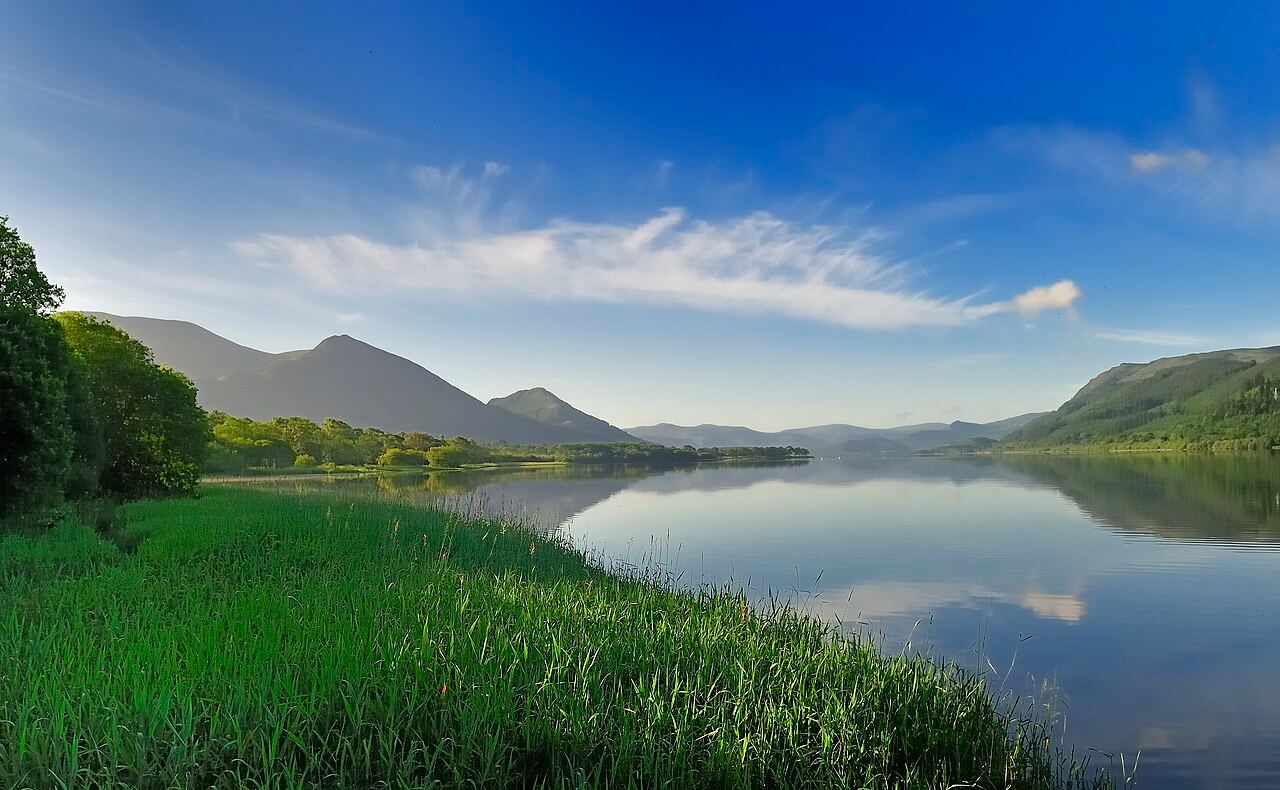
The only Lake District water actually called a lake: pochard, goldeneye and goosander in winter, wood warbler and pied flycatcher in the lakeside oaks in early summer. The Powter How hide went in Storm Desmond in 2015.
Tip. Park on the minor road just north of Powter How and walk under the A66 to the shore; there are no usable lay-bys on the A66 itself.
Checked Tuesday 29 September 2026 against this page.
Keswick · CA12 4QE · best
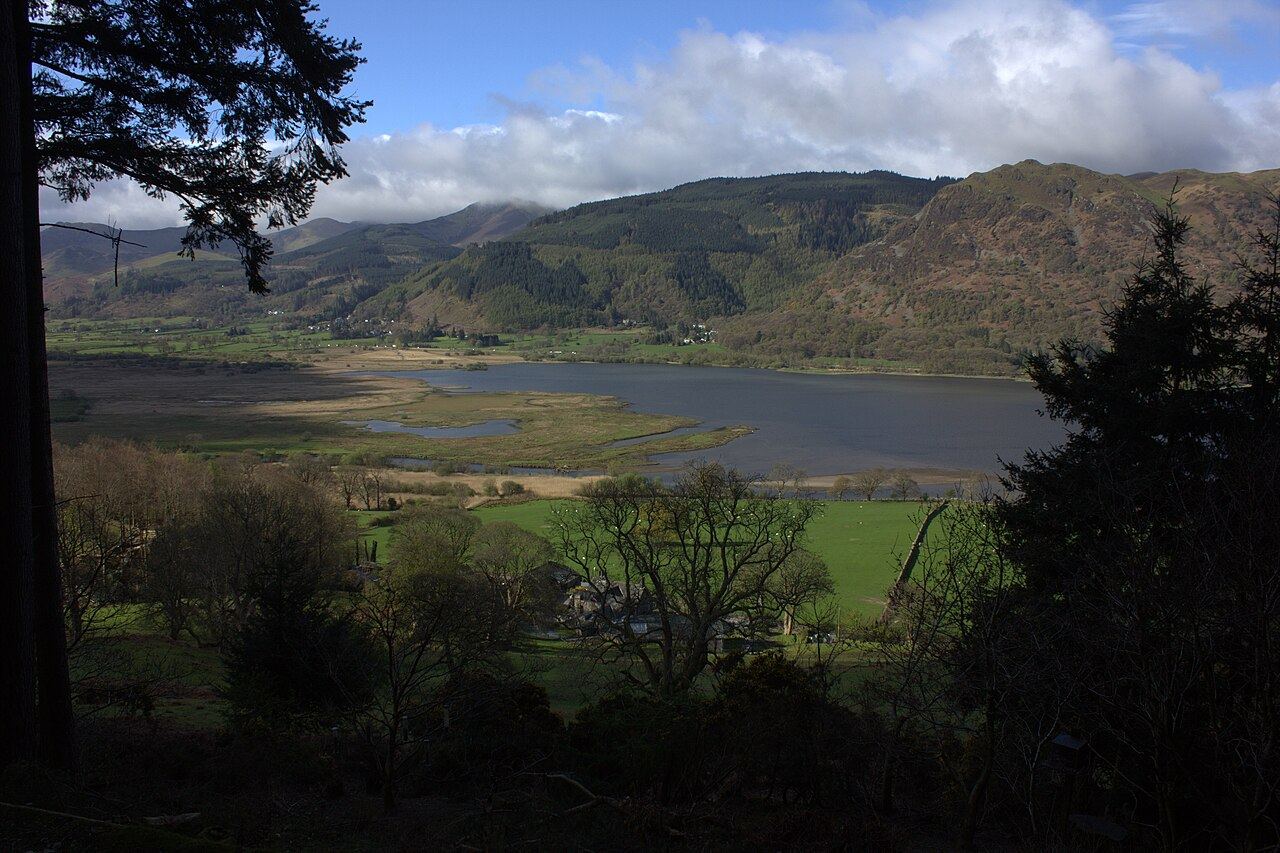
Read this before driving here for ospreys: the viewpoint project ended in 2022 and the nest is out of sight. What's left is a steep conifer wood with red squirrels and a tearoom, above a lake ospreys still fish.
Tip. Scan the lake from the higher tracks on a summer morning for fishing ospreys and go early and quietly for red squirrels; parking is pay on exit, up to £13 a day.
Checked Tuesday 29 September 2026 against this page.
Bowness-on-Solway · CA7 5AG · best
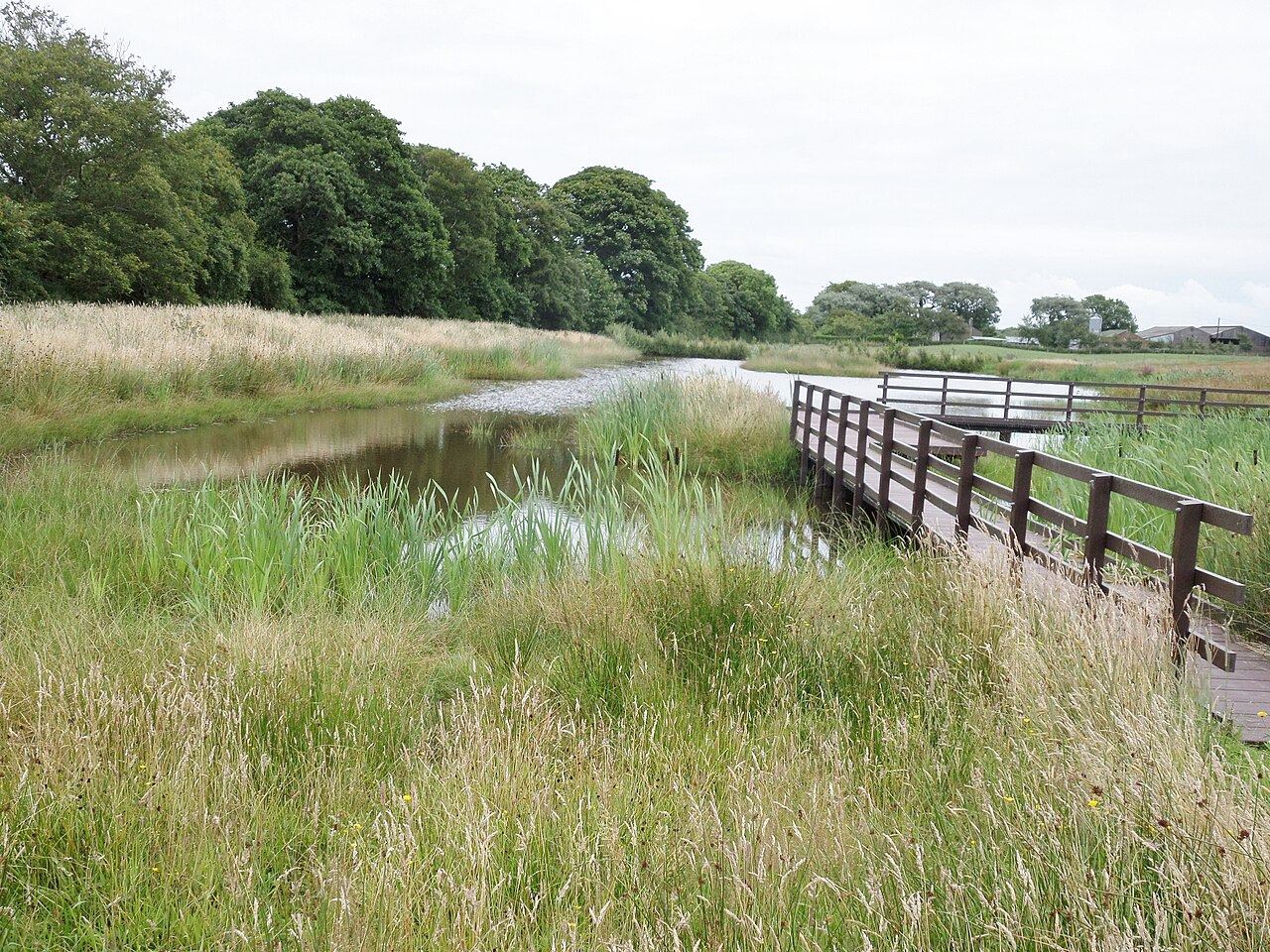
My pick for a first Solway trip: three hides, a flat 800 metre track, proper toilets, and fields heaving with wigeon and geese all winter. Ospreys nested here in 2026, an RSPB first for England.
Tip. Scan the saltmarsh from the roadside around high tide, and check the tide table first because the coast road floods on the biggest tides.
Checked Tuesday 29 September 2026 against this page.
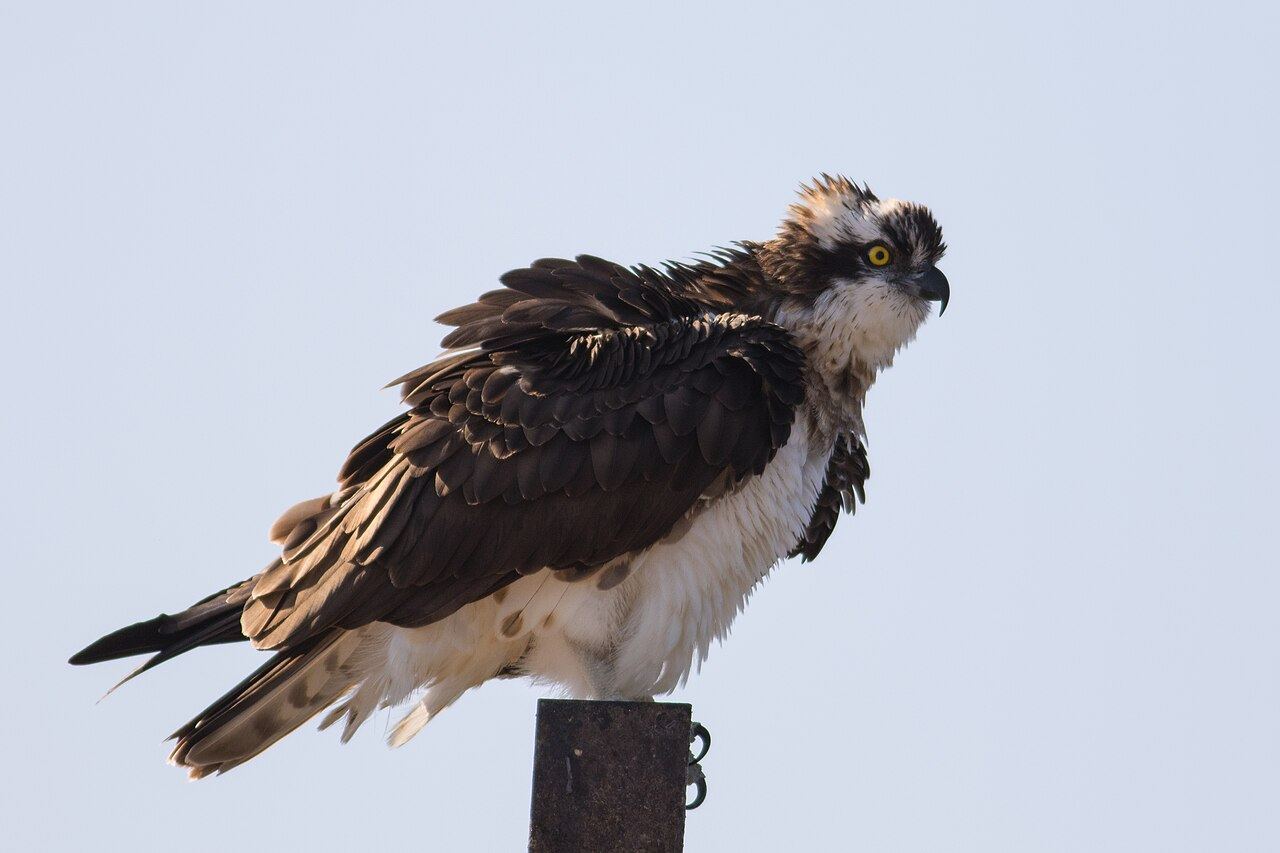
Pandion haliaetus
Summer visitorEasy
The viewing platform at Foulshaw Moss, with an on-site telescope, is the reliable place from the last week of March to the end of August; the nests are also on live webcams. Scan Bassenthwaite Lake from the Dodd Wood side for fishing birds, or take an Osprey Safari boat on Esthwaite Water.
Where: Foulshaw Moss, Bassenthwaite Lake National Nature Reserve, Dodd Wood and the Bassenthwaite ospreys, RSPB Campfield Marsh
Ospreys have a translucent third eyelid that protects their eyes when they hit the water, and spiny pads on their feet to grip slippery fish, which they carry head first to cut air resistance. Source ↗
Ospreys bred in the Lake District in 2001 for the first time in over 150 years, near Bassenthwaite Lake, and the Lake District Osprey Project ran public viewpoints at Dodd Wood until the birds moved to a nest that could not be seen from them; the National Park says the project was disbanded in 2022 because pairs had re-established around the Lake District. Today the reliable places are Cumbria Wildlife Trust's Foulshaw Moss near Witherslack, where a pair has nested since 2014 and raised 32 chicks with a second pair from 2025, the Osprey Safari electric boats on Esthwaite Water near Hawkshead (March to September) and Cogra Moss reservoir near Lamplugh, which the National Park says regularly attracts feeding ospreys. In 2026 a pair bred at RSPB Campfield Marsh on the Solway, the first on an RSPB reserve in England, raising three chicks. Eggs are laid towards the end of April and chicks usually appear in early June.
Saturday 3 October 2026, 19:00
Bassenthwaite Parish Room, Bassenthwaite
Sunday 4 October 2026
Whinlatter, Dodd Wood and Grizedale forests, Braithwaite, Keswick
Tuesday 6 October 2026, 10:00
Foulshaw Moss Nature Reserve, Witherslack
Back to the overview
Where to go
The birds
Free, and you choose: the family weekend edition on Friday mornings, the grown-up Sunday edition on Sunday evenings, or both.
No spam, no ads. Unsubscribe from any email with one click. Privacy