The birds of Cumbria: 61 species, and your list
Sixty-one birds, from the easy ones to the long shots, each with where and how. Tick what you've seen; the ticks save on your device only and never leave it.
Sixty-one birds, from the easy ones to the long shots, each with where and how. Tick what you've seen; the ticks save on your device only and never leave it.
Your Cumbria list
0 of 61 seen
Ticks are saved on this device only. Nothing is sent anywhere.
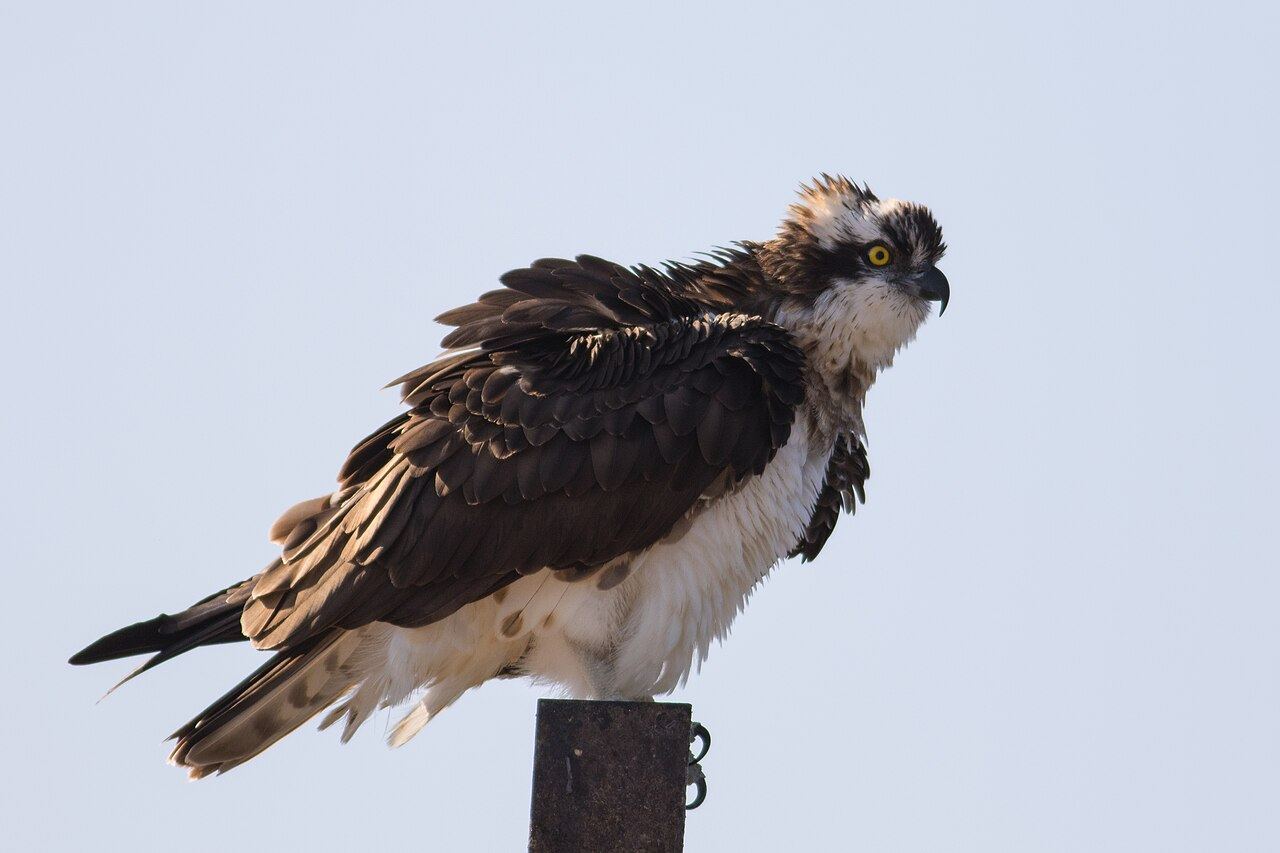
Pandion haliaetus
Summer visitorEasy
The viewing platform at Foulshaw Moss, with an on-site telescope, is the reliable place from the last week of March to the end of August; the nests are also on live webcams. Scan Bassenthwaite Lake from the Dodd Wood side for fishing birds, or take an Osprey Safari boat on Esthwaite Water.
Where: Foulshaw Moss, Bassenthwaite Lake National Nature Reserve, Dodd Wood and the Bassenthwaite ospreys, RSPB Campfield Marsh
Ospreys have a translucent third eyelid that protects their eyes when they hit the water, and spiny pads on their feet to grip slippery fish, which they carry head first to cut air resistance. Source ↗
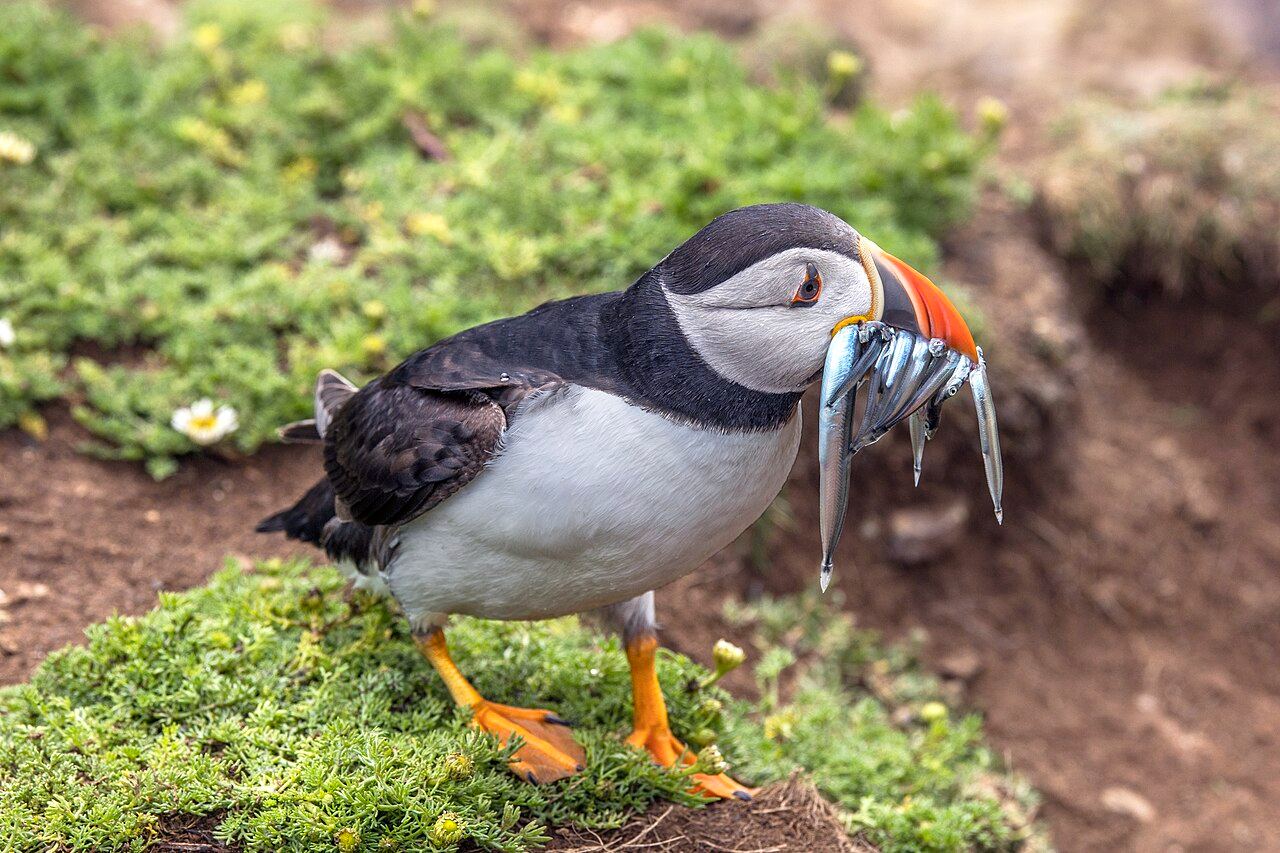
Fratercula arctica
Summer visitorLucky
Only a few pairs nest at St Bees Head among thousands of other auks, so scan the guillemot ledges and the sea below the North Head viewpoints from May to early July, ideally with a telescope. Do not expect Farne Islands numbers.
Where: RSPB St Bees Head
Puffins are on the UK Red List after 23 per cent were lost in 20 years; sandeels are their staple food, and in 2024 the UK banned industrial sandeel fishing in the English North Sea and Scottish waters. Source ↗
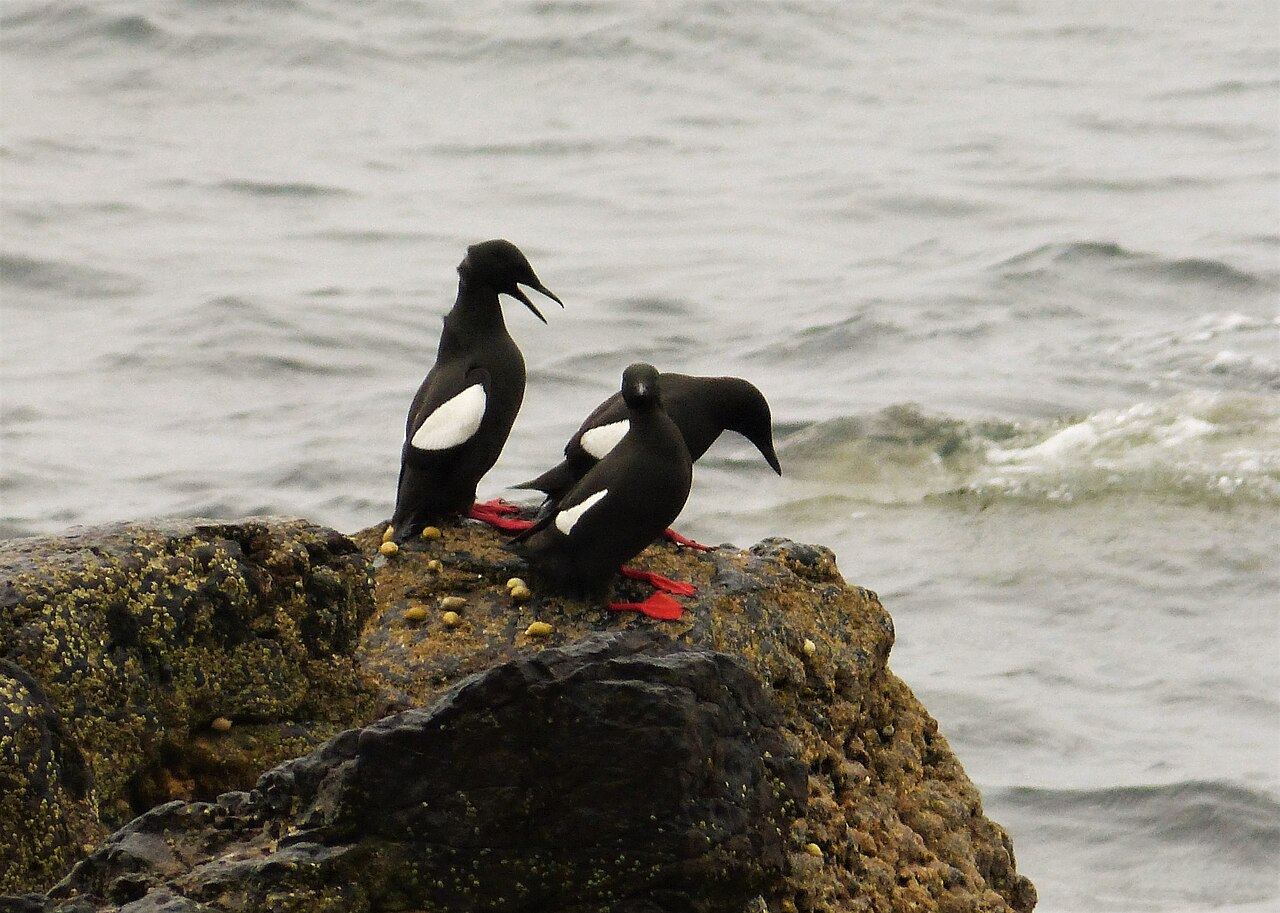
Cepphus grylle
ResidentFair chance
St Bees Head has the only breeding black guillemots in England. Look on the sea close under the cliffs from the North Head viewing platforms for a small all-dark auk with white wing patches and bright red feet.
Where: RSPB St Bees Head
The RSPB describes a small population on the Cumbrian coast at St Bees Head, well outside the species' main range in Shetland, Orkney and the west coast of Scotland. Source ↗
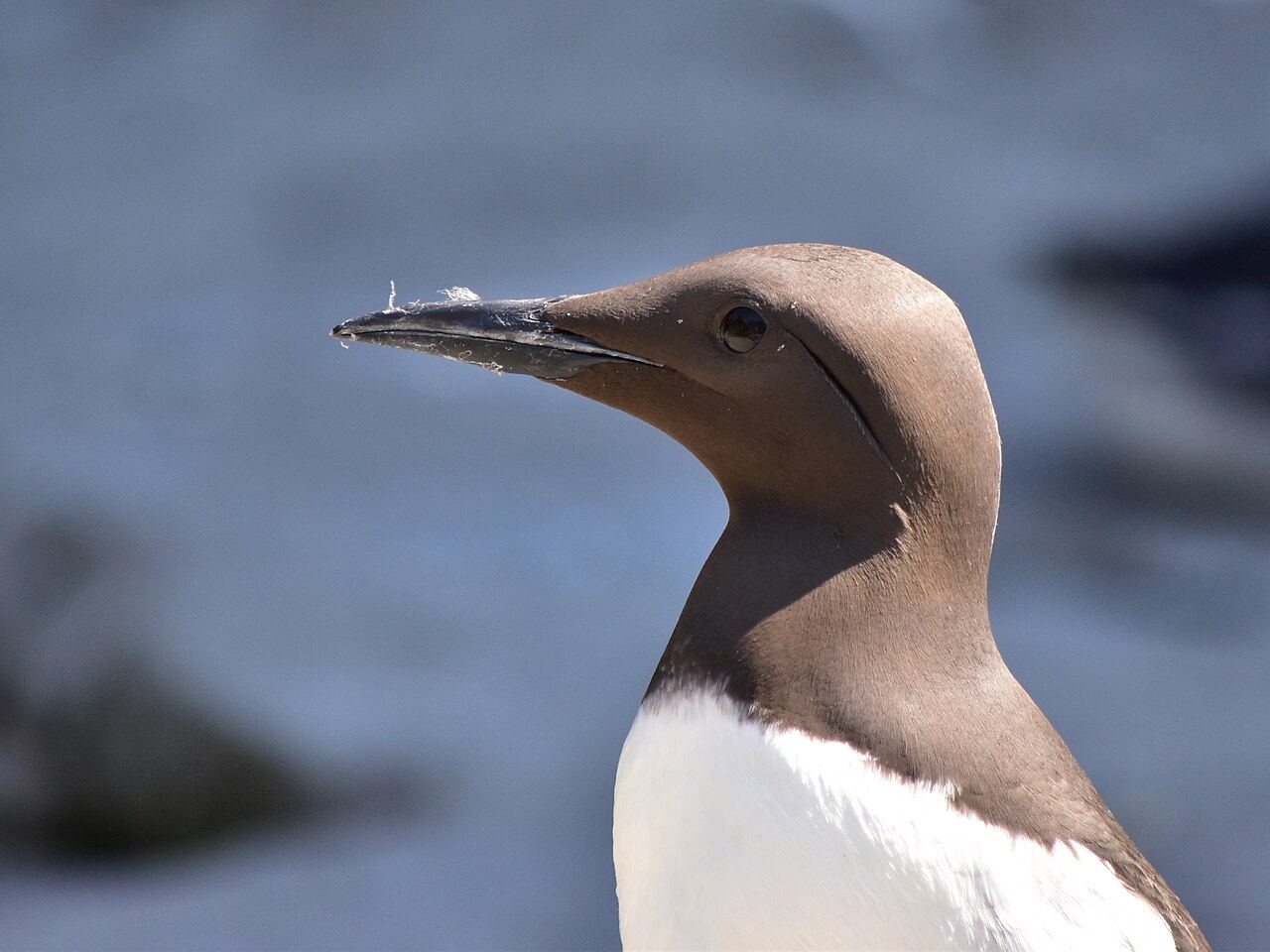
Uria aalge
Summer visitorEasy
Thousands pack the ledges of St Bees Head from April to early July, and the three viewing platforms on the North Head look straight onto them. Mornings give the best light on the cliffs.
Where: RSPB St Bees Head
Guillemots come to land only to nest and spend the rest of their lives at sea, where they are vulnerable to oil spills. Source ↗
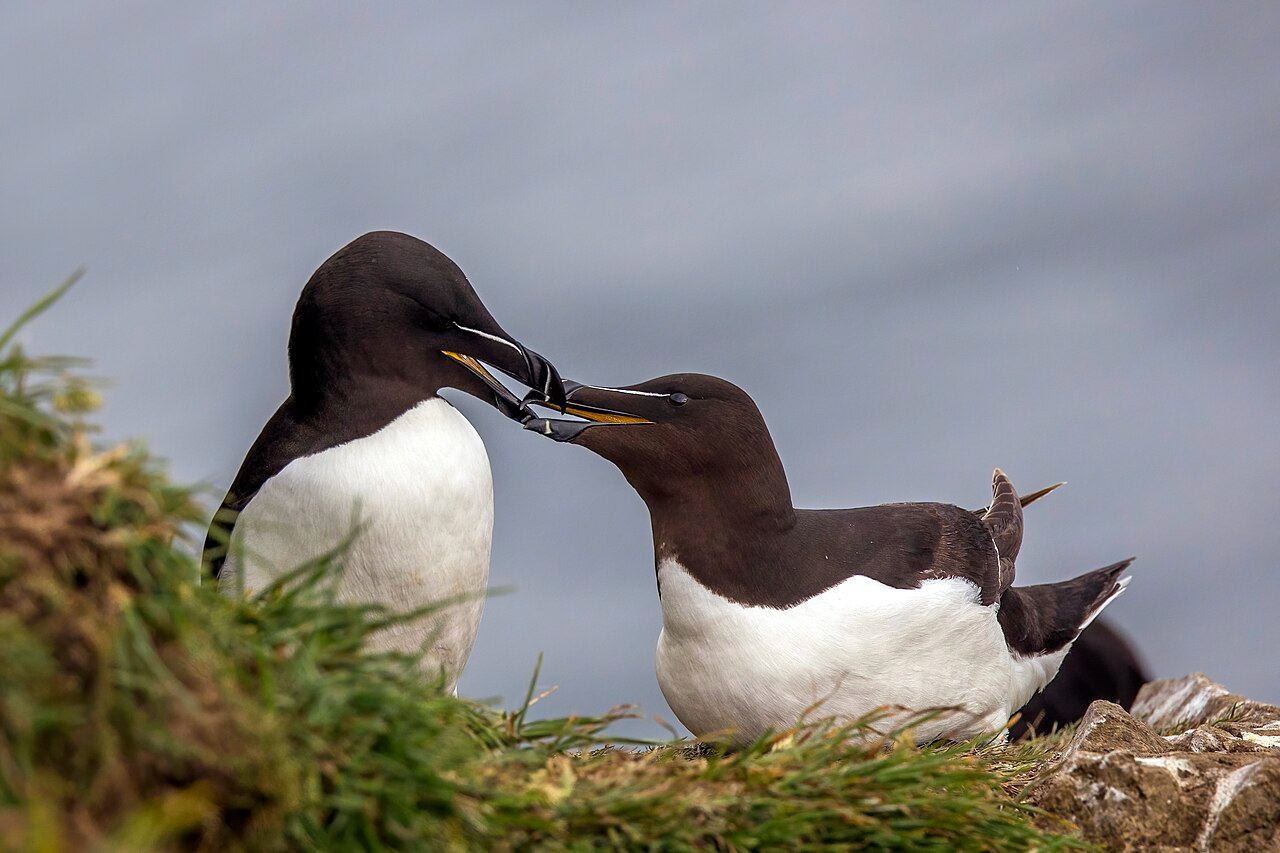
Alca torda
Summer visitorEasy
Look among the guillemots on the St Bees ledges for the blacker bird with a deep, blunt bill; razorbills tend to sit in crevices and pairs rather than tight rows.
Where: RSPB St Bees Head
The RSPB separates it from the guillemot by its thick black beak that is deep and blunt, unlike the guillemot's thinner bill. Source ↗
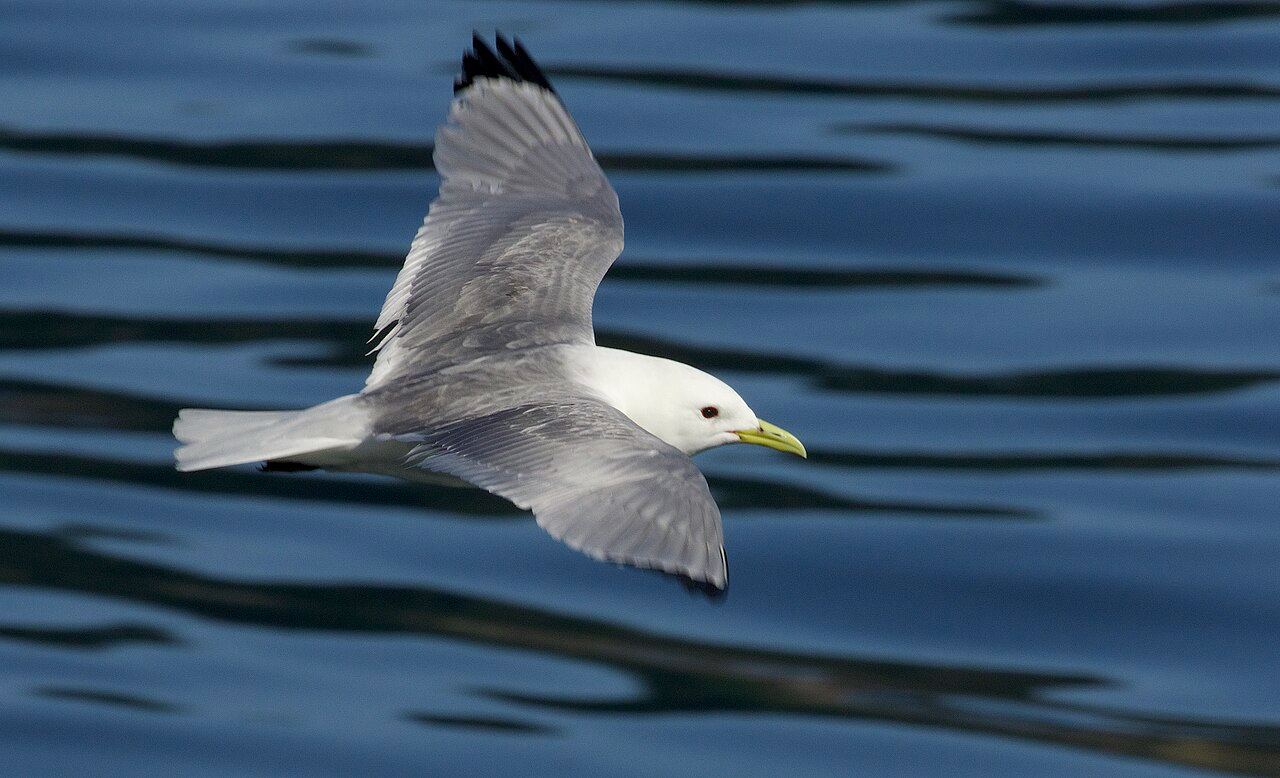
Rissa tridactyla
Summer visitorEasy
The noisiest bird on the St Bees cliffs, calling its own name from mud nests on the ledges. The RSPB says you are most likely to see them between February and August before they head out to sea for winter.
Where: RSPB St Bees Head
Kittiwakes are Red listed in the UK after serious declines; the River Tyne holds the most inland urban breeding colonies in the world. Source ↗
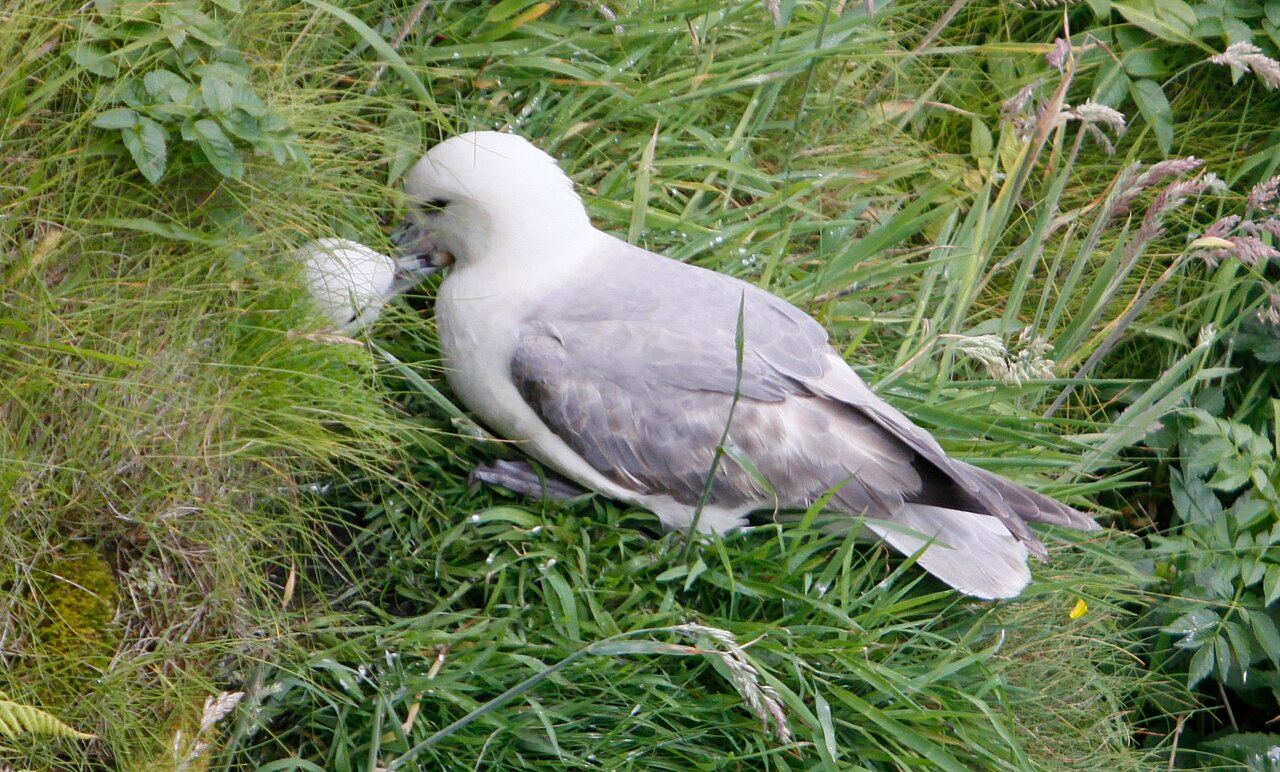
Fulmarus glacialis
Summer visitorEasy
Watch for the stiff-winged glider patrolling the St Bees cliff face; fulmars sit on grassy ledges rather than the bare rock used by auks, and the young leap from the nests in July.
Where: RSPB St Bees Head
Related to the albatrosses, fulmars spit a foul-smelling oil at any intruder at the nest, and North Atlantic numbers have expanded over the last 250 years. Source ↗
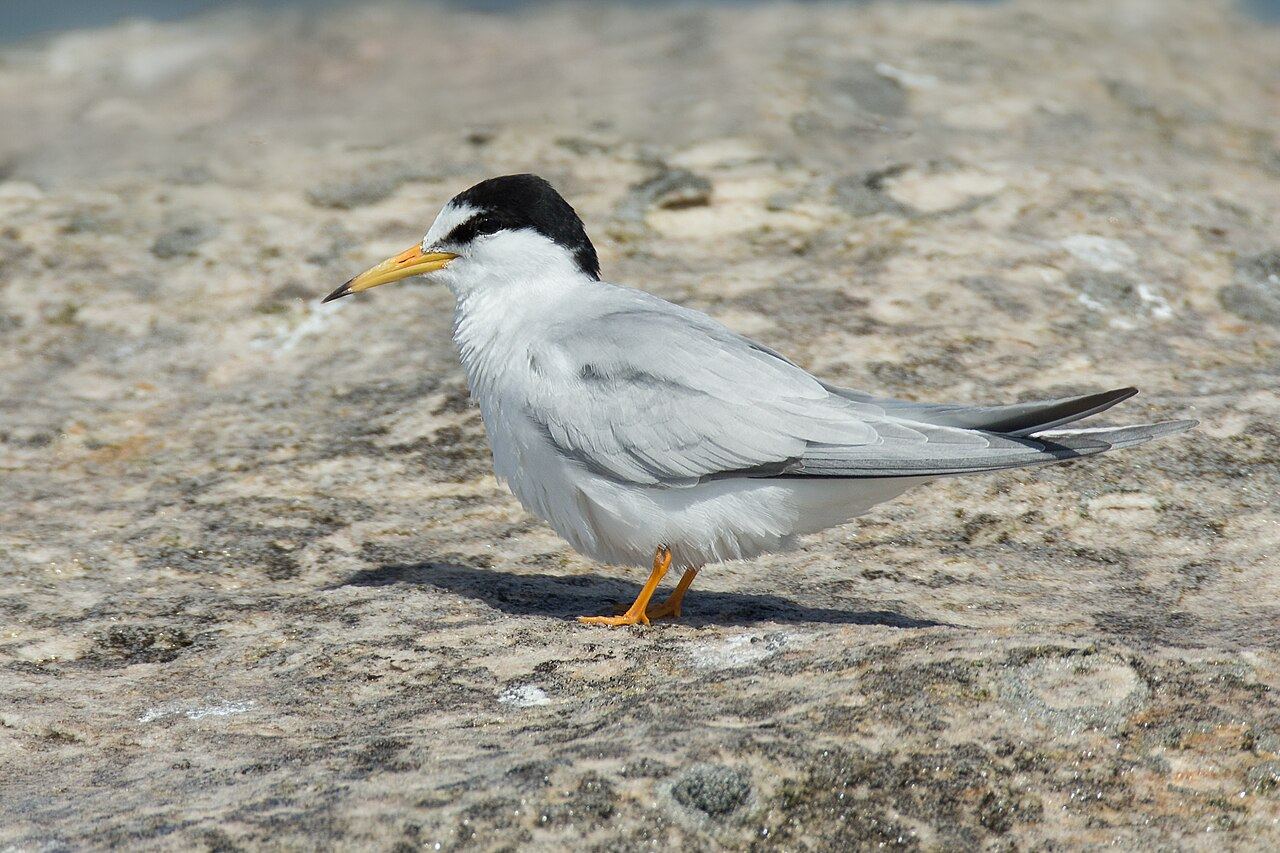
Sternula albifrons
Summer visitorFair chance
The island in the Hodbarrow lagoon holds a colony of little, common and Sandwich terns. The RSPB says visit from May to July and watch from the sea wall hide as birds commute to and from the Duddon estuary at close range.
Where: RSPB Hodbarrow
The UK's smallest tern; in courtship the male calls and carries a fish, the female chases him high, and he glides down with his wings held in a V. Source ↗
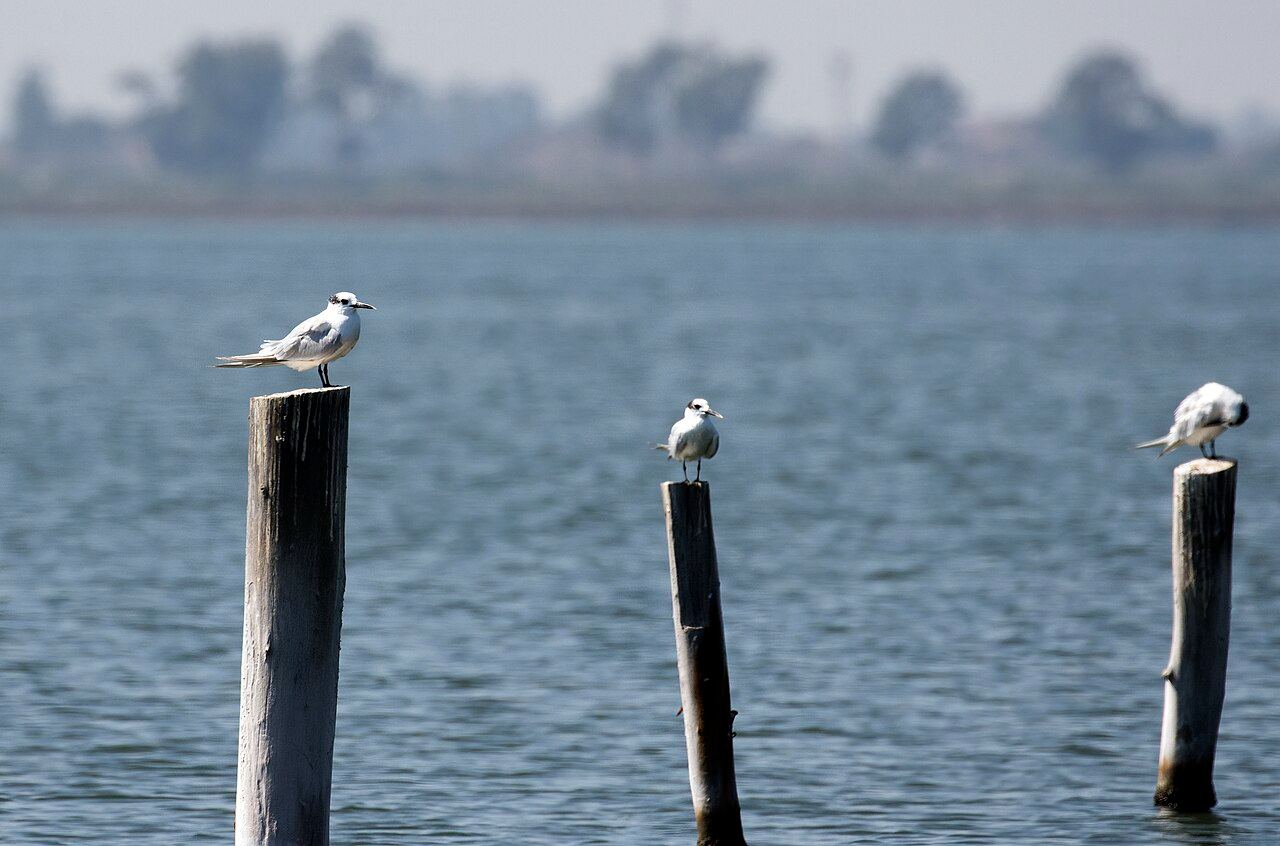
Thalasseus sandvicensis
Summer visitorFair chance
Pick out the largest tern at Hodbarrow by its black bill with a yellow tip and grating call; birds also fish the Walney channels and Duddon mouth through the summer.
Where: RSPB Hodbarrow, South Walney Nature Reserve and Walney Bird Observatory
The RSPB notes that in the UK many of the important Sandwich tern colonies survive because they are on nature reserves. Source ↗
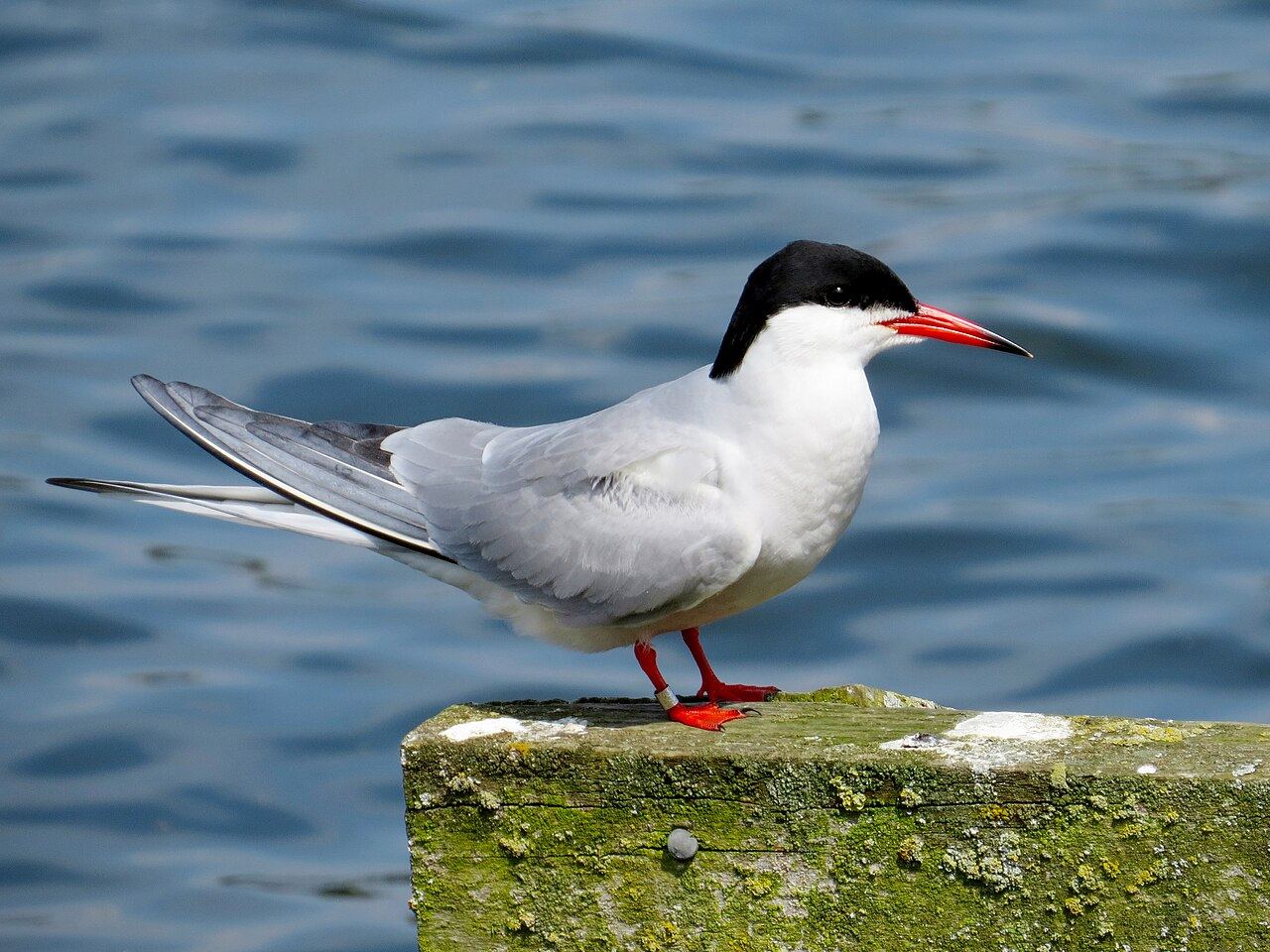
Sterna hirundo
Summer visitorFair chance
Hodbarrow's island is the reliable colony; watch birds hover and plunge for fish over the lagoon. Single birds fish the inner Solway off Bowness and Port Carlisle in summer.
Where: RSPB Hodbarrow, Bowness-on-Solway shore and Port Carlisle
Long tails earned it the nickname sea swallow, and it is the tern species most often found inland. Source ↗
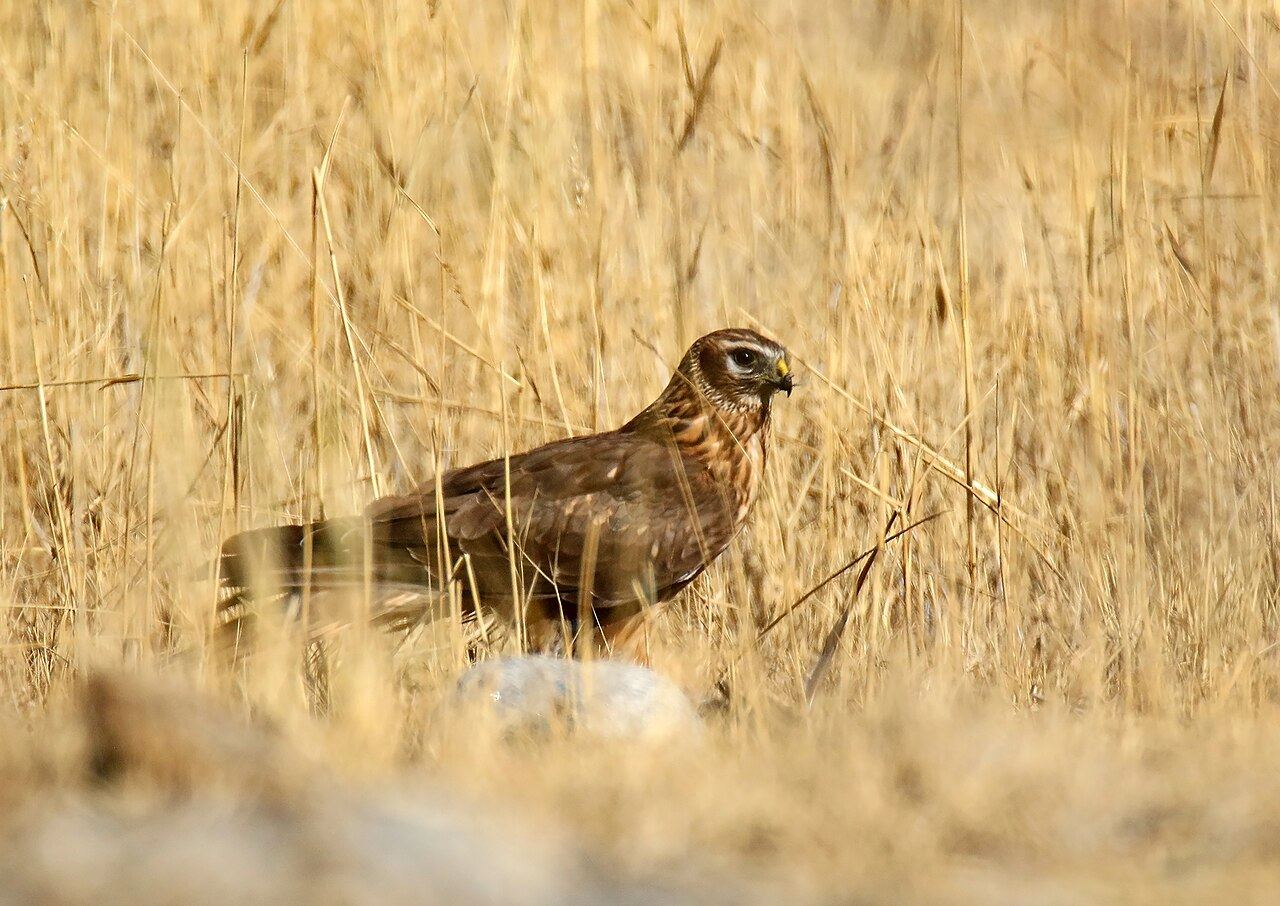
Circus cyaneus
ResidentLucky
RSPB Geltsdale is one of a handful of English nesting sites and in 2026 had its best season in over a century, with 13 chicks from three nests; watch the skyline in April and May for the male's sky dance. In winter look for a grey male or brown ringtail hunting low over Solway mosses, Foulshaw bog and the Drigg dunes.
Where: RSPB Geltsdale, Foulshaw Moss, Drigg dunes and the Ravenglass estuary, Grune Point and Skinburness Marsh
The RSPB calls the hen harrier the most intensely persecuted of all the UK's birds of prey, with only a handful of pairs still nesting in England. Source ↗
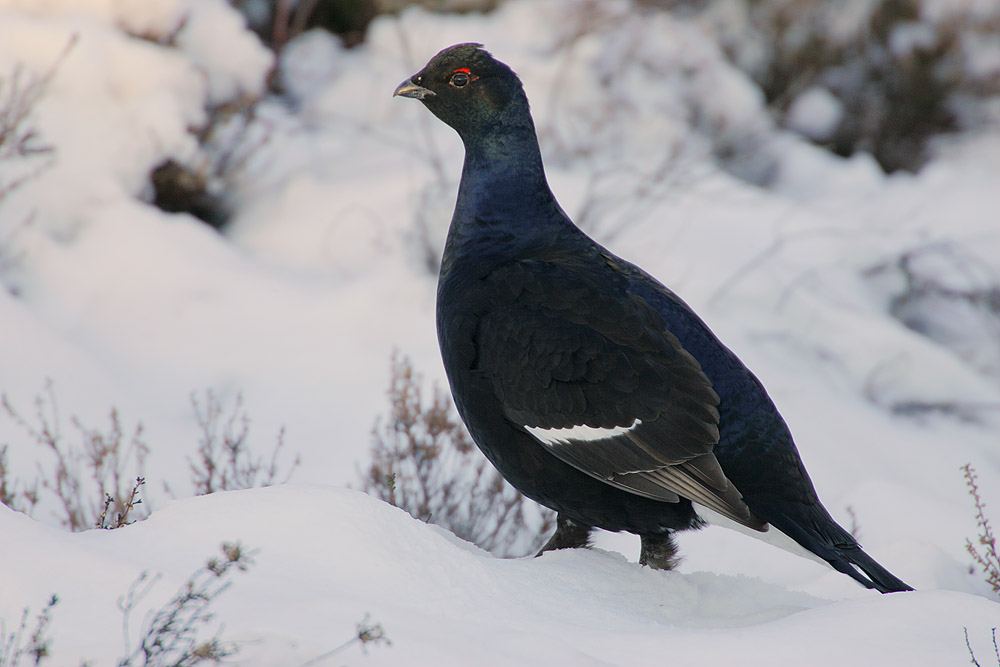
Tetrao tetrix
ResidentLucky
Geltsdale, on the Cumbrian edge of the North Pennines, is the county's stronghold; the RSPB North Cumbria group mentions lekking birds in spring and Cumbria Wildlife Trust says they can be seen there in autumn, winter and early spring. Scan rushy fields and moor edges from the tracks at first light and never approach a lek.
Where: RSPB Geltsdale
Displaying males fan their long, curling tail feathers to show the white under-tail, and have a red wattle over the eye. Source ↗
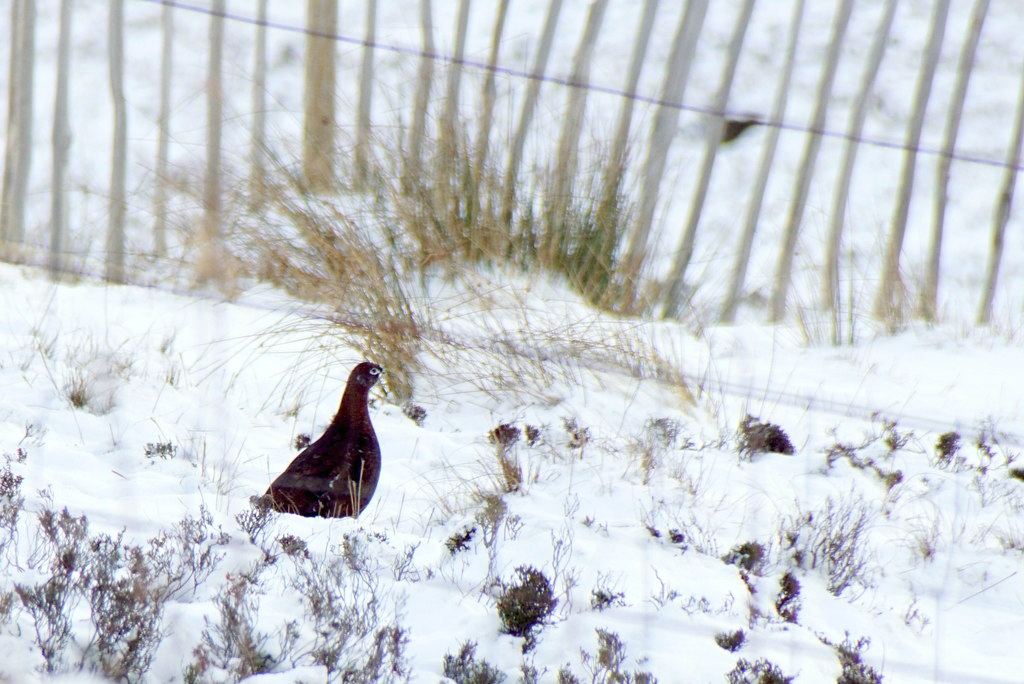
Lagopus lagopus
ResidentFair chance
Heather moorland on the Pennine side of the county, including the higher ground at Geltsdale; birds burst from the heather at your feet with a whirring flight and a cackling call. Present all year.
Where: RSPB Geltsdale
Red grouse are resident all year round and travel very little in their lives. Source ↗
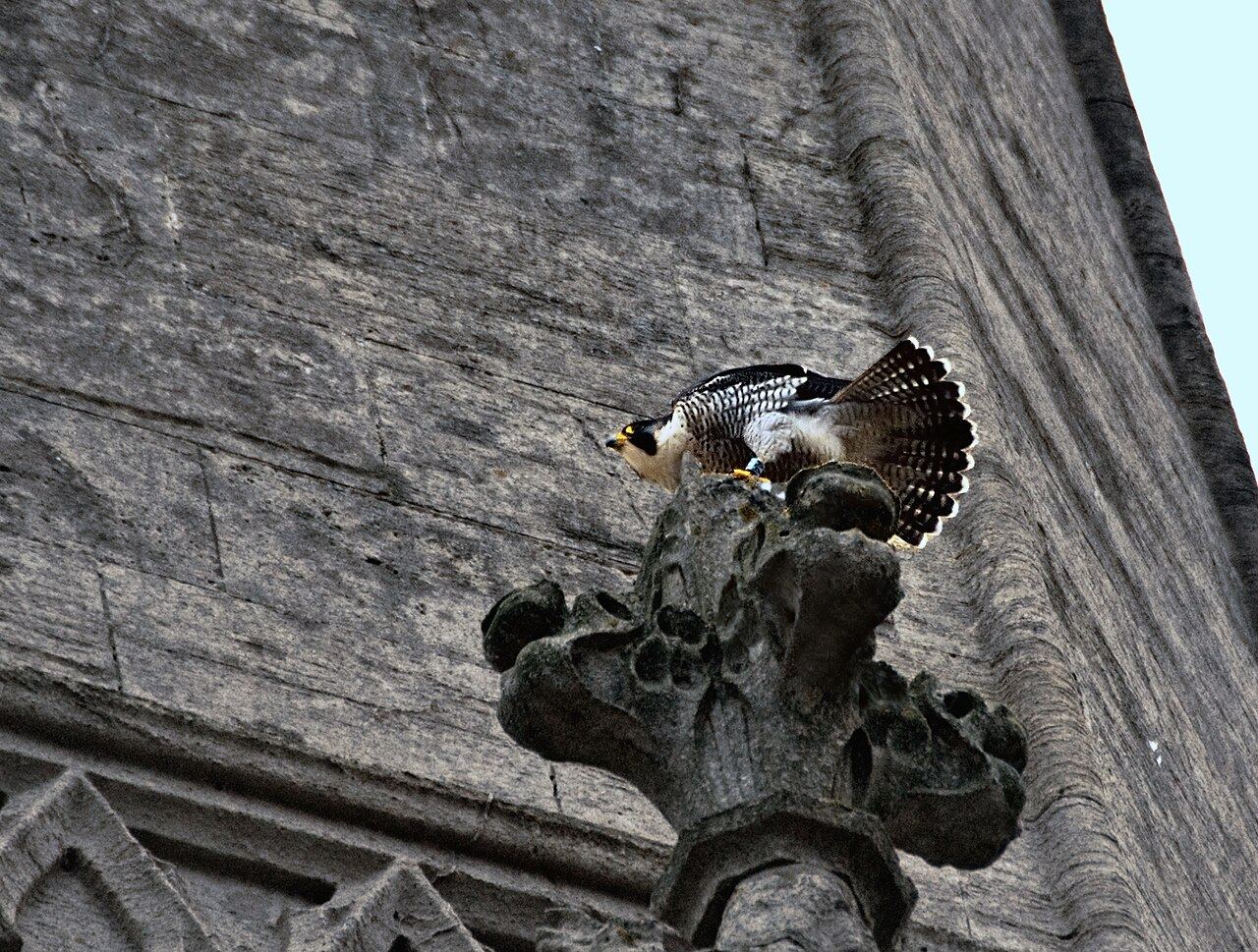
Falco peregrinus
ResidentFair chance
Crags and sea cliffs across the county: peregrines breed on Humphrey Head most years and on the St Bees cliffs, and in winter they hunt the wader roosts of the Solway and Morecambe Bay, so watch the panic when a flock lifts.
Where: RSPB St Bees Head, Humphrey Head, RSPB Haweswater, Wasdale and Wast Water, Borrowdale oakwoods and Derwentwater
The fastest animal on the planet, reaching around 200 miles per hour in a stoop, with a third eyelid that works as built-in goggles. Source ↗
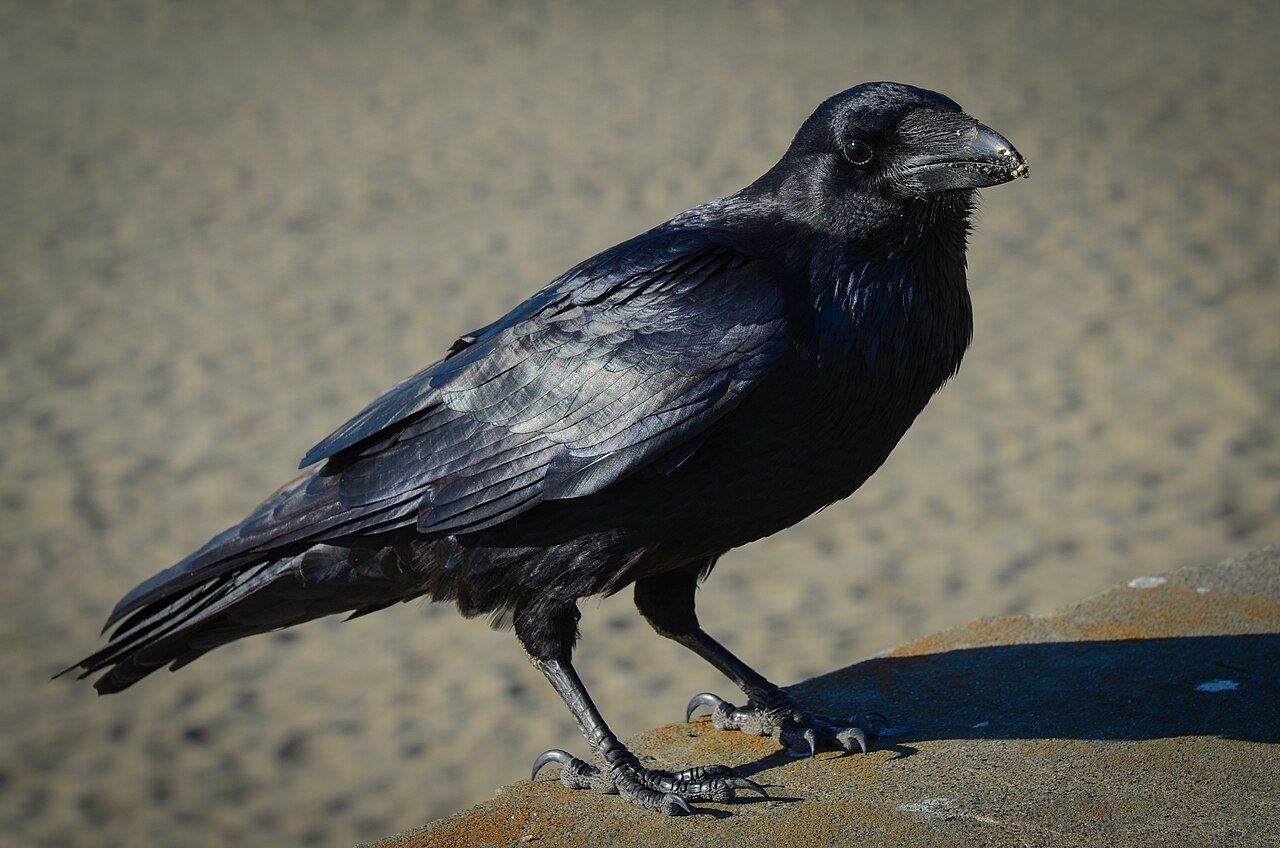
Corvus corax
ResidentEasy
Listen for the deep cronk over any Lakeland crag. Ravens nest early, so late winter and early spring show pairs tumbling and rolling over the fells; the National Trust notes them calling on the Borrowdale crags in winter.
Where: RSPB Haweswater, Wasdale and Wast Water, Borrowdale oakwoods and Derwentwater, RSPB St Bees Head, Smardale Gill
The biggest member of the crow family and, in the RSPB's words, one of the smartest animals on the planet; ravens will flip upside down in flight, possibly just for fun. Source ↗
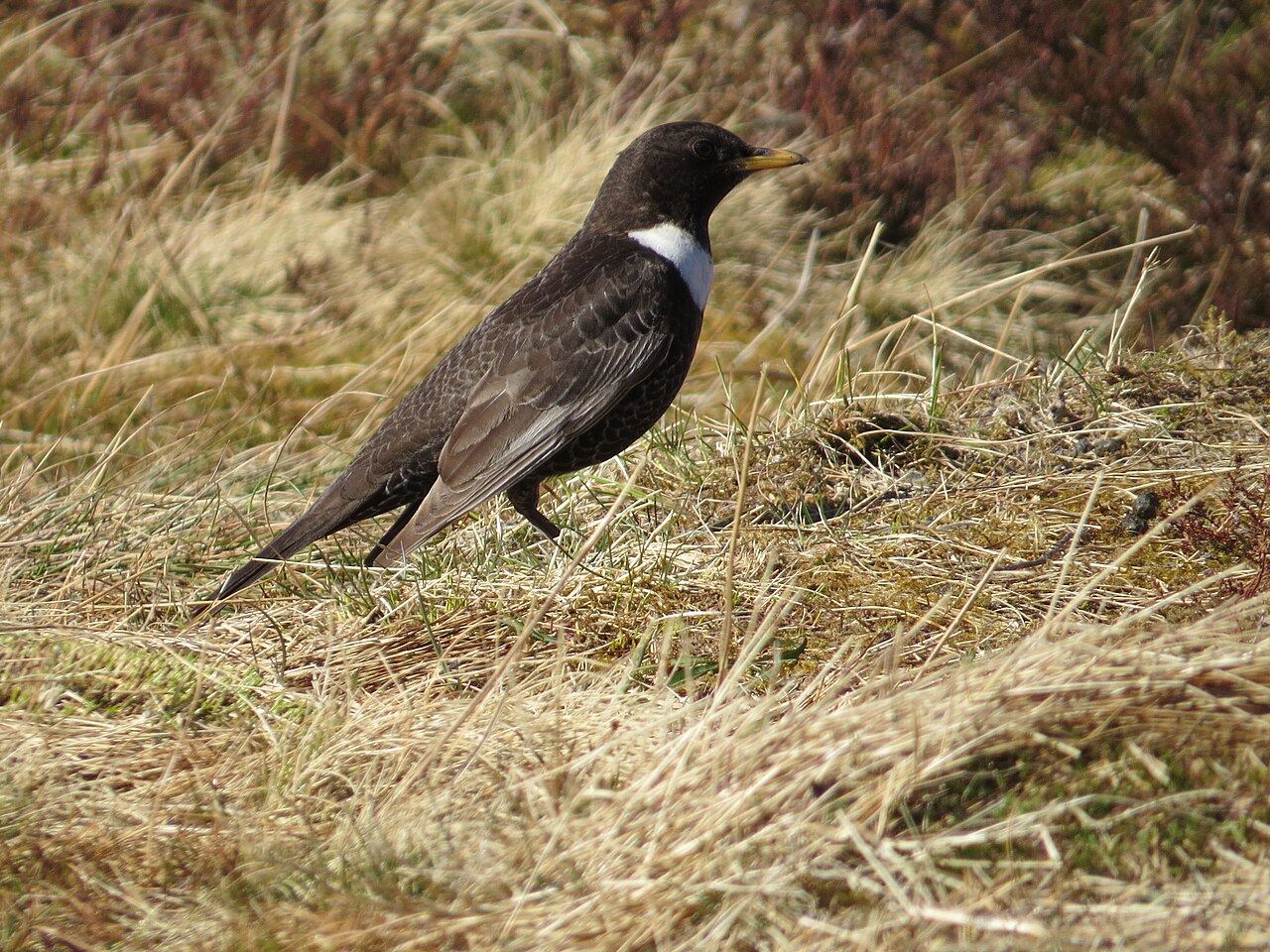
Turdus torquatus
Summer visitorFair chance
Steep gullies, screes and crags: Riggindale at Haweswater and the Wasdale Screes are classic places, and May is best. Listen for the ringing call and look for a blackbird with a white crescent on the chest.
Where: RSPB Haweswater, RSPB Geltsdale, Wasdale and Wast Water, Ennerdale and Wild Ennerdale
Nicknamed the mountain blackbird, it arrives from Africa in late March and flies back in September; it is on the UK Red List. Source ↗
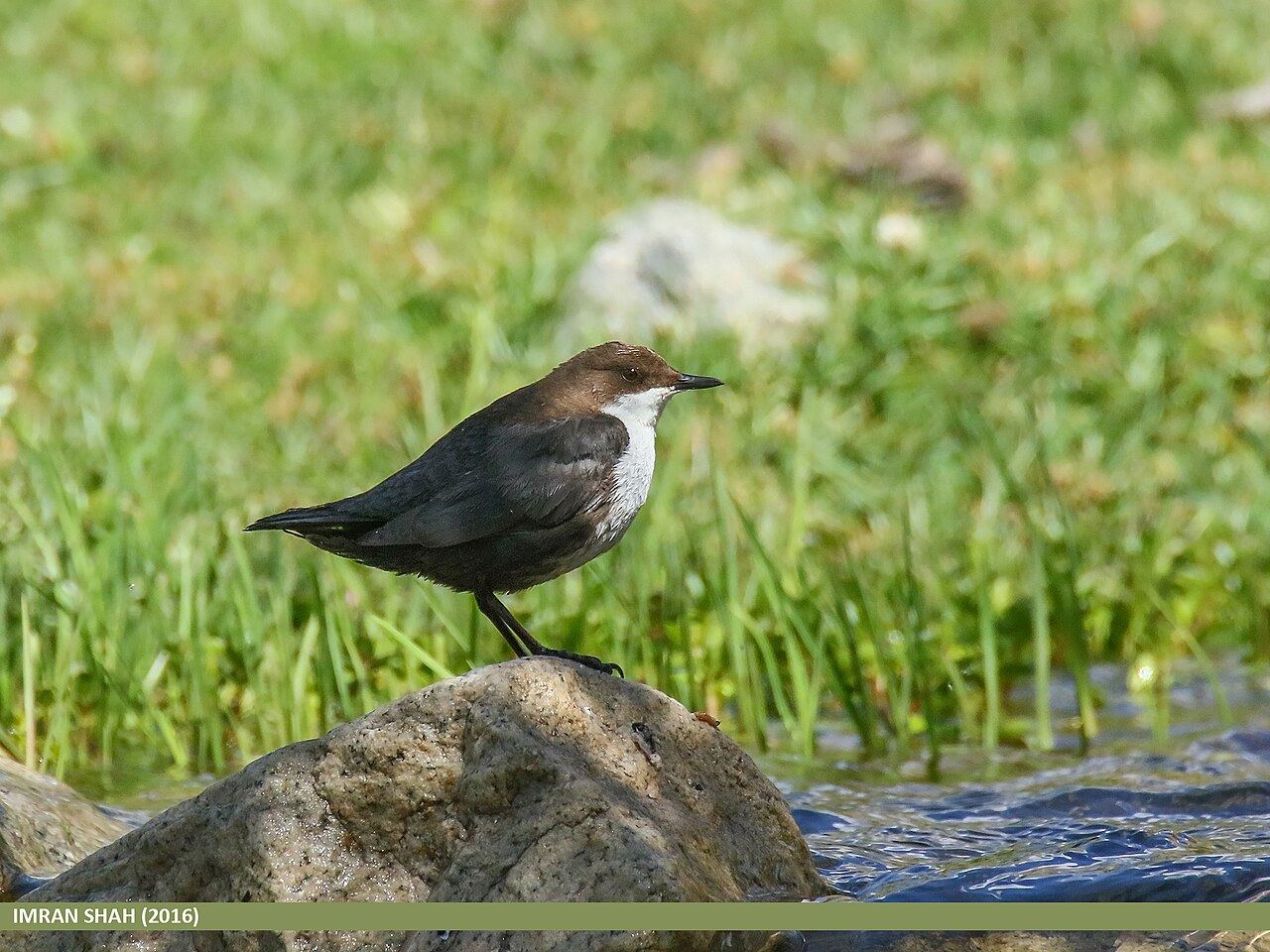
Cinclus cinclus
ResidentEasy
Any fast, stony beck. Watch from a bridge for the dumpy bird with the white bib bobbing on a mid-stream rock, then follow it as it walks under the water; present all year and singing on frosty winter mornings.
Where: Wreay Woods, RSPB Haweswater, Borrowdale oakwoods and Derwentwater, Ennerdale and Wild Ennerdale, Smardale Gill
The UK's only aquatic songbird; the name comes from its bobbing action on land, not from diving. Source ↗
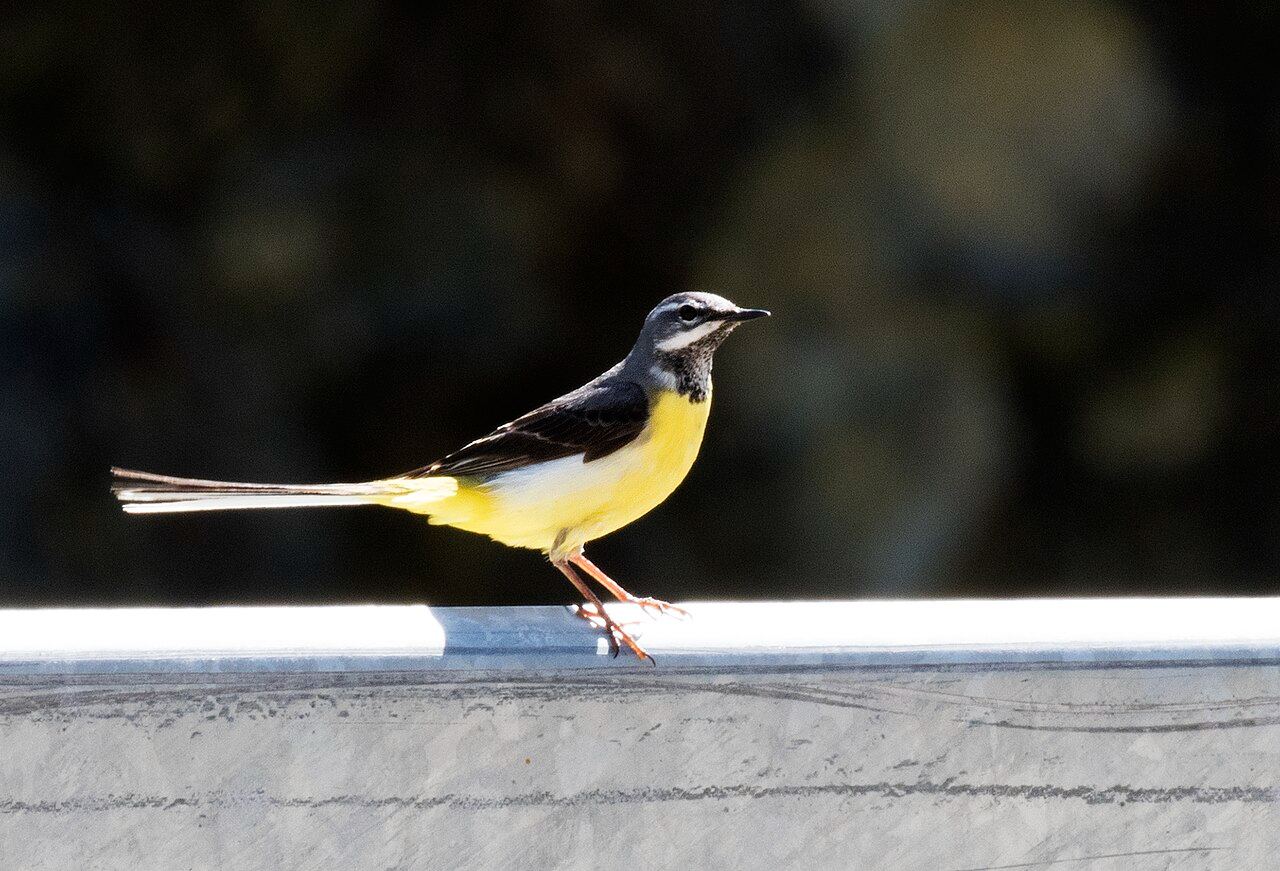
Motacilla cinerea
ResidentEasy
Shares the dipper's becks, weirs and bridges; look for the very long tail and lemon-yellow under-tail as it flits between waterside rocks.
Where: Wreay Woods, Borrowdale oakwoods and Derwentwater, Smardale Gill, Ennerdale and Wild Ennerdale
Its tail is noticeably longer than those of the pied and yellow wagtails, and the species has spread from the northern and western uplands into the English lowlands over the past 150 years. Source ↗
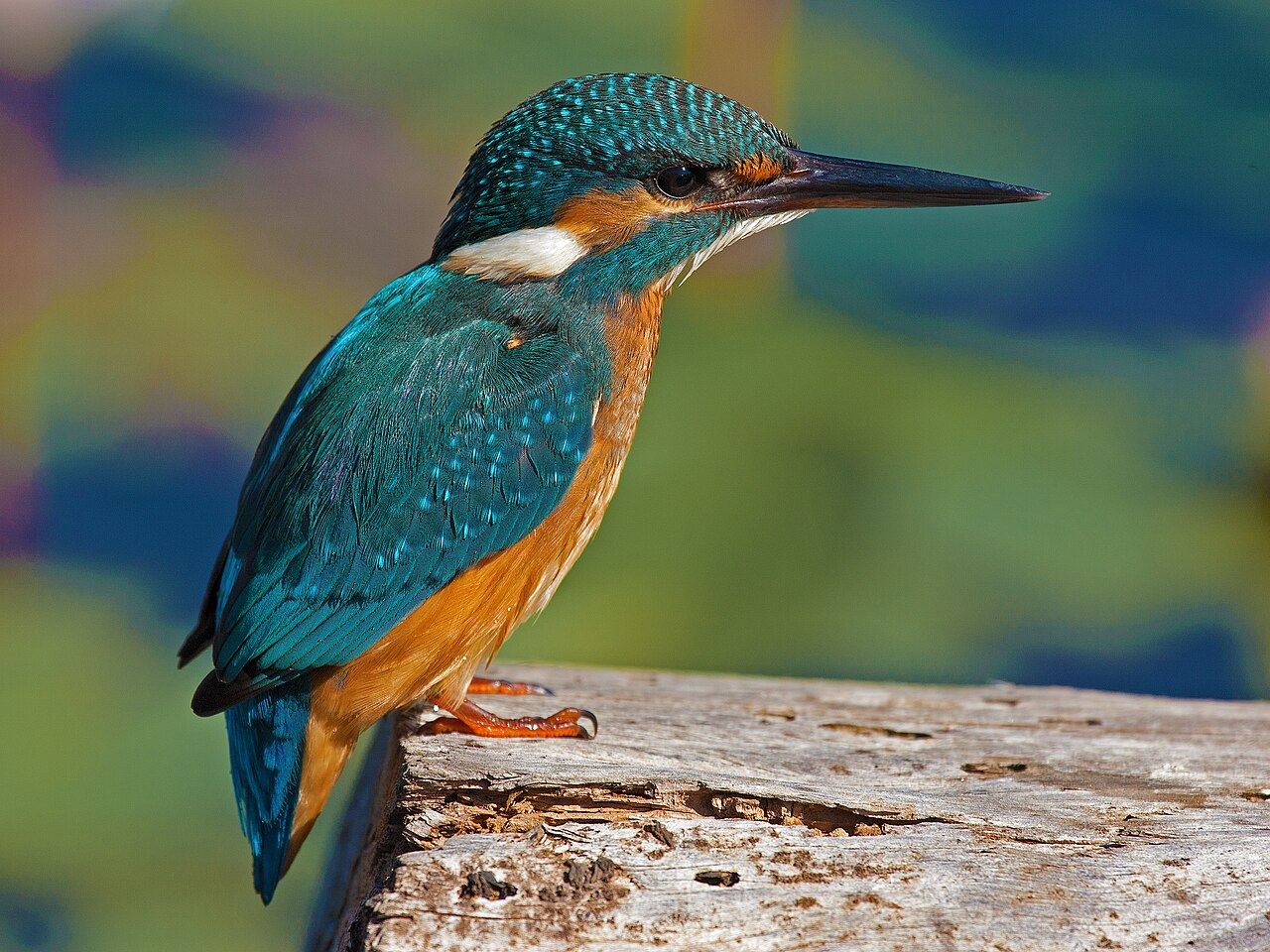
Alcedo atthis
ResidentFair chance
Slow, tree-lined water: the River Petteril at Wreay Woods and the reedy margins of Bassenthwaite Lake are listed sites. Listen for the piercing whistle and watch for a blue flash low over the water; a quiet wait on a bridge works better than walking.
Where: Wreay Woods, Bassenthwaite Lake National Nature Reserve, Arnside and the Kent estuary, RSPB Leighton Moss (Lancashire)
A kingfisher's feathers contain no blue pigment; the colour comes from the way tiny structures in the feathers scatter light. Source ↗
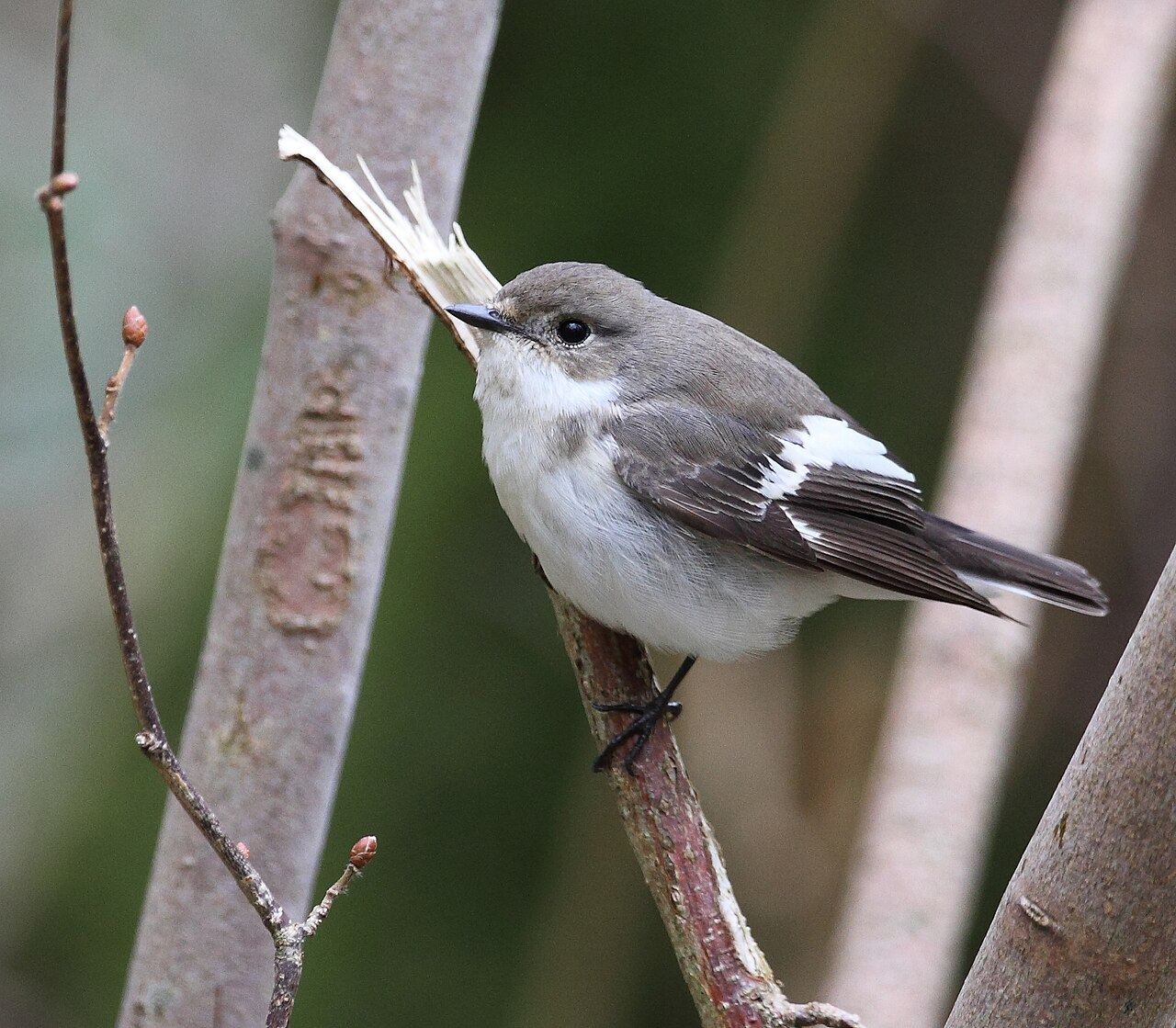
Ficedula hypoleuca
Summer visitorFair chance
Lakeland oakwoods, often around nest boxes: Great Wood and Johnny Wood in Borrowdale, the Naddle woods at Haweswater and Smardale Gill. Go early in the morning from late April to June while the males are singing.
Where: Borrowdale oakwoods and Derwentwater, RSPB Haweswater, Smardale Gill, Bassenthwaite Lake National Nature Reserve, RSPB Geltsdale
Males are black above and white below with a bold white wing patch; the species spends the winter in West Africa. Source ↗
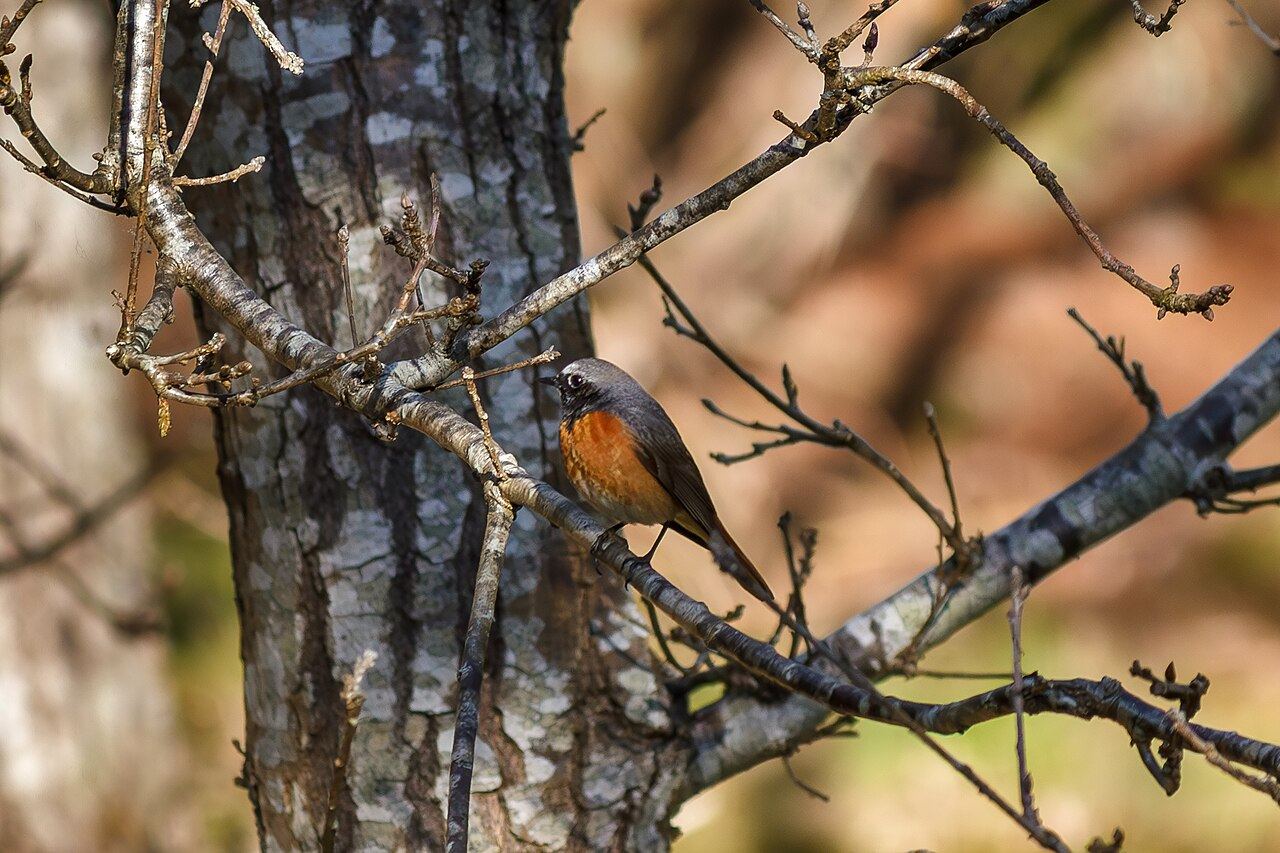
Phoenicurus phoenicurus
Summer visitorFair chance
Open oak and birch woods with old trees and stone walls, from late April. The quivering orange-red tail gives it away as it drops from a low perch to catch insects.
Where: Borrowdale oakwoods and Derwentwater, RSPB Haweswater, Smardale Gill, Dodd Wood and the Bassenthwaite ospreys, RSPB Geltsdale
Redstarts bob in a very robin-like manner but spend little time at ground level. Source ↗
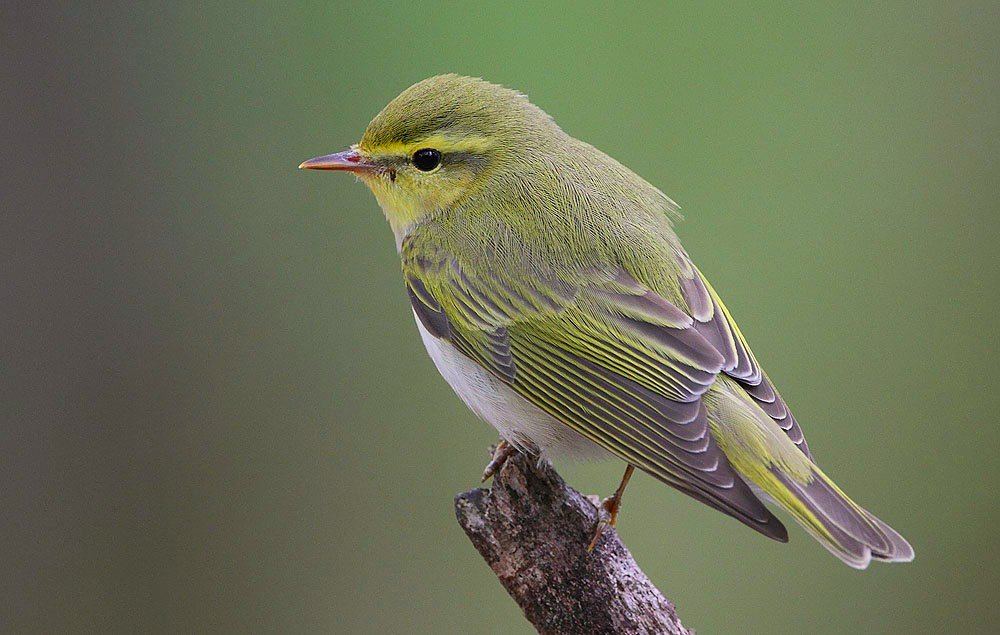
Phylloscopus sibilatrix
Summer visitorLucky
Sessile oakwoods with little undergrowth; find it by the accelerating spinning-coin trill from the canopy in May and June. The lakeside oaks at Bassenthwaite and the woods at Smardale are listed sites, but numbers are low.
Where: Bassenthwaite Lake National Nature Reserve, Smardale Gill, Grizedale Forest, RSPB Haweswater
Red listed and an RSPB priority species after steep declines since the 1990s; it can be seen in the UK between April and September. Source ↗
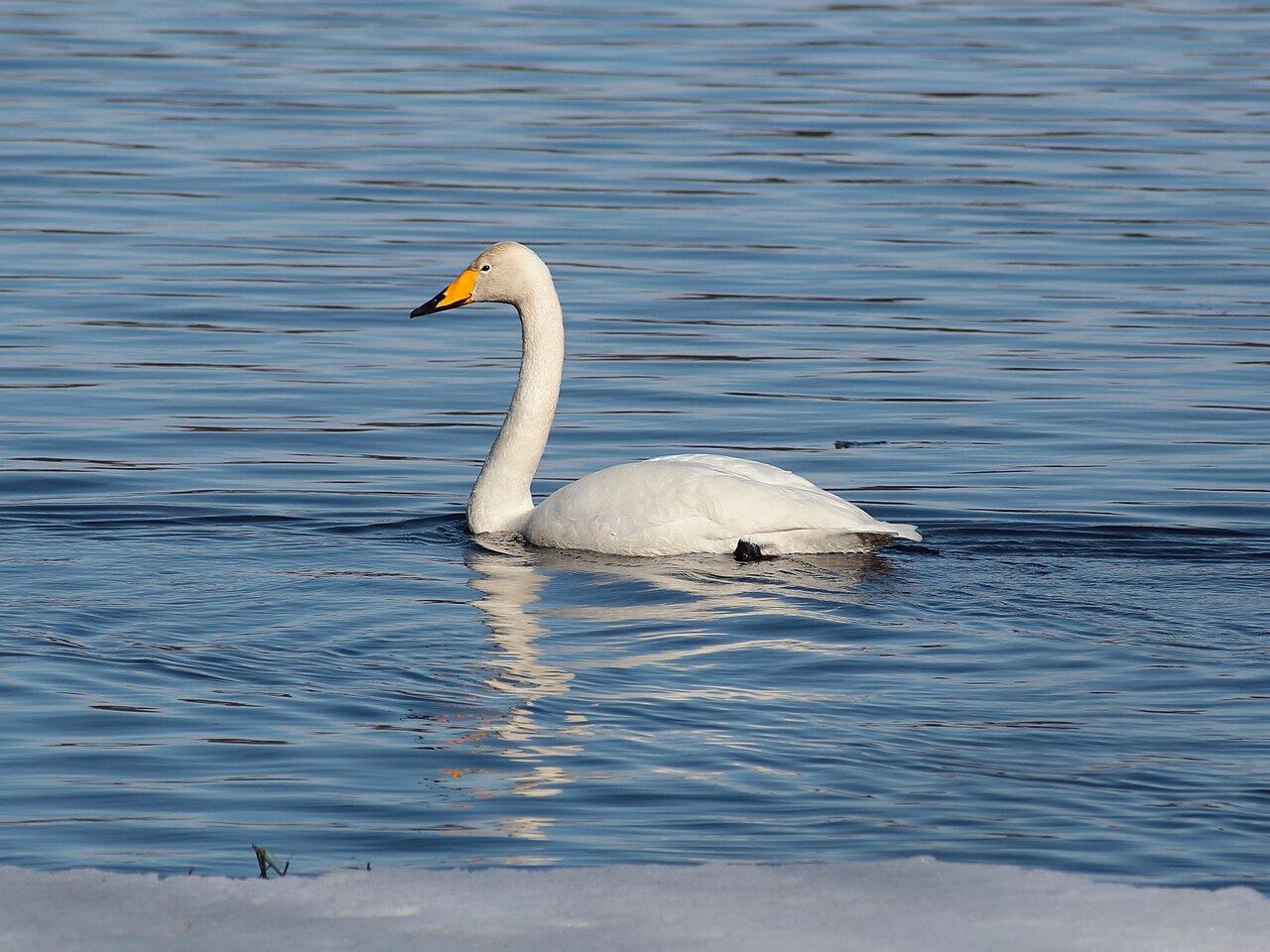
Cygnus cygnus
Winter visitorEasy
Moricambe Bay and the wet fields behind the Solway saltmarshes hold the county's main herds from early to mid October until April; check the fields from the Anthorn coast road lay-bys and Tindale Tarn on the Pennine edge. Listen for the bugling calls at dawn and dusk.
Where: Anthorn, Cardurnock and Moricambe Bay, RSPB Campfield Marsh, Grune Point and Skinburness Marsh, Tindale Tarn, Siddick Ponds, Rydal Water, Grasmere and Elterwater
Whoopers usually arrive in the UK in October and leave in March and April; an airline pilot once reported a flock of swans, thought to be whoopers, at about 8,000 metres. Source ↗
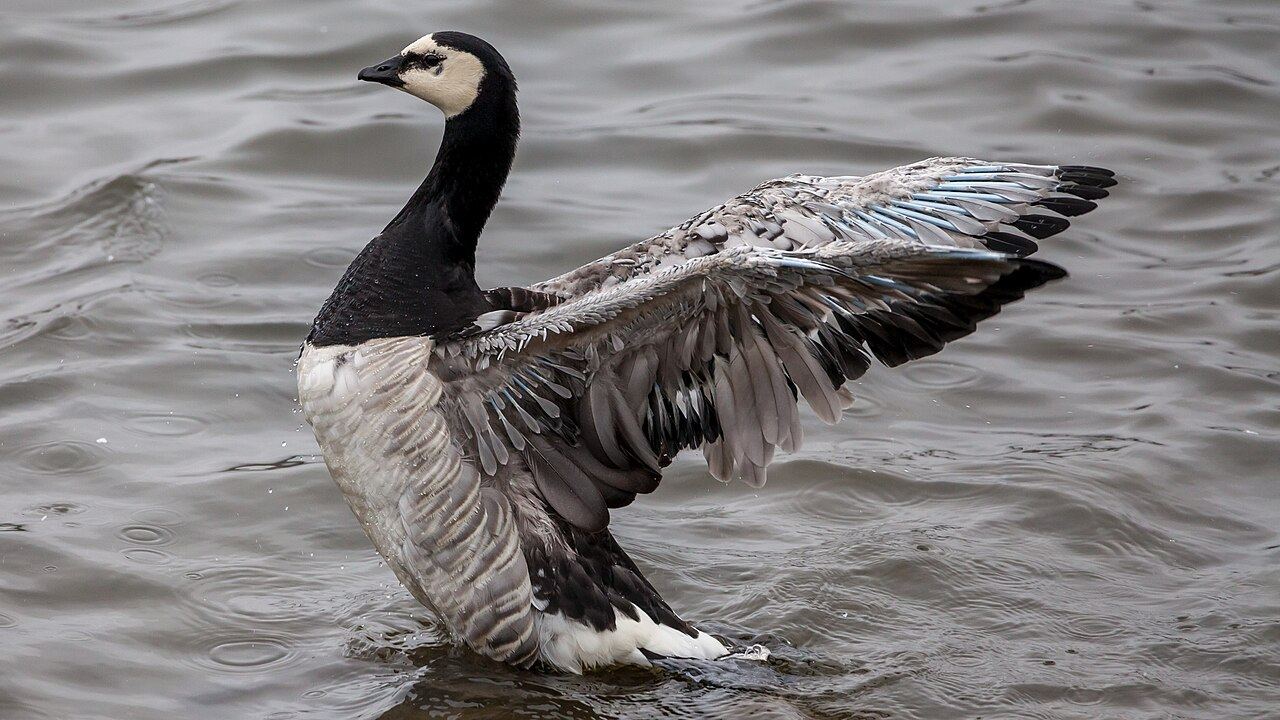
Branta leucopsis
Winter visitorEasy
The whole Svalbard population winters on the Solway. Cumbria Bird Club reports flocks of up to several thousand east of Drumburgh, and the birds move onto the Cumbrian marshes as winter goes on, so the Carlisle to Bowness road and Burgh Marsh are the easiest viewpoints from midwinter until they leave in late April or early May.
Where: Burgh Marsh and Drumburgh, RSPB Campfield Marsh, Bowness-on-Solway shore and Port Carlisle, Anthorn, Cardurnock and Moricambe Bay
About 30,000 Svalbard barnacle geese winter on the Solway according to Solway Wetlands; WeBS peak counts between 2011 and 2020 ranged from 25,076 to 47,000 (Solway Firth Partnership). Source ↗
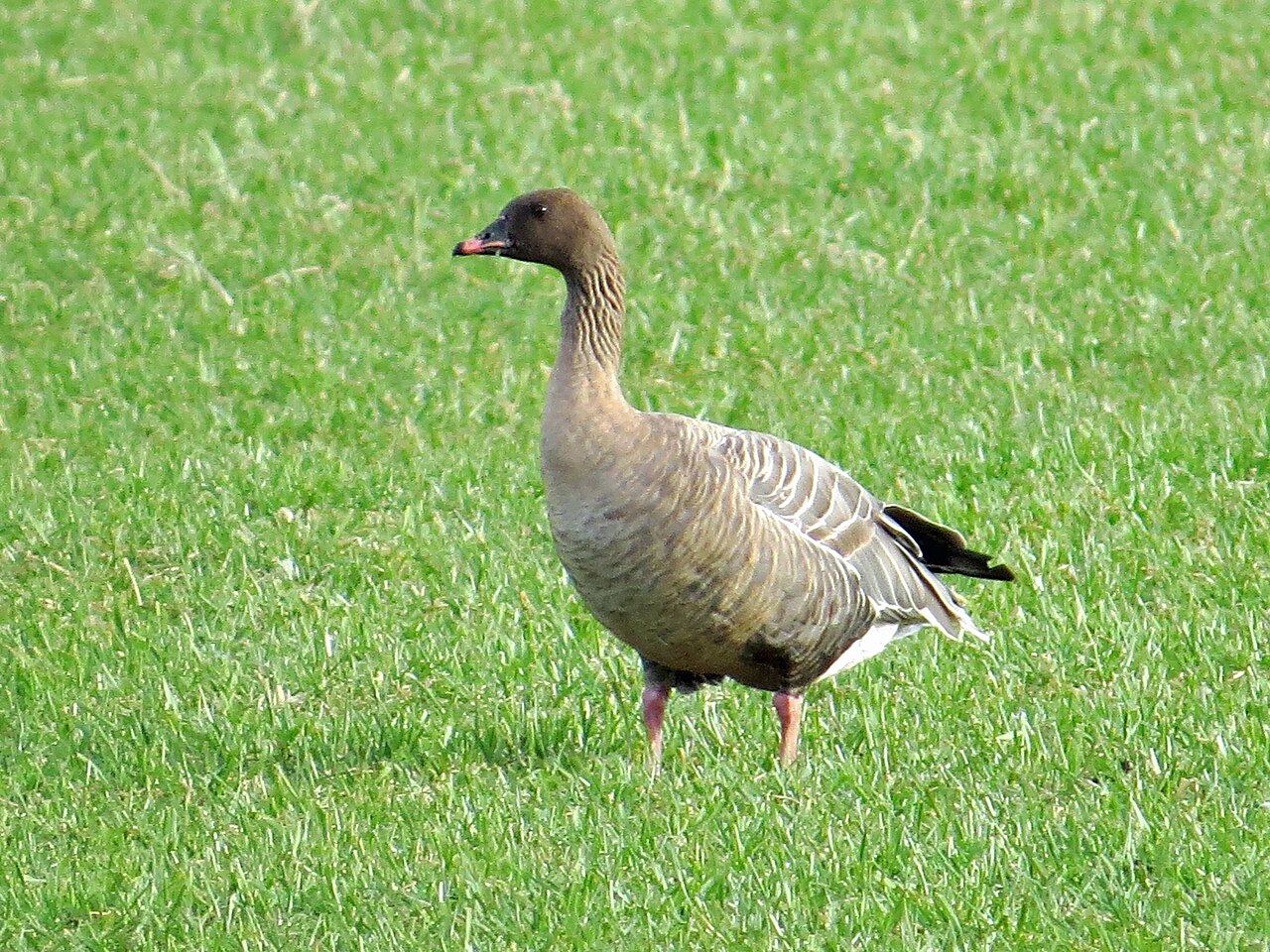
Anser brachyrhynchus
Winter visitorEasy
The first skeins reach the Solway in late September and early October. Listen for the high yelping over Campfield Marsh and Moricambe Bay at dawn and dusk as birds move between roost and feeding fields; smaller numbers use Morecambe Bay.
Where: RSPB Campfield Marsh, Anthorn, Cardurnock and Moricambe Bay, Burgh Marsh and Drumburgh, Humphrey Head, Arnside and the Kent estuary
Breeds in Iceland, Greenland and Spitsbergen and does not nest in the UK; the Solway peak count was 14,900 (Solway Firth Partnership). Source ↗
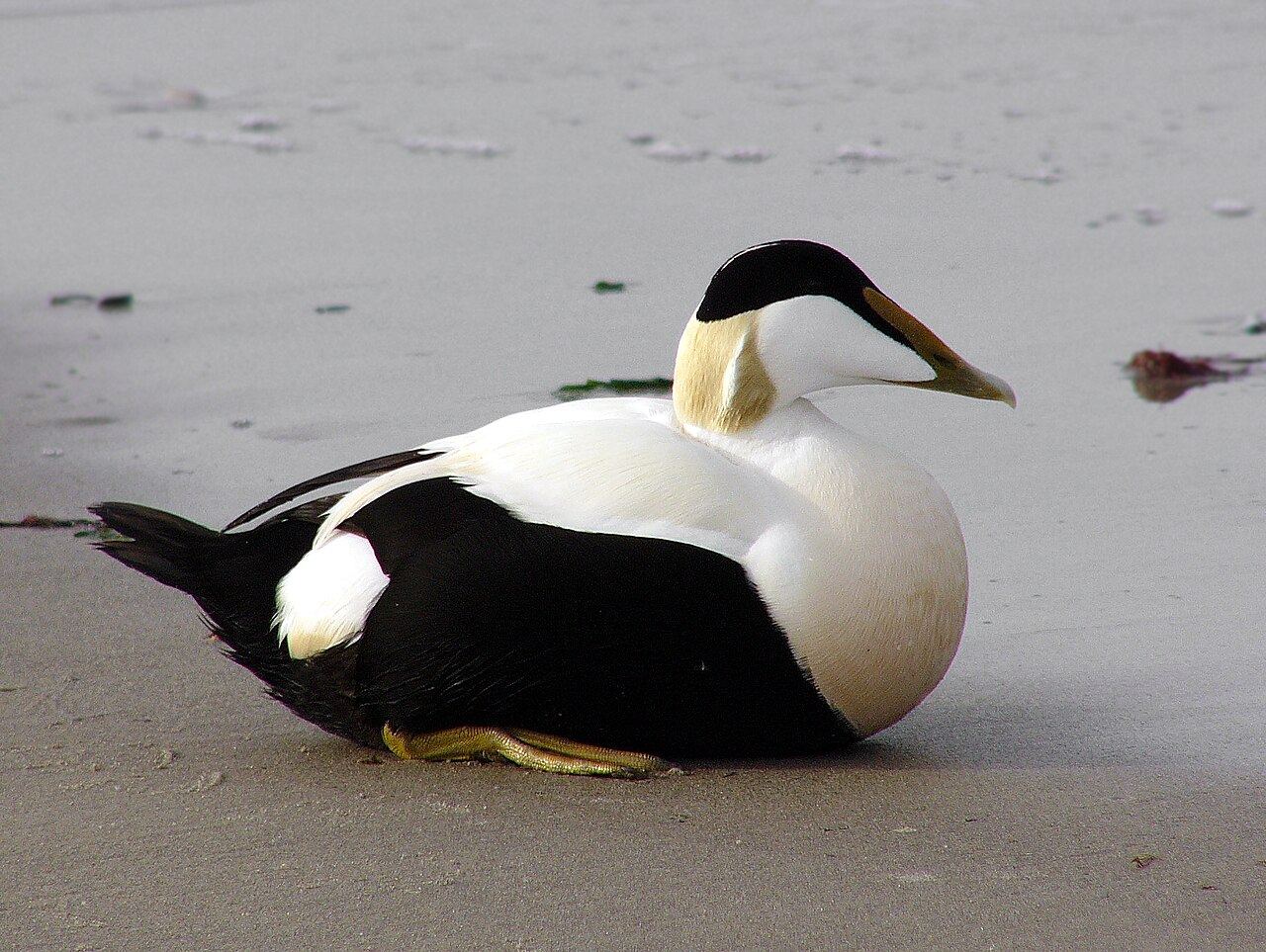
Somateria mollissima
ResidentEasy
South Walney is one of the southernmost places in Europe to see breeding eider. Drakes court with cooing calls in spring and flocks ride the swell off the spit all year; also on the Hodbarrow lagoon in winter.
Where: South Walney Nature Reserve and Walney Bird Observatory, RSPB Hodbarrow, Grune Point and Skinburness Marsh
The eider is the UK's heaviest and fastest flying duck, and its taste for coastal shellfish has brought it into conflict with mussel farmers. Source ↗
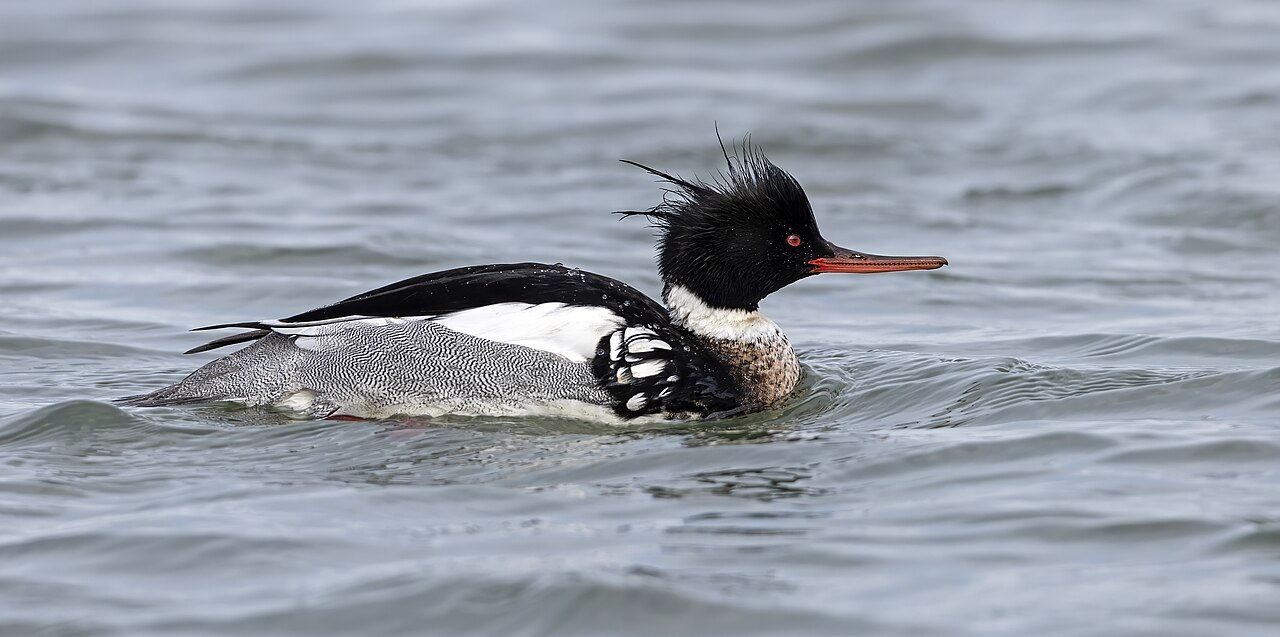
Mergus serrator
Winter visitorFair chance
Sheltered coastal water in winter: the Hodbarrow lagoon, Moricambe Bay off Grune Point and the Duddon estuary. The spiky crest and thin red bill separate it from the goosander, which prefers fresh water.
Where: RSPB Hodbarrow, Grune Point and Skinburness Marsh, Sandscale Haws National Nature Reserve, Bassenthwaite Lake National Nature Reserve
Sawbills are named for their serrated bills, used for catching fish; mergansers are sociable and form flocks of several hundred in autumn. Source ↗
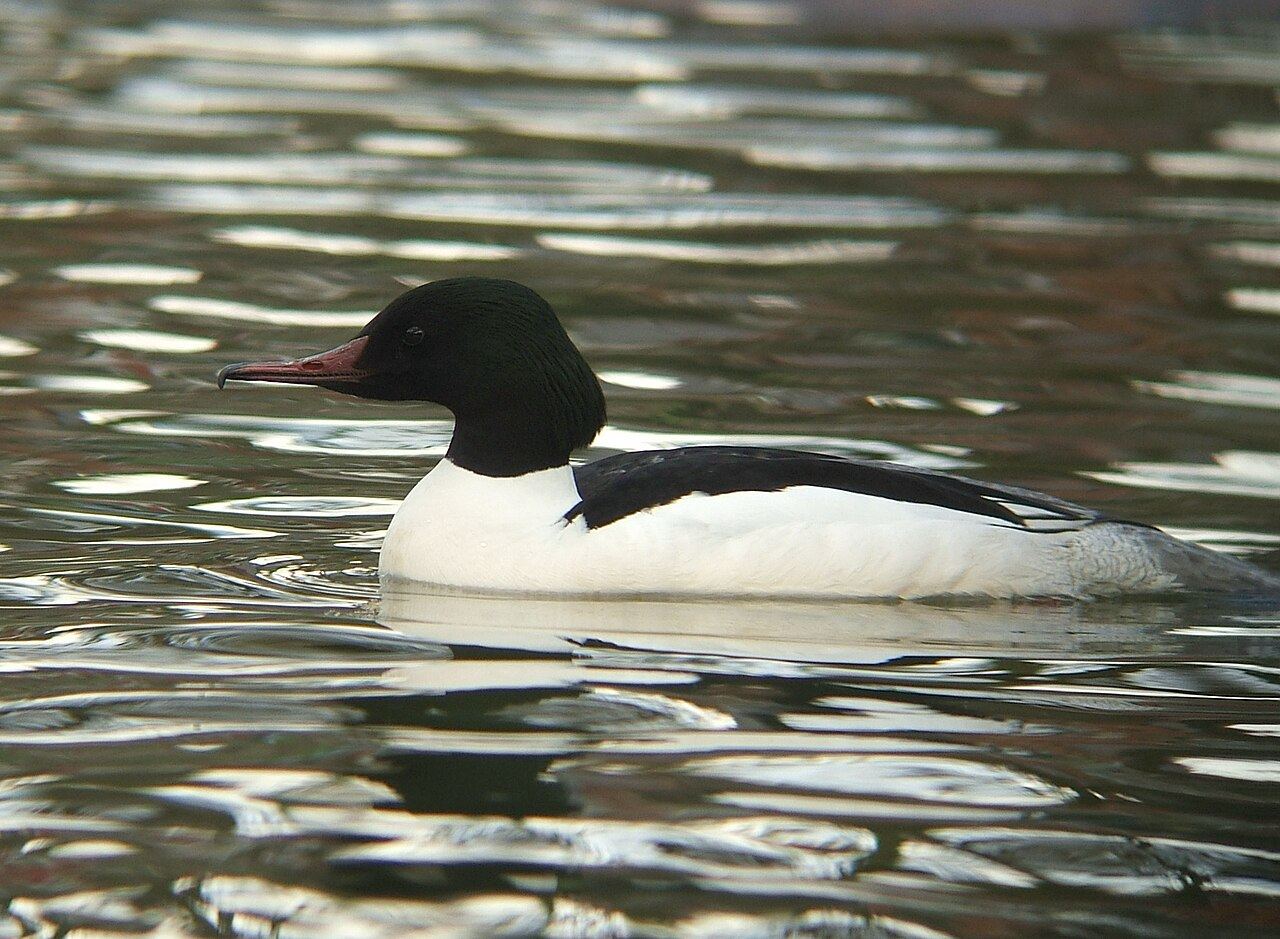
Mergus merganser
ResidentEasy
Rivers and lakes. Cumbria Bird Club's winter survey found some of the county's biggest concentrations on the lower Eden around Wetheral and Armathwaite, and pairs breed along Lakeland rivers; the drake is white with a dark green head.
Where: River Eden at Wetheral and Armathwaite, Bassenthwaite Lake National Nature Reserve, Dodd Wood and the Bassenthwaite ospreys, RSPB Haweswater, Arnside and the Kent estuary
A largely freshwater bird, the goosander first bred in the UK in 1871. Source ↗
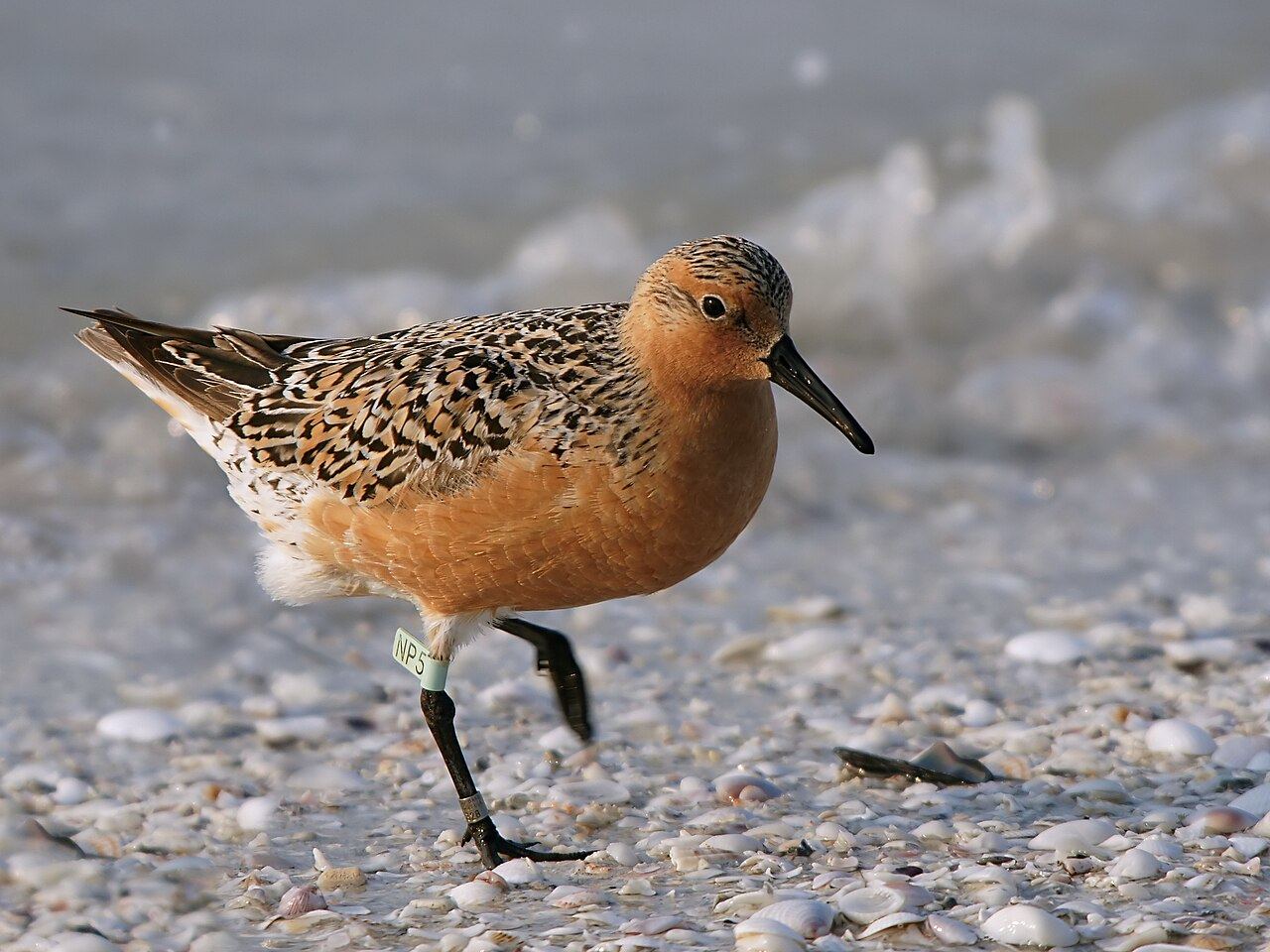
Calidris canutus
Winter visitorEasy
Grey carpets of knot roost on Morecambe Bay and the Solway at high tide. Be at Humphrey Head, the Arnside promenade or Bowness two hours before high water and watch the flocks twist and turn as the tide pushes them in.
Where: Arnside and the Kent estuary, Humphrey Head, South Walney Nature Reserve and Walney Bird Observatory, Anthorn, Cardurnock and Moricambe Bay, Burgh Marsh and Drumburgh
Natural England's Morecambe Bay citation gives 14,000 wintering knot and the Solway 2019/20 count was 16,950; the RSPB notes they form huge flocks in winter, flashing their pale underwings as they twist and turn. Source ↗
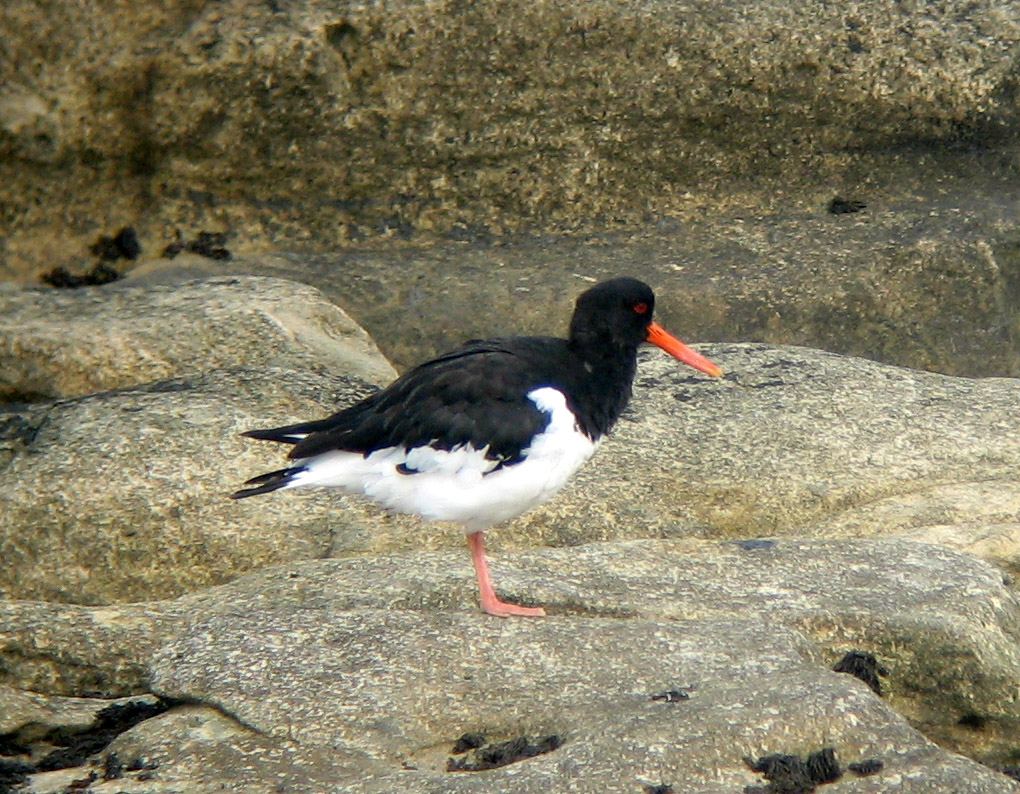
Haematopus ostralegus
ResidentEasy
Impossible to miss on any estuary shore, piping loudly with an orange bill and pink legs; Morecambe Bay holds more wintering oystercatchers than anywhere else in the UK, and pairs breed on shingle and even inland fields.
Where: Arnside and the Kent estuary, Humphrey Head, South Walney Nature Reserve and Walney Bird Observatory, RSPB Campfield Marsh, Sandscale Haws National Nature Reserve
Morecambe Bay hosts the most wintering oystercatchers in the UK, with approximately 40,000 counted at high tide roosts; the world's oldest known oystercatcher reached 43. Source ↗
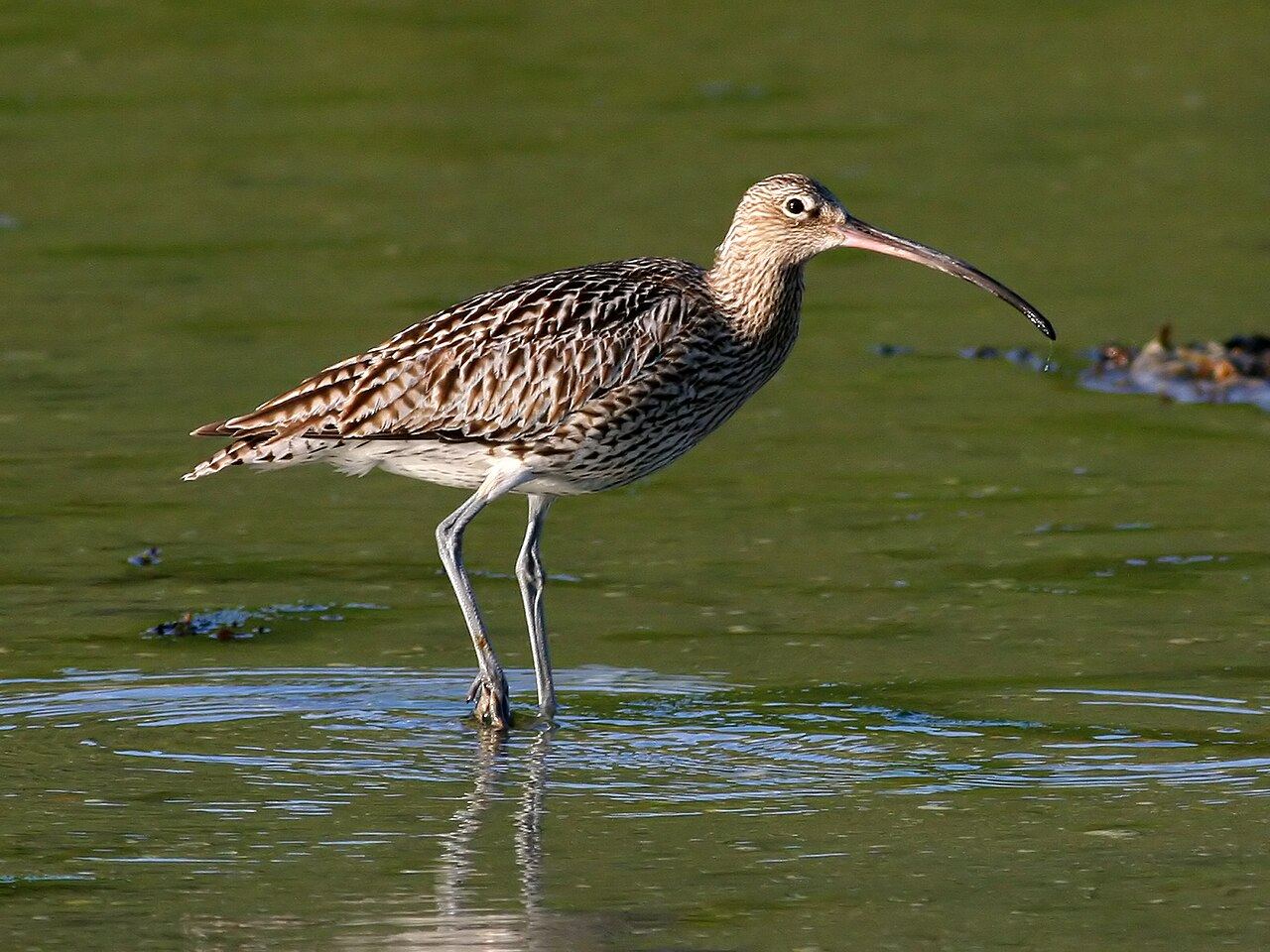
Numenius arquata
ResidentEasy
On the estuaries all year and on Pennine and Lakeland moors from March to July, when the bubbling song carries across Geltsdale and the Campfield bog; the curved bill and size make it unmistakable.
Where: RSPB Geltsdale, RSPB Campfield Marsh, Sandscale Haws National Nature Reserve, Humphrey Head, Arnside and the Kent estuary
The largest European wading bird, Red listed since 2015; around 30 per cent of the west European population spends the winter in the UK. Source ↗
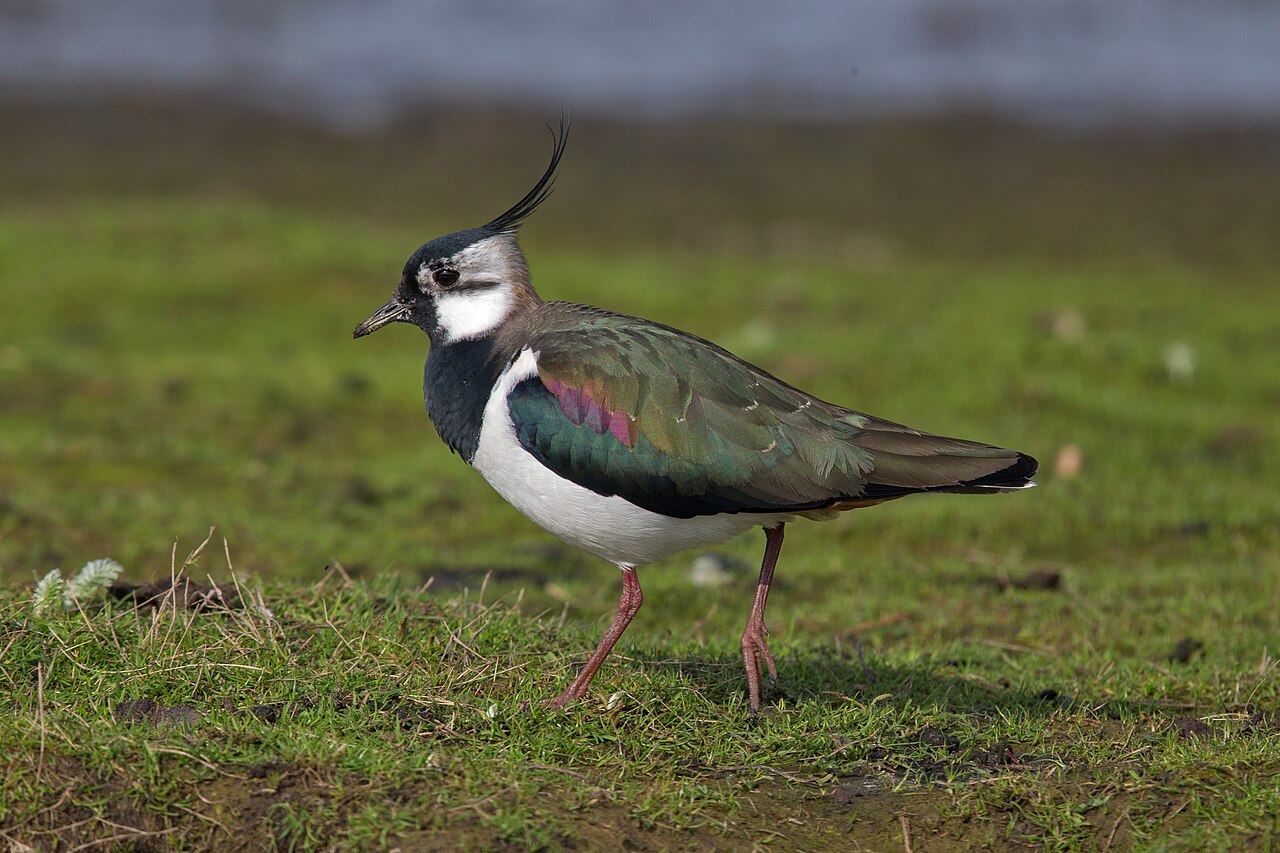
Vanellus vanellus
ResidentEasy
Tumbling and calling over the Campfield scrapes and Geltsdale's in-bye fields in spring; in winter flocks gather on flooded fields and roost at Watchtree and along the Solway.
Where: RSPB Campfield Marsh, Watchtree Nature Reserve, RSPB Geltsdale, Humphrey Head
Also known as the peewit in imitation of its call; numbers have declined by 55 per cent since the 1960s. Source ↗
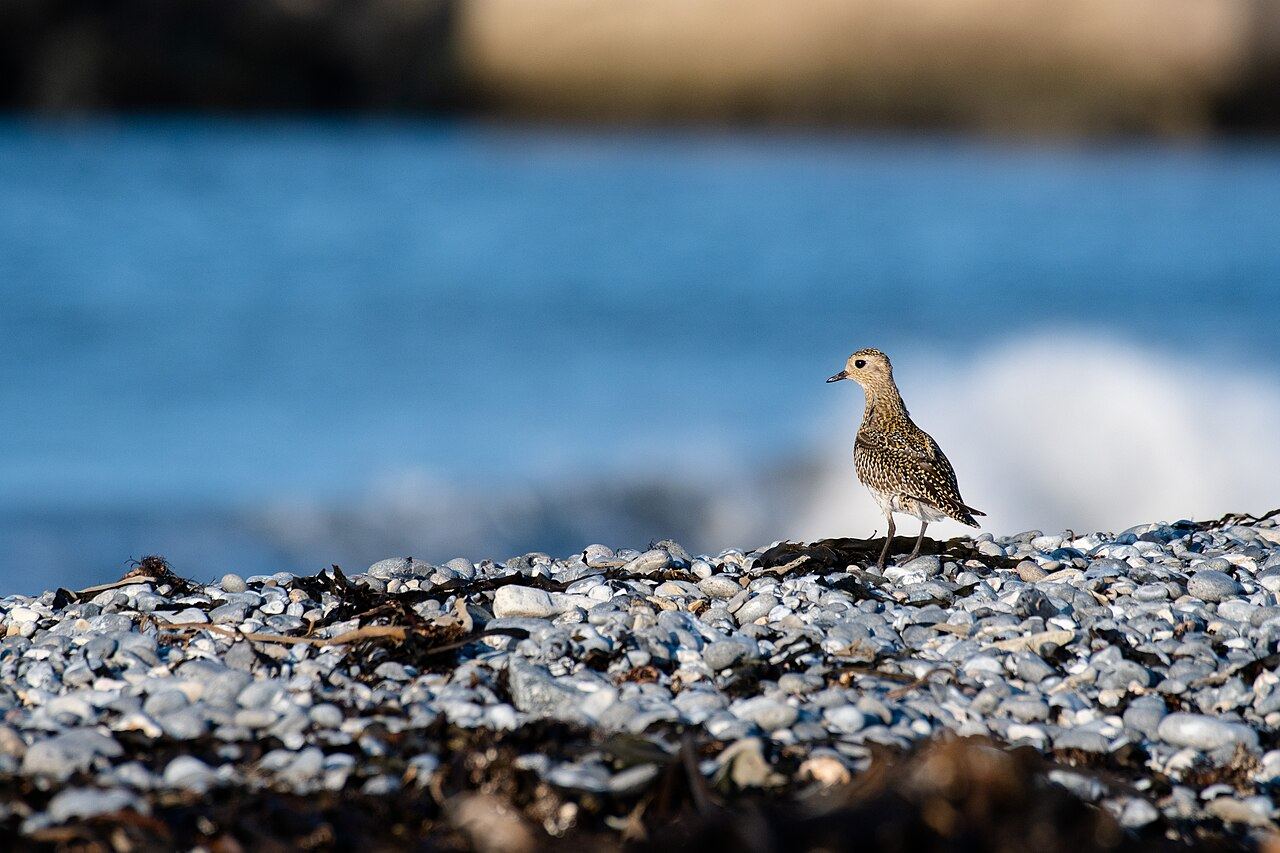
Pluvialis apricaria
ResidentFair chance
Breeds on the Geltsdale moors, where its plaintive whistle carries in spring; in winter tight flocks with rapid twinkling wingbeats gather on the Solway marshes and fields near Burgh and Anthorn, often with lapwings.
Where: RSPB Geltsdale, Burgh Marsh and Drumburgh, Anthorn, Cardurnock and Moricambe Bay, Bowness-on-Solway shore and Port Carlisle
Gold and black in summer, brown and white in winter; the Solway count in 2019/20 was 4,773 (Solway Firth Partnership). Source ↗
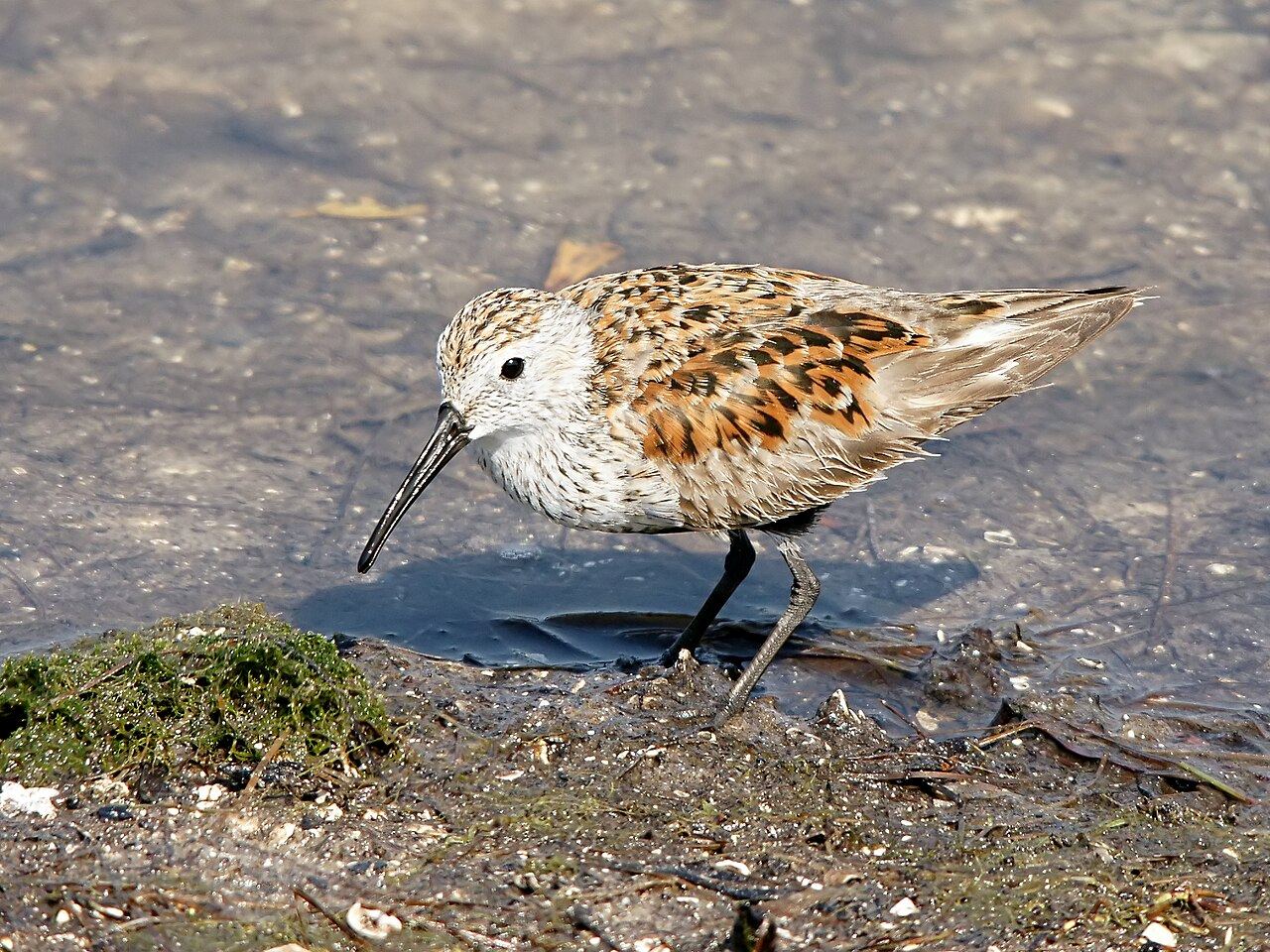
Calidris alpina
Winter visitorEasy
The commonest small wader on every estuary. Feeding flocks work the falling tide at Bowness and Port Carlisle, and thousands roost on the Campfield saltmarsh and the Walney spit around high water.
Where: RSPB Campfield Marsh, Bowness-on-Solway shore and Port Carlisle, Sandscale Haws National Nature Reserve, South Walney Nature Reserve and Walney Bird Observatory, Humphrey Head
Added to the UK Red List in 2021 after a decline in wintering numbers; Morecambe Bay holds 31,000 in winter (Natural England citation). Source ↗
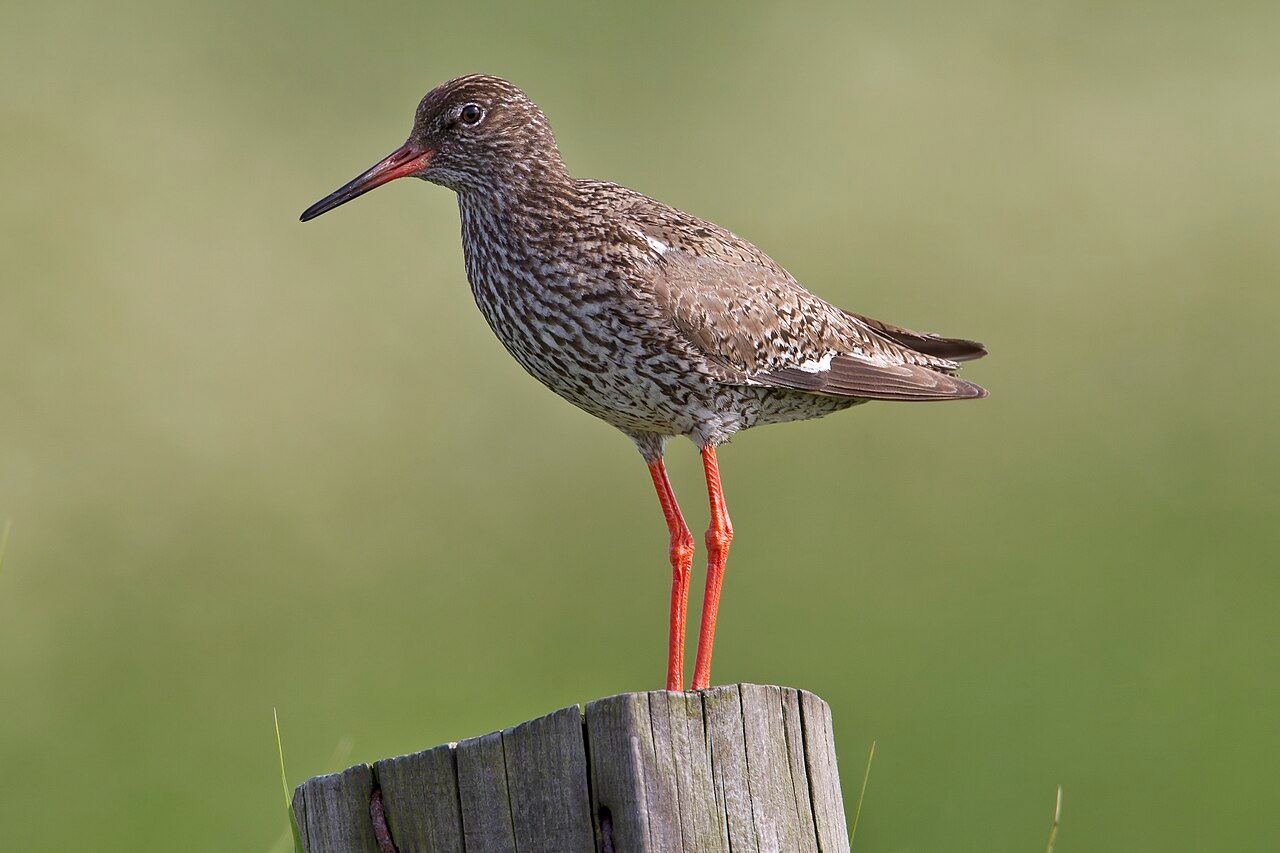
Tringa totanus
ResidentEasy
Saltmarsh creeks and pool edges; you will probably hear its piping alarm before you see the bright orange-red legs. Breeds on Campfield's wet grassland and at Geltsdale, and is on every estuary in winter.
Where: RSPB Campfield Marsh, Humphrey Head, South Walney Nature Reserve and Walney Bird Observatory, Sandscale Haws National Nature Reserve, Watchtree Nature Reserve
Amber listed because of breeding declines; spring storms and high tides can flood its nesting areas. Source ↗
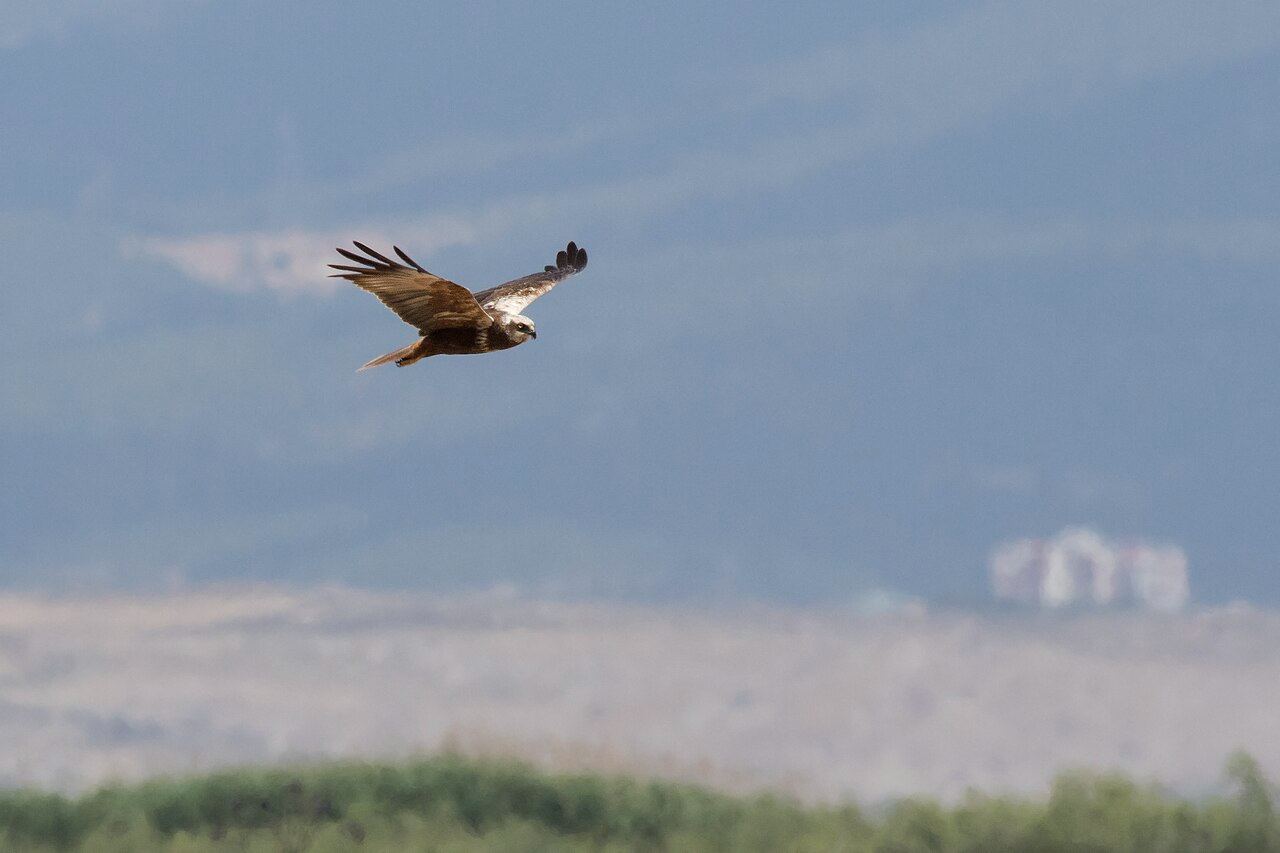
Circus aeruginosus
ResidentFair chance
Marsh harriers nested successfully at RSPB Campfield Marsh for the first time in 2023 and hunt the Foulshaw Moss bog in winter. RSPB Leighton Moss, just over the Lancashire border, has the most pairs and summer food passes.
Where: RSPB Campfield Marsh, Foulshaw Moss, RSPB Leighton Moss (Lancashire)
Recovered from a single pair in Suffolk in 1971 to around 700 breeding pairs; in display a female may flip upside down and lock talons with the male in mid-air. Source ↗
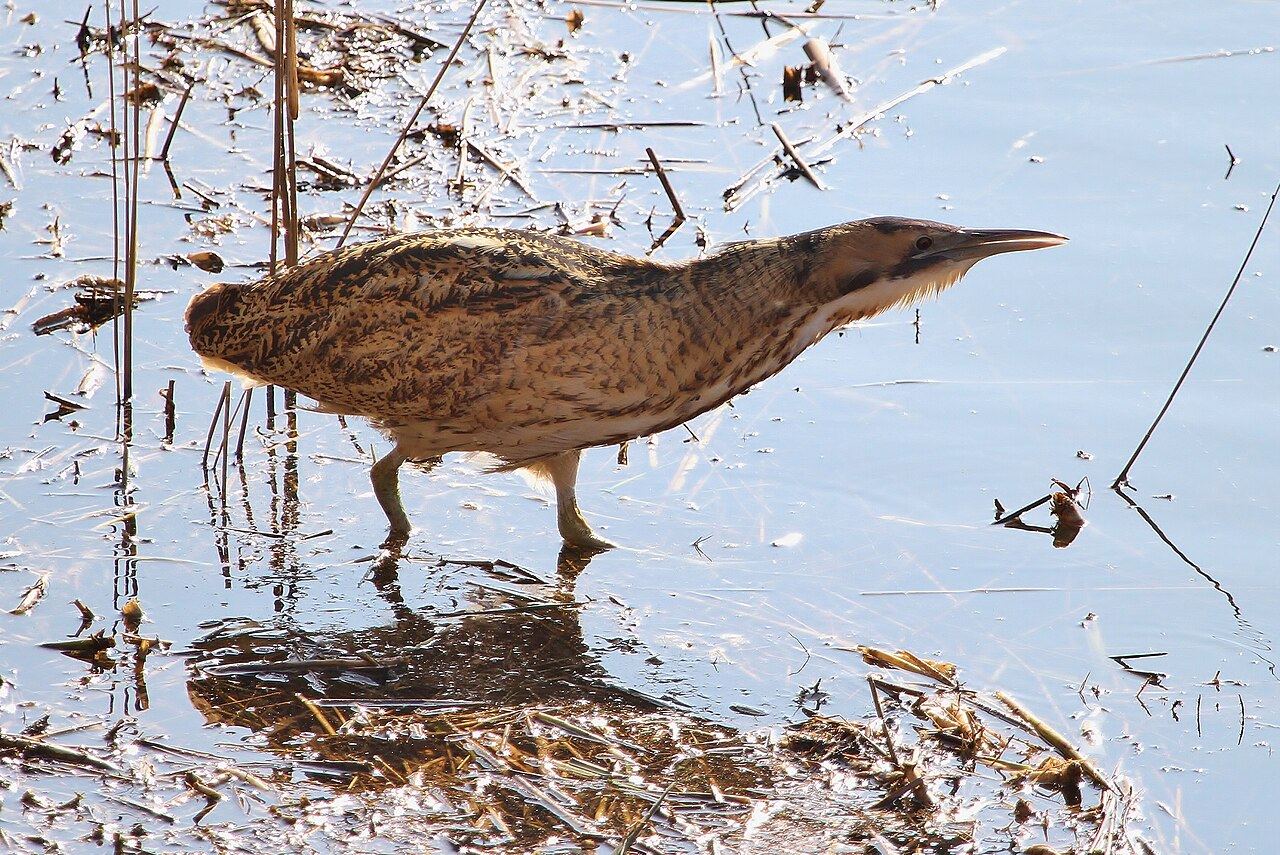
Botaurus stellaris
Winter visitorLucky
Siddick Ponds at Workington is the Cumbrian site, best on a cold, calm winter morning watching the reed edge from the hide. RSPB Leighton Moss in Lancashire, a few miles from Arnside, has breeding birds and reports bitterns from the Lower and Causeway hides most days.
Where: Siddick Ponds, RSPB Leighton Moss (Lancashire)
A secretive, Amber listed reedbed bird protected under Schedule 1; the male's far-carrying boom is heard in spring. Source ↗
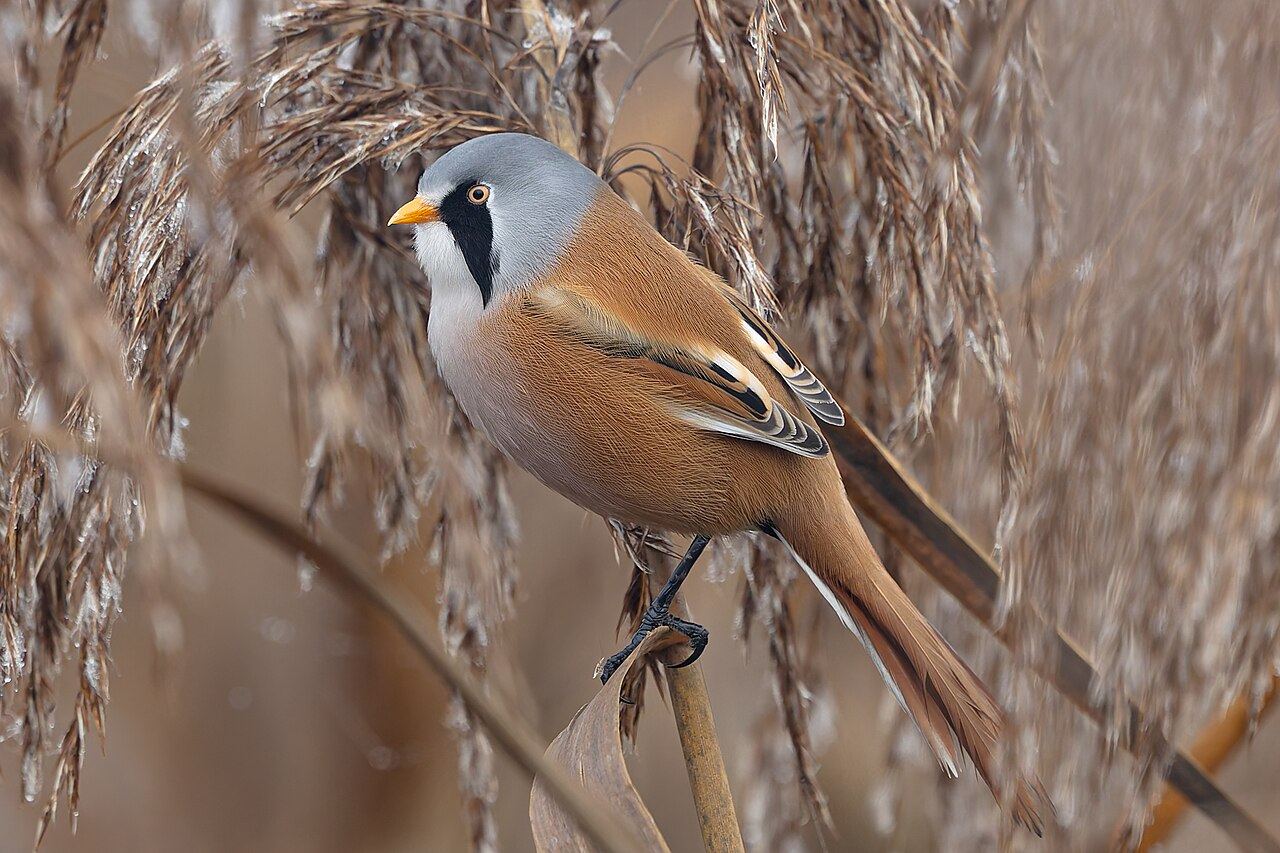
Panurus biarmicus
ResidentFair chance
Not a Cumbrian breeding bird: go to RSPB Leighton Moss in Lancashire, where 30 or more have been counted on the grit trays beside the causeway in autumn. Listen for the pinging calls in the reeds.
Where: RSPB Leighton Moss (Lancashire)
Neither a tit nor bearded: it sits in a family of its own and the males wear black moustaches; birds are easiest to see in autumn during excitable group flights. Source ↗
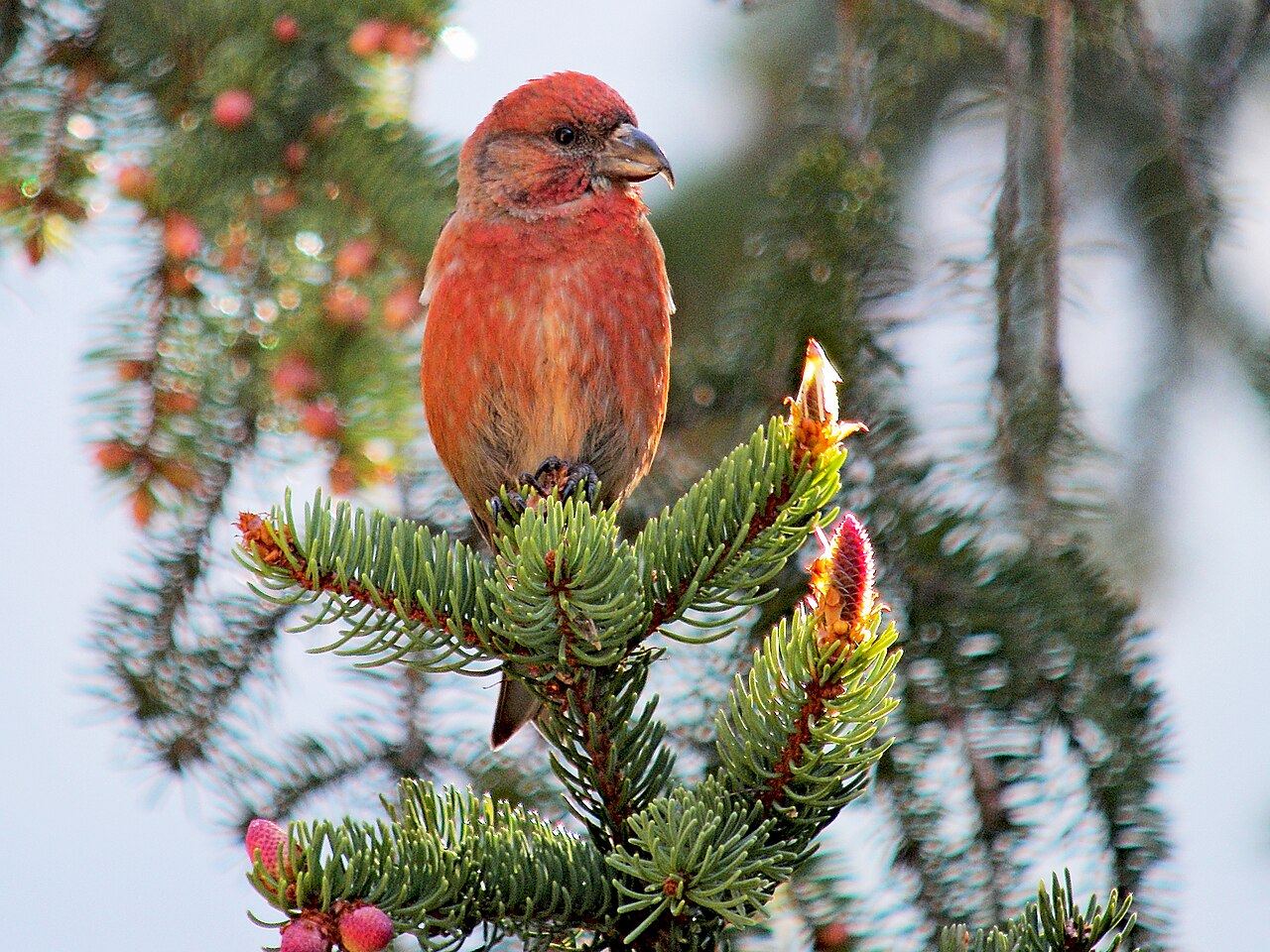
Loxia curvirostra
ResidentFair chance
Conifer plantations. Listen for hard chip calls over Whinlatter and Grizedale and watch the tops of spruce and larch; the feeders at Whinlatter's wildlife hide sometimes draw them down.
Where: Whinlatter Forest, Grizedale Forest
The crossed bill is used to extract seeds from conifer cones, and the bird flutters from cone to cone as it feeds. Source ↗
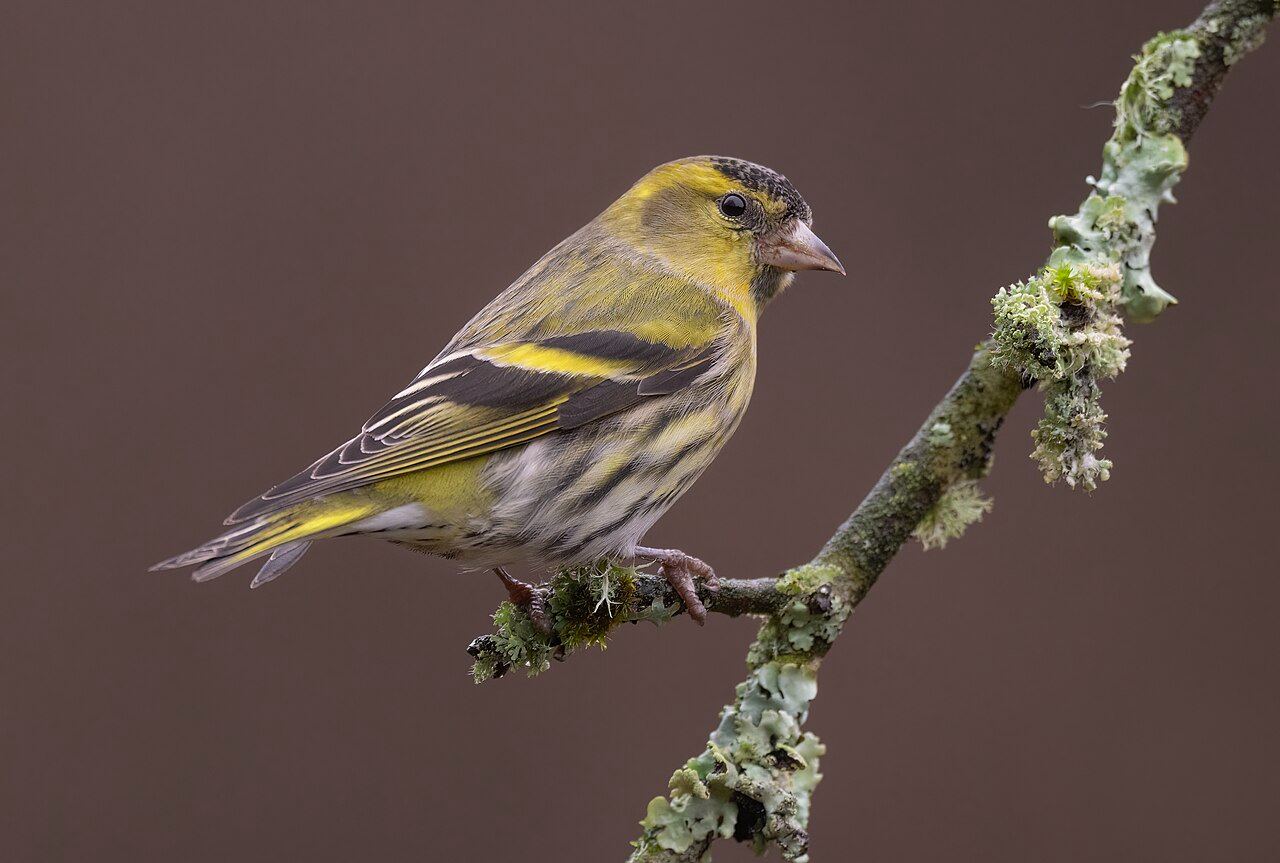
Carduelis spinus
ResidentEasy
Whinlatter's wildlife hide feeders and lakeside alders; in late winter siskins hang acrobatically from garden peanut and seed feeders across the county.
Where: Whinlatter Forest, Grizedale Forest, Dodd Wood and the Bassenthwaite ospreys
Many breeding siskins are residents but in winter birds also arrive from Europe. Source ↗
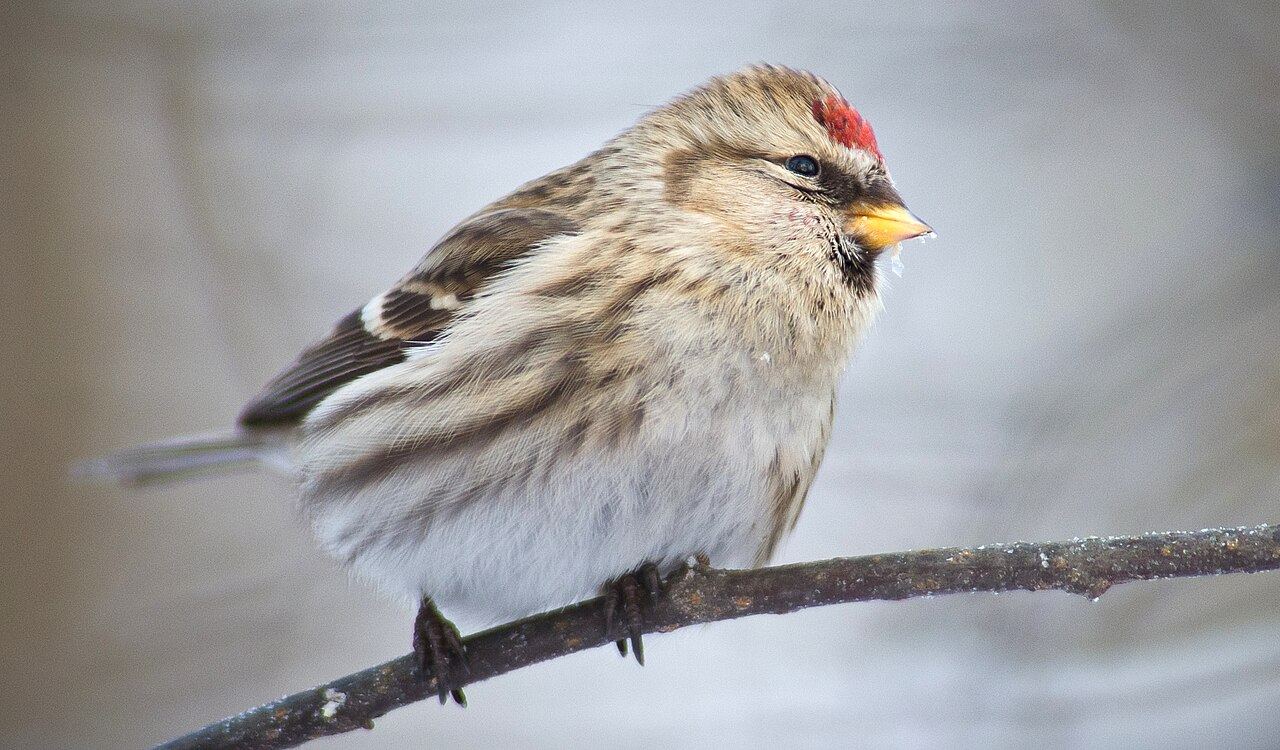
Acanthis flammea
ResidentFair chance
Birch and alder tops, often in mixed flocks with siskins; Watchtree's wetland scrub and the birch cloughs at Geltsdale are listed sites.
Where: Watchtree Nature Reserve, RSPB Geltsdale, Whinlatter Forest
Red listed; the name comes from the small red patch on the forehead, and the birds feed acrobatically on birch and alder seeds. Source ↗
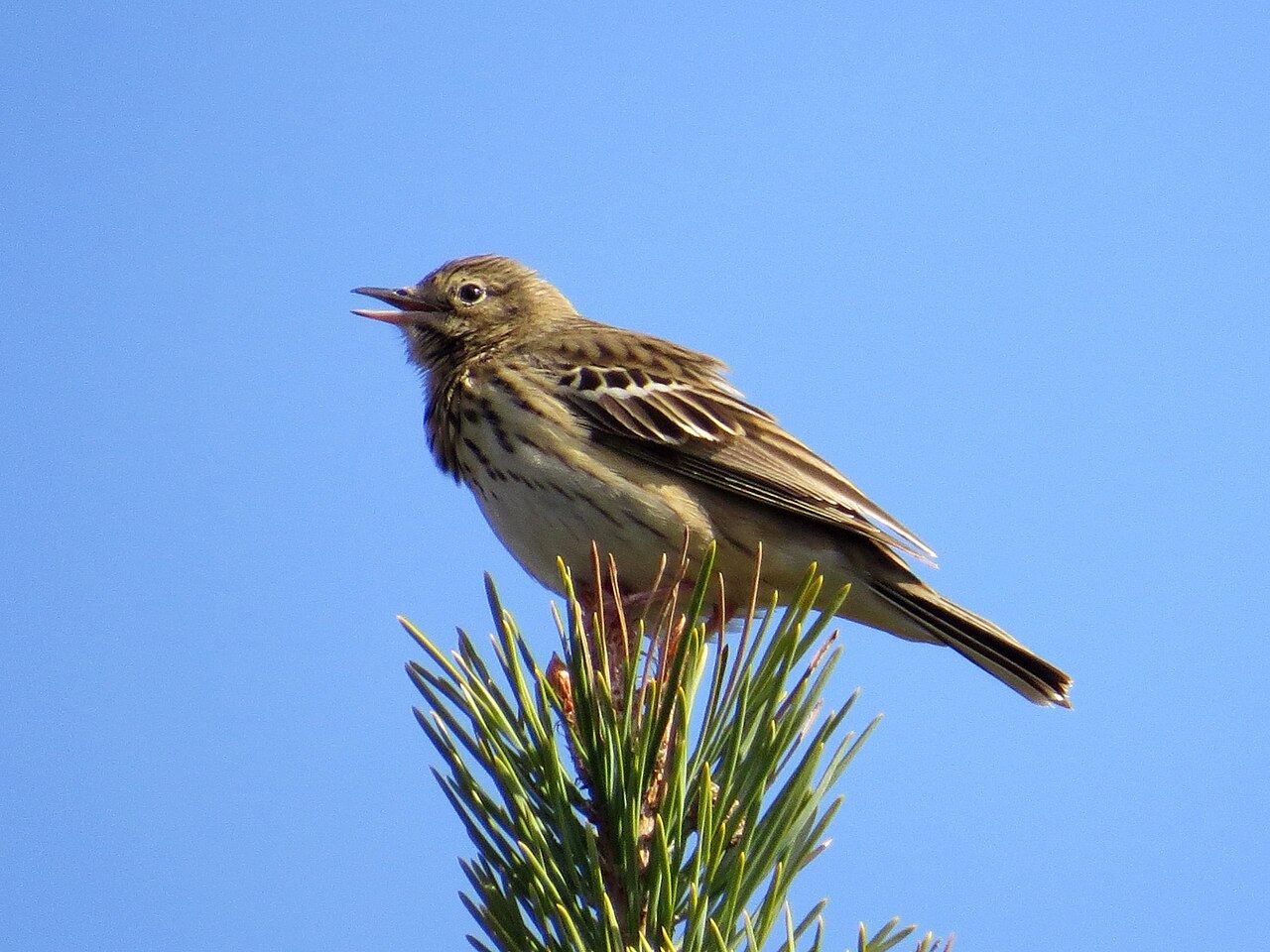
Anthus trivialis
Summer visitorFair chance
Bog edges, clear fell and woodland clearings with scattered trees: the birch edges of Foulshaw Moss in May are reliable. It sings from a treetop then parachutes down with wings raised.
Where: Foulshaw Moss, Borrowdale oakwoods and Derwentwater, RSPB Geltsdale
Red listed, with declines over the past 25 years, especially in central and southern England. Source ↗
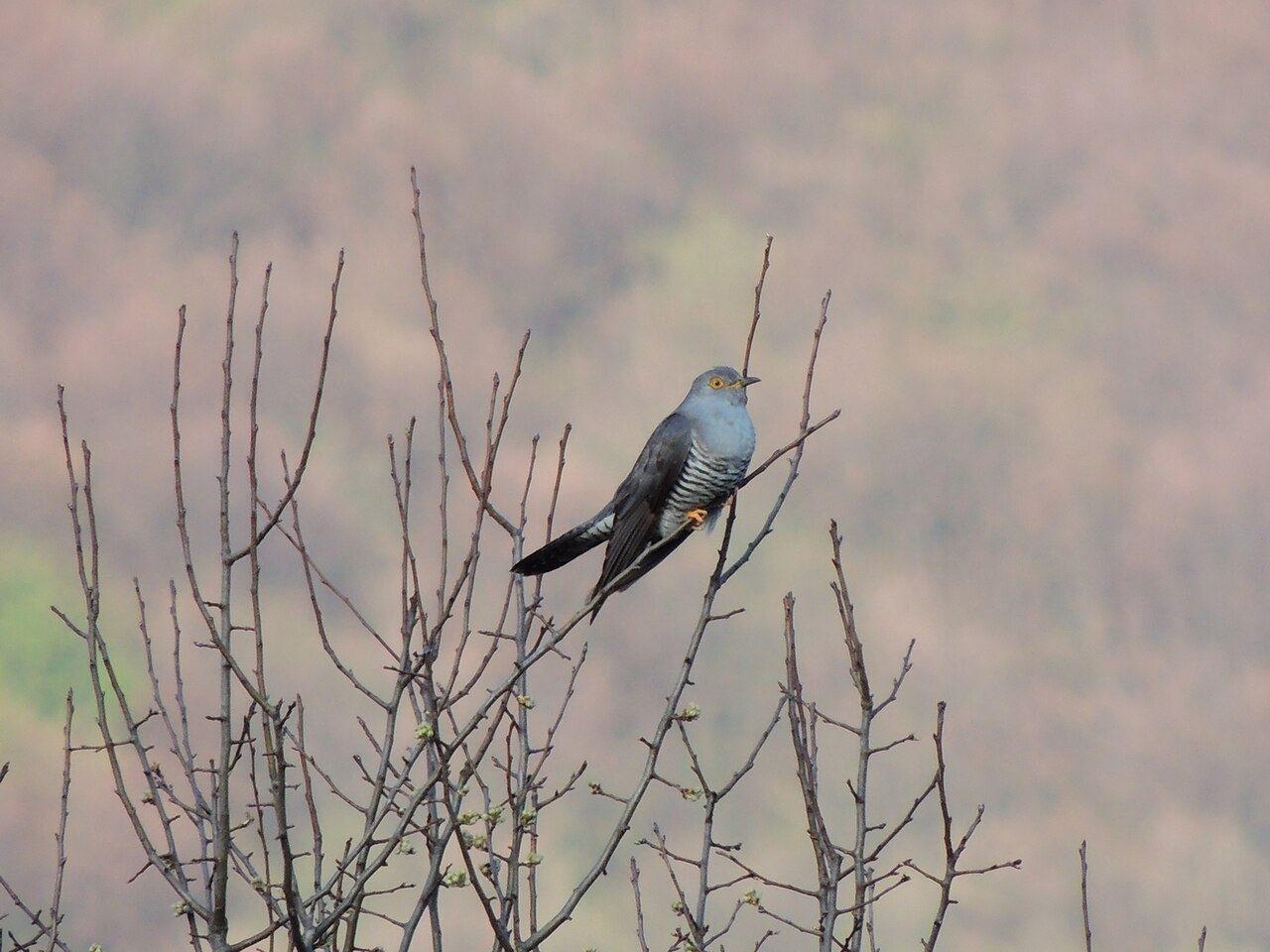
Cuculus canorus
Summer visitorFair chance
Late April to June on moss and fellside where meadow pipits nest; Foulshaw Moss and Haweswater are named sites and May is the month to hear the call.
Where: Foulshaw Moss, RSPB Haweswater, RSPB Geltsdale, Borrowdale oakwoods and Derwentwater
Most adults leave for Africa during June; chicks hatch after just 12 days and grow far bigger than the host bird, and only the male gives the cuck-oo call. Source ↗
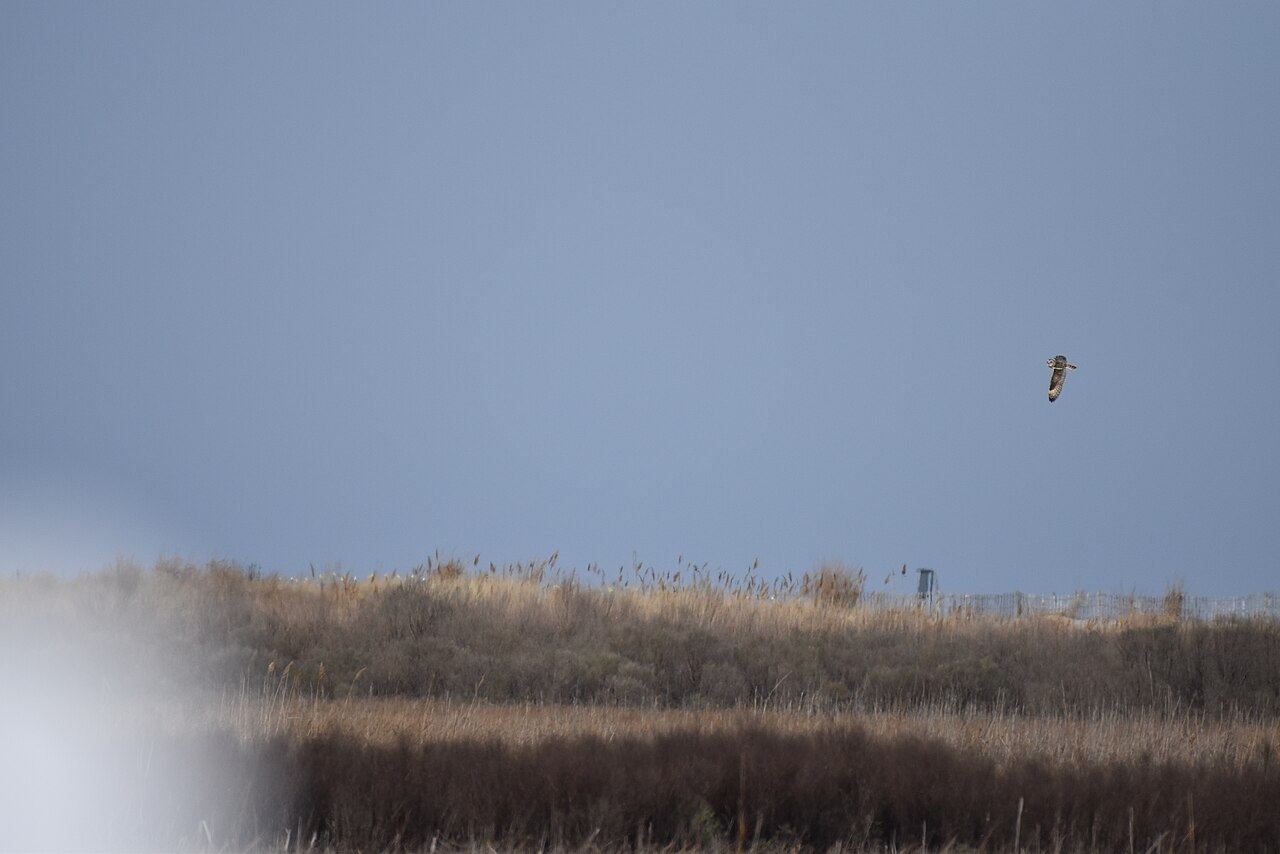
Asio flammeus
ResidentLucky
Breeds on the Geltsdale moors and hunts by day; in winter watch the rough grass at South Walney, the Drigg dunes and Solway mosses in the last two hours of daylight.
Where: RSPB Geltsdale, South Walney Nature Reserve and Walney Bird Observatory, Drigg dunes and the Ravenglass estuary, Grune Point and Skinburness Marsh
Active during the day, which makes it easier to spot than most owls; winter numbers are boosted by birds from Scandinavia, Russia and Iceland. Source ↗
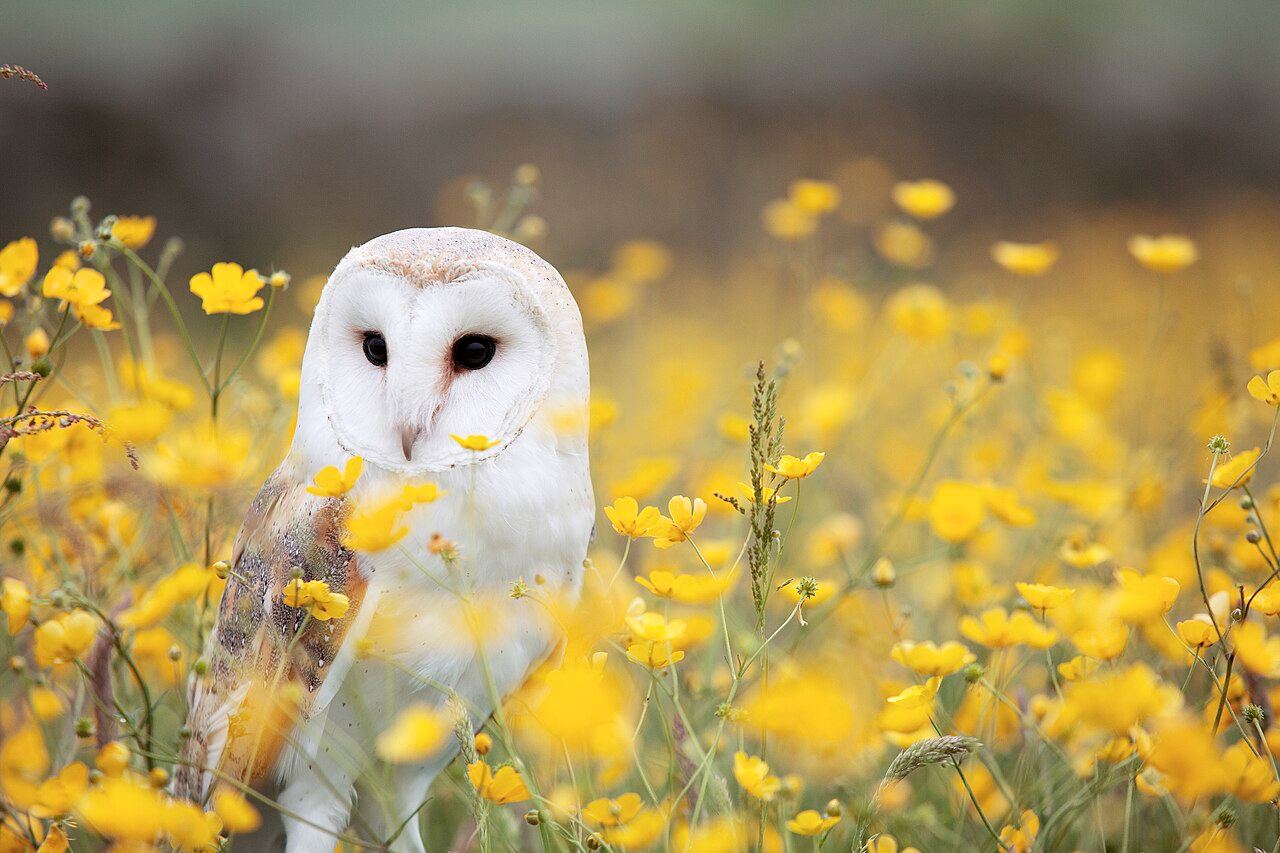
Tyto alba
ResidentLucky
Dusk and dawn over rough grassland on the Solway Plain and the coastal dunes; the Watchtree sightings archive notes regular barn owl sightings in January and February.
Where: Watchtree Nature Reserve, Drigg dunes and the Ravenglass estuary, South Walney Nature Reserve and Walney Bird Observatory, Borrowdale oakwoods and Derwentwater
Barn owls sometimes hunt along country roads, so look for a ghostly white shape in your headlights. Source ↗
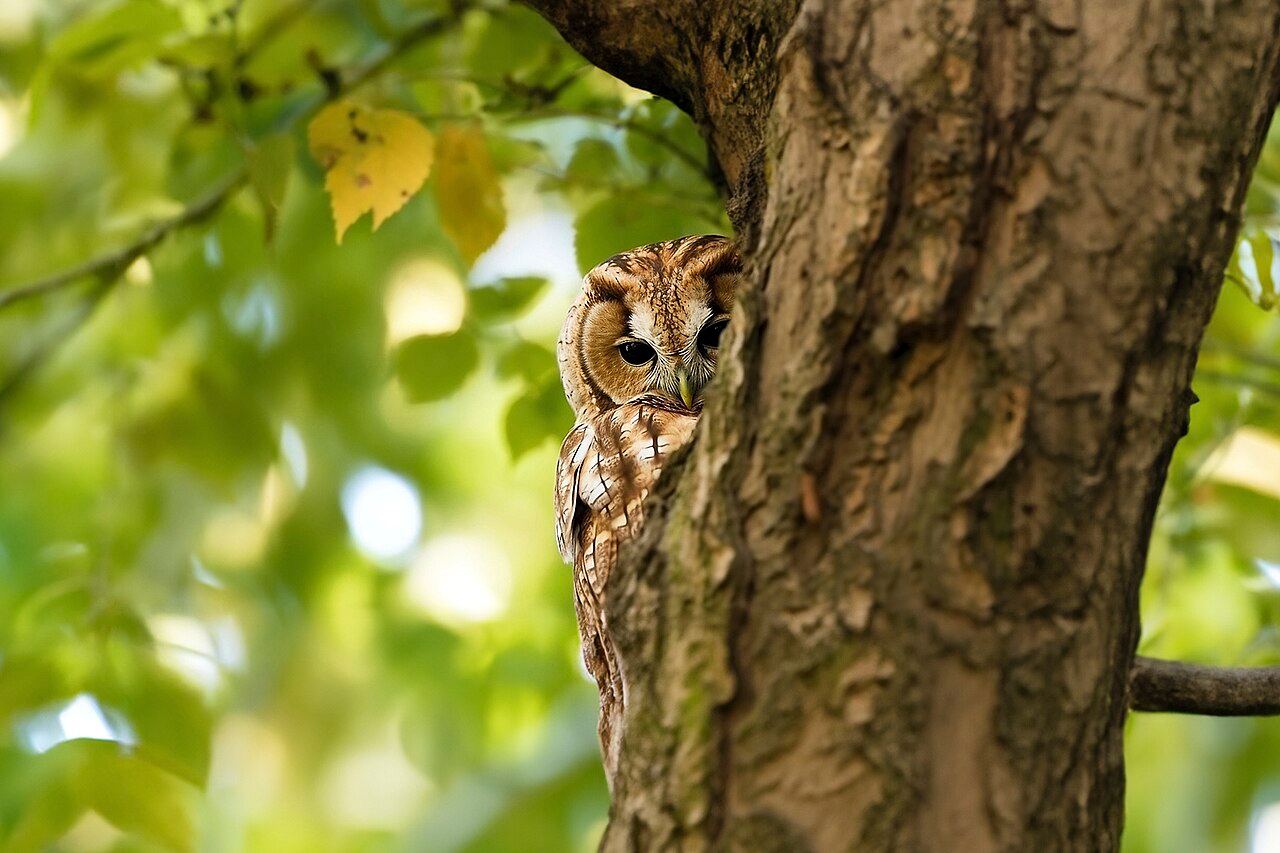
Strix aluco
ResidentFair chance
Heard far more often than seen: autumn and winter evenings in the Borrowdale oakwoods and at Grizedale, when pairs call to establish territories. The National Trust recommends winter evenings for tawny owls in Borrowdale.
Where: Borrowdale oakwoods and Derwentwater, Grizedale Forest, Smardale Gill, Dodd Wood and the Bassenthwaite ospreys
The most common owl in the UK, yet it declined by more than 40 per cent between 1995 and 2023. Source ↗
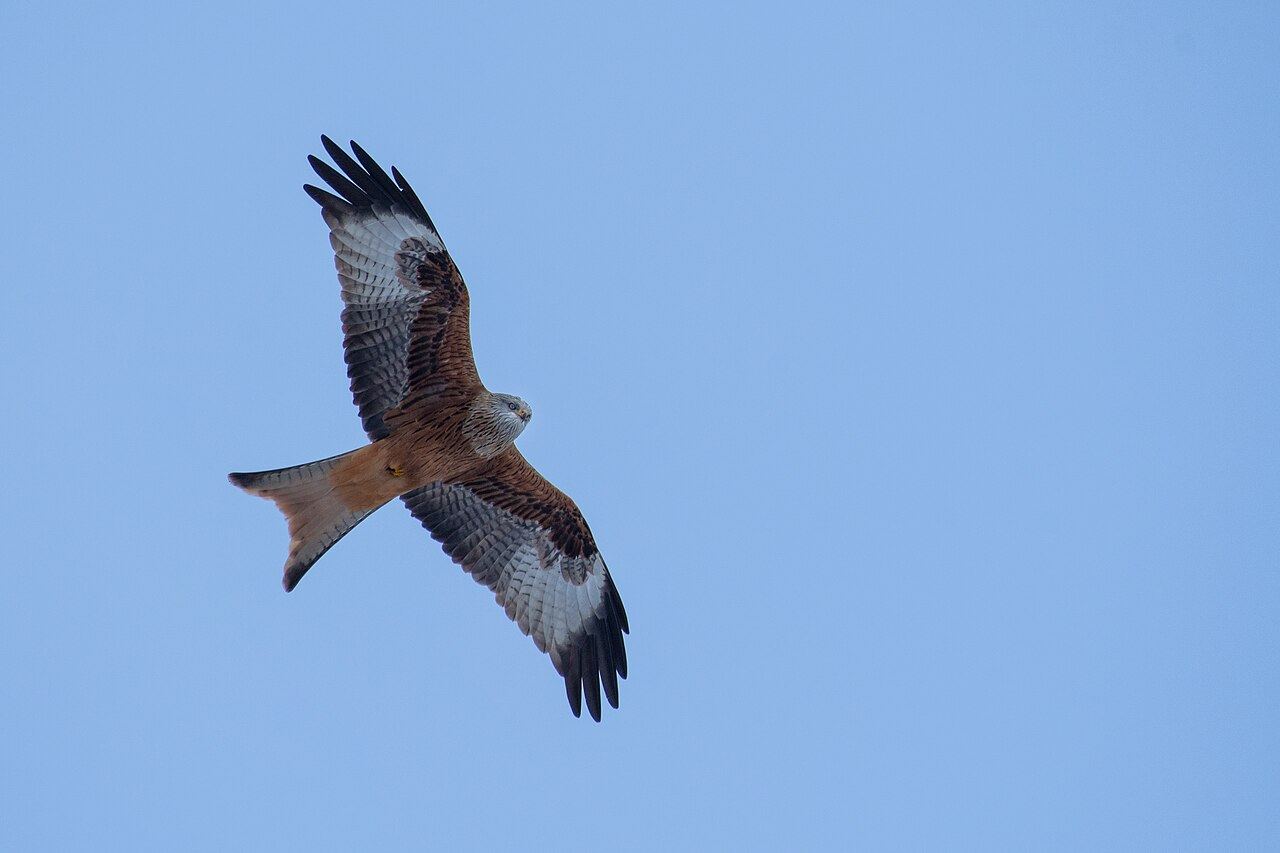
Milvus milvus
ResidentFair chance
Grizedale Forest, where 90 young kites were released between 2010 and 2012. Scan the sky from open viewpoints such as Carron Crag for the long, deeply forked tail.
Where: Grizedale Forest
Kites bred in Cumbria in 2014 for the first time since 1807; UK numbers rose by 2,464 per cent between 1995 and 2023. Source ↗
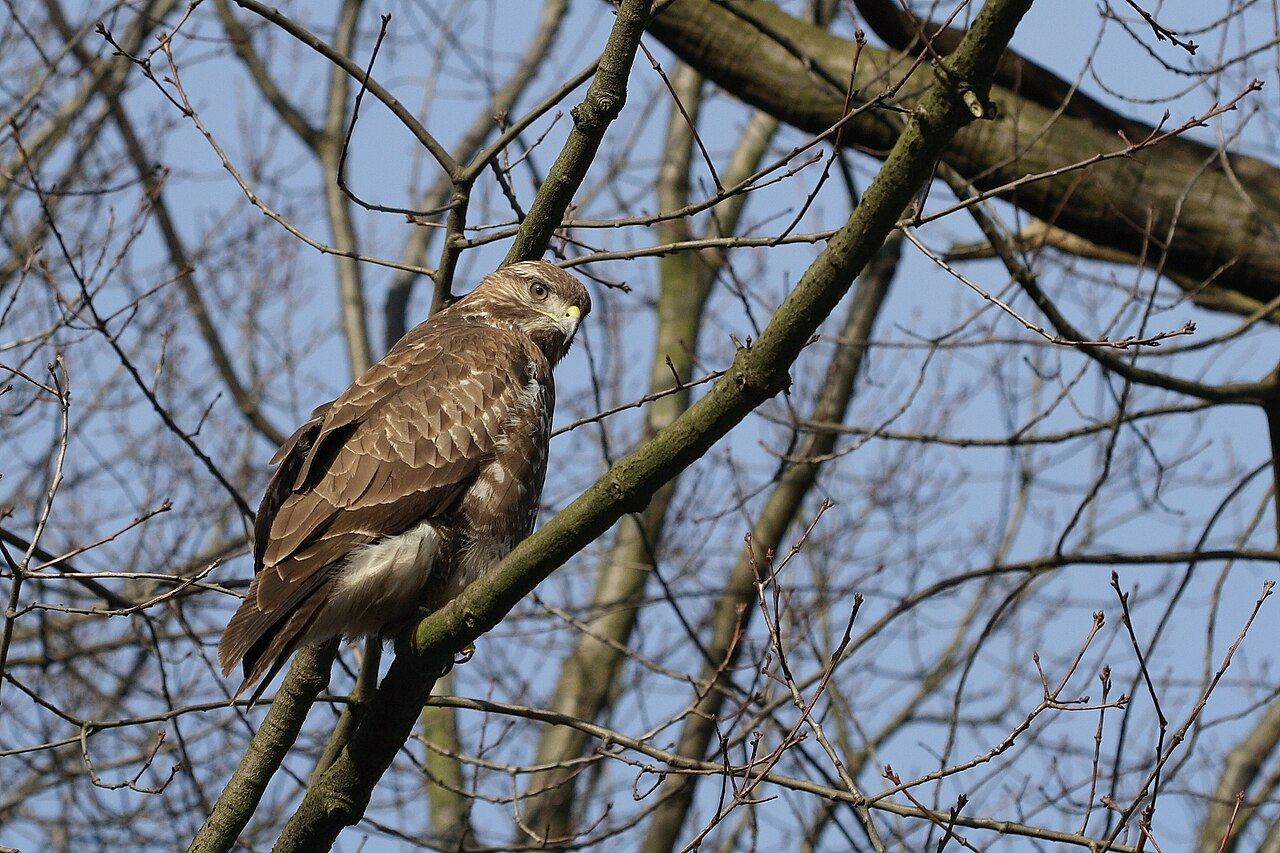
Buteo buteo
ResidentEasy
Anywhere with trees and thermals; listen for the mewing call and watch broad-winged birds circling over Whinlatter and Grizedale on warm mornings.
Where: Whinlatter Forest, Grizedale Forest, Foulshaw Moss, Smardale Gill, Wasdale and Wast Water
Now the most common and widespread UK bird of prey, having recovered from a low point in the mid 1900s. Source ↗
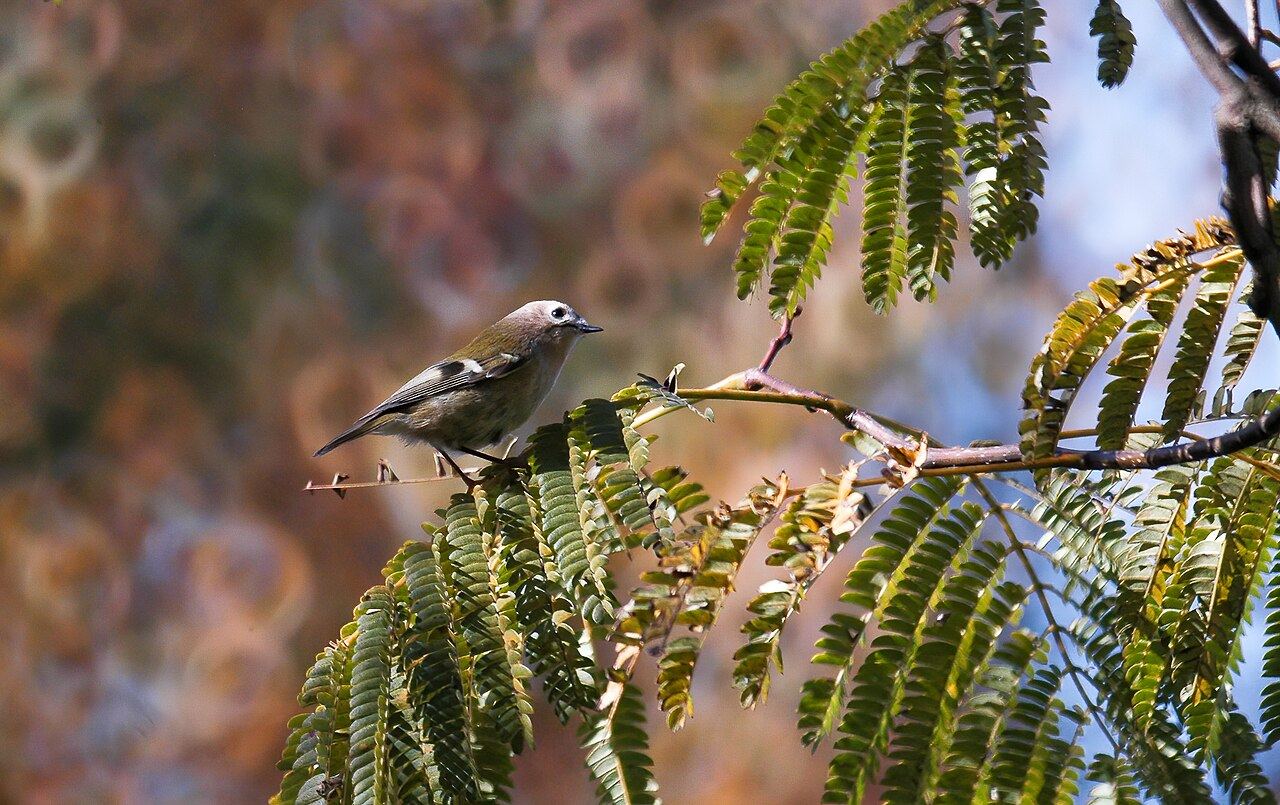
Regulus regulus
ResidentEasy
Conifers at Whinlatter and Grizedale; find it by the thin, very high song and watch for a tiny green bird flitting through the branches, sometimes at the hide feeders in winter.
Where: Whinlatter Forest, Grizedale Forest
Along with the firecrest, the UK's smallest bird, weighing about 6 g, the same as six paperclips; a female can lay up to 12 eggs weighing one and a half times her body weight. Source ↗
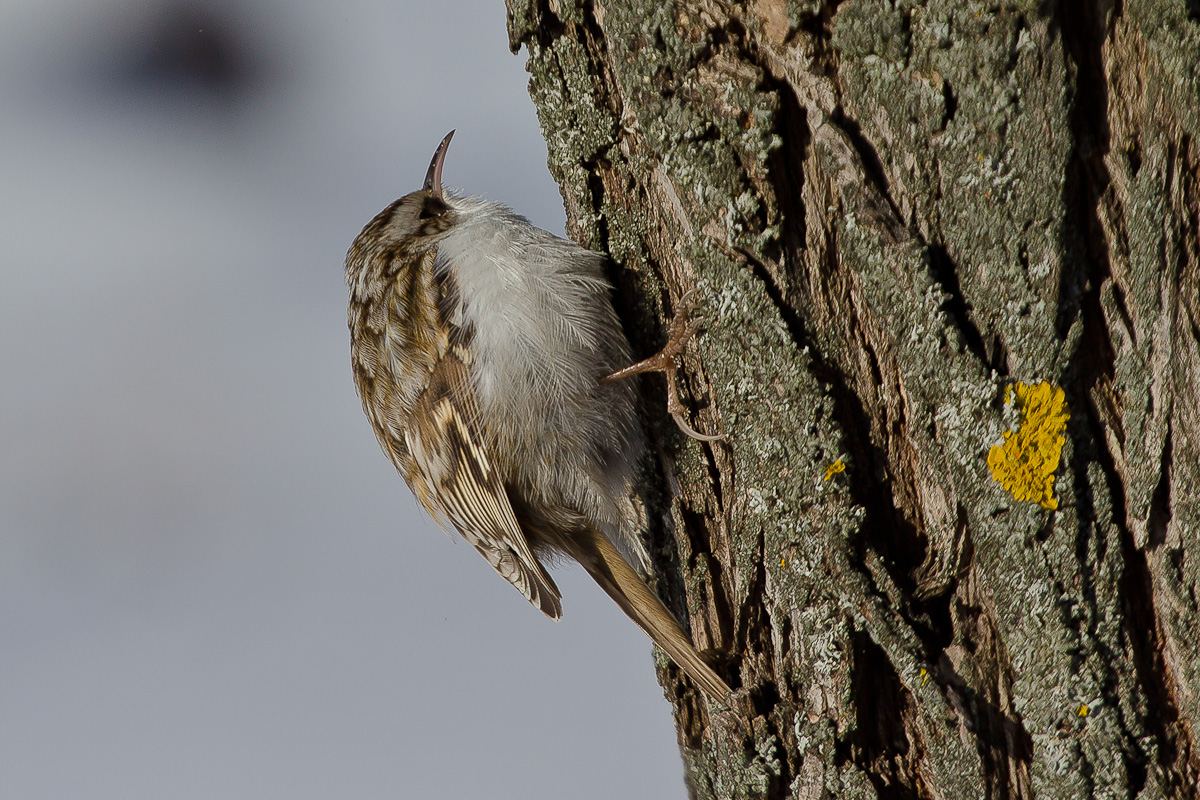
Certhia familiaris
ResidentEasy
Mouse-like up the trunks of mature trees at Kingmoor and Wreay Woods, spiralling upwards then flying to the base of the next tree.
Where: Kingmoor Nature Reserve and Kingmoor Sidings, Carlisle, Wreay Woods, Smardale Gill
Over 200,000 territories in the UK, yet quite secretive and often unnoticed. Source ↗
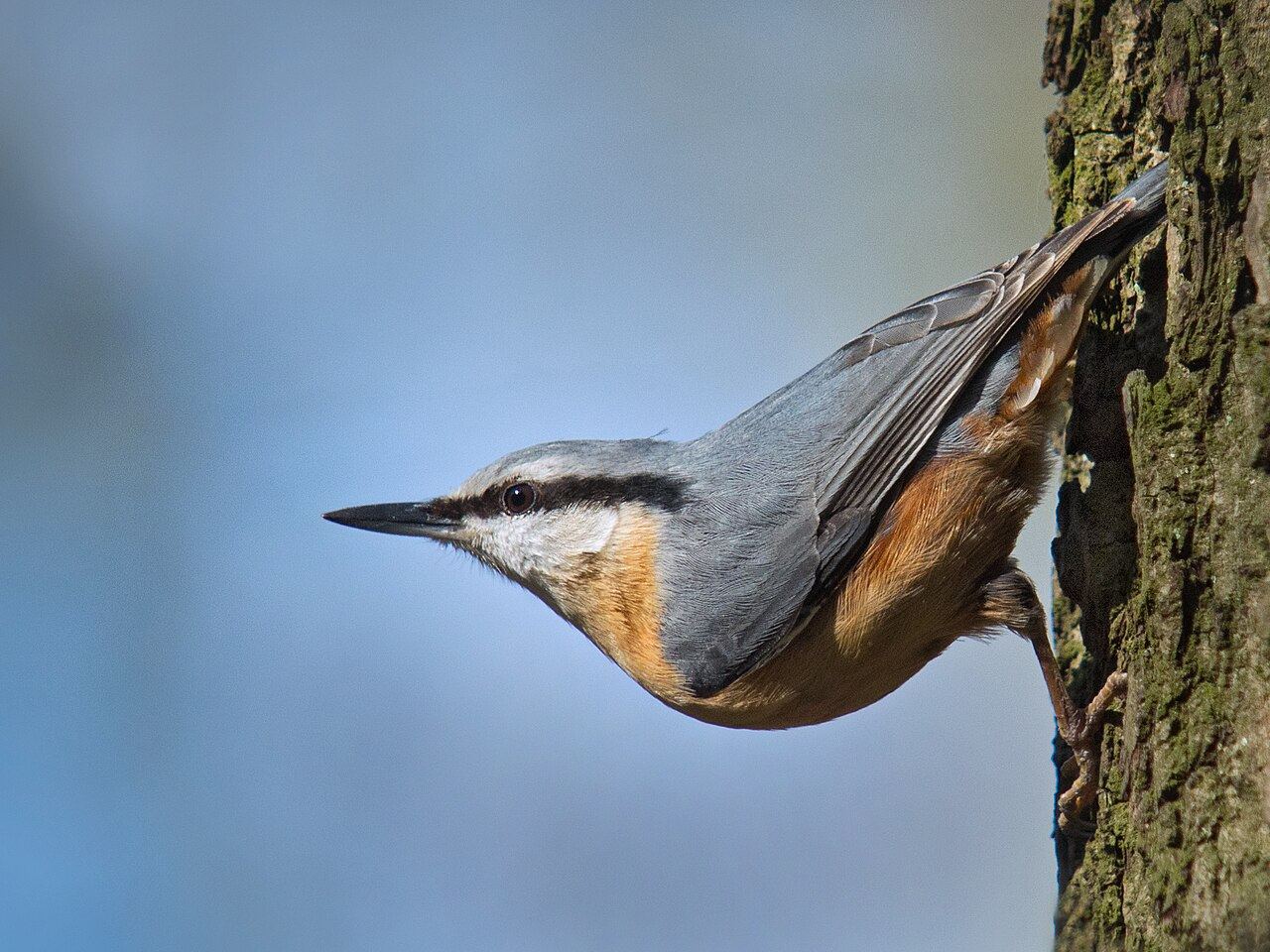
Sitta europaea
ResidentEasy
Loud whistles in mature oak and beech at Kingmoor, Talkin Tarn and Wreay Woods; watch for the blue-grey bird running head first down a trunk.
Where: Kingmoor Nature Reserve and Kingmoor Sidings, Carlisle, Wreay Woods, Talkin Tarn Country Park, RSPB Haweswater, Hutton Roof Crags
The only bird in the UK that can climb down trunks head first; numbers rose 291 per cent between 1967 and 2023 and it now breeds in southern Scotland. Source ↗
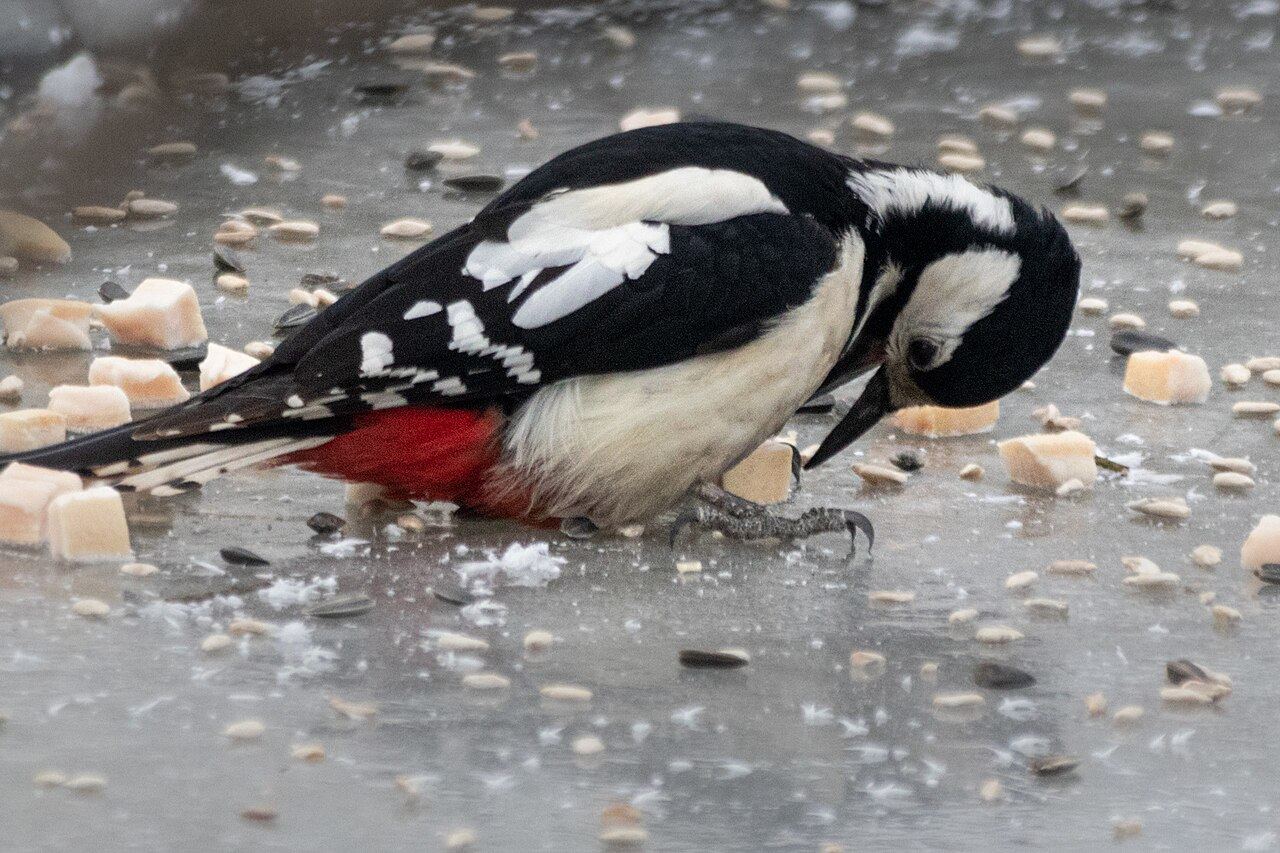
Dendrocopos major
ResidentEasy
Drumming from late winter into spring in any mature wood; in winter it is a bold visitor to the peanut feeders at Whinlatter's wildlife hide.
Where: Whinlatter Forest, Talkin Tarn Country Park, Kingmoor Nature Reserve and Kingmoor Sidings, Carlisle, Dodd Wood and the Bassenthwaite ospreys, Bassenthwaite Lake National Nature Reserve
Over 100,000 pairs in the UK, with the range expanding northwards in Scotland and now into Northern Ireland. Source ↗
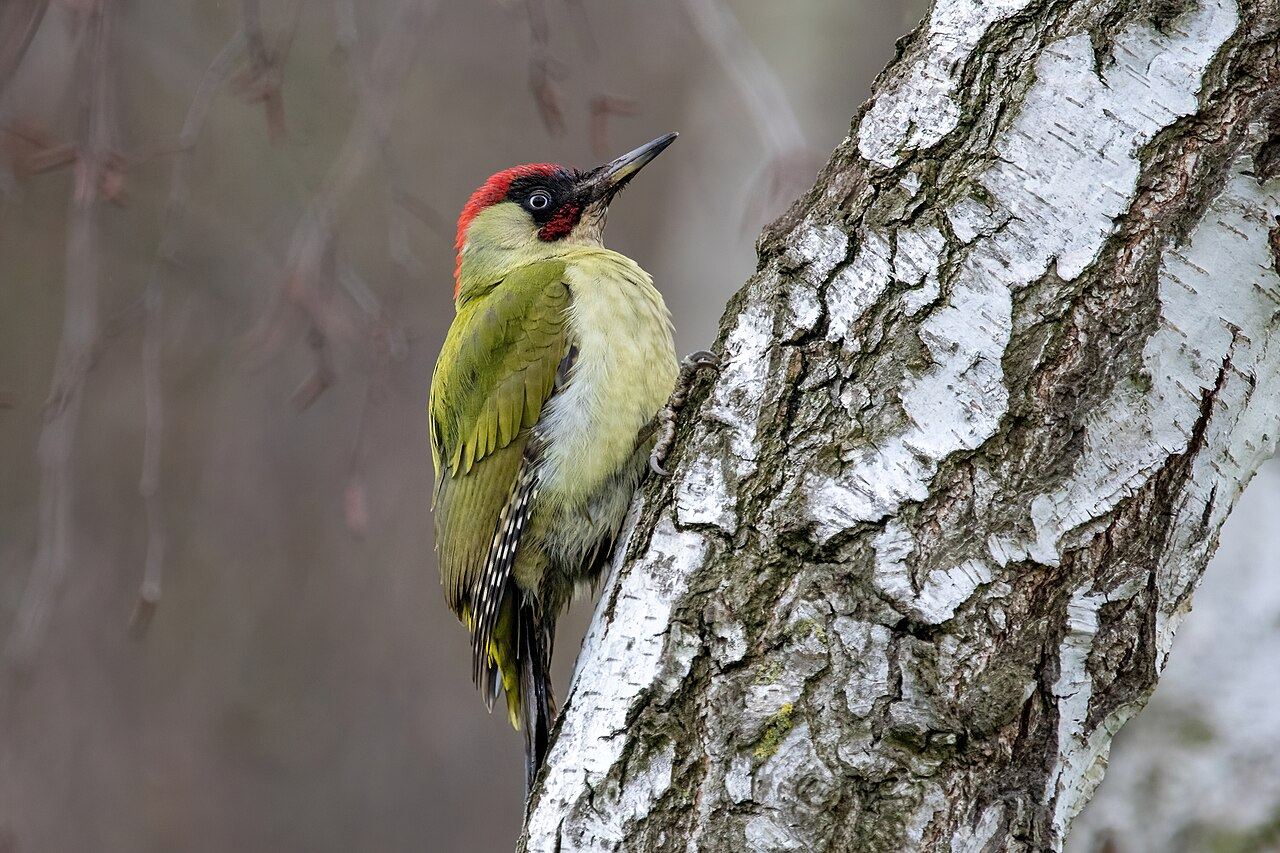
Picus viridis
ResidentFair chance
Listen for the loud laughing yaffle over the limestone pasture at Smardale Gill and in Ennerdale; it spends much of its time on the ground hunting ants, so check short grass and anthills.
Where: Smardale Gill, Ennerdale and Wild Ennerdale
Professor Yaffle in Bagpuss was a green woodpecker; the species declined by 33 per cent between 2013 and 2023. Source ↗
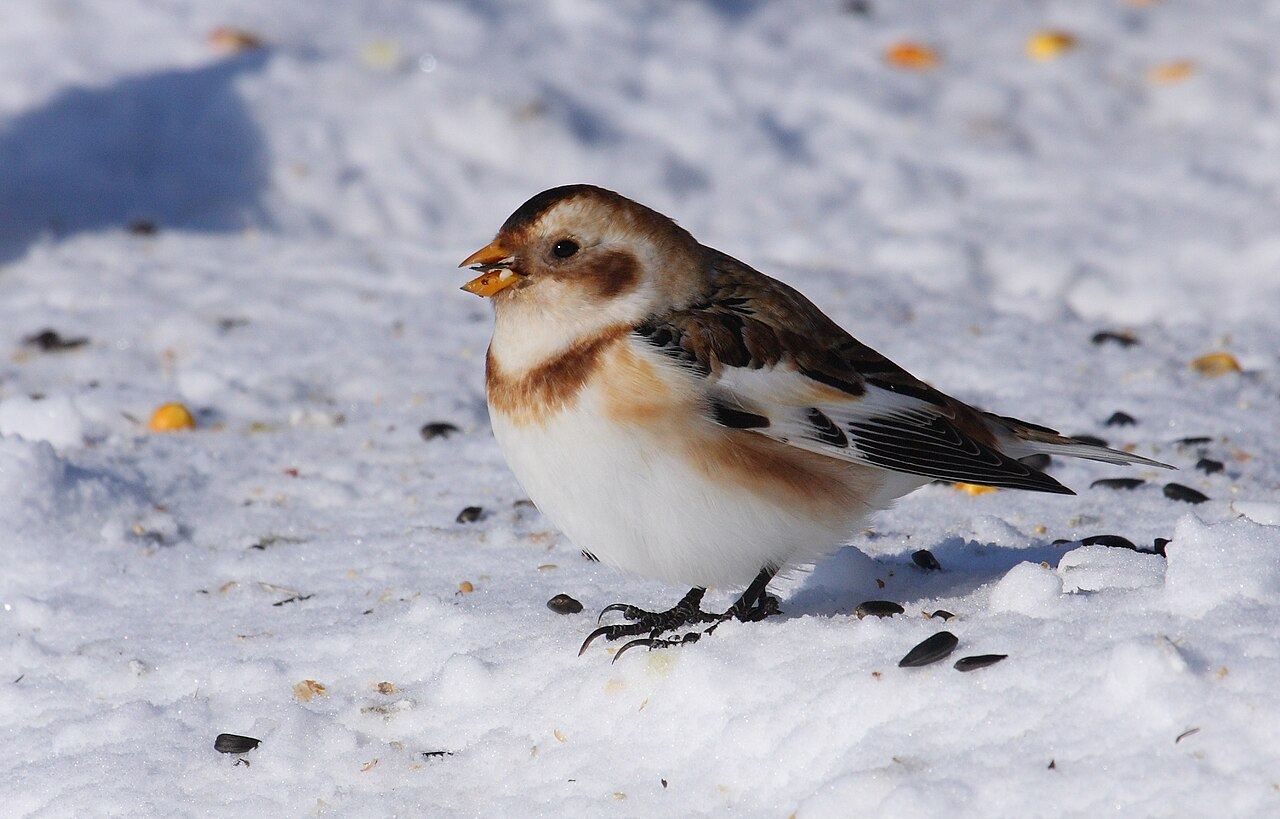
Plectrophenax nivalis
Winter visitorLucky
Small parties on shingle and the tideline at Grune Point and Walney in late autumn, and the odd bird on the high fells in winter; Cumbria Bird Club's only 2016 record was eight at Grune Point on 13 November, and a bird was photographed at about 900 m on Helvellyn in March.
Where: Grune Point and Skinburness Marsh, South Walney Nature Reserve and Walney Bird Observatory
Listed under Schedule 1 of the Wildlife and Countryside Act, so it is illegal to disturb snow buntings; a scarce breeder in Scotland, more widespread in winter when continental birds arrive. Source ↗
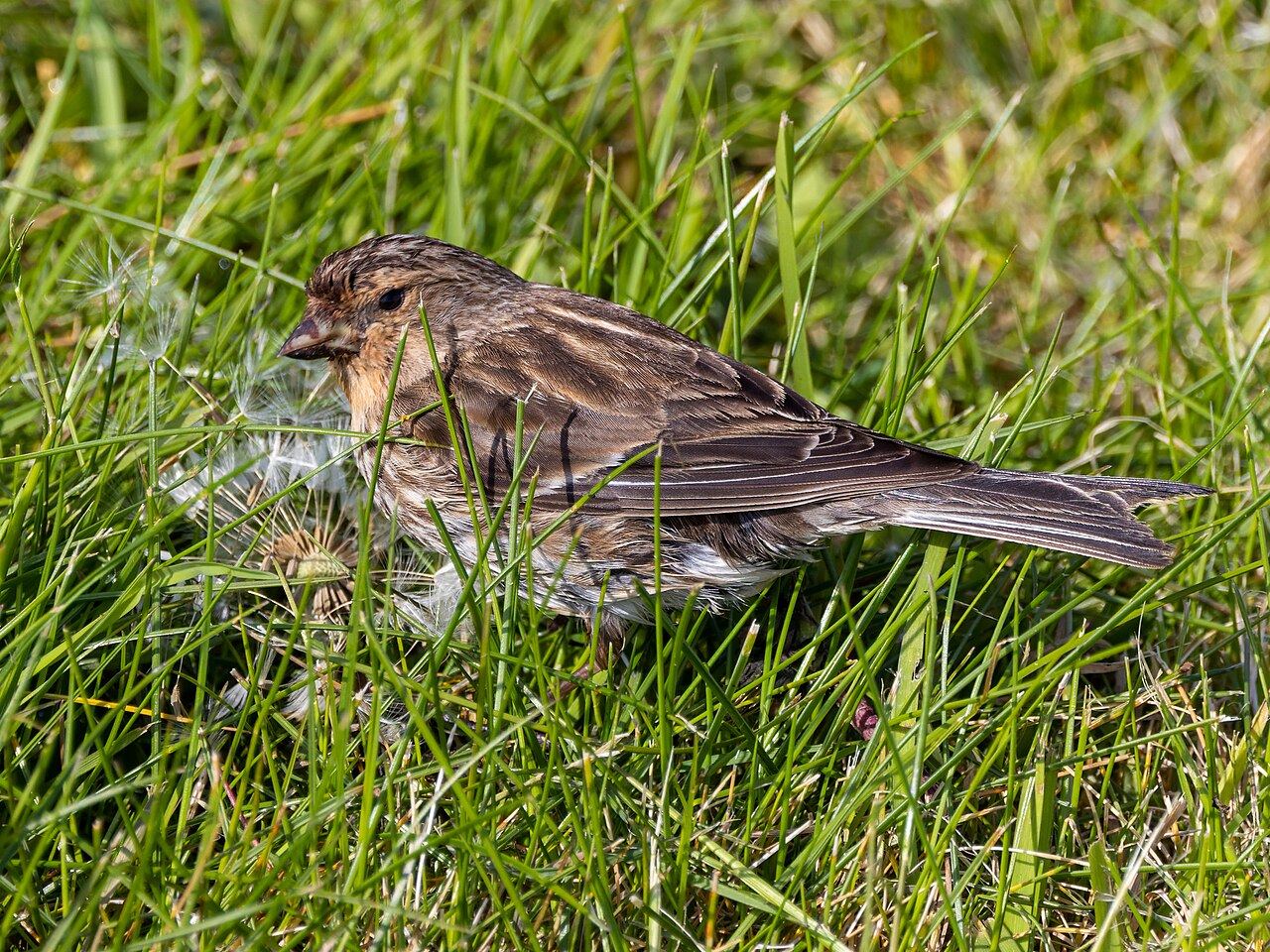
Linaria flavirostris
Winter visitorLucky
Winter flocks feed on saltmarsh seed heads on the Solway and around Walney; Cumbria Bird Club recorded flocks of 250 on Border Marsh, 180 at Walney and 30 at Anthorn in autumn 2012. Separate from linnet by the tawny face, shorter tail and stubbier bill.
Where: South Walney Nature Reserve and Walney Bird Observatory, Anthorn, Cardurnock and Moricambe Bay, Burgh Marsh and Drumburgh, Grune Point and Skinburness Marsh
Red listed and closely related to the linnet; like the linnet it feeds on seeds all year round. Source ↗
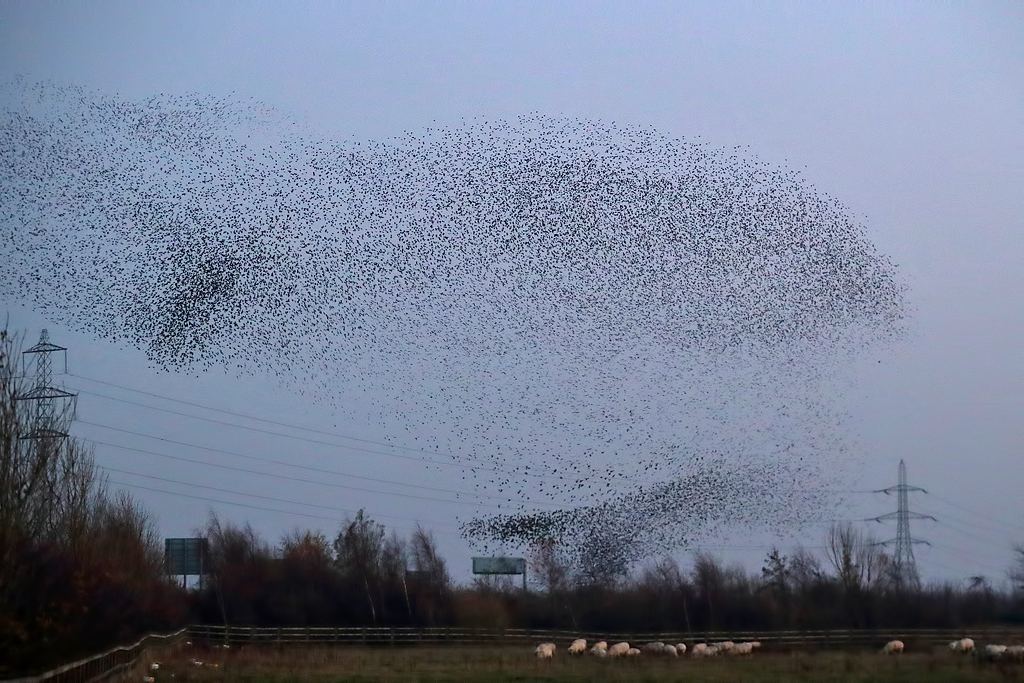
Sturnus vulgaris
ResidentFair chance
Murmurations form at dusk from November to February. Visit Cumbria names Gilcrux, the Solway near Silloth, Orton, Walney Island and Carlisle as places they have been seen, and a roost in the valley south of Distington drew thousands in December 2024; RSPB Leighton Moss in Lancashire is the reliable reserve. Roosts move, so check recent sightings before travelling.
Where: RSPB Leighton Moss (Lancashire), South Walney Nature Reserve and Walney Bird Observatory
Starlings declined by 57 per cent between 1995 and 2023 and are Red listed; murmurations give safety in numbers, warmth and a chance to share information about feeding grounds. Source ↗
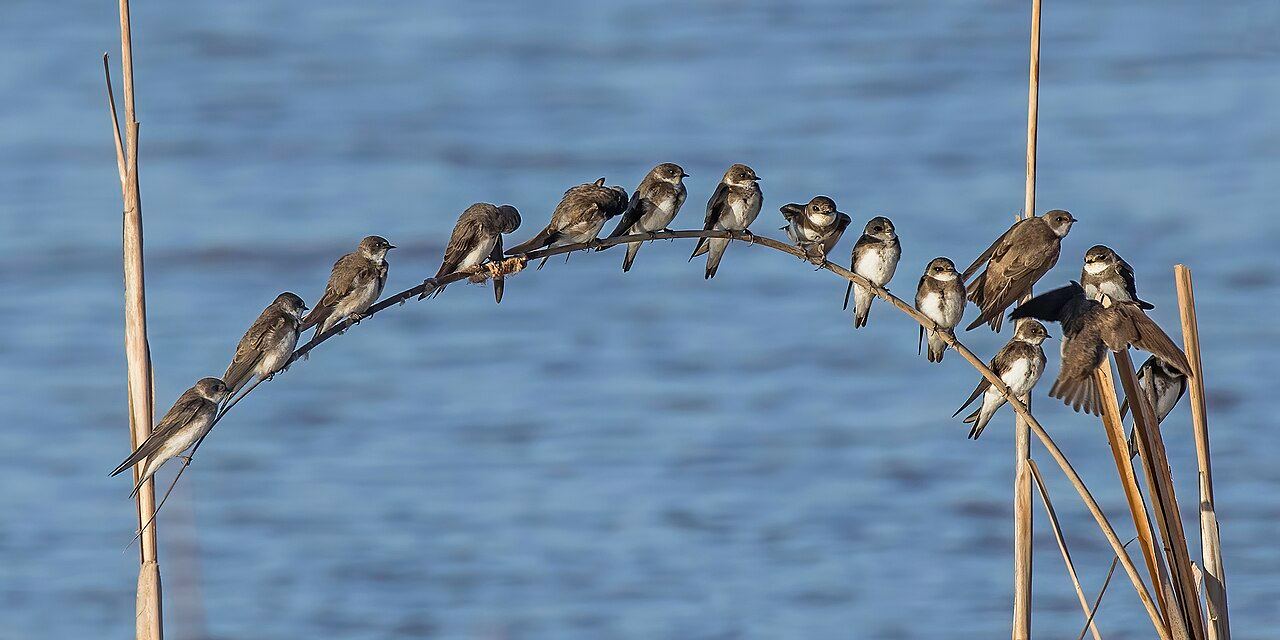
Riparia riparia
Summer visitorFair chance
Colonies in sandy river banks such as the Eden and its tributaries, which Cumbria Bird Club has surveyed; passage flocks feed over Grune Point and the Solway shore in spring and autumn. The first hirundine of the year, usually in March.
Where: Grune Point and Skinburness Marsh, River Eden at Wetheral and Armathwaite
Sand martins dig burrows in steep sandy cliffs, riverbanks or gravel pits and line the chamber with grass and feathers. Source ↗
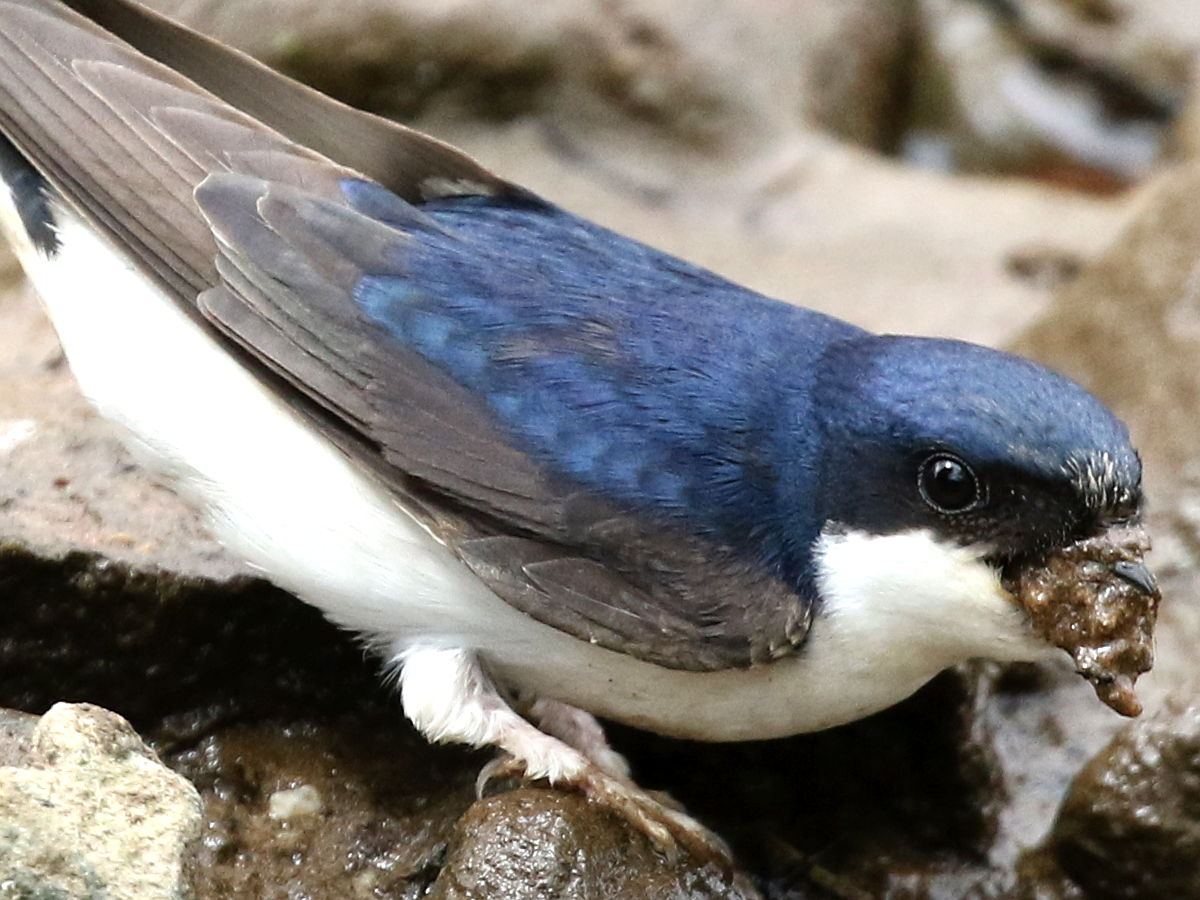
Delichon urbicum
Summer visitorEasy
Mud nests under the eaves of houses in villages across the county from late April to September; watch for the white rump. Passage flocks gather along the coast at Grune Point in autumn.
Where: Grune Point and Skinburness Marsh
Red listed; a pair builds its nest from around a thousand pellets of mud collected in their beaks. Source ↗
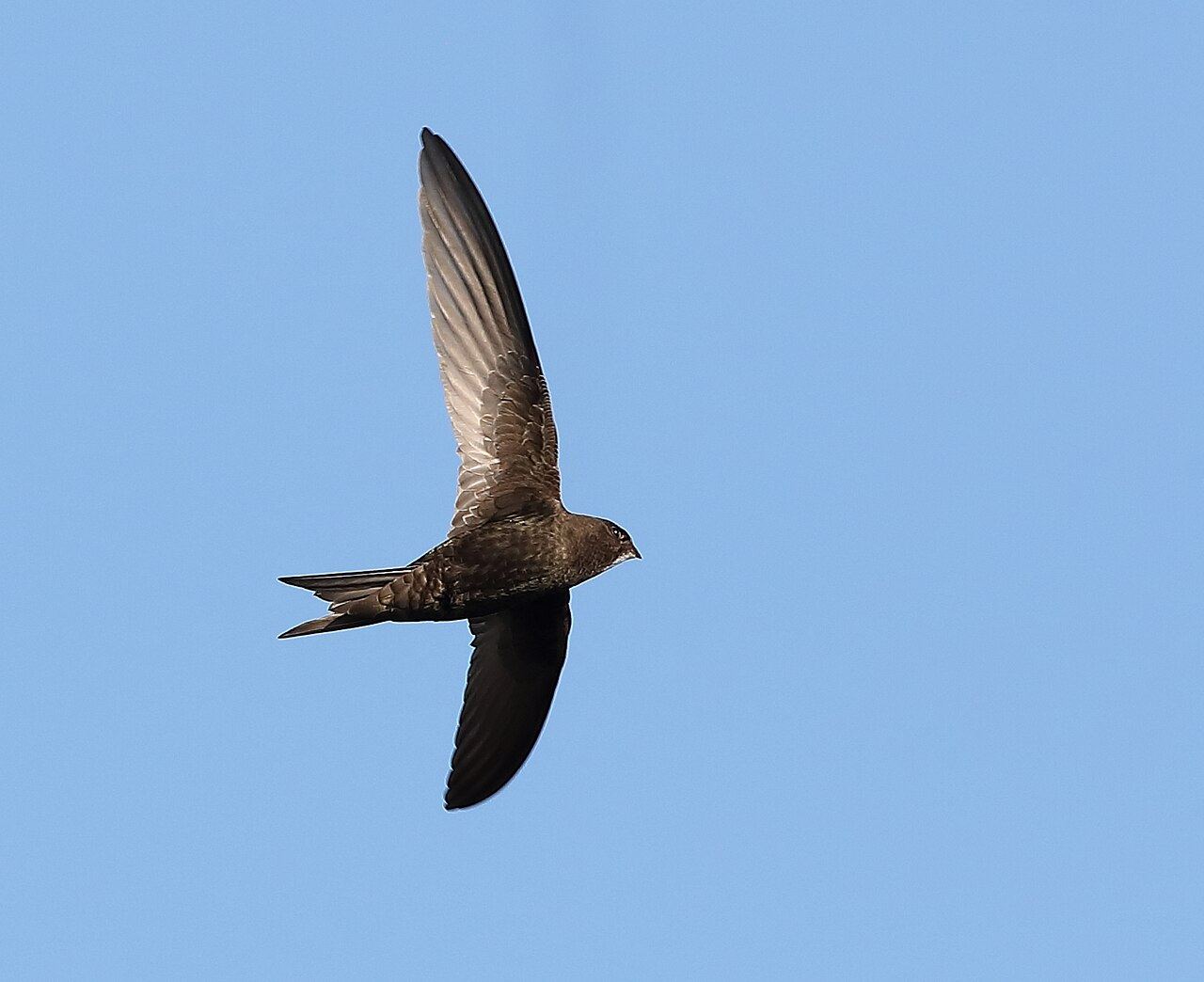
Apus apus
Summer visitorEasy
Screaming parties over town centres such as Carlisle, Penrith and Kendal on warm evenings from May to late July; swifts nest in old buildings and are gone again from early August.
Swifts sleep, eat, bathe and even mate on the wing, and one can fly around two million miles in a lifetime; UK numbers fell by 62 per cent between 1995 and 2021. Source ↗
Aquila chrysaetos
HistoricLucky
England's only golden eagles lived in Riggindale at Haweswater from 1969; the last female died in 2004 and the lone male was last seen in November 2015. In 2025 young satellite-tagged eagles from the South of Scotland Golden Eagle Project explored the Lake District and North Pennines, so a sighting is possible but cannot be planned.
Where: RSPB Haweswater
Between 1970 and 1996, 16 young were produced at Haweswater, and a second Lake District pair fledged four chicks between 1975 and 1983. Source ↗
Haliaeetus albicilla
HistoricLucky
Not resident in Cumbria. The last recorded breeding attempt was at Haweswater in 1787, and a steering group led by the Lifescape Project with the National Park, Cumbria Wildlife Trust and the RSPB is consulting on a reintroduction. Young eagles from Scotland are nomadic in their first years, so a wandering bird is possible.
Where: RSPB Haweswater
The largest UK bird of prey, nicknamed the flying barn door, with nests up to 1.8 metres across, about the size of a double bed. Source ↗
Odds are for someone who goes to the right place in the right month and gives it an hour. Species facts are linked to the RSPB or BTO page they came from.
Where to go
Back to the overview
Ospreys
Free, and you choose: the family weekend edition on Friday mornings, the grown-up Sunday edition on Sunday evenings, or both.
No spam, no ads. Unsubscribe from any email with one click. Privacy