Where to See Red Deer in Cumbria: the Martindale Rut and Beyond
October is when the stags roar. Here is where to stand, what time to set the alarm for, the rules the estate actually asks you to follow, and the dry, warm alternatives for the day it rains. Checked on 30 September 2026.
The best place to see the red deer rut in the Lake District is Martindale, the valley south of Ullswater beyond Howtown, where the Dalemain Estate keeps what it calls the oldest native pure-breed red deer herd in the UK; you watch from the valley road and the two permitted paths, never from the sanctuary itself. Riggindale at Haweswater is the other reliable spot, with RSPB guided rut walks on 8 and 10 October 2026. The rut runs from the end of September into November and peaks in October, at dawn and dusk.
The red deer rut in the Lake District is the one wildlife event round here you can plan a day around with a fair chance of it actually happening. The stags roar. A proper chesty, bad-tempered bellow that rolls off the crags and makes a six year old stop talking for four full seconds, a record in our house. It starts at the end of September and is loudest through October. This is where to go (Martindale first, then Haweswater), what the estate asks of you, how early you really need to be up, and what to do when the cloud is on the tops and the deer have more sense than you.
Checked 30 September 2026. Martindale can close at short notice for deer management, so the organiser links are the ones to trust. The wider October picture is in my autumn guide; this one is just the deer.
When is the red deer rut in the Lake District?
The British Deer Society puts the red deer rut from the end of September to November. The Royal Parks say September until early November. The National Trust says mid September to mid October. Put those together and the honest answer is: the first three weeks of October are your best bet, the fortnight either side is worth a go, and anything else is a nice walk with a rumour attached.
Time of day matters more than the date. Every source I checked says dawn and dusk. For planning: sunrise at Keswick is 7.31am on 10 October and 7.41am on the 15th. The clocks go back on Sunday 25 October, after which sunrise is about 7am and sunset about ten to five, so a half-term deer morning is easier than an early October one: civilised alarm, dark by teatime for the dusk shift.
If you hear roaring in October, it's red deer. Roe deer rut in July and August and bark like a dog; fallow deer, the spotty park ones down south, rut in October too but groan. Cheat sheet further down.
Martindale: the herd, the rules, and where you actually stand
Martindale is a dead-end valley running south from the Howtown side of Ullswater. Dalemain Estate manages it, and its page says the deer are the oldest, native, pure-breed red deer population in the UK, a last vestige of the Ice Age, with the hind forest centred on Rampsgill and The Nab. Cumbria Wildlife Trust says the herd has been there over 300 years and ranges into Mardale and Kentmere. Wikipedia is blunter: the upper valley round The Nab is a deer reserve not open to the public.
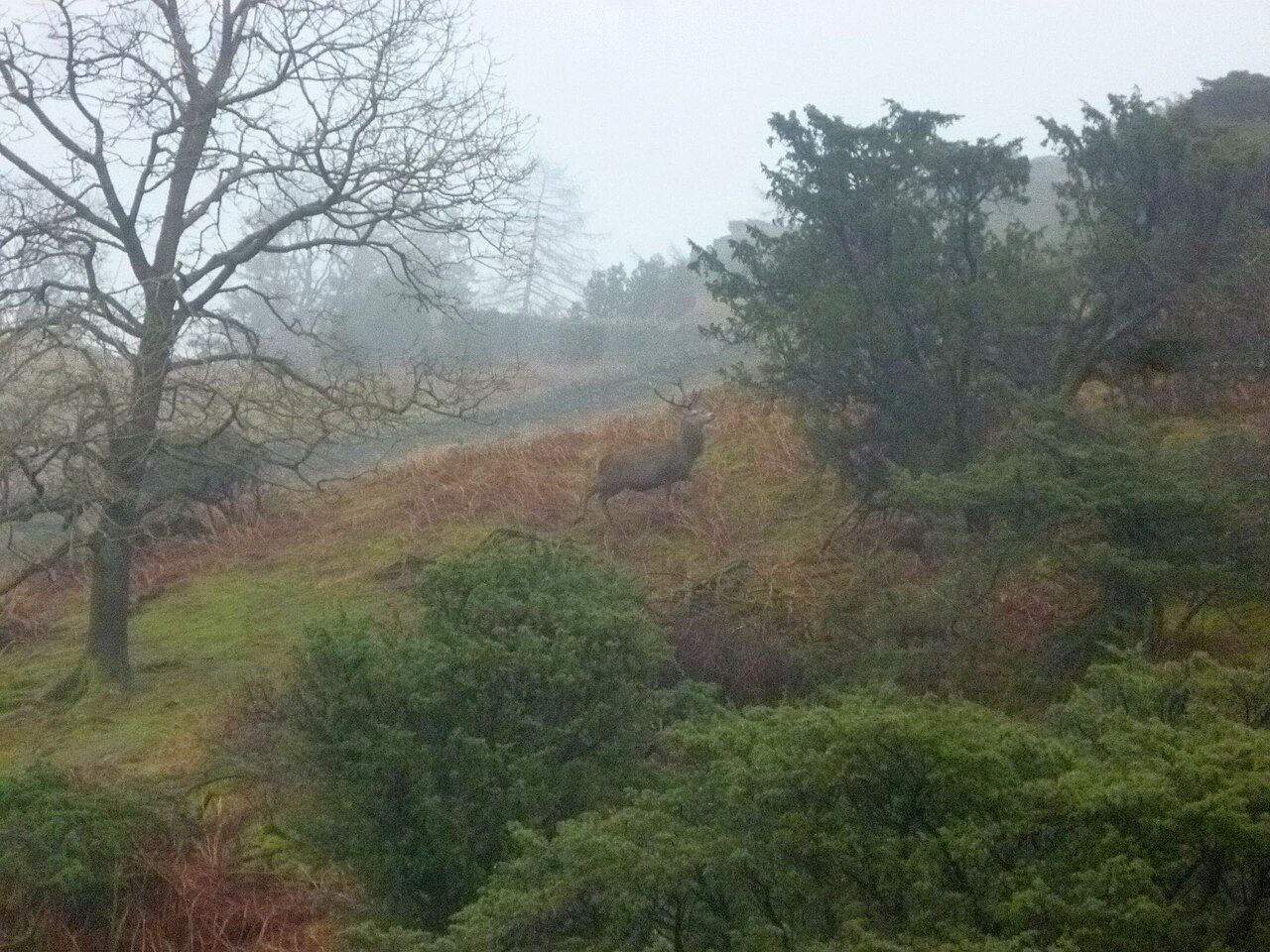
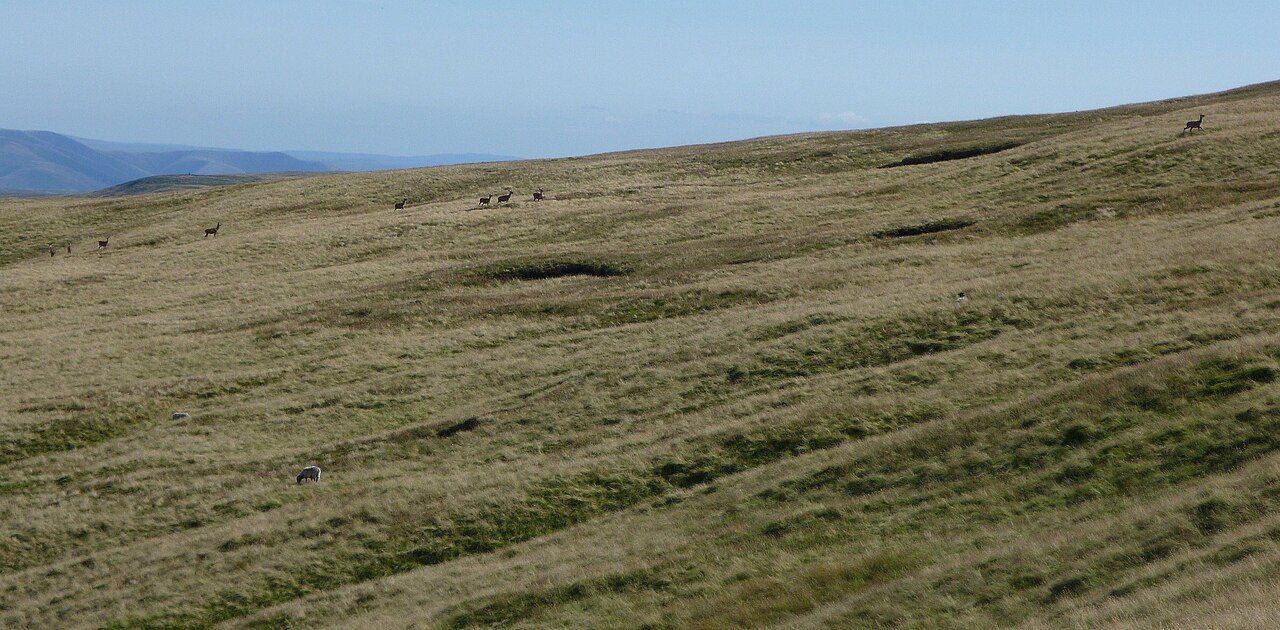
That last bit is the whole point. You don't go into the sanctuary. You stand on the public road in the valley bottom, or on one of the two routes Dalemain lists as open, and look up. In the rut the stags come down onto the open fellside, and Dalemain says the roaring echoes between the fells. Binoculars turn a brown dot into a stag with a harem; without them you're mostly listening, which is still worth the drive.
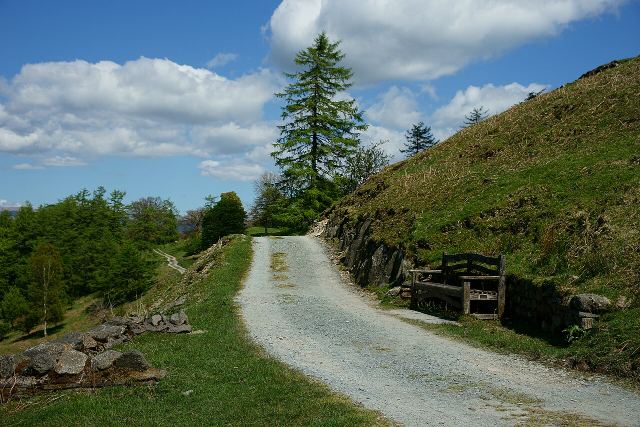
The road in is a narrow minor road from Howtown that climbs over a hause to St Peter's, the New Church (1880s), then drops half a mile to St Martin's, the Old Church, and on to Dale Head farm where it stops. Wikipedia says the parking by St Peter's is well used by walkers; leave the car there and walk in, because the road is a dead end and the valley is the point.
Dalemain's rules, near enough in its own words: keep away from the red deer at all times, no dogs in the sanctuary, no access through the fields on and below The Nab, and the protected area may be closed between September and February for deer management. The two open routes are Dale Head farm to Angle Tarn and Satura Crag, and the Old Church up to High Street via The Knott. Both are proper fell walks. The valley road is the family option.
Price
Free. Public road and public paths
Parking
Small area by St Peter's church on the hause; fills early on rut weekends, nothing bigger further up. Consider the steamer to Howtown instead
Toilets
None in the valley that I can confirm. Go in Pooley Bridge first
Check first
Ring the Dalemain Estate Office on 017684 86450, option 1, to ask whether access is open on your day. Closures between September and February are normal
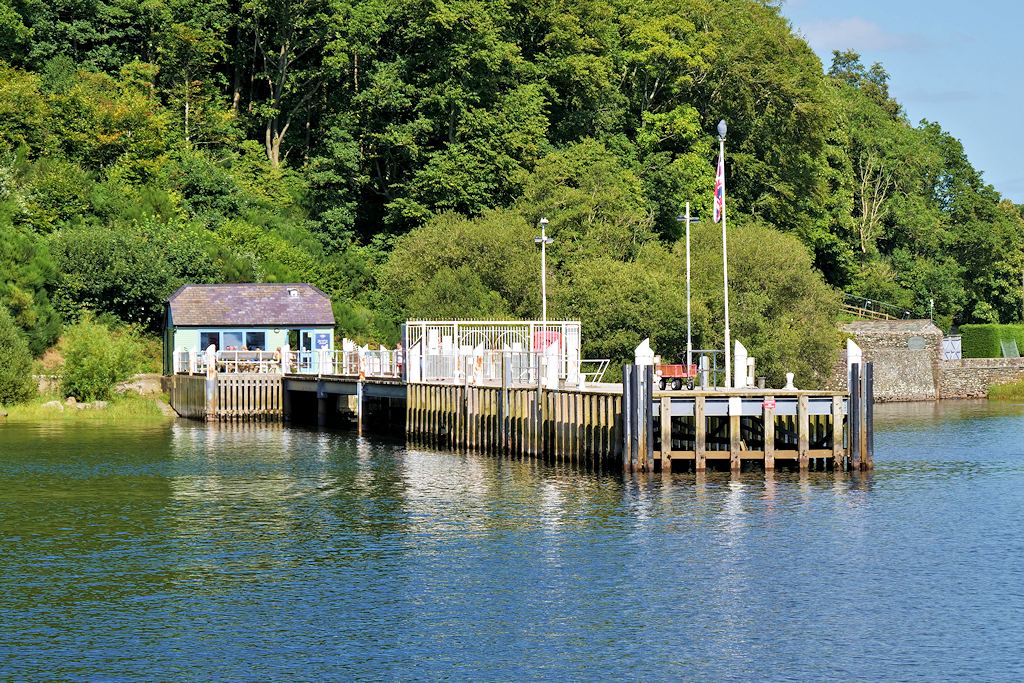
The car-free way in, and on a rut weekend probably the calmer one. Sail Pooley Bridge to Howtown pier, then walk up the lane and over the hause into Martindale (uphill, no bus, so budget the time). At the time of writing an adult return to Howtown is £16.50, a child (5 to 17) £11.50, a family of four £50.25, dogs £1.50. The first sailing is not a dawn one, so this is the daytime and dusk option.
Price
Adult return £16.50, child £11.50, family £50.25, dogs £1.50, at the time of writing
Parking
Pay and display at Pooley Bridge and Glenridding; both fill by mid morning in half term
Toilets
At the piers
Check first
Which timetable is running, and the last boat back from Howtown. Miss it and you're walking
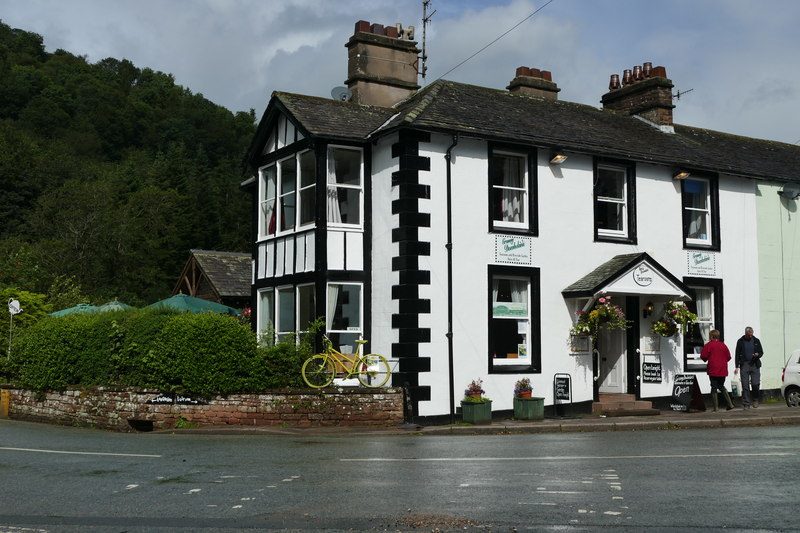
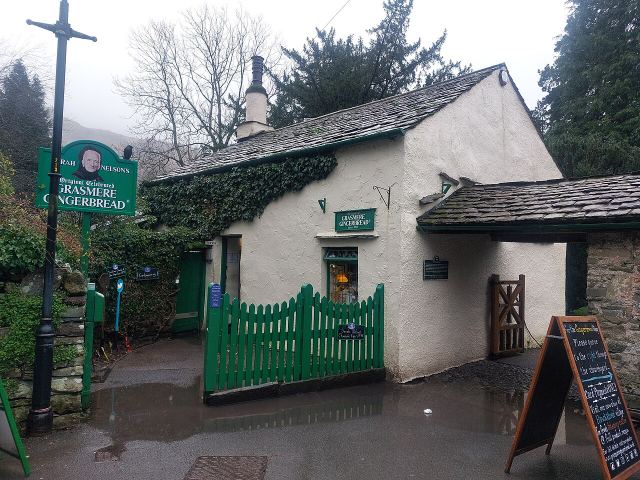
The answer to what do we do at half past nine when we've been up since six. Ullswater's tourism directory lists it as open every day, serving a hearty breakfast, with a garden by the river, dogs welcome and gluten-free options, right by the bridge in the middle of the village (CA10 2NP). I couldn't confirm the opening hour on a given day, so treat breakfast as likely rather than promised.
Price
Cafe prices; not listed online
Parking
Village pay and display, a short walk
Toilets/buggies
Yes, and it says wheelchair accessible, so a pushchair is fine
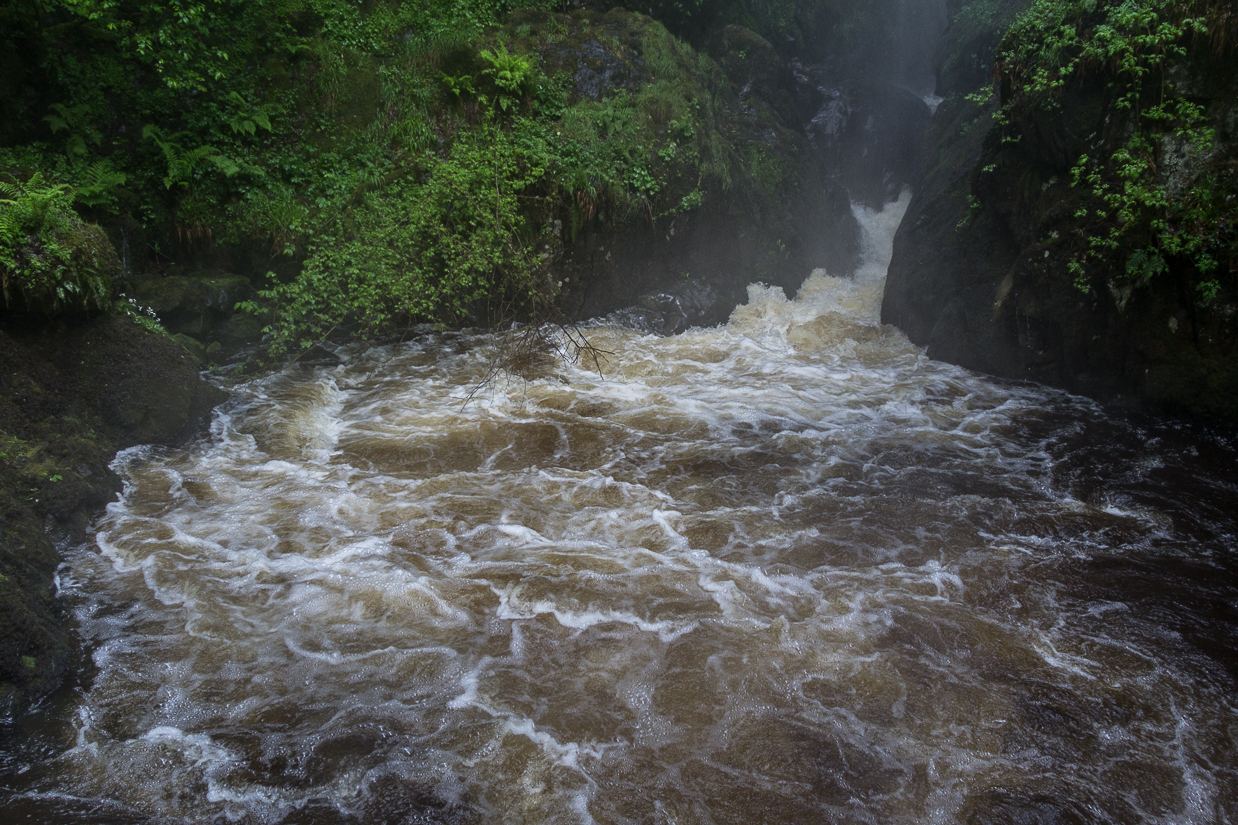
The natural second half of a Martindale morning, back round the lake on the A592. The National Trust says Gowbarrow Park was once home to a large deer herd, a nice line for the kids while they moan about the steps, but it's Herdwicks up there now. The waterfall is 20 to 30 minutes each way on steep, rough paths, not a pushchair route. Car park open dawn to dusk, tea room 10am to 4.30pm. Non-member parking is £7 for two hours, £8.50 for four, £10 all day at the time of writing. Dogs on leads.
Price
Free to walk. Car park £7 (2 hrs), £8.50 (4 hrs), £10 (day) for non-members
Parking
Main car park CA11 0JS plus three smaller ones; the main one fills by late morning in October
Toilets/buggies
Small toilet block with an accessible toilet in the main car park. Not a pushchair walk
If Martindale is closed, or you'd rather have a warden tell you what you're looking at, go round the far side of High Street to Haweswater. The RSPB runs the reserve with United Utilities, the National Park's wildlife blog says red deer are there all year round, and Cumbria Wildlife Trust says there are good views of them in the rut. Riggindale, the side valley west of the reservoir head, is where the RSPB takes its rut walks.
Drive south from Bampton along the reservoir to the car park at the very end of the road. The RSPB says it's open at all times and I can find no charge. The rut walks head up Riggindale from here; the RSPB's past twilight version was a mile and a half each way. Dogs are welcome on the footpaths under close control, which in the rut I'd read as on a lead, or left at home.
The bit nobody tells you: there are no toilets. The RSPB's own page says the nearest public ones are in Shap, about ten miles away. With small children that changes the plan.
Price
Free
Parking
Mardale Head car park, CA10 2RP, open at all times, at the end of a narrow road along the reservoir
Toilets
None. Nearest public toilets in Shap, about ten miles away
Check first
The road in bad weather, and whether a guided walk is on that day (the car park fills when one is)
Two dates in 2026: Thursday 8 and Saturday 10 October, 7am to 11am, meeting at Mardale Head. RSPB Assistant Warden Richard Smith leads a stroll up Riggindale to watch the stags and explains why deer numbers are managed as part of restoring the landscape, the grown-up conversation behind the roaring. Booking is through the RSPB events site; the price wasn't shown on the listing when I checked. The RSPB has also run a twilight version here in past years (ages 14 and up, torches provided); I found no 2026 date, so ask.
Price
Not shown on the listing; check the RSPB events page
Parking
Mardale Head, arrive before 7am
Toilets
None at Mardale Head
Check first
Booking, price and whether children are welcome; the twilight walks have been 14 plus
New for 2026 and timed for the rut. Rheged, the big turf-roofed centre by junction 40 of the M6 outside Penrith, is putting on a day about Cumbria's red and roe deer. If your Martindale dawn gets rained off this is the fallback, and with a six year old it might be the better day.
Rheged, Penrith
Lakes Deer Fest
Saturday 10 October 2026, 9.30am to 5.30pm, free to attend. Rheged promises free wild venison burgers, live butchery and cookery demos, a festival trail with prizes, willow weaving, a photography exhibition, live music and storytelling, plus talks with the Forestry Commission, a Working with Wildlife careers panel and one on drones and deer conservation.
The one I'd book is Behind the Lens at 10.30am: Deb Heath, the British Deer Society's photographic ambassador and its 2025 Photographer of the Year, on fieldcraft and getting the shot without bothering the deer. Free, but a booked slot. And if your child will be upset that the burger is the animal on the poster, have that chat in the car.
Price
Free entry; a few talks are booked slots, also free at the time of writing
Parking
Free at Rheged. Staying over five hours? Register your plate with the cafe or deli or you can get a parking charge
Toilets/buggies
Yes; step-free throughout, and there's indoor play
Check first
Talk times and which need booking, on Rheged's event pages
Red deer elsewhere: Grizedale, Ennerdale and the honest odds
Martindale and Haweswater are where an October sighting is likely rather than lucky. The rest of the county has red deer, but they're woodland animals here and you take your chances. Ennerdale is the cautionary one: the National Trust says around 100 roe deer live in the valley and red deer only pass through as a transient herd. Go for the quiet, not the rut. Grizedale is the better bet.
The National Park's wildlife blog calls Grizedale a fantastic place to spot red deer, and Cumbria Wildlife Trust lists it as home to red and roe. It's about 2,500 hectares between Coniston Water and Windermere, so the deer have plenty of room to not be where you are; try the quieter trails at opening or closing time. What it has that Martindale doesn't: toilets, Cafe Ambio (10am to 5pm), bike hire, the Room on the Broom trail and a roof. Parking is £2.90 for the first hour then 70p per 15 minutes, £14 max, at the time of writing. Nature's Nightlife family walk on Monday 26 October, 5pm to 7pm, £8 a head, is a torchlit half-term wander and a fair bet for hearing something in the dark.
Price
Free to walk. Parking £2.90 first hour, then 70p per 15 minutes, £14 max
Parking
Main car park LA22 0QJ plus smaller ones; first 20 minutes free
Toilets/buggies
Accessible toilets at the visitor centre; several trails are pushchair-friendly forest road
Check first
Booking for Nature's Nightlife (26 October, and Forestry England also lists the 29th)
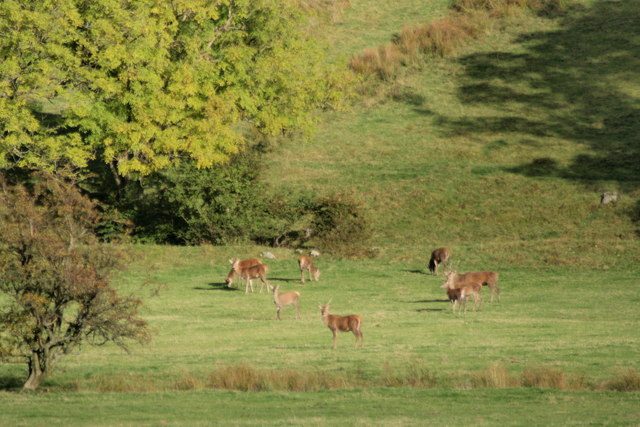
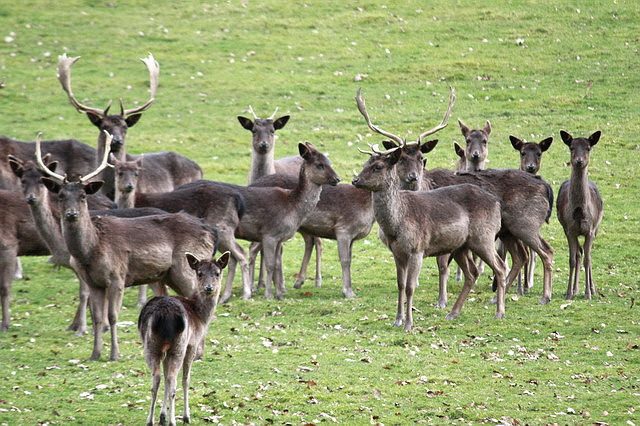
If a dark start and a fellside aren't happening this year (toddler, bad knee, good sense), the estate deer parks in the south of the county give you deer at a distance you can actually see, on flat paths, with a cafe at the end. These are fallow deer, Norman imports about 900 years ago according to Holker, spotted or black with flat palmate antlers. The National Trust says they rut once the weather turns cold, usually October; the noise is a groaning belch rather than a roar. Less majestic. Still funny. Dallam Tower at Milnthorpe has a third fallow herd with footpaths through the park, per Historic England.
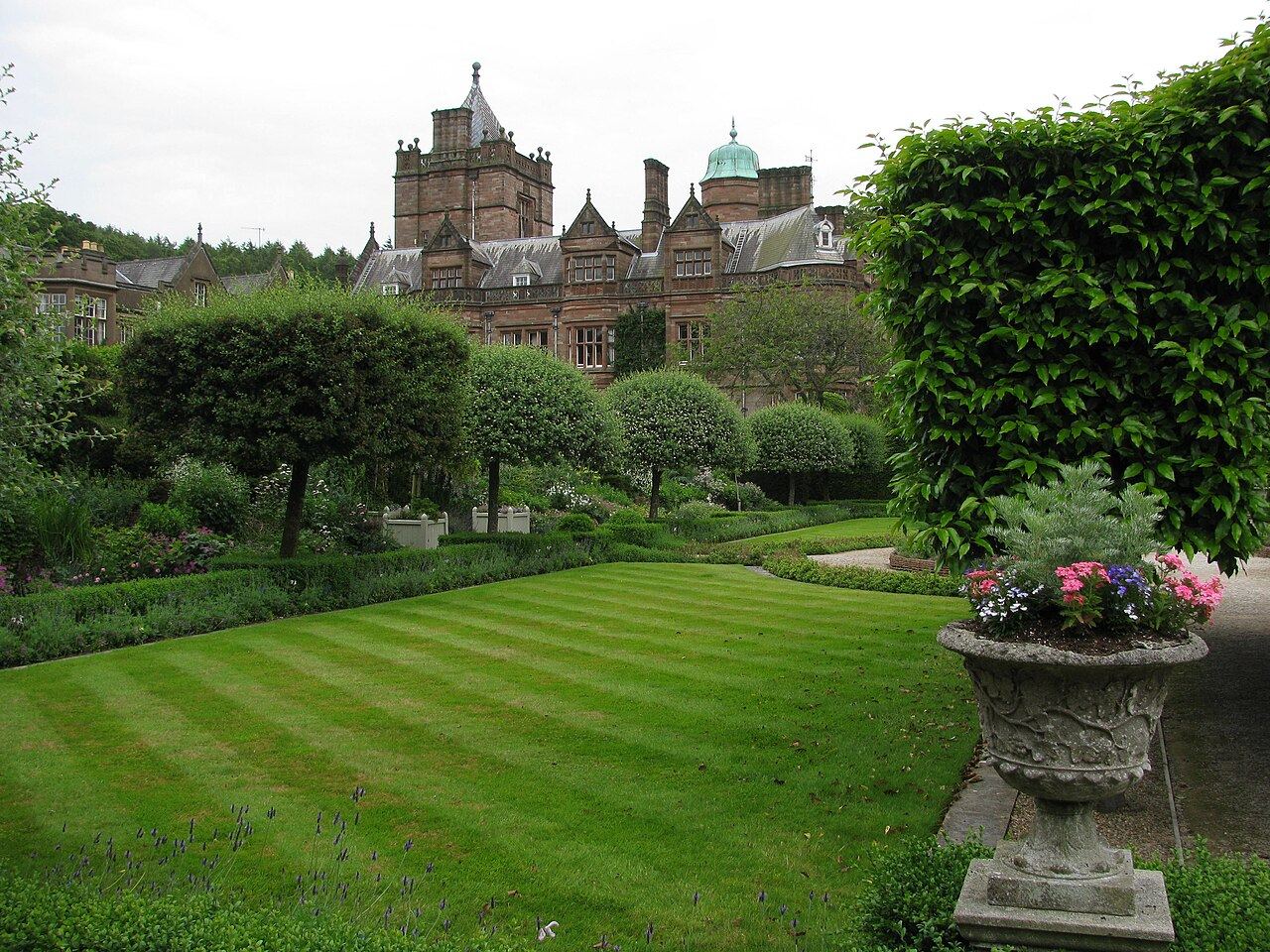
Holker says the herd is menil fallow deer, visible year-round but shy, and asks for a respectful distance; the deer park is listed as open March to October, so this is last call. Hall and gardens open Wednesday to Sunday plus bank holiday Mondays, 10am to 5pm; gardens-only entry is £11.95 for adults, under 12s free, at the time of writing. Dogs on leads everywhere except inside, wheelchair access throughout bar the Hall's first floor, Courtyard Cafe 10am to 5pm. From the Almanac: Supper and Stories on Thursday 8 October at 6.30pm (£29.95) has Joe Groom, Forestry England's wildlife officer, on why deer are managed, then a wild venison haunch. Grown-ups only, no veggie option.
Price
Gardens £11.95 adult, under 12s free; Hall and gardens £15.95, at the time of writing
Parking
Free on site, Blue Badge bays near the courtyard
Toilets/buggies
Toilets including accessible ones at the Courtyard Cafe; flat gravel paths, pushchairs fine
Check first
Season end date (not on the page when I looked) and whether the deer park walk is open that day
No budget, no plan needed. Levens Hall's page says the park has held a herd of black fallow deer since the landscape was laid out about 300 years ago, alongside rare-breed Bagot goats (white coats, black faces, big curved horns, Britain's oldest documented goat breed). It's private but crossed by public footpaths from either side of Levens Bridge, opposite the Hall entrance, and open all year. Stay on the paths, dogs on a lead. The Hall and topiary gardens over the road run until 8 November 2026.
Price
Free to walk the footpaths. Hall and gardens are ticketed
Parking
The Hall car park is for Hall visitors; roadside space by the bridge is limited, so check before you go
Toilets/buggies
None in the park. Grass and track, fine for a rugged pushchair in the dry
Check first
Parking, and that the paths aren't diverted for estate work
A rutting red stag weighs up to 190kg by the British Deer Society's figures and hasn't eaten properly for weeks. The Royal Parks put it more bluntly: over 25 stone, up to 30mph, relaxed one minute and charging the next. Nobody gets hurt at Martindale because nobody gets close. Keep it that way by doing what the deer people actually say.
Distance: the BDS says never closer than 50 metres to any park deer and at least 100 from rutting deer; the Royal Parks say 50, or 100 if the stags are active; the National Trust says 150. Pick the biggest number you can live with. Binoculars are the whole trick.
Dogs: the BDS says ideally leave them at home; if one comes, on a lead and under close control. Dalemain bans them from the sanctuary. If a stag goes for your dog, the BDS says let it off, because it can outrun a deer and you can't.
Read the deer: a stag walking parallel to you and glancing sideways is weighing you up as a threat, says the BDS. Back off slowly. Don't shout, wave or run.
Never get between two stags, or a stag and his hinds, and don't block a deer's escape route. That includes photographers.
Stay out of the sanctuary and off the fields below The Nab, and ring first: 017684 86450, option 1.
Quiet. No calling to the stags, no imitating the roar (someone always does), no flash. If the roaring stops when you arrive, you're too close or too loud.
The rule of thumb I use with the kids: if you can tell which way a stag is looking without binoculars, you're already nearer than the estate wants you.
Red, roe or fallow? A two-minute cheat sheet
Red deer are the big ones. The BDS says stags weigh 90 to 190kg and stand 1.07 to 1.37m at the shoulder; the coat is rusty red in summer and brown in winter, so in October they're halfway through the change. Antlers are cast in March and April and clear of velvet by August or September, which is why stags look their best now. In the rut, stags roar and grunt.
Roe deer are the small dainty ones, 10 to 25kg, 60 to 75cm at the shoulder, little three-point antlers, white rump, no visible tail. They're on woodland edges everywhere at dawn and dusk (the National Park blog names Wescoe and Burns Wood at Threlkeld) and bark when alarmed. Their rut is July and August, so a roe in October is just having its tea.
A Saturday in October, planned backwards from the light
6.15am: leave Carlisle or Penrith with a flask and everyone's big coat already on. It's dark and you're the only car on the A592.
7am: parked by St Peter's on the Martindale hause (sunrise 7.31am on 10 October, 7.41am on the 15th). Walk down into the valley as it gets light. Stand on the road, listen, then look. Give it an hour.
8.30am: the kids are cold and have seen either eleven stags or a sheep. Round to Pooley Bridge for breakfast at Granny Dowbekin's (check the hour), then Aira Force, then on 10 October the Deer Fest at Rheged.
Dusk instead of dawn: same valley, arrive 4.30pm in mid October or 3.45pm after the clocks go back, stand until you can't see, drive out slowly. Nobody gets up early.
Haweswater version: Mardale Head for the 7am RSPB walk on Thursday 8 or Saturday 10 October, back via Bampton and Askham for a late breakfast, then Penrith for the afternoon. No toilets at Mardale Head. I keep saying it because it keeps mattering.
And the honest version: some mornings the cloud is on the deck, the stags are up in Rampsgill where you can't see them, and the only bellowing is from the back seat. That's what the Deer Fest, Grizedale's cafe and the fallow deer at Levens are for. October in Cumbria is a numbers game; carry a plan B in the boot.
Free, and you choose: the family weekend edition on Friday mornings, the grown-up Sunday edition on Sunday evenings, or both.
The weather call for the weekend, made for you
Every event checked against the organiser and linked
One proper adventure each edition, with parking and toilets
No spam, no ads. Unsubscribe from any email with one click. Privacy
Questions people ask
When is the red deer rut in the Lake District?
From the end of September to November according to the British Deer Society, with the peak in October. Go in the first three weeks of October at dawn or dusk for the best chance of hearing stags roar.
Where can I see red deer in the Lake District?
Martindale, the valley south of Ullswater beyond Howtown, which Dalemain Estate says holds the oldest native pure-breed red deer herd in the UK. Riggindale at RSPB Haweswater is the other reliable place, and Grizedale Forest has red deer in the woods if you are lucky.
Can you walk through the Martindale deer sanctuary?
No. Dalemain says there is no access through the fields on and below The Nab and the sanctuary can be closed from September to February for deer management. You watch from the public valley road or the two permitted routes (Dale Head to Angle Tarn, or the Old Church to High Street) and should ring 017684 86450 option 1 first.
Do deer rut at night?
Red deer are most active at dawn and dusk, which is when the roaring is loudest, and every source I checked says to go then. There is nothing to see in the dark, and Dalemain asks people to keep away from the deer at all times, so aim for first light or the last hour before dark.
Are red deer dangerous during the rut?
They can be. The Royal Parks say a stag can weigh over 25 stone and hit 30mph, and can switch from calm to charging in a moment. Keep at least 50 metres away, 100 or more from rutting stags, keep dogs on a lead or at home, and never get between two stags.
Is the road into Martindale suitable for cars?
It is a narrow minor road from Howtown that climbs over a hause to St Peter's church, where there is a parking area, then runs up the valley to a dead end at Dale Head farm. Take it slowly, park at the church and walk; the Ullswater Steamer to Howtown is the alternative.
What is the Lakes Deer Fest?
A new free festival at Rheged near Penrith on Saturday 10 October 2026, 9.30am to 5.30pm, about Cumbria's red and roe deer, with talks, films, free wild venison burgers, cookery demos and children's activities including willow weaving and a festival trail.
Sources and further reading
Facts checked against these pages on Wednesday 30 September 2026. Opening times and prices change, so confirm with the venue.