Things to Do in Barrow-in-Furness and Walney Island
A ruined abbey that was once among the richest in England, a free museum built inside a Victorian dry dock, and an island at the end of the road where the seals outnumber the queues.
A ruined abbey that was once among the richest in England, a free museum built inside a Victorian dry dock, and an island at the end of the road where the seals outnumber the queues.
The best things to do in Barrow-in-Furness are Furness Abbey (English Heritage), the free Dock Museum on North Road, the grey seals at South Walney Nature Reserve, and the beaches at Earnse Bay and Biggar Bank on Walney Island. Barrow Park, Sandscale Haws dunes at Roanhead, Roa Island and Dalton Castle are quieter extras, and the Piel Island ferry runs in spring and summer only.
Things to do in Barrow-in-Furness is a search most people only make once they're already on the A590 and the satnav has stopped mentioning the Lake District. Which is a shame, because Barrow has a proper medieval abbey, a museum that costs nothing, Cumbria's only grey seal colony and an 11 mile island with a beach on each side, and you won't spend twenty minutes circling Bowness for a parking space to see any of it.
Checked 1 November 2026. Opening days, prices and the Walney access road all change with the season (and, in the road's case, with the tide), so the organiser link on each place is the one to trust on the day.
We're a family from Carlisle with a six and a seven year old, and Barrow is the far end of the county from us, so this guide is built from the official pages rather than from boasting about our own day out. Where a page didn't say something, we've said so instead of guessing.
Yes, if you like your days out with a bit of space around them. Barrow is a shipbuilding town first and a tourist town a distant second, and that's the appeal. The abbey is huge and quiet, the Dock Museum is free, Walney Island gives you beaches, dunes and seals within twenty minutes of the town centre, and the Furness peninsula around it (Roanhead, Rampside, Roa Island, Dalton) is full of places most Lake District visitors drive straight past on their way to a tea room in Ambleside.
What it isn't is pretty in the chocolate box sense. There are cranes, a giant submarine shed on the skyline and the occasional fierce westerly that rearranges your hair into modern art. Bring a windproof and lower your expectations of a calm picnic, and it's a cracking day.
Barrow's secret weapon is that nobody queues for anything. The seals have better views than the people, and they don't seem bothered either way.
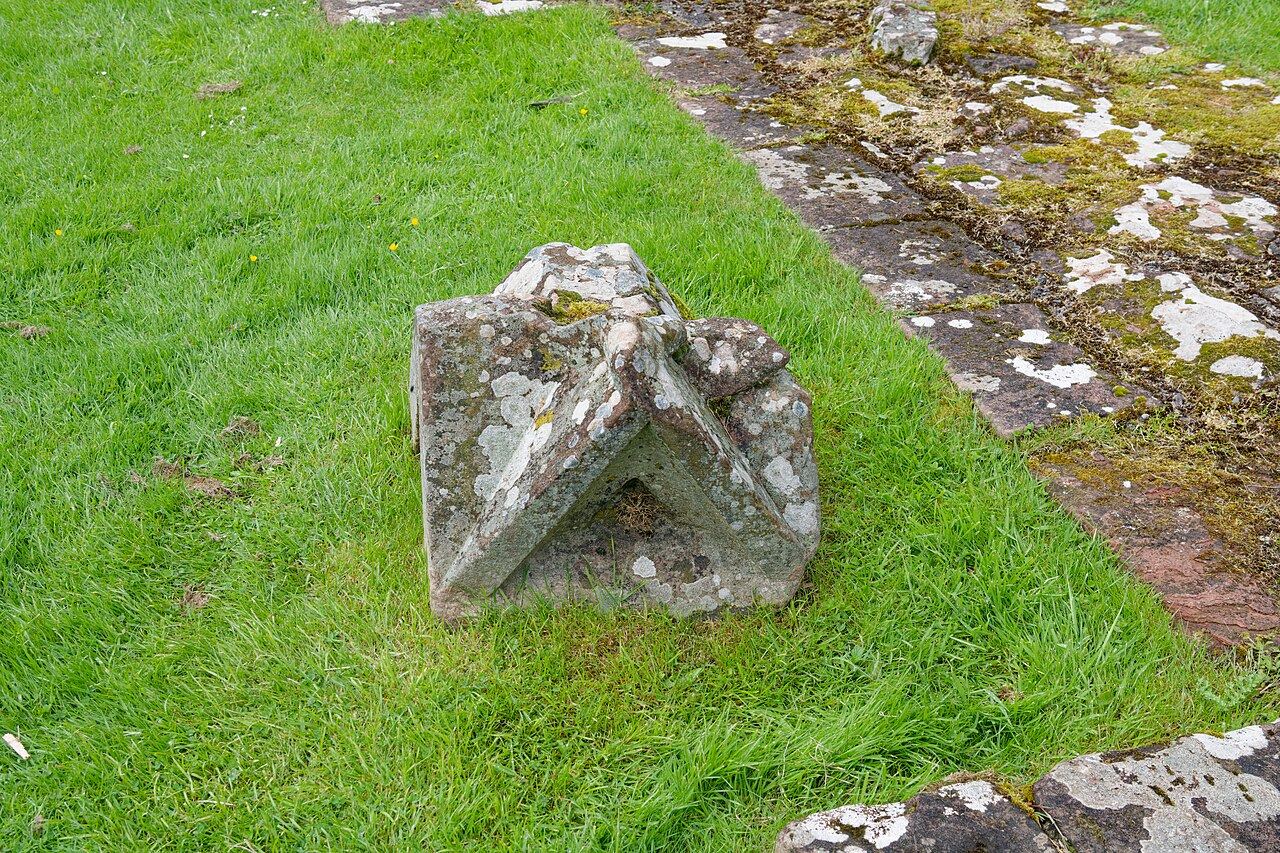
The red sandstone ruins of Furness Abbey sit in a wooded hollow on the edge of Barrow, and they're far bigger than you expect. English Heritage describes it as England's second richest Cistercian abbey, founded by Stephen, later King of England. The visitor centre has a permanent exhibition of stone carvings and effigies, including knights, which is usually the bit that wins over children who were promised 'some old walls'.
There's no cafe on site, just a vending machine for tea, coffee and hot chocolate plus ice creams and packed snacks, so a flask is a sound plan. There's no playground either, but there's plenty of grass to run on. The serious bit: English Heritage warns of several sheer drops into fast-flowing watercourses, the highest about 4 to 5 metres, so keep small ones close near the water.
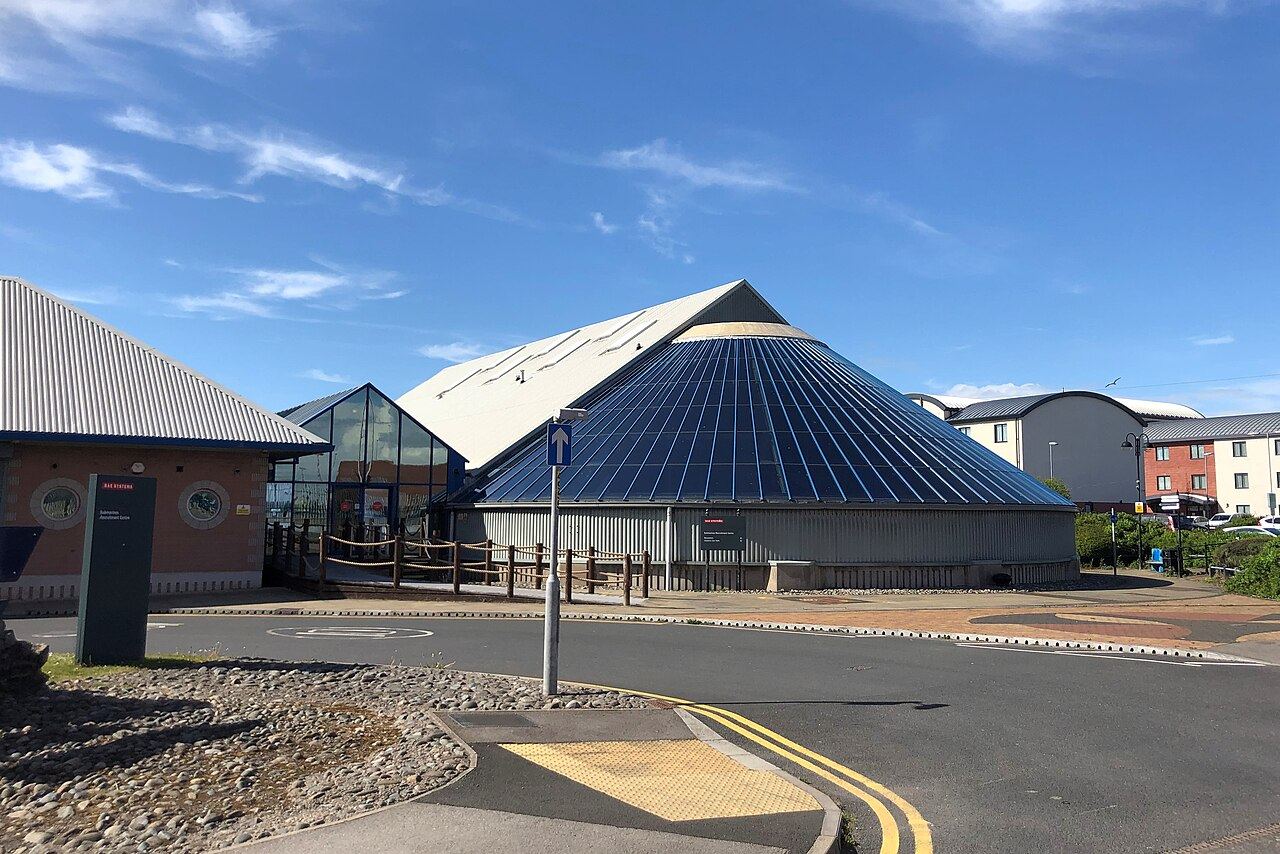
The Dock Museum takes its name from the Victorian dry dock it's half built into (opened in 1872 and Grade II* listed), and it tells Barrow's story through shipbuilding, ship launches and the Vickers photographic archive, with a New Shipyard Gallery that opened in August 2024. Outside there's a Watson-class lifeboat and a sea-themed playground, which is where the visit ends whether you planned it or not.
Admission is free, the Bridge Cafe does light meals and cakes, and on the first Thursday of each month there's Tiddlers, a free drop-in group for toddlers (18 months and up, babies welcome) with crafts and play. The next ones are Thursday 5 November and Thursday 3 December 2026.
Do both in a day and you've got the shape of it: abbey in the morning while the car park is quiet, museum and playground after lunch, and a short drive to Walney for the sunset if the weather allows. The museum shuts at 4pm and the abbey's last entry is 3.30pm, so on a winter day the light runs out about the same time as everyone's patience.
Walney is the long, thin island that shelters Barrow from the Irish Sea, about 11 miles from end to end and never more than a mile wide. You drive over the Jubilee Bridge (it has linked the island to the mainland since 1908) into Vickerstown, which was built as a planned town for Vickers shipyard workers, and then the houses thin out and it's dunes, wind and the odd kite surfer pretending it isn't cold.
South Walney is Cumbria Wildlife Trust's reserve at the southern tip of the island, and it's the only place in Cumbria where grey seals haul out. They can be seen at high tide all year round, and there are bird hides, waymarked trails of 1.5, 3 and 5 km, and breeding eider, oystercatchers and a nationally important gull colony. Cattle graze the reserve, which children find almost as exciting as the seals.
November is seal pupping season, and the Trust is firm about this: there's strictly no access to the beach or the area where the seals are, because a disturbed mother can abandon her pup. Stay on the marked paths and use the hides. One of them, the Groyne hide, was closed while a new hide was being built, so check before you set off.
The council calls Earnse Bay, also known as West Shore, 'by far Barrow's most popular beach', and it's the one most people mean when they say they're going down Walney. It's sand and shingle, faces west across the Irish Sea towards the Isle of Man and the offshore wind farms, and it's a well-known spot for kitesurfing and windsurfing. In summer it gets busy. In November you'll mostly have it to yourself and a dog walker with a very determined spaniel.
One change for this winter: Natural England started building a Beach School and work base for North Walney National Nature Reserve here in October 2026, and part of the public car park is cordoned off while the work goes on.
A few minutes south of Earnse Bay, Biggar Bank is the quieter bit of Walney's west coast: smooth pebbles and sand, a long grassy bank to walk along, and, according to Visit Lake District, a playground and a cafe. It's named after Biggar, the little village on the island's east side that may be the oldest settlement on Walney. Worth the detour because it gives you the same sunset as Earnse Bay with more room to stretch a picnic blanket, assuming the wind lets you.
North Walney is the other end of the island and a National Nature Reserve: sand dunes, salt marsh and mudflats, home to natterjack toads and the Walney geranium, a pink cranesbill found only on the island. The new building at Earnse Bay will be its headquarters. It's wilder and less signposted than South Walney, so keep to the paths and stay off the mudflats.
These are the places the big travel sites tend to skip. None of them will take a whole day, which is exactly why they're good: they slot in between the abbey and the beach, or rescue the afternoon when the six year old declares a museum strike.
Barrow Park is 45 acres of Edwardian town park designed by Thomas Mawson and opened in 1908, and it's on the national register of historic parks. It has a boating lake, a bandstand, a display glasshouse, playgrounds (including an inclusive swing seat, with harnesses on loan from the rangers), a concrete skate park off Park Drive and the Pavilion cafe. The town's cenotaph stands at the highest point, remembering almost 900 Barrovians.
The headline act for small people is the miniature railway, which runs on Sundays and bank holiday Mondays, 1.30pm to 4.30pm in winter. A Sunday morning at the abbey and a Sunday afternoon on a tiny train is about as good a free-ish day as Furness offers.
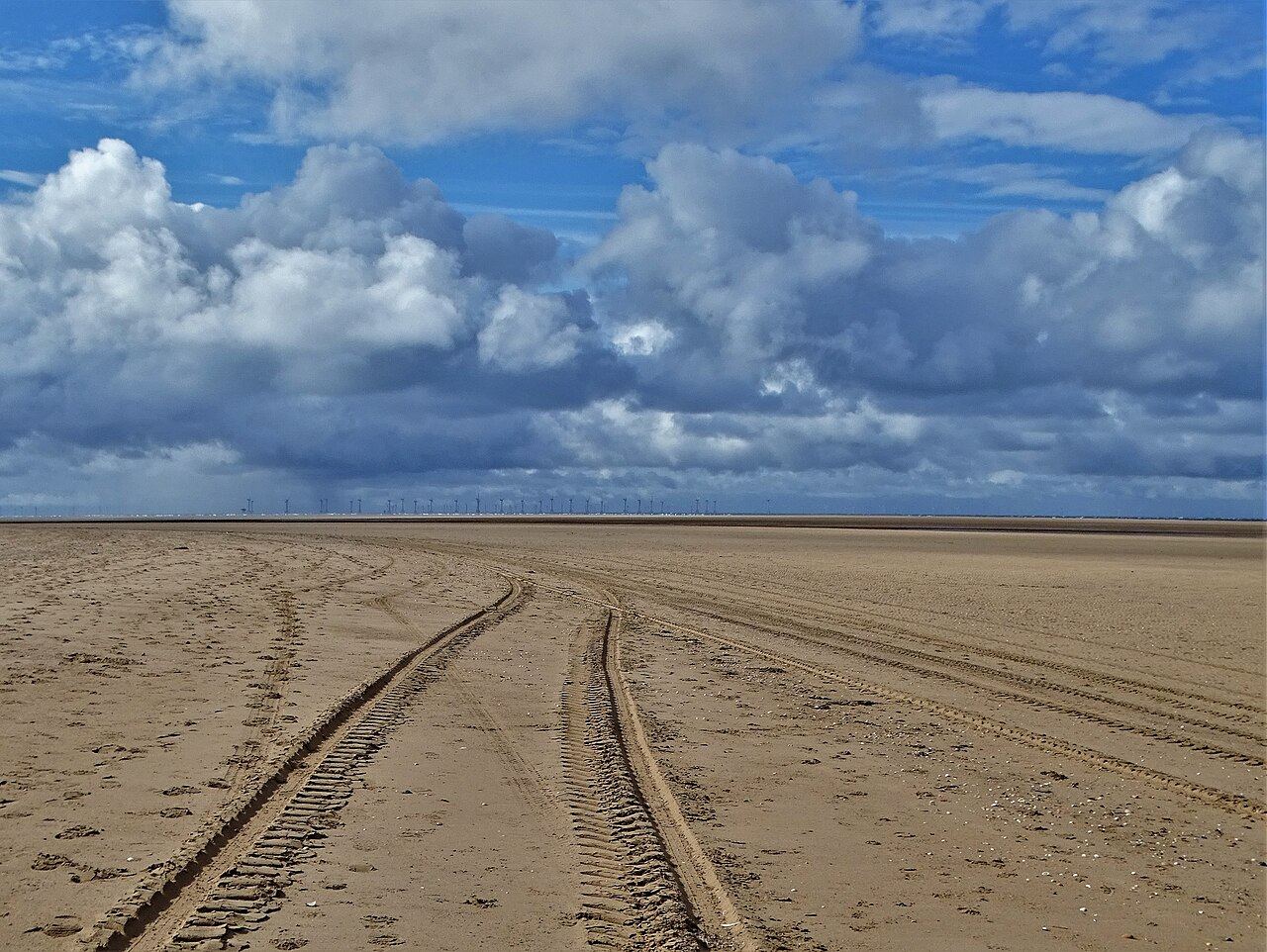
Sandscale Haws, the National Trust's dune reserve at Roanhead, is a few miles north of Barrow on the Duddon estuary. It's wild grass-covered dunes, new boardwalks down to the beach and views across to the Lake District fells, and it's one of the places rare natterjack toads breed. The toads are a spring thing, but the dunes are good for a blustery winter stomp at any time.
The beach is lovely to walk on and not a place to swim: the council says strong currents make Roanhead unsuitable for swimming. Stay off the estuary sands.
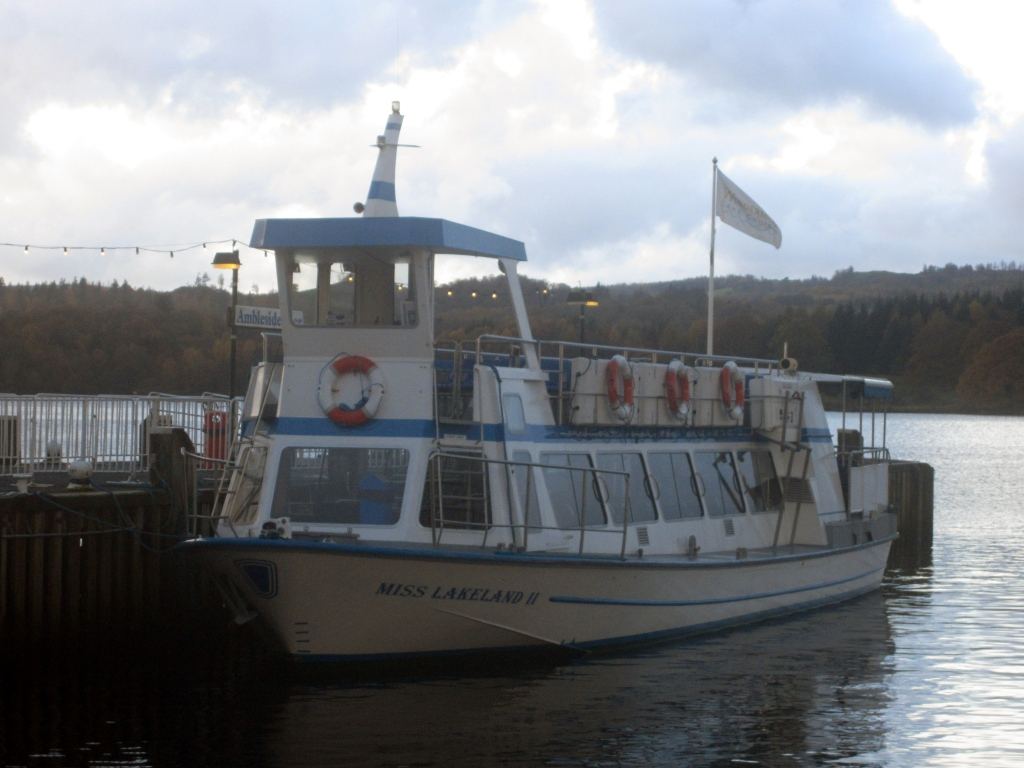
Roa Island is a tiny island joined to the mainland by a causeway from Rampside, south east of Barrow, and it's where the Piel Island ferry leaves from. The council lists toilets, a pub and a cafe at Rampside and Roa, and there's a free car park by Roa Island Boat Club. Even with the ferry tucked up for winter, it's a good short outing: you can look across to Piel Castle, watch the boats and tell the children that the castle is technically on another island, which feels like an achievement in itself.
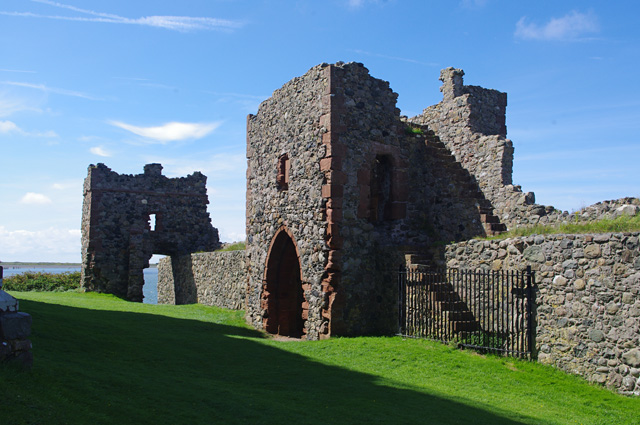
Piel Castle is a ruined English Heritage castle on Piel Island, free to visit during daylight hours. The catch is getting there: the only sensible way is the small ferry from Roa Island, which runs in spring and summer (Piel Island's own site says April to September, English Heritage says Easter to October), weather permitting. The island's pub, the Ship Inn, opens March to September. There's no electricity on the island and no shop, so pack food.
This one goes on the spring list. Visit Lake District mentions guided low-tide walks across the sands from Walney, and says plainly it is not safe without a guide. Never try to walk out on your own.
Dalton Castle is a 14th century tower in the market place at Dalton-in-Furness, built to assert the authority of the Abbot of Furness Abbey and later used as the manorial courthouse. The National Trust runs it, with a small museum room on the ground floor and 18 steps up to the first floor. A short drive from the abbey, it makes the two make sense together: the abbey was the money, the castle was where the abbot's people sorted out everyone else.
When the Irish Sea decides to come to you sideways, the Dock Museum is the obvious answer (free, warm, cafe, and the playground for the moment it stops). After that, Barrow's theatre programme is the thing. The Forum building is closed for now, so its shows are touring venues across Barrow, mostly the Victorian Town Hall on Duke Street.
This year's Forum pantomime, Sleeping Beauty, runs from Thursday 17 December 2026 to Saturday 2 January 2027 in the Banqueting Hall at Barrow Town Hall, with 11am and 2pm or 2.30pm shows on most days and evening shows on a few. It's a proper town panto in a proper Victorian town hall, which is half the fun, and the cheapest seats are cheaper than a round of hot chocolates at some Lake District cafes. Grown-ups get A Ghost Story for Christmas in the Queen's Hall on Thursday 26 November.
One honest gap: South Lakes Safari Zoo at Dalton is the other big name around here, but we couldn't get current prices or winter opening hours from its own website when we checked, so it isn't listed. If it's on your list, ring them before you set off.
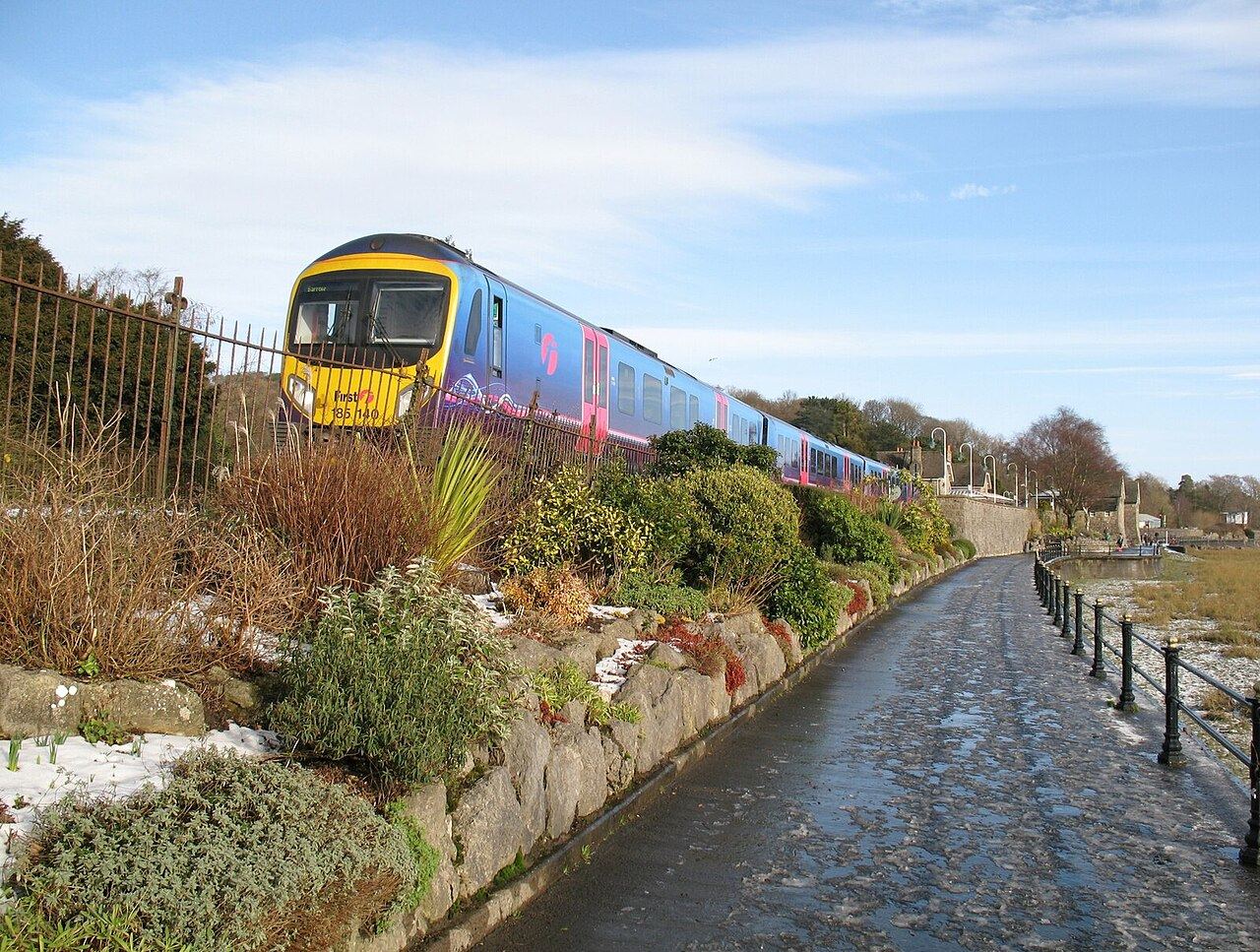
By car, Barrow is at the very end of the A590, which is a long road with a lot of roundabouts and one excellent view of Morecambe Bay. By train, Barrow-in-Furness station is on the Furness Line from Lancaster and the Cumbrian Coast Line from Carlisle, and the Dock Museum is about a mile's walk from the station. Buses run from Barrow over to Walney and down to Biggar, but for South Walney, Roanhead and Roa Island a car makes life much easier, especially with small legs that give up 200 metres from anywhere but can somehow run the length of a beach.
In November and December the Dock Museum keeps its normal Wednesday to Sunday hours (with changes around Christmas), South Walney stays open daily but closes at 4pm, Barrow Park's miniature railway runs on Sundays, and the beaches and dunes are open all year. Furness Abbey is the one to check: the English Heritage page currently says daily, but in recent winters it has opened at weekends only. Piel Island's ferry and pub are seasonal, so that trip waits for spring, along with the natterjack toads.
The other winter rule is the tide. The South Walney access road can flood on very high tides, the Walney and Roanhead shores have fast tides and strong currents, and the open sands around Piel and the Duddon estuary are not places to wander. Check the tide times before you go and stick to marked paths and beaches above the waterline.
Pack a flask, a windproof and a spare pair of socks. Then pack another pair of socks, because Walney sand gets into places socks didn't know they had.See what's on in The Cumbrian Almanac
Free, and you choose: the family weekend edition on Friday mornings, the grown-up Sunday edition on Sunday evenings, or both.
No spam, no ads. Unsubscribe from any email with one click. Privacy
Yes. Furness Abbey, the free Dock Museum and the grey seals at South Walney Nature Reserve make a full day, and the town is far quieter than the central Lake District.
Yes, admission to the Dock Museum is free. It opens Wednesday to Sunday, 11am to 4pm, and parking is free for three hours.
Yes. Grey seals haul out at South Walney Nature Reserve and can be seen at high tide all year round, from the hides and paths. There's no access to the beach where the seals are, especially during pupping season.
Non-members pay £3 per adult and £1 per child, and Cumbria Wildlife Trust members get in free. The reserve is open 10am to 5pm, or 4pm in winter, and dogs are not allowed apart from assistance dogs.
Furness Abbey is free for English Heritage members and paid for everyone else, with a 15% saving for booking ahead on the English Heritage website. Parking at the abbey is free.
Not usually. The ferry from Roa Island runs from spring to early autumn, weather permitting, and the Ship Inn on the island opens March to September.
Yes, for beaches, wildlife and sunsets. Earnse Bay and Biggar Bank are the main beaches on the west shore, and South Walney has Cumbria's only grey seal colony.
Facts checked against these pages on Sunday 1 November 2026. Opening times and prices change, so confirm with the venue.