Stargazing in the Lake District and Cumbria with Kids, 2026
Winter nights come early in Cumbria, which makes it the best time of year to show children the Milky Way. Here is where to go, what it costs and where the toilets are not.
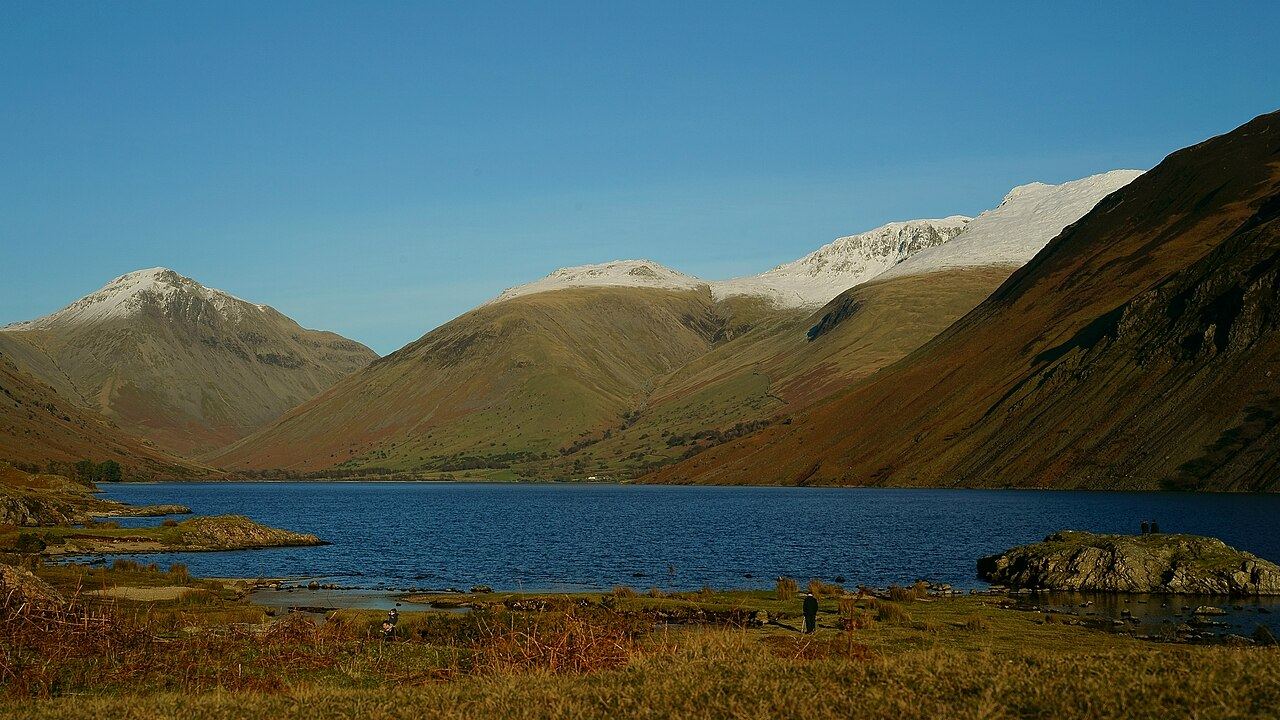
Winter nights come early in Cumbria, which makes it the best time of year to show children the Milky Way. Here is where to go, what it costs and where the toilets are not.
For stargazing in the Lake District with kids, book Grizedale Observatory's planetarium (ages 4+, £13 adults, £8 children) or Path to Adventure's family dark sky canoeing on Coniston Water (ages 8+). For free stargazing, the National Park suggests Ennerdale, Wasdale, Grizedale Forest, Borrowdale and Langdale, and RSPB Geltsdale's Clesketts car park near Brampton is an official Dark Sky Discovery Site.
Checked 5 November 2026. Session dates, prices and car park rules change, so the organiser link on each place is the one to trust.
Stargazing in the Lake District is one of the few winter days out that gets better the earlier it goes dark. In November the sun is down before half past four, which means a seven year old can see the Milky Way and still be in bed at a vaguely respectable hour. Compare that with June, when you would be standing in a field at midnight explaining that the stars are definitely coming, any minute now.
This guide covers the easy wins (a planetarium in a forest, canoeing on a lake in the dark with a hot brew), the big famous dark valleys, and a handful of quieter spots most people driving past have never thought to look up from: a moorland car park near Brampton, a marsh on the Solway, an observatory at a golf club in Alston. Everything was checked on the organiser's or landowner's own page this week. Where a page did not say something, we say so rather than guess.
The best piece of stargazing kit we own is a flask. The second best is a red torch. The third is a parent saying, with total confidence, that the cloud is about to clear.
If you want someone else to do the explaining, book Grizedale Observatory, which runs planetarium shows for ages 4 and up and evening astronomy sessions on moonless nights. If you want an adventure, Path to Adventure runs dark sky canoeing on Coniston Water, with family sessions for ages 8 and up. If you want to do it yourself for the price of a car park, the Lake District National Park points people to Ennerdale, Wasdale, Grizedale Forest, Borrowdale and Langdale, and Go Stargazing lists specific car parks at Buttermere, Bowness Knott in Ennerdale and Blea Tarn.
Outside the National Park, the North Pennines has more Dark Sky Discovery Sites than anywhere else in the UK, according to the North Pennines National Landscape, and one of them is the Clesketts car park at RSPB Geltsdale, half an hour from Carlisle. Kielder Observatory is the famous one up that way, but it is over the border in Northumberland, so it lives in our days out near Carlisle guide instead.
Darker is better, so pick a night close to the new moon and away from street lights. A full moon is lovely to look at but it washes out the faint stuff, a bit like trying to watch a film with the big light on. Give your eyes about twenty minutes to adjust, and use a red torch (or a normal one with red cellophane over it) so you do not undo all that good work every time you look for the biscuits.
The Geminid meteor shower peaks in mid December every year, and it is one of the better showers for families because it gets going in the evening. You do not need a telescope, just a clear sky, a reclining chair and a willingness to say "there!" a beat too late and miss it entirely.
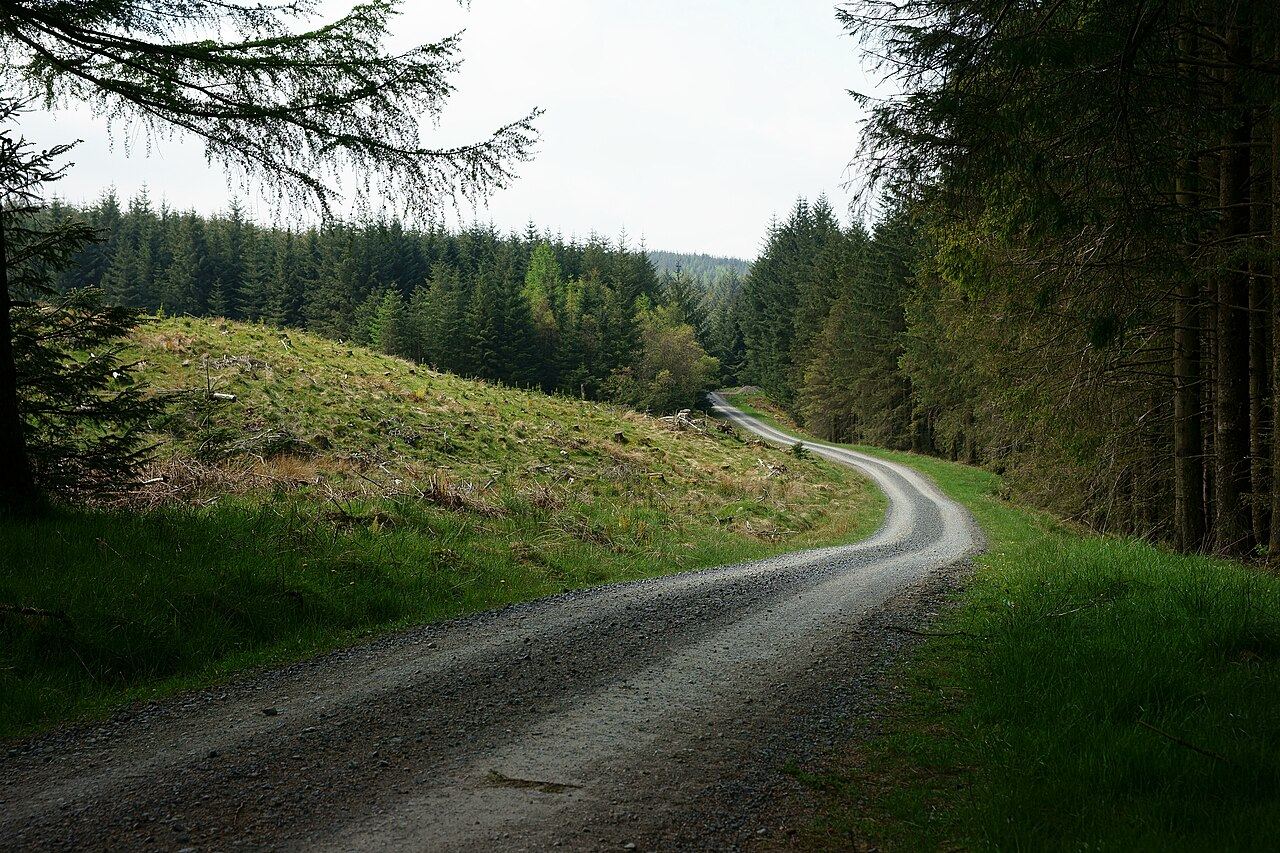
The observatory and planetarium sit in the Yan building at the north end of the main Grizedale Forest car park, about 100 m from where you park. This is the one to book if the weather is doing its usual thing, because the planetarium works whatever the cloud is up to, and for the evening sessions the observatory says that if conditions are not right you can come back free on another night.
The Back to the Moon for Good planetarium show is for ages 4 and up and lasts 1.5 to 2 hours. The booking page lists it on 5, 18 and 27 November and 10 and 23 December 2026, at £13 for adults, £8 for under 16s and concessions, or £35 for a family of two adults and two children. The Dark Sky Astronomy evenings run on moonless nights; our Almanac has them on 6, 7 and 14 November and 5 and 11 December, but check the booking page for times and prices. The building is step free throughout, with a hearing loop in the planetarium.
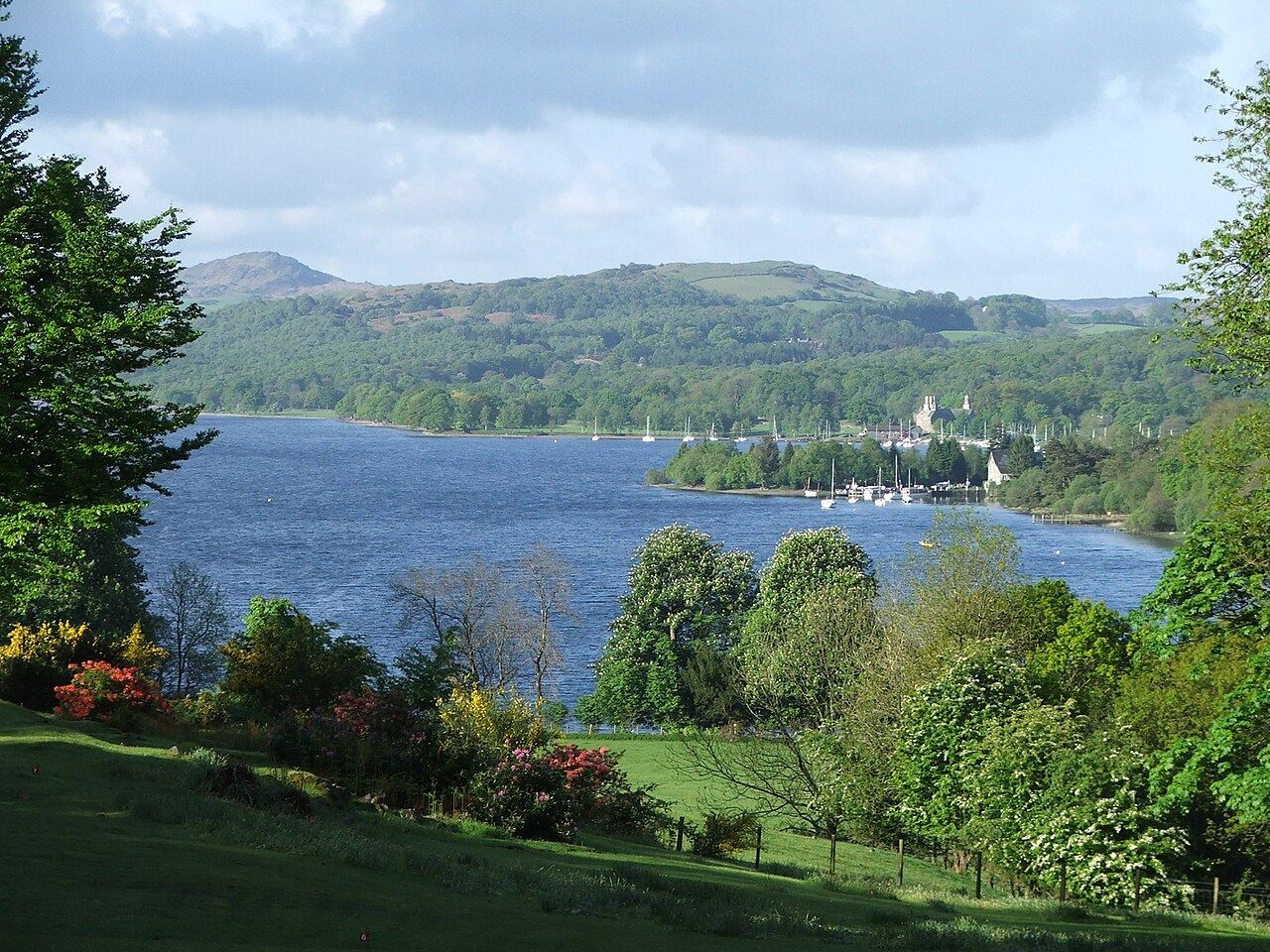
Path to Adventure takes groups out in canoes at dusk from Brown Howe car park, on the west shore towards the south end of Coniston Water, and stays out as the stars come through. It lasts three hours and buoyancy aids, head torches, an instructor and hot brews are included, which is the right order of priorities.
The standard session is for ages 12 and up. The family version, for ages 8 and up, uses canoes rafted together, so nobody's little brother can paddle off in a sulk. November dates are Saturdays: 7 November at 3.45pm, 14 and 21 November at 3.30pm, and 28 November at 3.15pm. In February 2027 there are Saturday sessions on 6, 13, 20 and 27 February and a family session on Wednesday 17 February at 4.45pm.
New for 2026, the same team now runs dark sky canoeing on Wastwater, England's deepest lake, in one of the darkest valleys in the National Park. It is for ages 14 and up, so this is one for teenagers and grown-ups rather than the whole tribe.
The remaining November date listed is Friday 20 November at 3.30pm. The meeting point is the company's base next to Wasdale Hall Lodge near Santon Bridge. Wasdale is a long drive from almost everywhere, which is precisely why it is so dark.
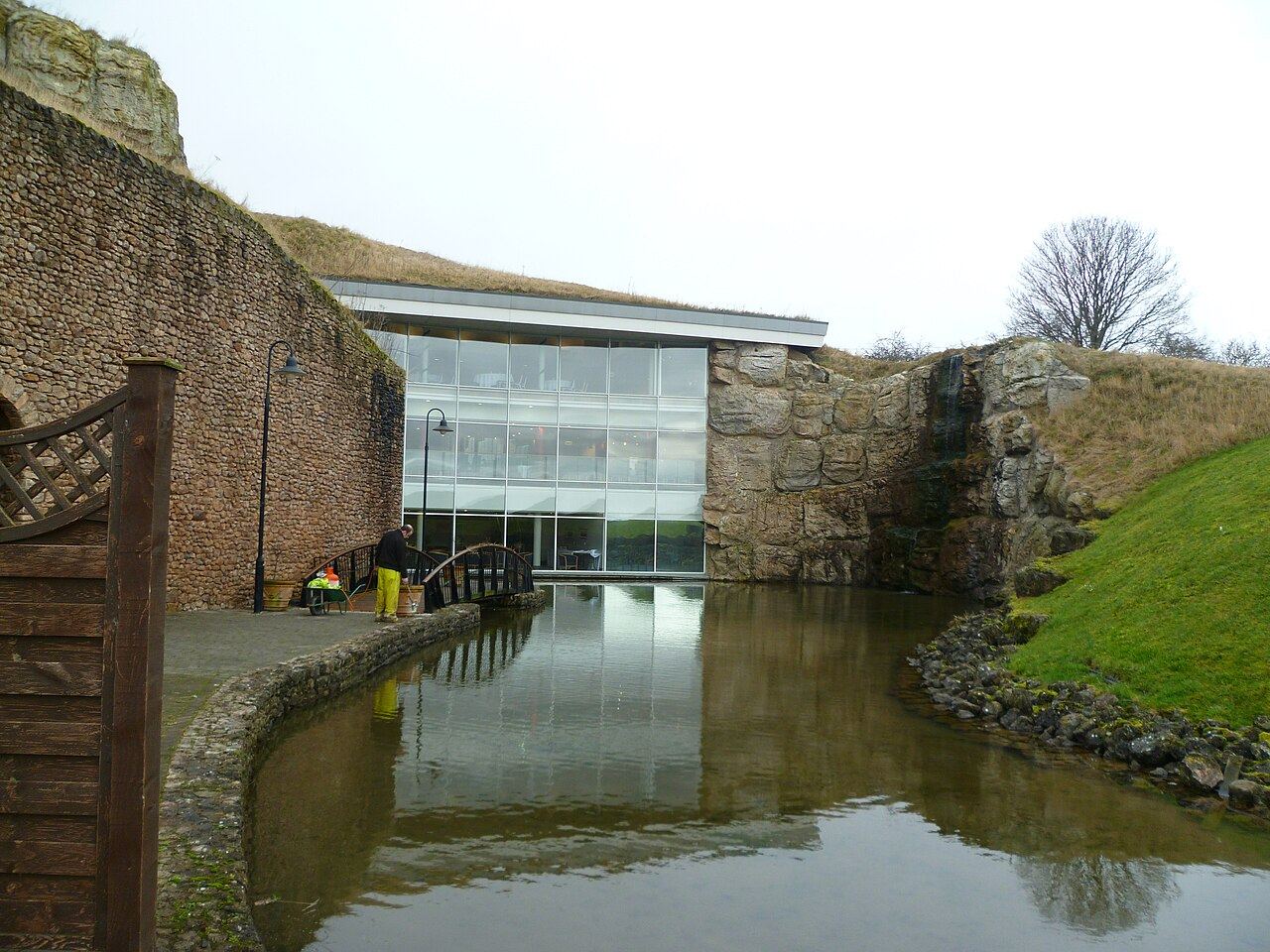
A free exhibition in Rheged's Community Gallery, put together by the Eden Valley and Penrith Astronomy Group and listed as part of this year's Cumbria Dark Skies Festival. Rheged's gallery page gives the run as 23 October to 8 February.
It is a good daytime warm-up for a clear night, and Rheged has the great advantage of a roof, a cafe and toilets, which is more than can be said for a dark car park in Ennerdale.
These are the do-it-yourself options. None of them has a guide, a planetarium or a cafe open at night, so bring everything you need, and keep the children close to the car.
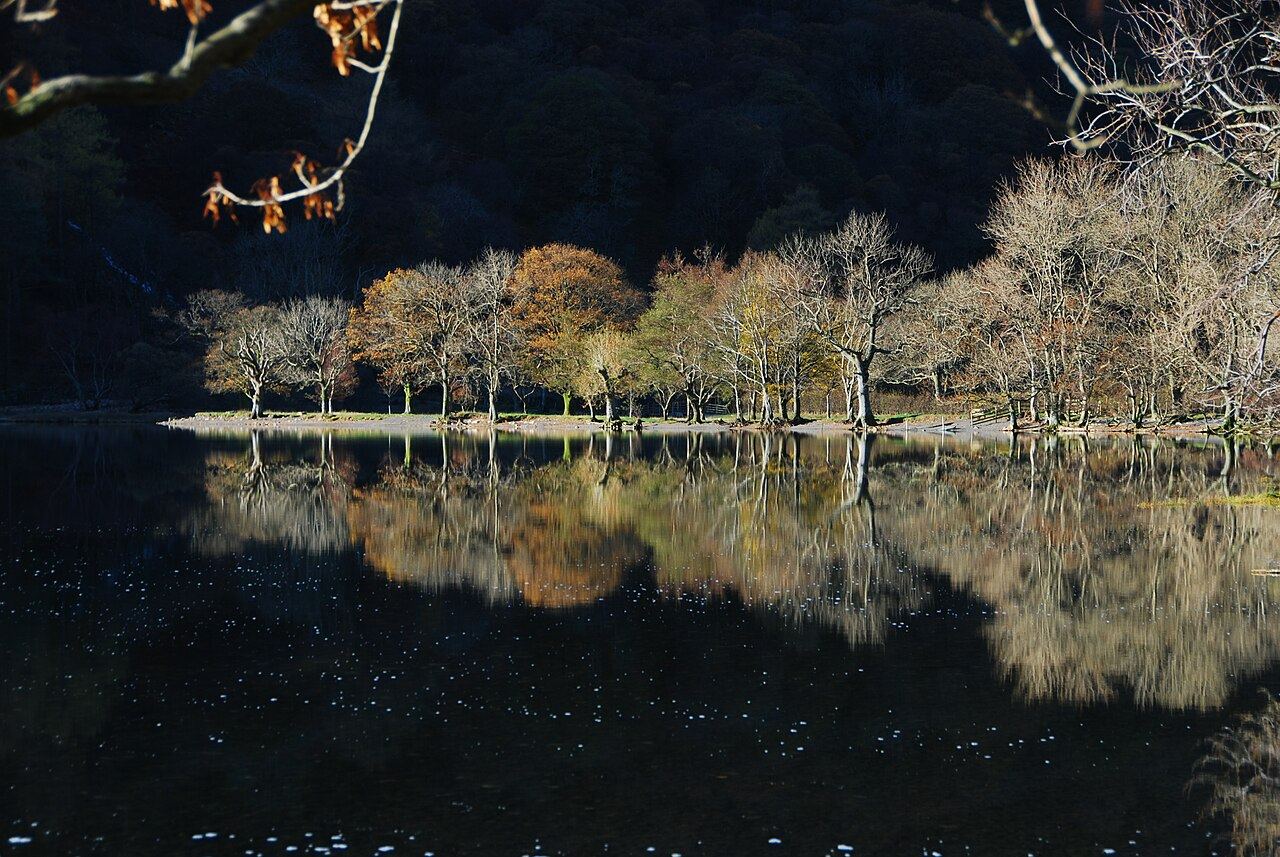
Buttermere, Crummock Water and Gatesgarth car parks are all on Go Stargazing's list of Cumbrian stargazing sites, and it is easy to see why: high fells on every side and not much in the way of street lights. The National Trust car park in Buttermere village is the obvious base.
One snag for night owls: the Trust says it does not allow overnight parking, so this is an evening trip, not a camp-out. The Buttermere road over Newlands or Honister is narrow and steep, so do the drive in daylight if you have not done it before.
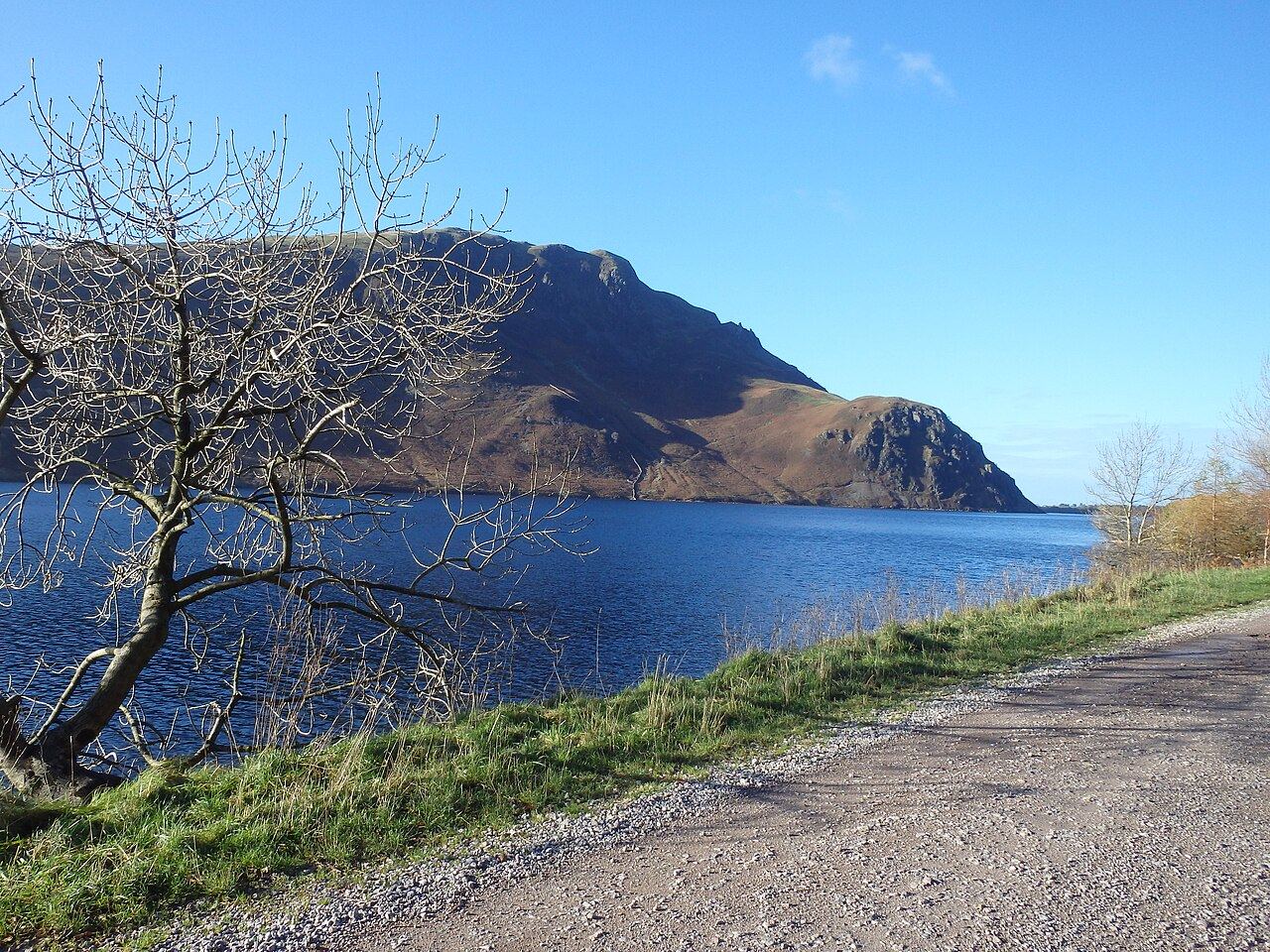
Ennerdale is the valley the National Park names first for dark skies, and Bowness Knott is the Forestry England car park on the north shore of Ennerdale Water. There is no road beyond it up the valley, which keeps traffic and headlights down to almost nothing.
It is worth the detour because it is about as dark as the Lake District gets while still having a proper car park. Forestry England says the car parks are open year round, but no overnight stays are allowed. There are no toilets listed, so plan accordingly (and yes, we know which child that sentence is about).
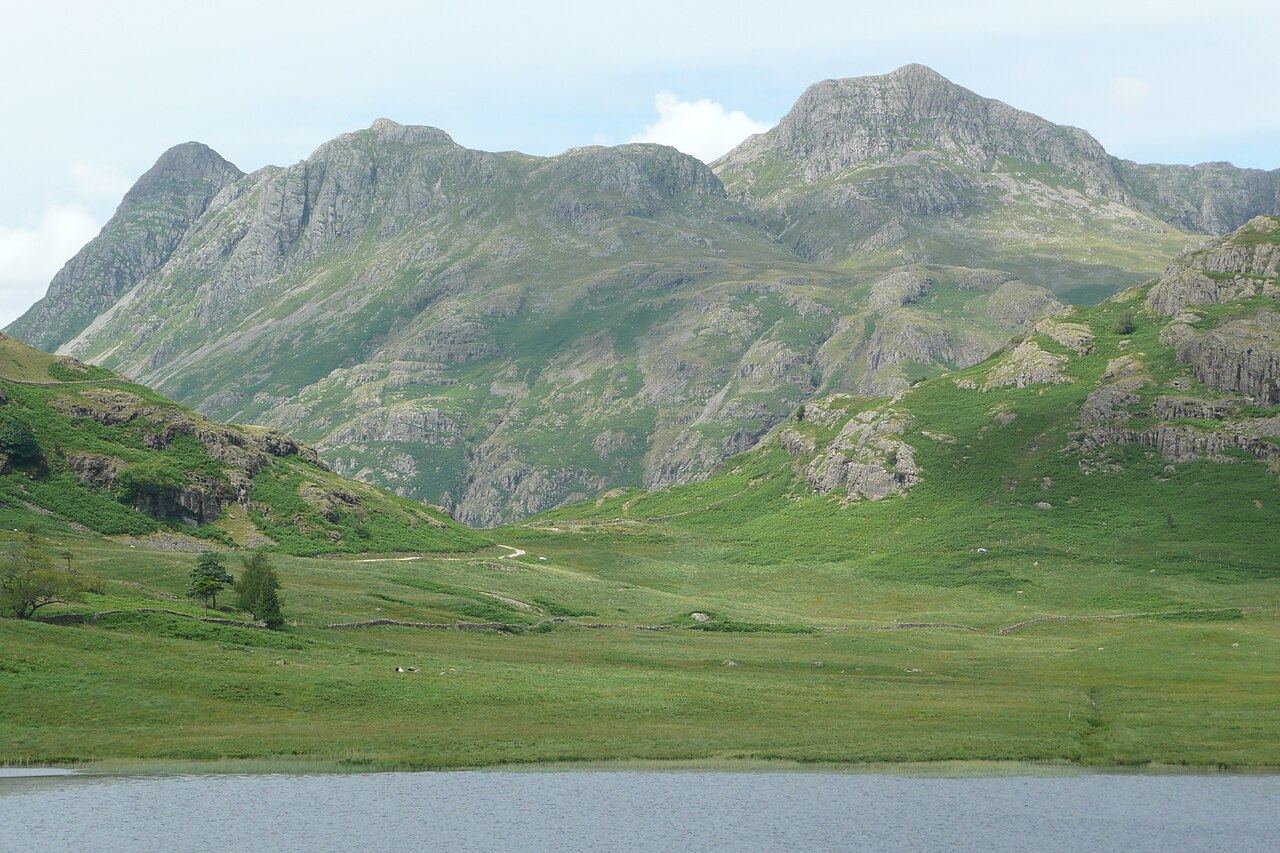
A small tarn between Great and Little Langdale with a National Trust car park on the road above it. Go Stargazing lists the car park as a stargazing site, and the Langdale Pikes make a dramatic black outline against the sky.
The honest catch is the road. The National Park describes a steep 1 in 4 climb up from the Old Dungeon Ghyll end, and the path down from the car park starts at around 1 in 5. Do the drive in daylight, stay at the car park after dark, and save the walk to the tarn for the next morning.
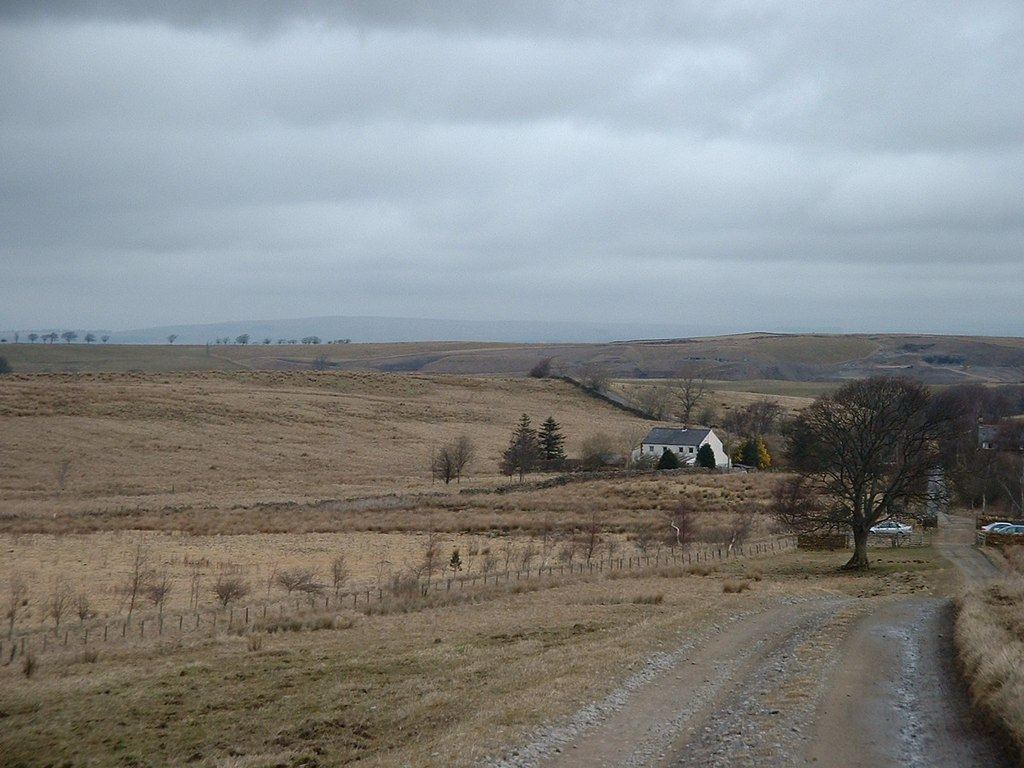
An official Dark Sky Discovery Site on the edge of the RSPB's Geltsdale reserve, near Hallbankgate outside Brampton. Discovery Sites are places where, in the North Pennines' words, it is easy to see the Milky Way or Orion with the naked eye, and this one is about half an hour from Carlisle, which makes it the easiest proper dark sky for anyone in the north of the county.
Go Stargazing describes it as an open car park with free parking all year round. The RSPB's own pages disagree with each other about whether the main reserve car park is dawn to dusk or open 24 hours, so ring before planning a late one. The reserve's toilets are at Stagsike Cottages, open 9am to 5pm, which is no use at all at 8pm.
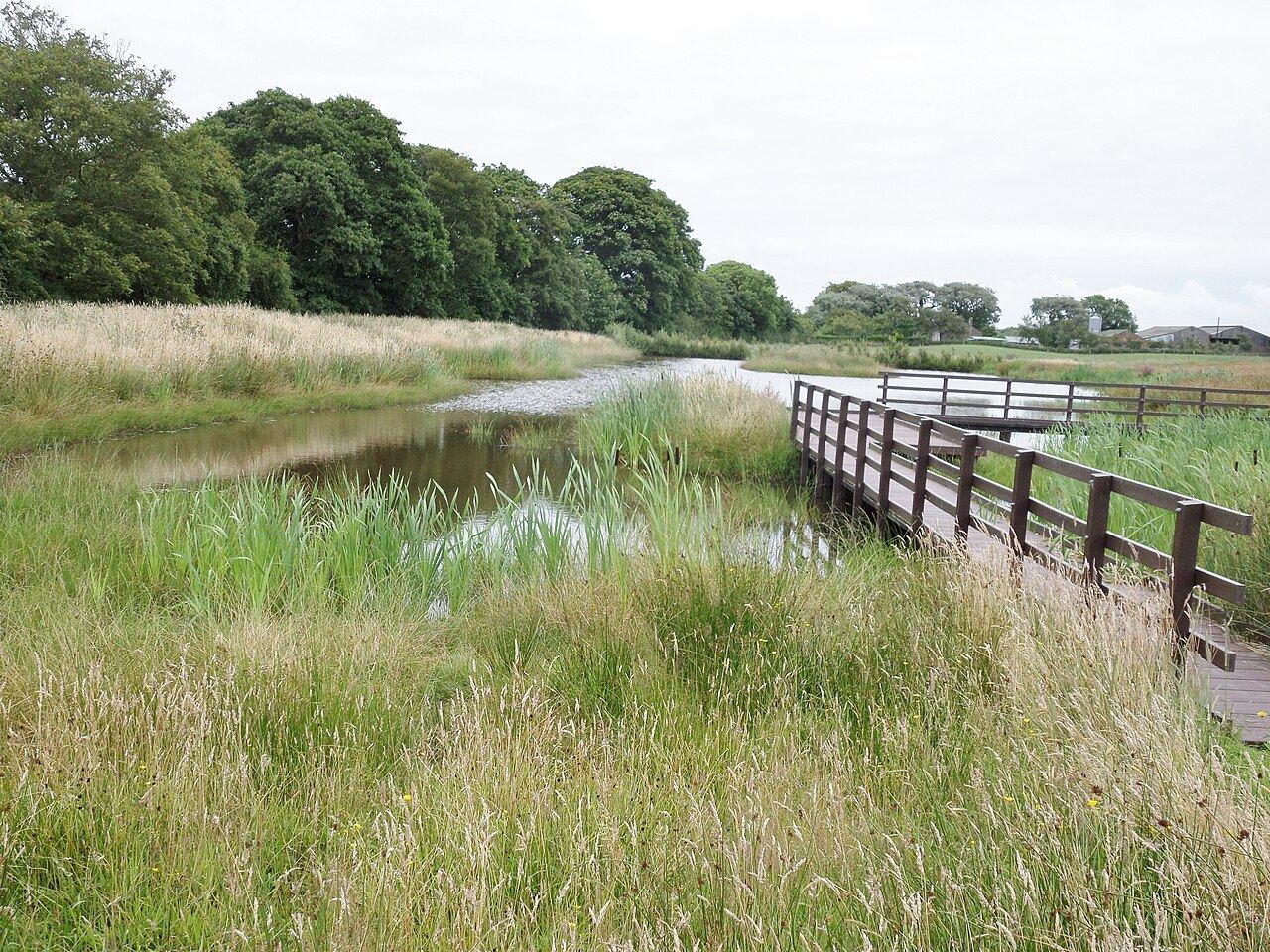
The RSPB reserve on the Solway shore near Bowness-on-Solway is a Go Stargazing site, picked for its low light pollution and because it offers a safe place to park. The Solway gives you a huge flat sky with nothing in the way, which feels very different from peering up out of a Lake District valley.
The Go Stargazing page has not been updated for a while and the RSPB page we read did not give night opening, so treat this one as a check-first trip. The shore is tidal, so stay at the car park, not on the marsh.
Alston Moor Golf Club, just outside England's highest market town, opened its own observatory in October 2024, and Go Stargazing calls it a prime spot for the Milky Way. Our Almanac had a public stargazing night there on 30 October 2026 at £12 for adults and £8 for children aged 8 to 18.
We could not see any winter dates, and the club's website would not load for us, so ring before setting off over Hartside. If a public night does come up, take every layer you own. Alston sits about 1,000 feet up and the wind takes that personally.
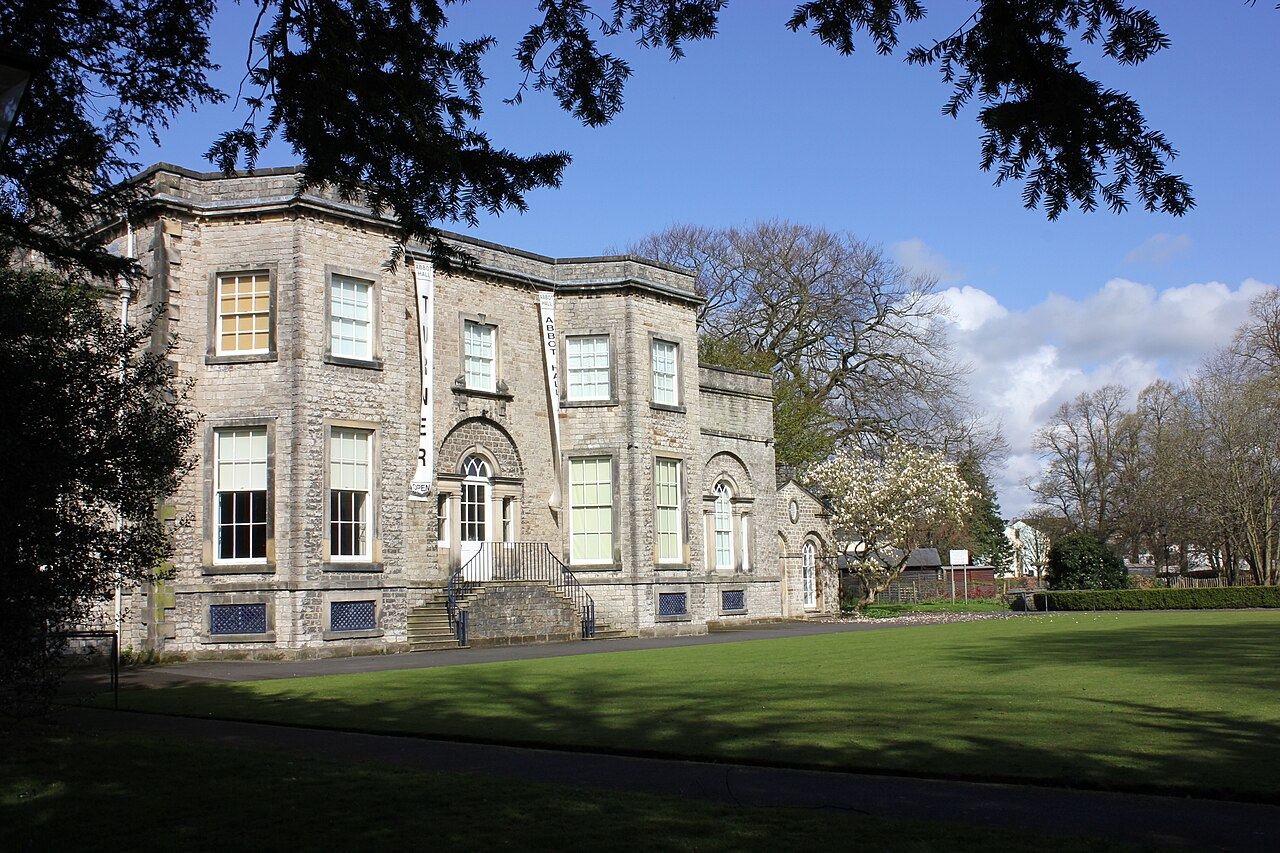
Friends of the Lake District runs this hour-long family walk on Thursday 19 November 2026, 6.30pm to 7.30pm, starting at the Abbot Hall Park archway on Kirkland. It heads through town and up to a flat patch of grass for stargazing with the Eddington Astronomical Society, as part of the Cumbria Dark Skies Festival and Kendal Mountain Festival.
It is worth booking because it proves a point: you do not need a remote valley to see a decent sky, just a guide who knows where to stand. The route has steeper cobbled paths and some steps, so leave the buggy at home, and bring a head torch.
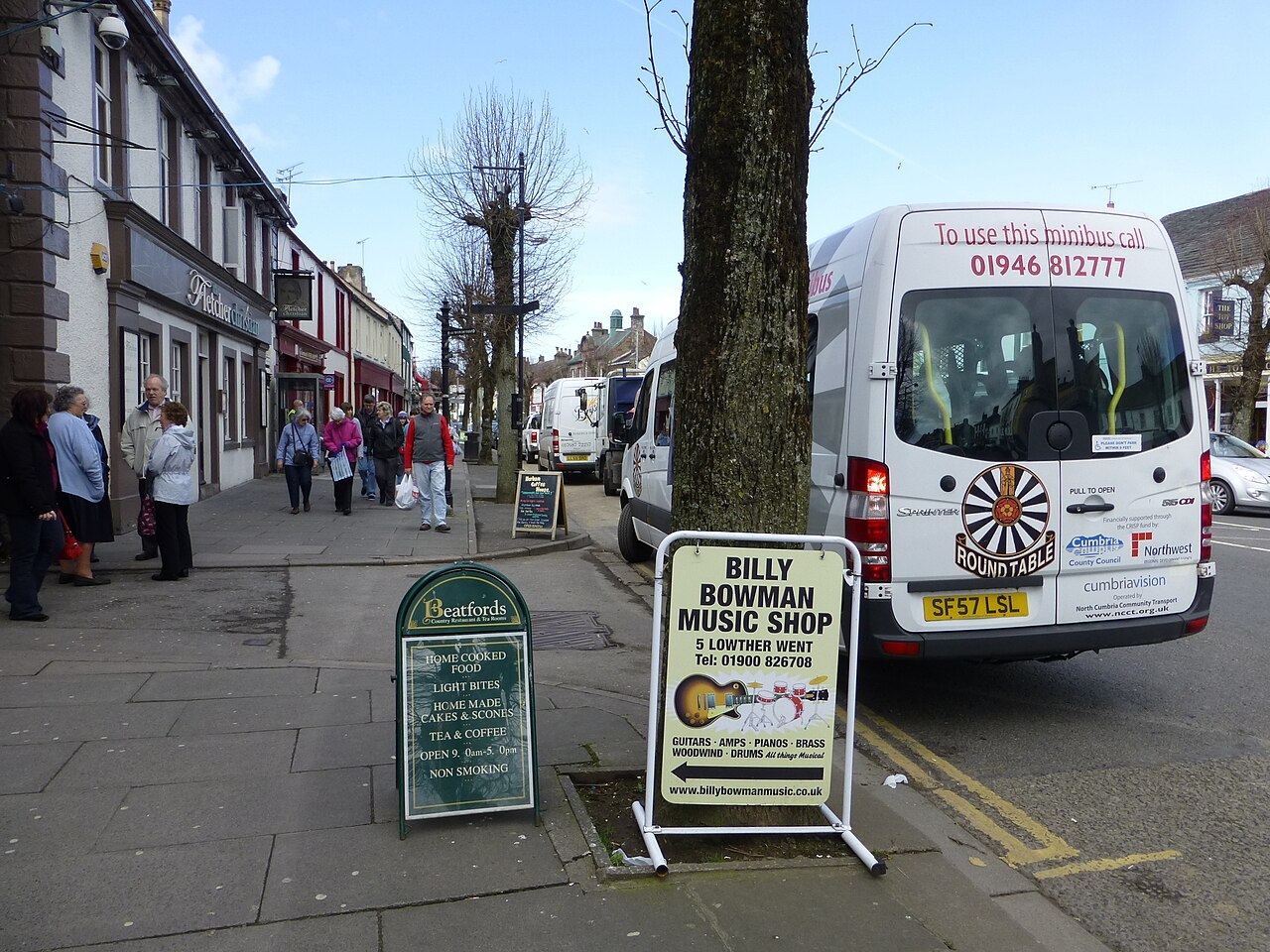
The society meets on the last Tuesday of the month at the Friends Meeting House on Kirkgate, 7.30pm to 9.30pm, with a guest speaker and, on clear nights, practical observing. It also runs observing events that everyone is welcome to. The next meeting listed is Tuesday 24 November 2026, and there is no December meeting.
An astronomy club sounds like the sort of thing that needs a beard and a very large telescope. It does not. Clubs like this are the best way to look through proper kit for free or close to it, and members tend to be delighted when a child asks a question.
The festival runs every autumn across the county, with night walks, planetarium shows, night swims and the canoeing above. Visit Lake District says the 2026 festival runs from 23 October to 20 November, so there are still two weeks of it left. Dates for the next one have not been announced. If you miss it, most of the organisers above run sessions outside the festival anyway, so the stars will still be there (they are reliable like that, unlike the weather).
Dark sky places are dark because nobody lives there, which also means no phone signal in some valleys, no street lights and no shop. Tell someone where you are going. Do not walk onto fells, lake shores or the Solway marshes at night with children. Watch for ice on the high roads from November onwards, and if the forecast is bad, Grizedale's planetarium is a perfectly good plan B that involves a roof.
And manage expectations. The first ten minutes outside are often a bit of a let-down while eyes adjust. Then the sky fills in, someone spots a satellite, and suddenly the cold does not matter quite as much. Until it does, which is what the flask is for.
See what's on in The Cumbrian AlmanacFree, and you choose: the family weekend edition on Friday mornings, the grown-up Sunday edition on Sunday evenings, or both.
No spam, no ads. Unsubscribe from any email with one click. Privacy
The Lake District National Park suggests Ennerdale, Wasdale, Grizedale Forest, Borrowdale and Langdale. For a guided night, Grizedale Observatory runs planetarium shows and evening astronomy sessions.
No. None of the official pages we checked name the Lake District as an International Dark Sky Park or Reserve. The North Pennines, which includes Alston, has 16 Dark Sky Discovery Sites.
The Back to the Moon for Good planetarium show costs £13 for adults, £8 for under 16s and concessions, or £35 for a family of two adults and two children. It is for ages 4 and up.
Path to Adventure's standard dark sky canoeing on Coniston Water is for ages 12 and up, and its family sessions are for ages 8 and up. Wastwater sessions are 14 and up.
The 2026 festival runs from 23 October to 20 November 2026, according to Visit Lake District. Dates for the next festival have not been announced.
Autumn and winter, on a clear night close to the new moon. In November it is dark before 5pm, so children can stargaze before bedtime.
The Clesketts car park at RSPB Geltsdale, near Hallbankgate outside Brampton, is a Dark Sky Discovery Site about half an hour from Carlisle. Parking there is free, according to Go Stargazing.
Facts checked against these pages on Thursday 5 November 2026. Opening times and prices change, so confirm with the venue.