Where to See Red Squirrels in the Lake District and Cumbria
The famous feeders, the quiet woods nobody lists, and how to tell a red from a grey having a good hair day. Checked 17 November 2026.

The famous feeders, the quiet woods nobody lists, and how to tell a red from a grey having a good hair day. Checked 17 November 2026.
The most reliable places to see red squirrels in the Lake District are Whinlatter Forest, a Forestry England red squirrel reserve near Keswick, Dodd Wood by Bassenthwaite Lake, the feeders along the paths at Aira Force on Ullswater, and the woodland garden at Allan Bank in Grasmere, where the National Trust lends binoculars. Quieter spots include the feeding area by the tearoom at Talkin Tarn near Brampton, Smardale Gill near Kirkby Stephen, Ennerdale and Holme Wood at Loweswater. Autumn and winter, early or late in the day, are the best times because the trees are bare.
Where to see red squirrels in the Lake District and Cumbria is one of those questions with a properly cheerful answer: lots of places, if you know where the feeders are and you can keep a six year old quiet for longer than a sneeze. Cumbria is one of the last strongholds for reds in England, and the reliable spots are Whinlatter Forest and Dodd Wood near Keswick, the feeders along the paths at Aira Force, and the woodland garden at Allan Bank in Grasmere, where the National Trust will lend you binoculars.
Then there are the quieter ones the big lists skip: a council country park outside Brampton with a squirrel feeding area next to the tearoom, a limestone gorge near Kirkby Stephen, a lakeside wood at Loweswater and a forest at Ennerdale that is about as far from a coach party as you can get. I've put prices, parking and toilets on every one, because a squirrel is lovely but a toilet is essential.
Checked 17 November 2026. Car park prices, opening days and forestry closures change, so the official link on each place is the one to trust.
Autumn into winter, and early or late in the day. The National Trust says autumn is the best time because there are fewer leaves on the trees, and Cumbria Wildlife Trust says the same about Smardale: autumn and winter, when the trees are bare. Reds are busy in autumn burying food for later (they are famously bad at remembering where, which is how a lot of trees get planted). The Trust's spotting tips say they are most active in spring and autumn and easiest to see first thing in the morning or later in the afternoon.
In late November that second window is short, because it's dark by about four, so the honest plan is: arrive mid morning, go straight to the feeders, look up, and save the cafe for afterwards. Red squirrels don't hibernate, so a cold, still, dry day is good squirrel weather. A wet, windy one is good cafe weather, and the squirrels agree with you.
The trick with children and squirrels is the same as with children and anything: snacks first, then silence, then the squirrel turns up the second someone asks for a wee.
Not by colour alone. The National Trust says reds are smaller, have a more pointed face and have ear tufts, which are particularly noticeable from September, and warns that red squirrels are not always red. Cumbria Wildlife Trust says the same: don't rely on the coat. Greys have small rounded ears and a white edge to the tail. So if your seven year old shouts "red one" at something the size of a small cat, it's probably a grey having a good hair day.
If you do see a grey, or a red that looks poorly, report it. Northern Red Squirrels has a sightings page that sends Cumbrian reports to the local red squirrel group, and a hotline for sick or dead reds on 07788 264571. Cumbria Wildlife Trust says the county has 14 volunteer red squirrel groups, and squirrelpox, which greys carry, is fatal to reds.
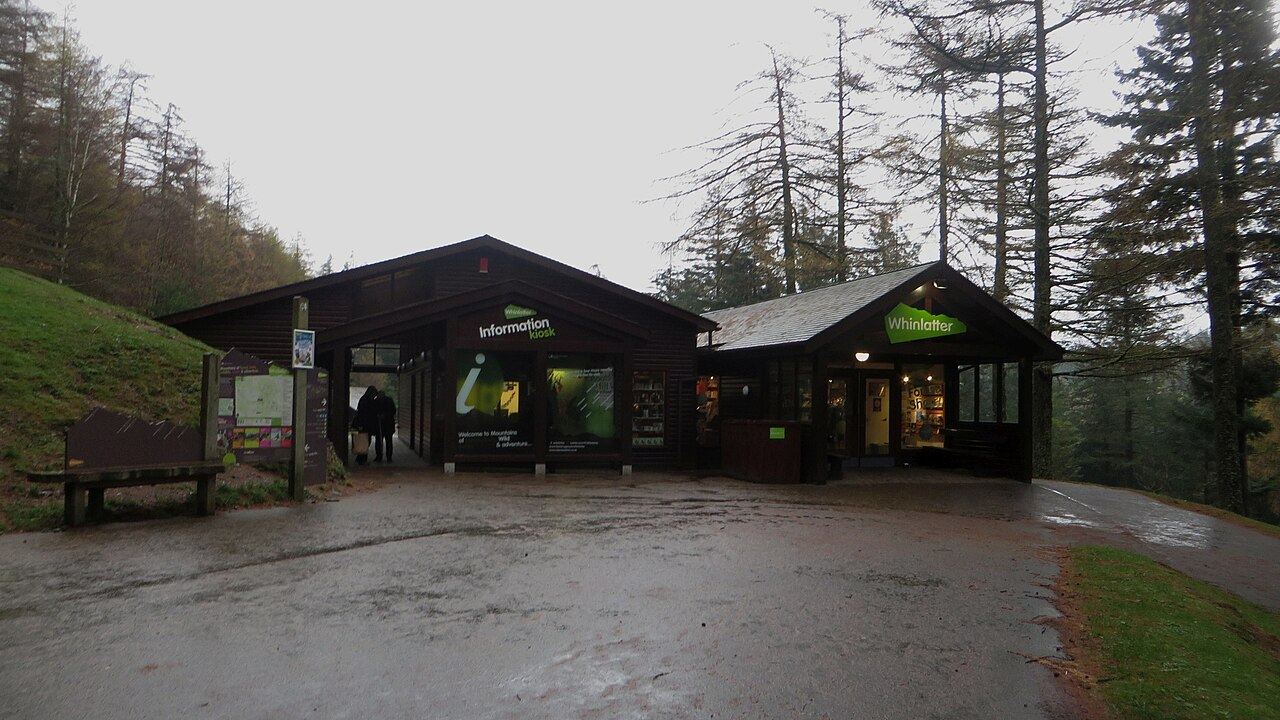
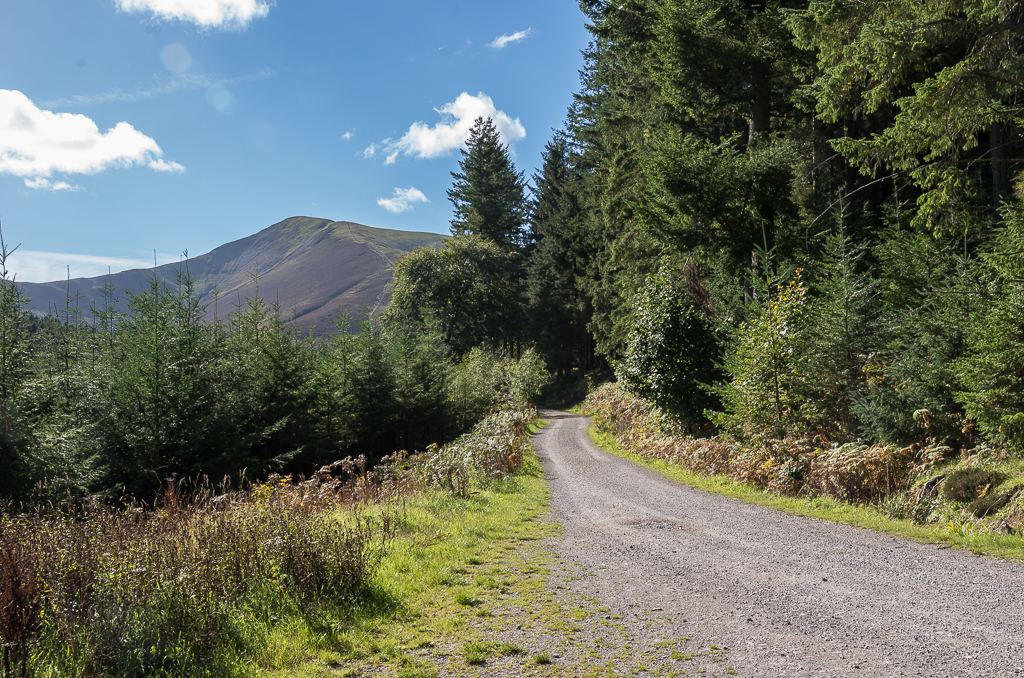
England's mountain forest, up on the Whinlatter Pass, and the name everyone gives you first. Forestry England calls Whinlatter a red squirrel reserve and its rangers keep the squirrel feeders in the forest topped up. The Lake District National Park says the same: reds here are actively protected. The visitor centre, Cafe Ambio and the toilets are all at the main car park, which matters more than you'd think with small people in a cold forest.
Forestry England runs red squirrel events here, a ranger feeder walk (£6, ages 5 and up) and a longer Wow Trail guided walk with a squirrel theme (£11, booking essential, ages 14 and up), but the pages I checked showed no dates for this winter. Watch the What's On page. There is also forestry work on, with diversions, so read the signs at the start.
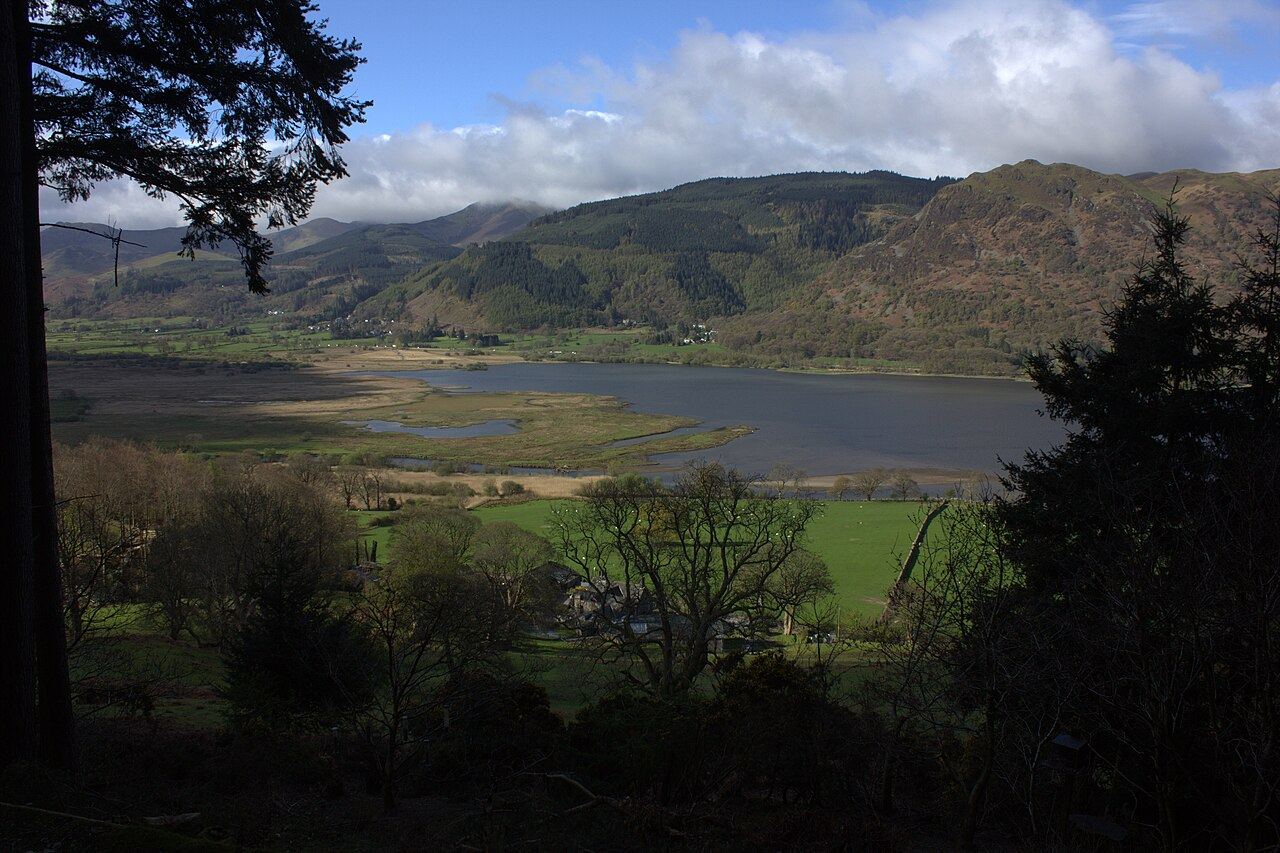
Across the road from Mirehouse on the east side of Bassenthwaite Lake. Forestry England says you may see red squirrels in the wood throughout the year, and the Cumbria Wildlife Trust's squirrel leaflet points you to the feeding station near the osprey viewpoint (the ospreys have gone to Africa for the winter, very sensible). The paths climb fairly steeply from the car park, so this is better for legs that have done a walk before than for a buggy.
The Old Sawmill Tearoom is by the car park. Forestry England says it is open daily and to check its own site for hours, which in a Cumbrian November is wise advice for everything.
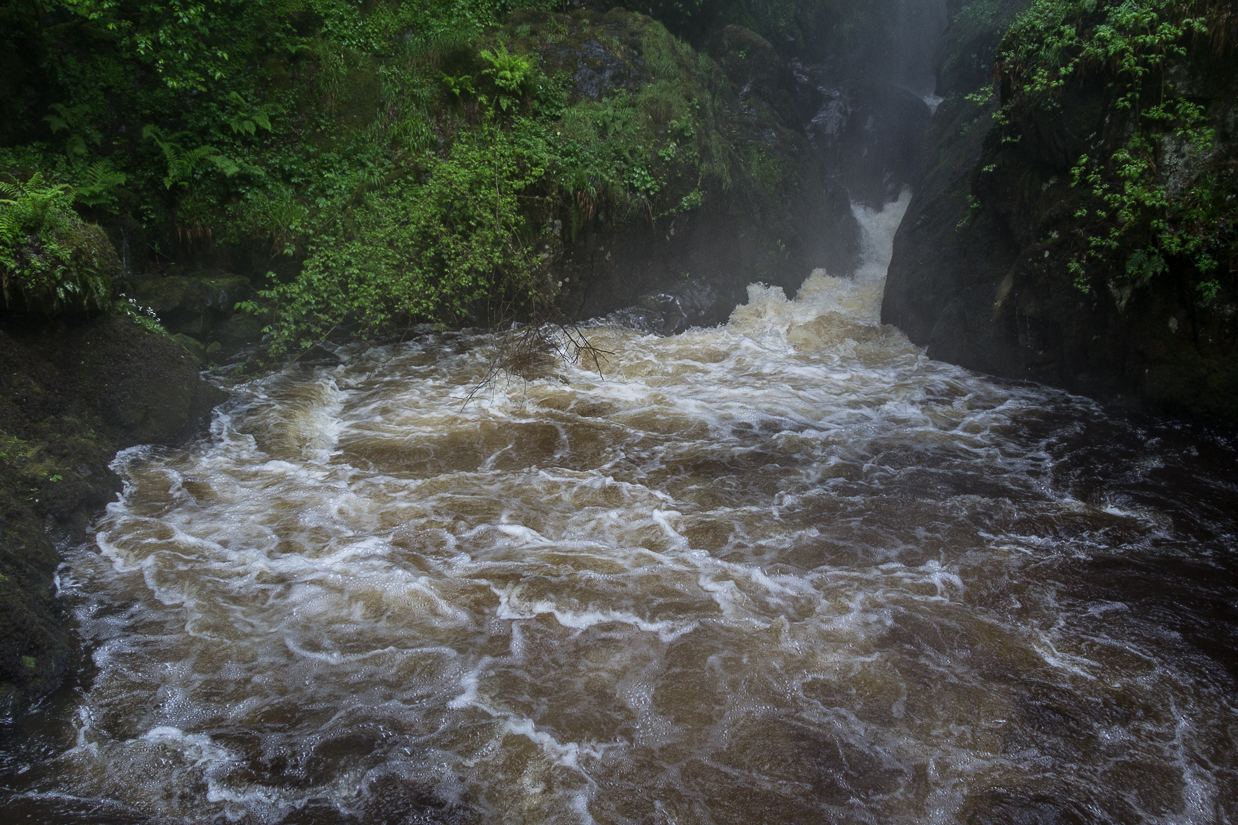
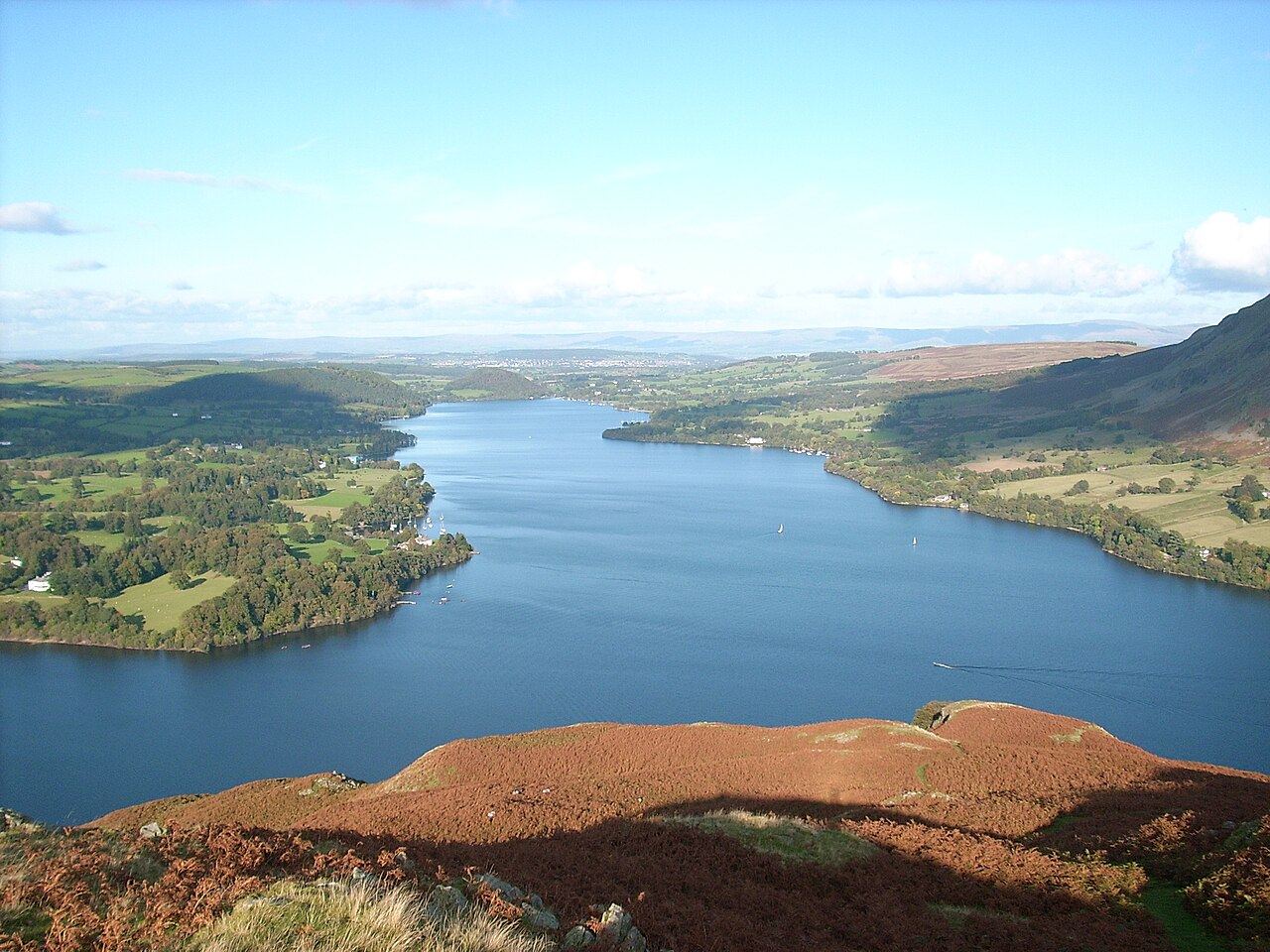
The big waterfall on Ullswater, and one of the National Trust's own top places to spot red squirrels. The Trust says to keep an eye out for the feeders placed along the footpaths to the waterfall, and to come early in the day or late in the afternoon when there are fewer people around. In November there is a decent chance of having the woods almost to yourself on a weekday, which is when the squirrels come out.
The tea room in the car park does drinks, snacks and, optimistically for November, ice cream. The paths to the falls are steep and rugged and the Trust says the waterfall is not accessible by wheelchair or pushchair, so bring the carrier.
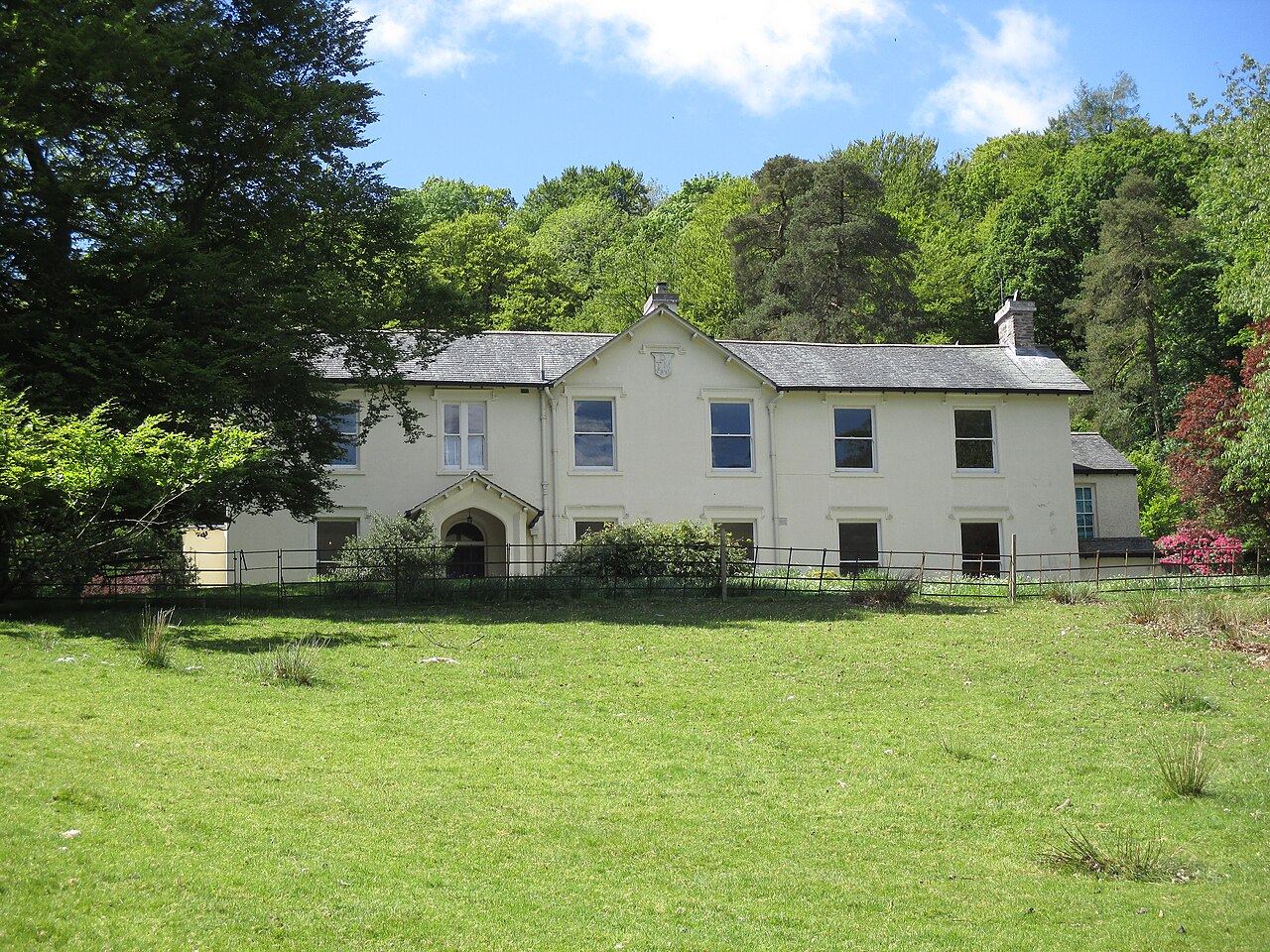
Wordsworth's old house on the hill above Grasmere, and the most comfortable red squirrel watching in the county. The National Trust puts feeders in the woodland garden, works with the Grasmere Red Squirrel Group, and says you can borrow binoculars from the Study and watch from indoors. For children who are cold, bored or both, a window and a pair of binoculars is a very good deal.
From 28 November to 20 December it's decorated for Christmas, open Saturday to Wednesday, 10am to 4pm, and our Almanac listing mentions the squirrel feeders alongside the crafts. There is no cafe, just tea and coffee on donation in the kitchen and an indoor picnic space, which suits us fine.
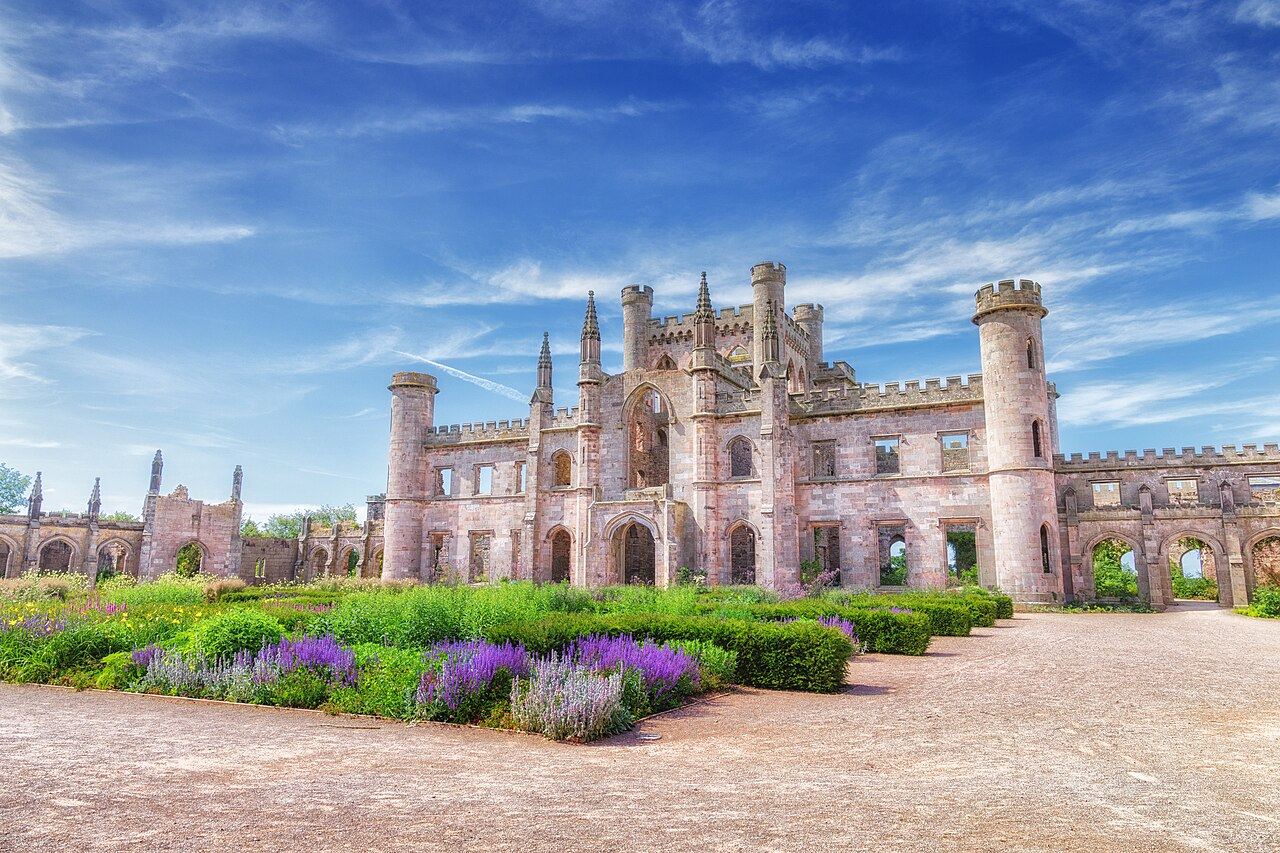
A roofless castle, big gardens and what Lowther calls the UK's largest adventure playground, south of Penrith. Lowther says it has a population of red squirrels in the grounds. An older Cumbria Wildlife Trust leaflet mentioned a squirrel hide here, but Lowther's own pages don't, so ask at the desk rather than marching off to find it.
This is the pick when the squirrels are the bonus, not the plan: if they don't show, the Lost Castle playground will absorb a lot of energy, and the Lights of Lowther trail runs on selected dates until 30 December.
These are the ones I'd go to on a Saturday when the famous car parks are full of people who've read the same list. None of them comes with a guarantee (nothing involving squirrels does), but each has a reason to be there beyond the squirrels.
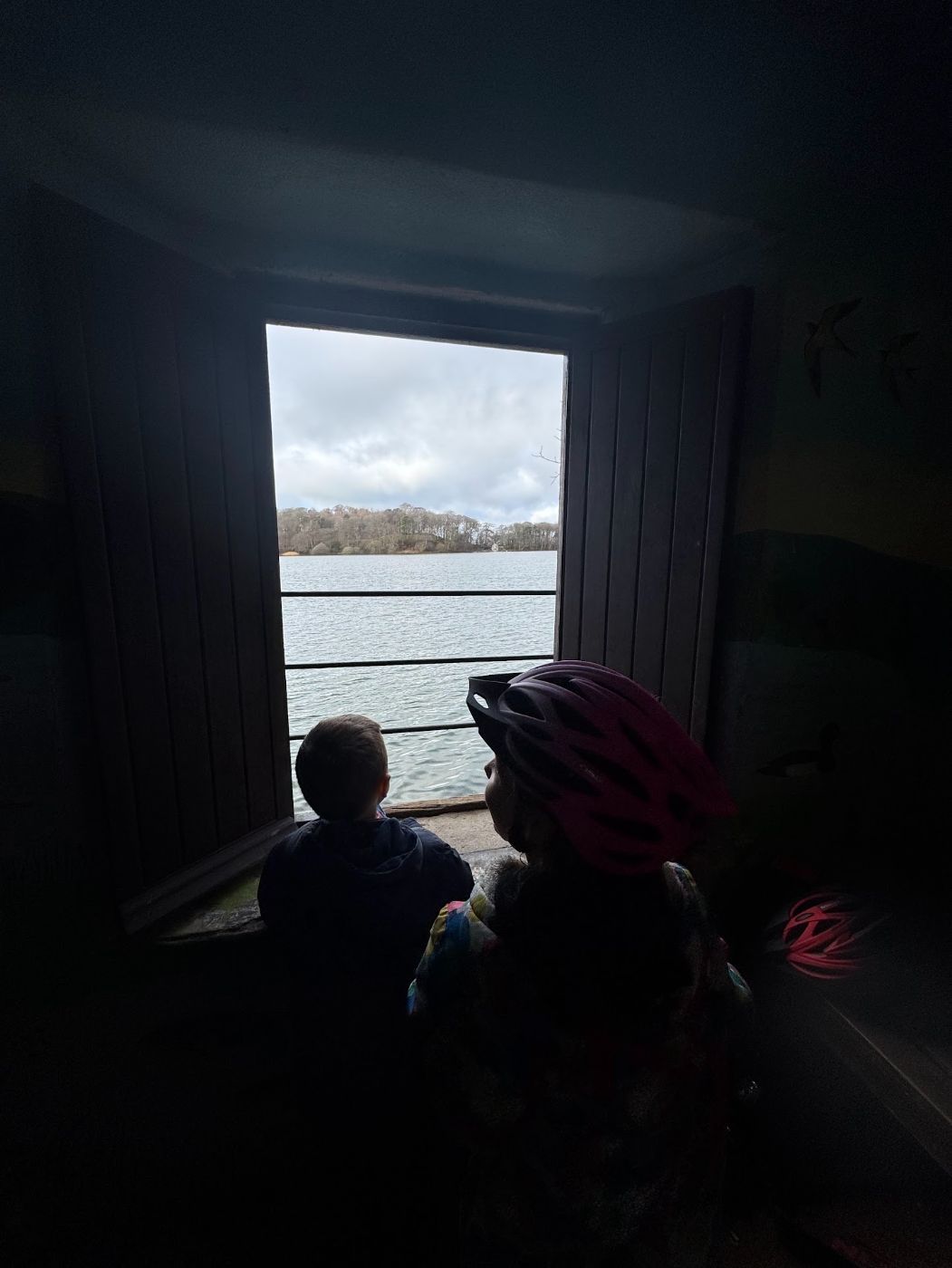
Our nearest, from Carlisle, and the easiest squirrel watching on this list. The country park's own wildlife page says red squirrels frequent the bird and squirrel feeding area next to the tearoom, along with nuthatches and great spotted woodpeckers. So you can, in theory, see a red squirrel without putting your cup down. That's my kind of wildlife watching.
There are easy footpaths through the woods and round the tarn, and the downstairs tearoom is open 11am to 3.30pm all year. It doesn't get onto the national squirrel lists, which is exactly why it's worth the detour.
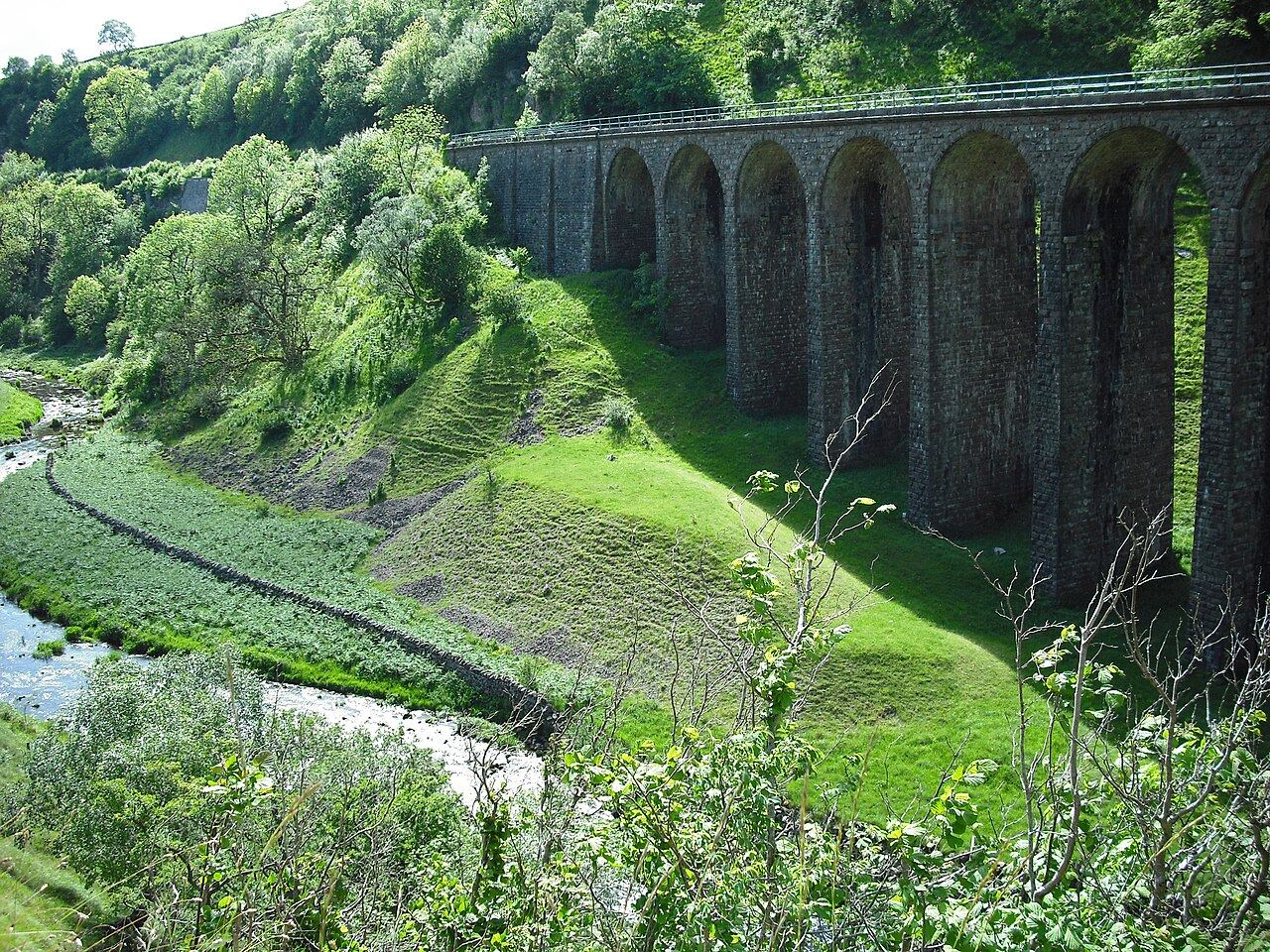
A Cumbria Wildlife Trust reserve along an old railway line in a limestone gorge, with a huge stone viaduct as the destination. The Trust says to look out for red squirrels, and on the Waitby Link you can spot them feasting on hazelnuts. Its squirrel leaflet says autumn and winter are the best times here, because the trees are bare.
From the car park to the Smardale Gill viaduct and back is 4.8km (3 miles), on a level old trackbed, so it's a proper walk with barely a hill to complain about (they'll find something else). Dogs on leads, and cattle graze at times.
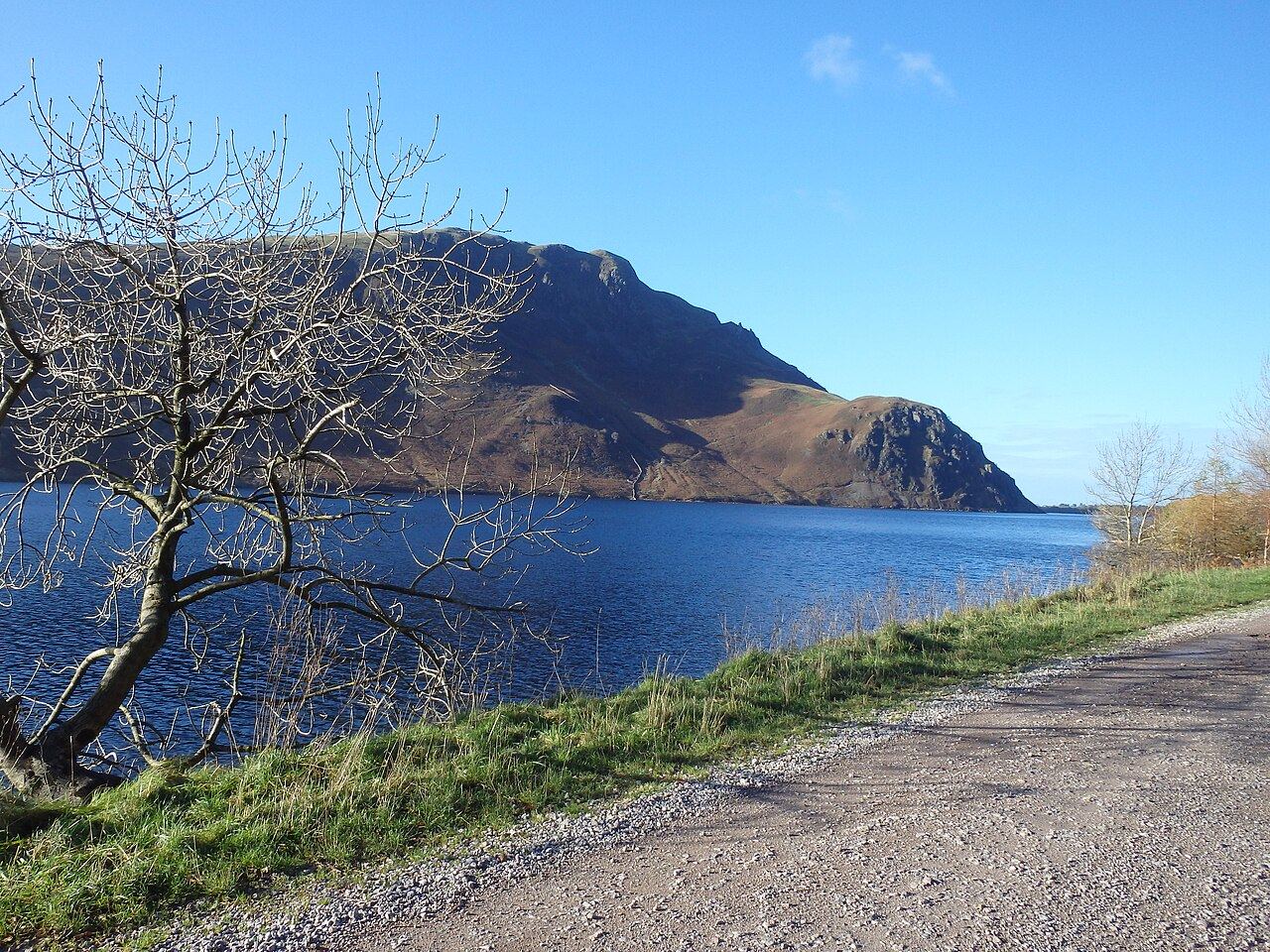
The quietest valley in the Lakes, no road along the lake and no ice cream van in sight. The National Park says red squirrels call Ennerdale home, and the Cumbria Wildlife Trust's leaflet reckons on between 100 and 150 here, most active in spring and autumn. Park at Bowness Knott for the forest tracks, or at Bleach Green for the Ennerdale Views trail, a short surfaced lakeshore path Forestry England describes as for all abilities.
There is timber harvesting in the valley with some areas closed, and the Memorial Bridge opposite Pillar is shut after Storm Eowyn, so use Middle Bridge. For a warm-up after, the community-owned Gather cafe is in Ennerdale Bridge.
A National Trust wood 1.8 miles out of Keswick on the Borrowdale road, and handy if you're staying in town and can't face the Whinlatter Pass. The Trust says there is a red squirrel population in the valley that it is fighting hard to protect, and suggests following the waymarked woodland trail from its car park at Great Wood. Its own best-times advice is spring, early summer, or during and after the October half term, so late autumn still counts.
A wood along the far shore of Loweswater, the small, calm lake most visitors drive straight past on the way to Buttermere. The National Trust describes an accessible walk through Holme Wood known for deer, red squirrels and the Holme Force waterfall, and says red squirrels and badgers call the wood home. The full loop round the lake is about 3.6 miles according to Countryfile's route, which children can manage if you promise the waterfall halfway.
Every child wants to feed one. Cumbria Wildlife Trust's feeding guide is clear: peanuts, especially salted ones, should not be given, hand feeding and taming can harm their foraging skills, and feeding where greys also turn up spreads squirrelpox. So the best thing a family can do at Whinlatter or Aira Force is watch the feeders the rangers fill, not bring a bag of dry roasted.
The Trust also says Cumbria's 2025 spring survey showed a further 10 per cent decline, which is the sobering bit. The cheerful bit is that every one of the sites above is run by people actively looking after them, and your car park money at the National Trust and Forestry England sites goes back into the woods.
On a dark, wet day, the rainy day guide has the indoor options, and the winter walks guide has low routes that still feel like an outing.
See what's on in The Cumbrian AlmanacFree, and you choose: the family weekend edition on Friday mornings, the grown-up Sunday edition on Sunday evenings, or both.
No spam, no ads. Unsubscribe from any email with one click. Privacy
Whinlatter Forest near Keswick, which Forestry England calls a red squirrel reserve, and Aira Force on Ullswater, where the National Trust has feeders along the paths to the waterfall. Allan Bank in Grasmere is best for small children because you can watch the feeders from indoors with borrowed binoculars.
Autumn and winter, when the leaves are off the trees. The National Trust says autumn is the best time and that reds are most active in spring and autumn.
First thing in the morning and later in the afternoon, according to the National Trust. In winter that means arriving mid morning, as it is dark by about 4pm.
No. Red squirrels stay active all winter, living off food they stored in autumn, so a cold, dry, still day is a good day to look.
Cumbria Wildlife Trust says not to give peanuts, especially salted ones, and warns that hand feeding and feeding where greys visit can harm reds. Watch the feeders the rangers fill instead.
Reds are smaller, with a more pointed face and ear tufts that show most from September. Greys have small rounded ears and a white edge to the tail, and coat colour alone is not reliable.
Yes. Talkin Tarn Country Park near Brampton says red squirrels visit the bird and squirrel feeding area next to its tearoom.
Through the Northern Red Squirrels sightings page, which passes reports to the local group. Sick or dead red squirrels can be reported on 07788 264571.
Facts checked against these pages on Tuesday 17 November 2026. Opening times and prices change, so confirm with the venue.