Castles in Cumbria with Kids: Which Are Open This Winter
The big castles with owls, playgrounds and Christmas lights, and the free ruins on hills that most visitors drive straight past, with what is actually open this winter.

The big castles with owls, playgrounds and Christmas lights, and the free ruins on hills that most visitors drive straight past, with what is actually open this winter.
The best castles in Cumbria for families are Carlisle Castle, Muncaster Castle near Ravenglass and Lowther Castle near Penrith, which has a huge adventure playground and is open daily. Free castle ruins include Penrith Castle, Brough Castle, Kendal Castle and Egremont Castle. In winter 2026, Brougham Castle is closed until March, Wray Castle's interior is shut for works, and Carlisle Castle opens at weekends.
Checked 8 November 2026. Winter opening days at castles change a lot between November and Easter, so the link on each place is the one to trust on the day.
Castles in Cumbria are not in short supply. Eight hundred years of arguing with Scotland will do that to a county, and the result is a map dotted with keeps, gatehouses, towers and a few heaps of red sandstone that used to be somebody's very important house. Some charge a proper ticket and have a cafe, toilets and a man with an owl. Others are free, open in daylight, and come with nothing but a kissing gate, a sheep and a view. This guide covers both, with the practical stuff that castle websites tend to bury: which ones are actually open in winter, where you park, whether there is a loo, and whether a pushchair will survive the experience.
We live in Carlisle, so our bias is showing from the start. But the honest answer to which castle to pick depends on the day you have: a city castle for a wet Saturday, a big estate with a playground for a full day out, or a free ruin on a hill for an hour of running about before the children start asking about lunch (roughly eleven minutes after breakfast).
Every castle in Cumbria has the same rule for children: run along the top of the bank, shout "I'm the king", then demand a snack. Plan accordingly.
Winter is where a lot of castle lists fall over, because they assume it is always August. Here is how things stood when we checked in early November 2026.
If it is properly wet, Carlisle Castle and Muncaster give you the most roof. If it is dry and cold, the free ruins are at their best: fewer people, low sun on the stone, and nobody minds if you eat a sandwich on a medieval wall bench.
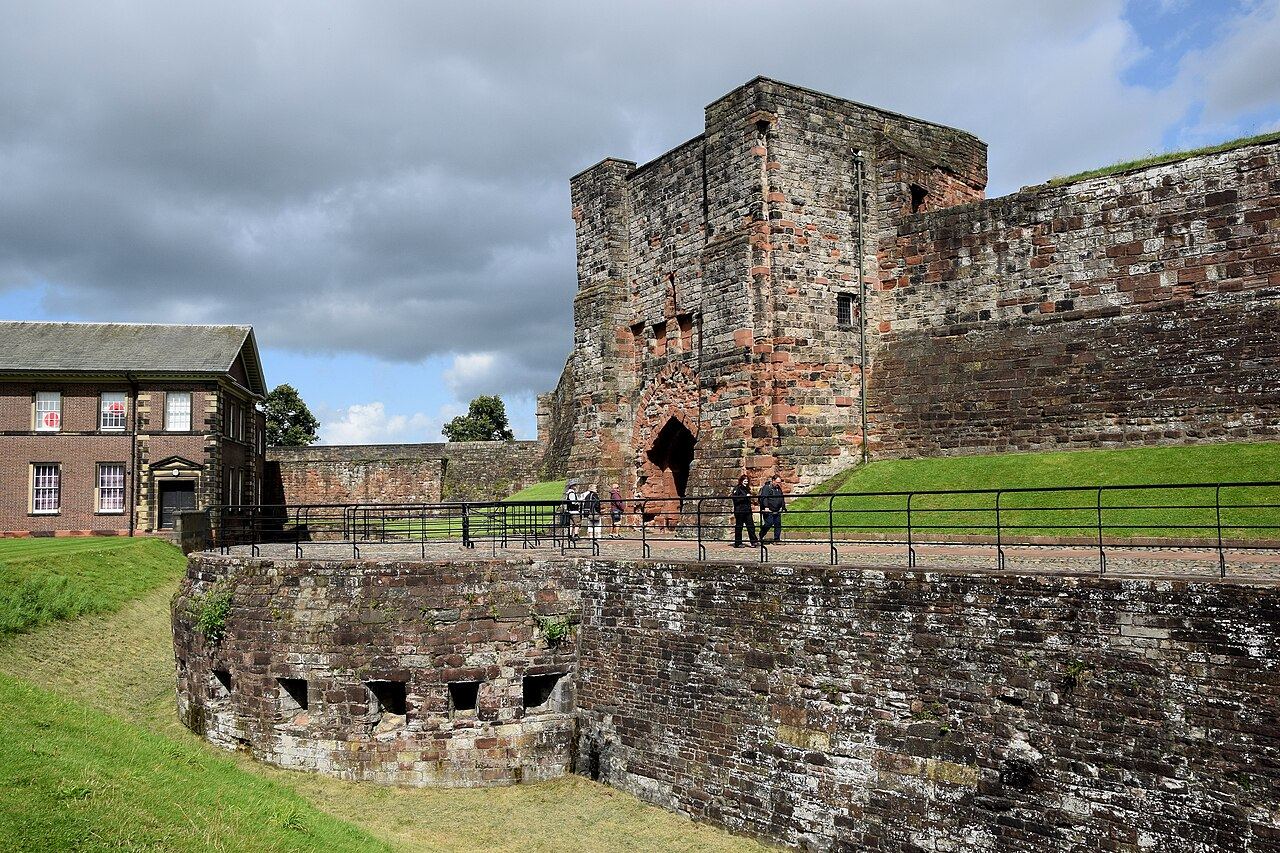
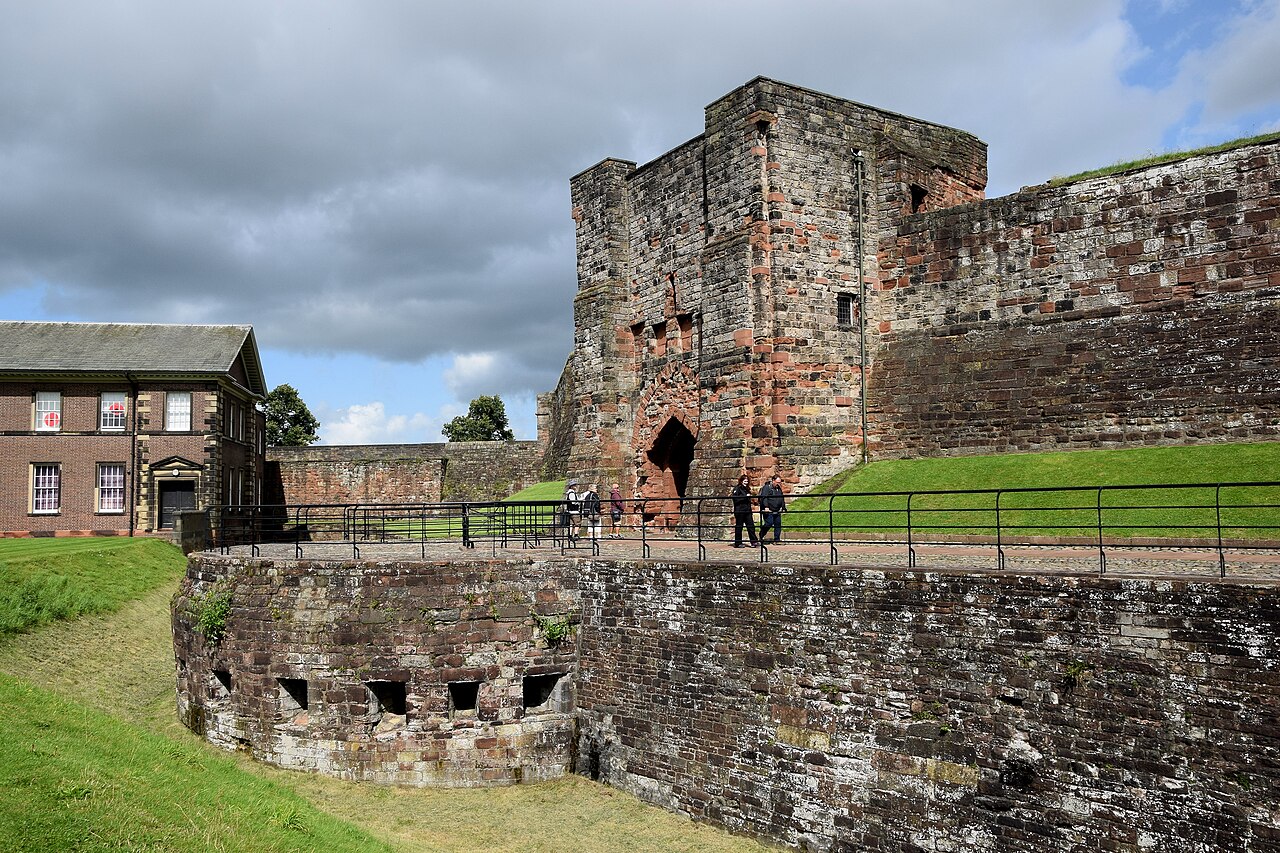
English Heritage says this castle survived seven sieges by the Scots between 1174 and 1461, and in 1568 it held Mary Queen of Scots prisoner. Look out for the 15th century carvings on the second floor of the keep, which are a lot more interesting than they sound, and Cumbria's Museum of Military Life is inside the walls and included in the ticket.
For children there is a dressing-up basket in the Warden's Apartments, which in our experience is the single most powerful object in any historic building. The catch is stairs: pushchairs are allowed, but English Heritage says the number of stairs makes moving them round awkward, and the cobbled Inner Ward gets slippery in the wet. Carry the toddler, bring the sling.
One for next summer: the Tour de France's first stage finishes on Castle Way, opposite the castle, on Friday 2 July 2027, according to Cumberland Council. Expect the busiest the castle lawn has been since the last siege.
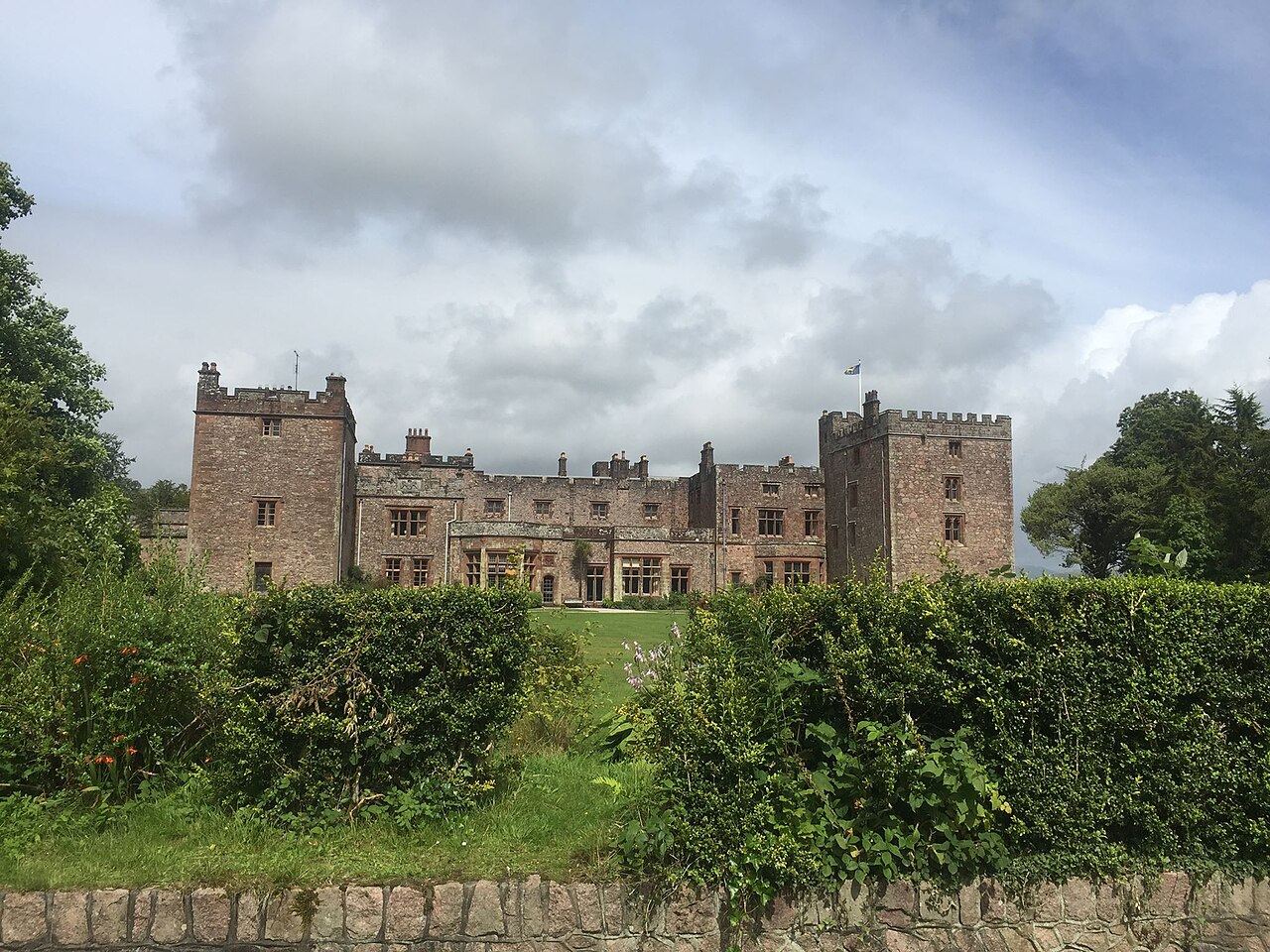
The castle near Ravenglass with the gardens, the Hawk and Owl Centre and, crucially for anyone under ten, an Enchanted Trail and play areas included in the pass. In winter the World of Owls flying display is at 1.30pm, and if you have never seen a small child watch an owl swoop over their head, it is worth the drive for that face alone.
Winter opening is weekends only, 7 to 29 November 2026, with the castle itself open 11.30am to 3pm (closed some days for private functions). Then the Christmas Festival runs on 5, 6, 12, 13 and 19 to 22 December, with Santa's Grotto, a festive garden trail and a craft fair. Santa tickets are an add-on, from £3 a child, and need booking. Muncaster opens again for February half term, 13 to 21 February 2027.
One practical thing that catches people out: from November to Easter, parking and entry are via the Church Gate entrance, about a third of a mile south of the main car park. Follow the signs rather than your sat nav's confident opinion.
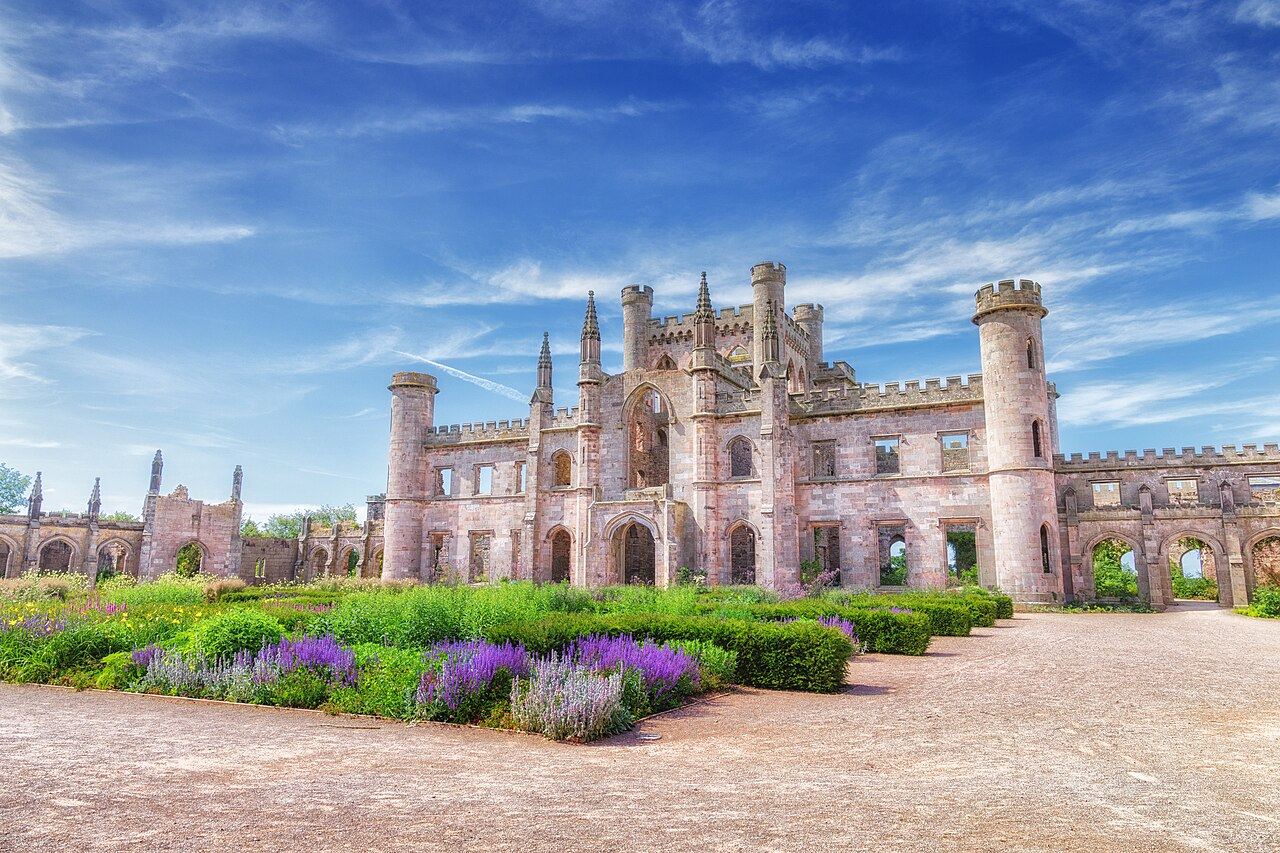
Lowther is a castle that is mostly not there, and that is the point. Lowther's own history says it was built at the turn of the 19th century and demolished in 1957, leaving only the facade and outer walls, which now stand like an enormous stage set over the gardens. The same family has lived here for 850 years, which is a long time to wait for someone else to do the washing up.
The real draw for families is the Lost Castle, which Lowther calls one of the UK's largest adventure playgrounds. It closes at 4pm in winter, so go early and leave the gardens for the second half. It is open every day of the year except Christmas Day, which makes it one of the few safe bets in January.
On winter evenings Lights of Lowther turns the ruins and gardens into a light trail, with timed entry every half hour from 4pm and the last slot at 8pm. Dates for 2026 are 14 and 15 November, 20 to 22 and 27 to 29 November, 4 to 6 and 11 to 13 December, 18 to 23 December and 27 to 30 December. It is pre-booked only, and Lowther says there is a step-free route for wheelchairs and pushchairs.
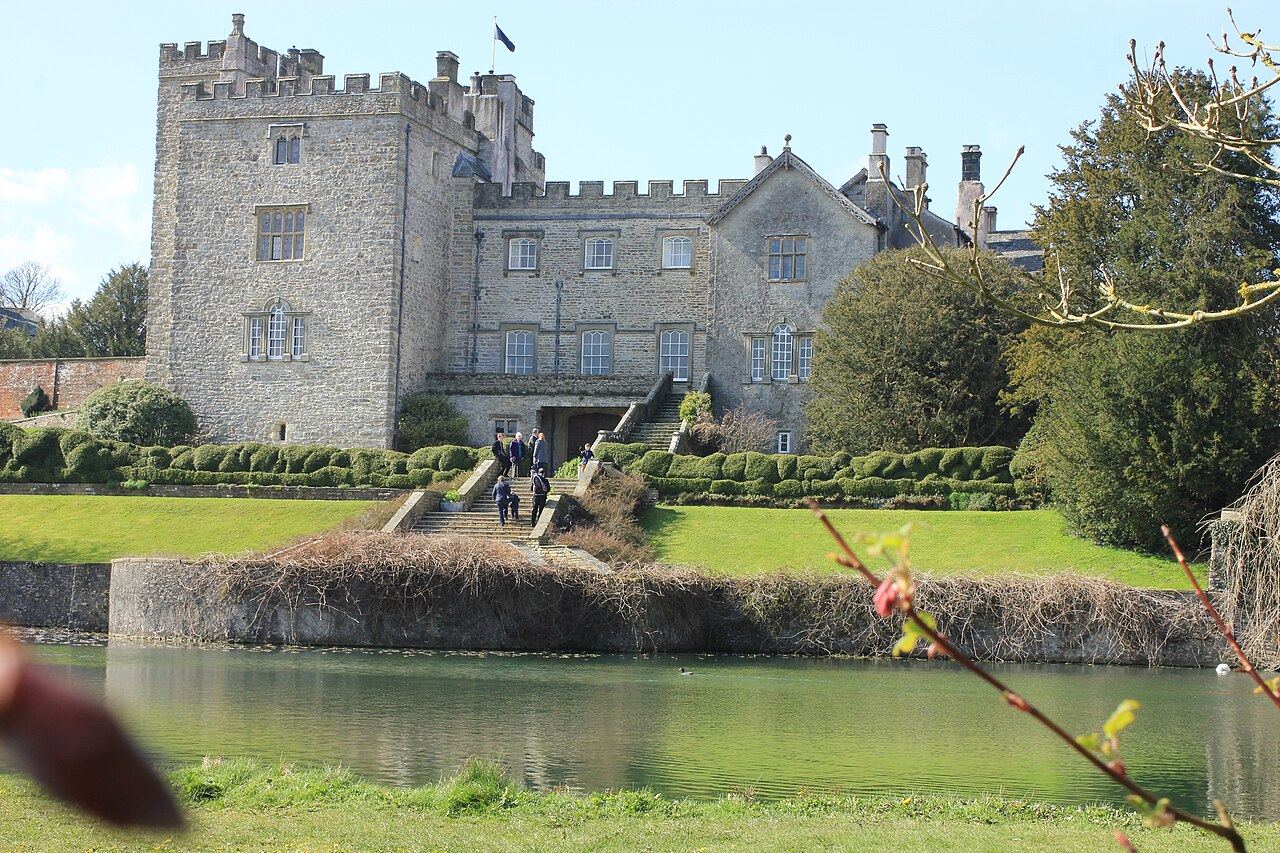
A medieval manor house south of Kendal, filled with things collected by 26 generations of the Strickland family, according to the National Trust, including the Inlaid Chamber. When we checked in early November the house was closed, but the garden, cafe, shop and wider estate were open, and there is an adventure play area and a wild play trail aimed at ages three and up.
The winter reason to go is Winter at Sizergh, which runs every day from Friday 20 November to Thursday 24 December 2026, 12pm to 8pm. The trail takes about 45 minutes, the knoll is accessible for wheelchairs, mobility scooters and pushchairs, and baby changing is in the Visitor Centre. Tickets are non-refundable once bought, so check the forecast before you click.
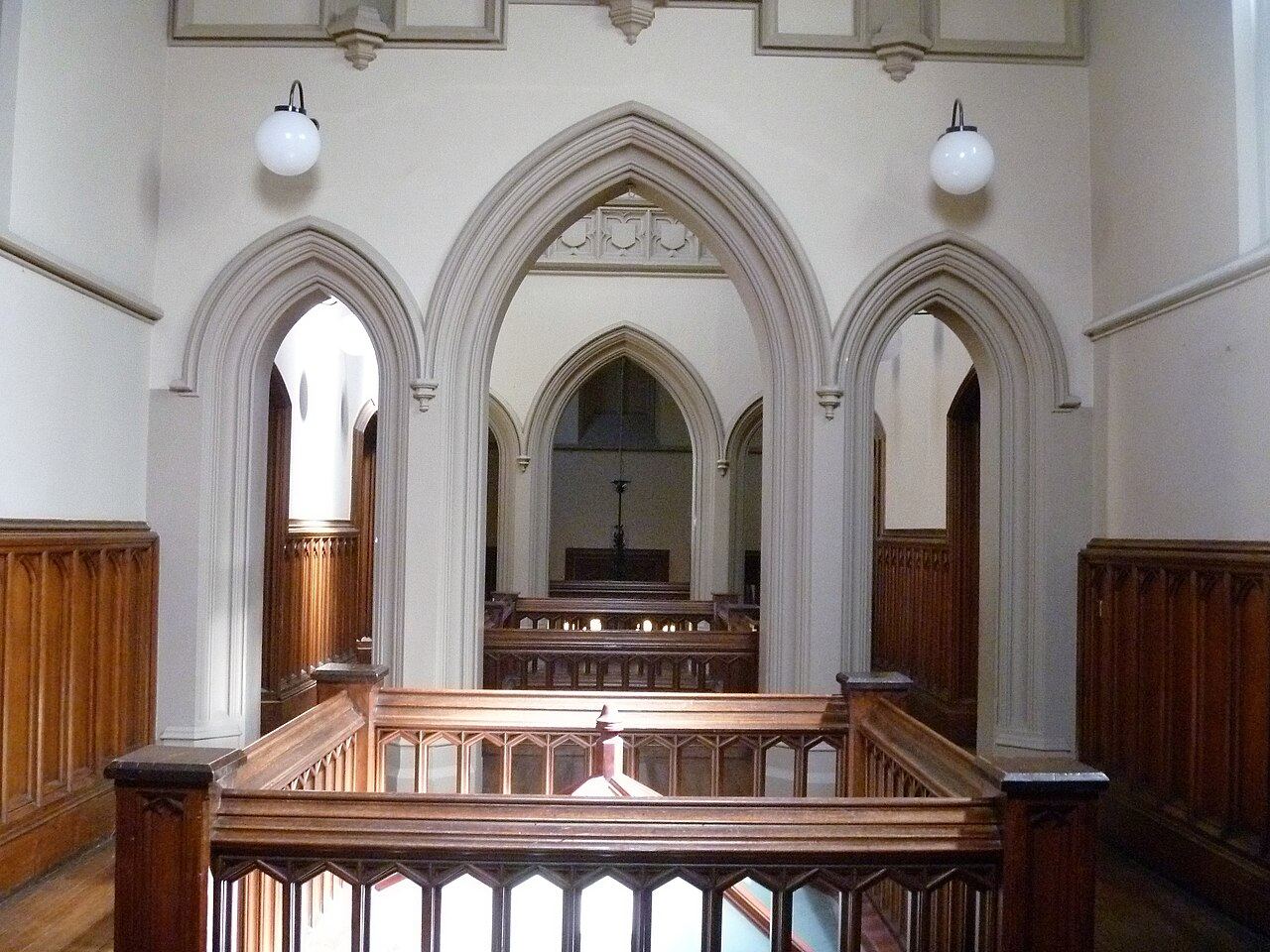
Wray is a Victorian mock castle on the west shore of Windermere, all turrets and battlements, and the National Trust says it was here, on a family holiday in 1882, that Beatrix Potter fell for the Lake District. Right now the castle interior is closed for ongoing works, but the grounds, cafe and toilets are open, so think of it as a lakeside walk with a castle backdrop rather than a castle visit.
The bonus this winter is Pages from the Potter Family Album, an outdoor exhibition of large photographs taken by Beatrix's father on that 1882 holiday, dotted around the grounds until 31 March 2027. Free guided Walk and Talk tours leave the castle terrace at 2.30pm until 17 December, subject to staff being free. Down by the water is a Gothic boathouse, one of the largest in the Lake District, which children find far more exciting than the castle for reasons nobody has ever explained.
These are the ones that rarely make the big lists, and they are often better for small children precisely because there is nothing to break and nobody to shush you. Most are free. Most have no toilet. Go before the second drink of the morning wears off.
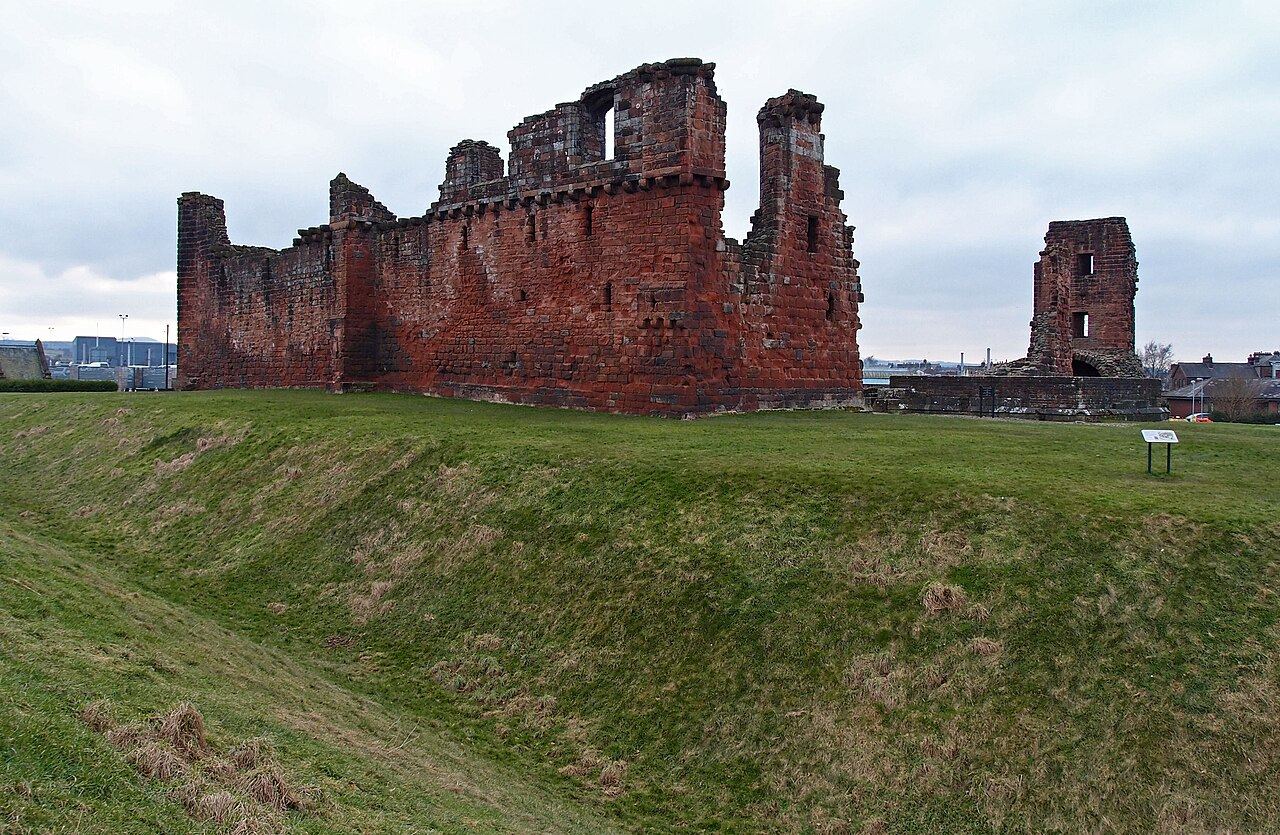
A red sandstone ruin in a public park opposite Penrith railway station, free and open in line with the park. English Heritage says Ralph Neville began it at the end of the 14th century, and Richard, Duke of Gloucester (later Richard III) turned it into a grand residence. Now it is walls, sky, and children running round the edge of the old moat while a parent says "careful" on a loop.
It is a short stop rather than a day out, which is exactly why it is worth the detour: half an hour of castle, then a cafe in the same park. If you are coming by train, it is the easiest castle in the county to reach, full stop.
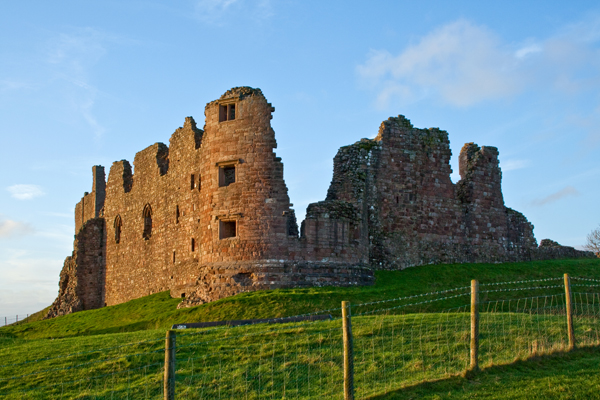
Brough Castle sits on a ridge above the Stainmore Pass, on the site of a Roman fort, with a keep that English Heritage dates to about 1200. Our favourite fact on any castle website: it was accidentally burnt after a "great Christmas party" in 1521. Lady Anne Clifford restored it in the 17th century, presumably with a strict new policy on candles.
It is free, open daily all year apart from Christmas and New Year's Day, and the Brough Castle Ice Cream Parlour and Tearoom sits right next door (not run by English Heritage). If you are crossing the A66, it beats a service station by roughly eight centuries.
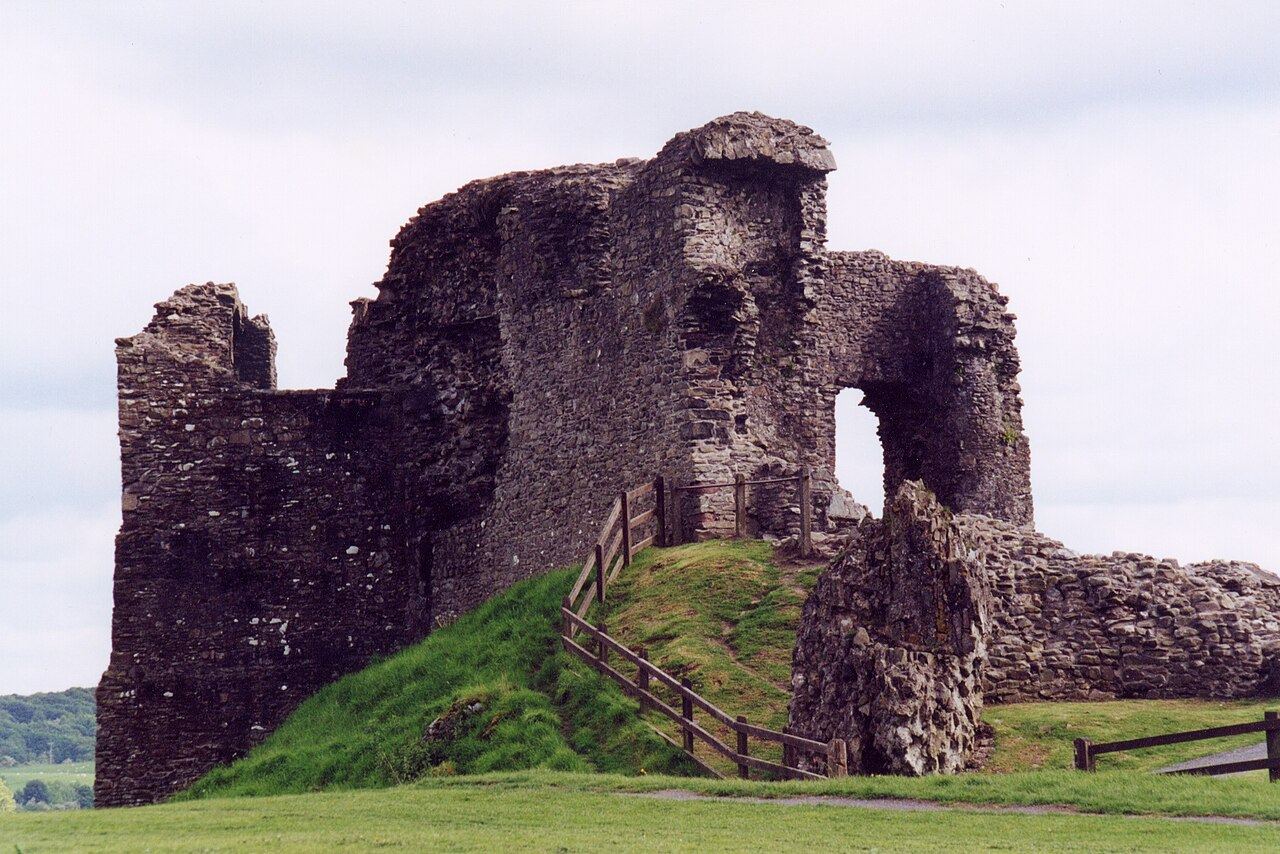
A ruined castle on a grassy hill above Kendal, built in the early 1200s for the barons of Kendal and later held by the Parr family. Katherine Parr, Henry VIII's sixth wife, is often attached to it, though modern research suggests she was most likely born in London. The town bought Castle Hill in 1897 for public enjoyment, and it is still open to the public today.
The walk up is a proper little hill, which children treat as a mountain on the way up and a slide on the way down. The reward is a view across Kendal's grey rooftops to the fells, and enough grass to burn off a morning's worth of mint cake. Kendal Museum has an exhibition telling the castle's story, if the weather turns.
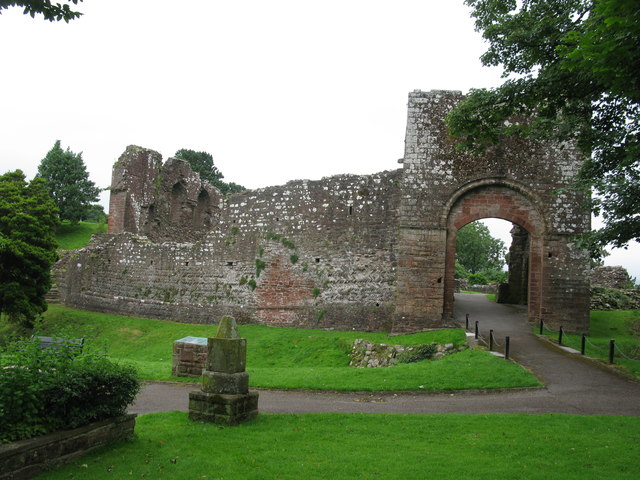
A Norman castle on a mound above the River Ehen in the middle of Egremont, built by William de Meschines around 1130 to 1140, according to Visit Cumbria, on the site of an earlier mound. The ditches are well preserved and part of the gatehouse still stands. There is a legend about a horn that only the rightful heir could blow, which Wordsworth turned into a poem, and which any seven year old will turn into an afternoon of blowing into an imaginary horn very loudly.
Visit Cumbria says it is on public land with access at any time, so it is a good leg-stretch if you are heading down the west coast towards St Bees.
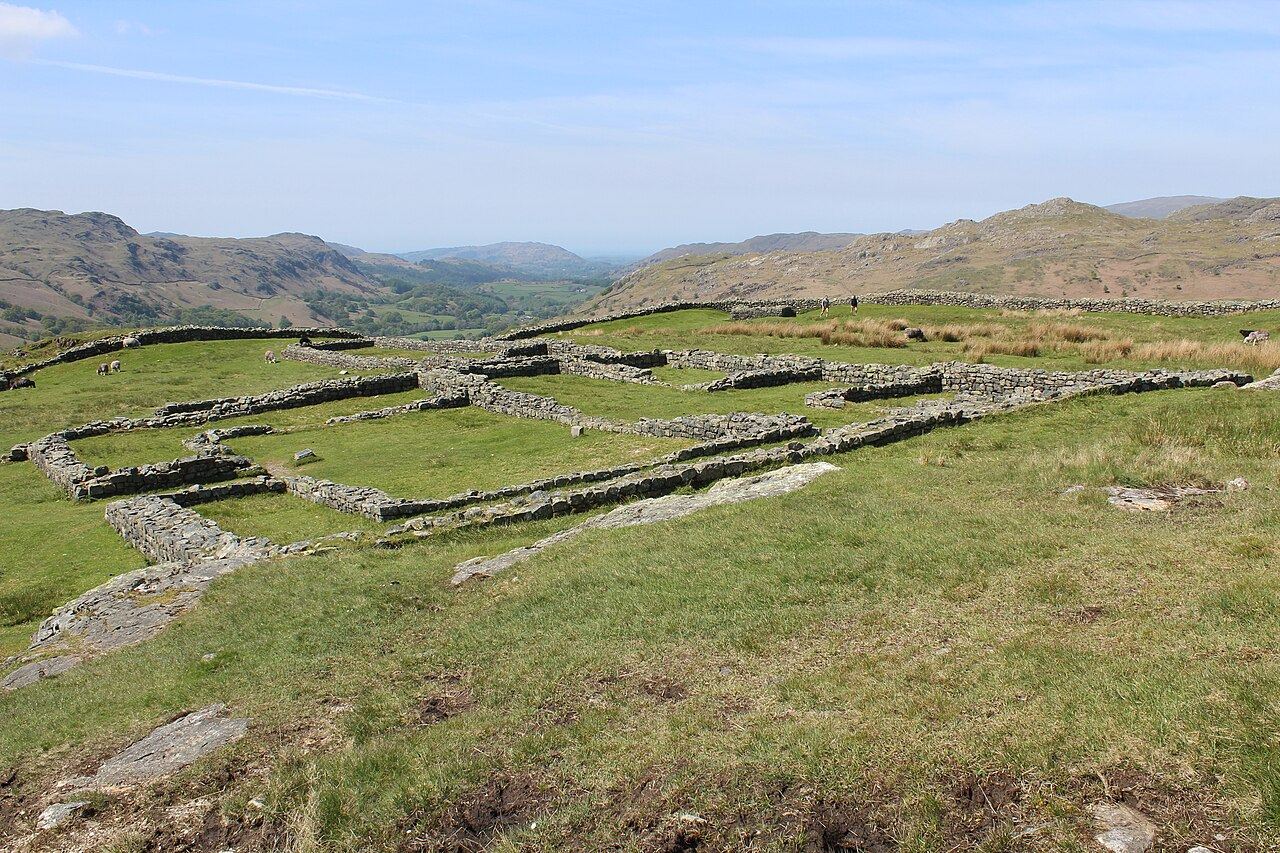
Not technically a castle, but a Roman fort on a shelf above Eskdale is close enough for any child, and the view is one of the biggest in England. English Heritage says it was founded under Hadrian in the 2nd century, and you can still trace the headquarters building, the commandant's house and the bath house. Children can work out where the soldiers slept and why they probably moaned about the weather (some traditions are older than the fort).
The serious bit is the road. English Heritage says Hardknott Pass is narrow and steep and can be hazardous in bad weather. In ice, snow or fog, give it a miss and come back on a clear day.
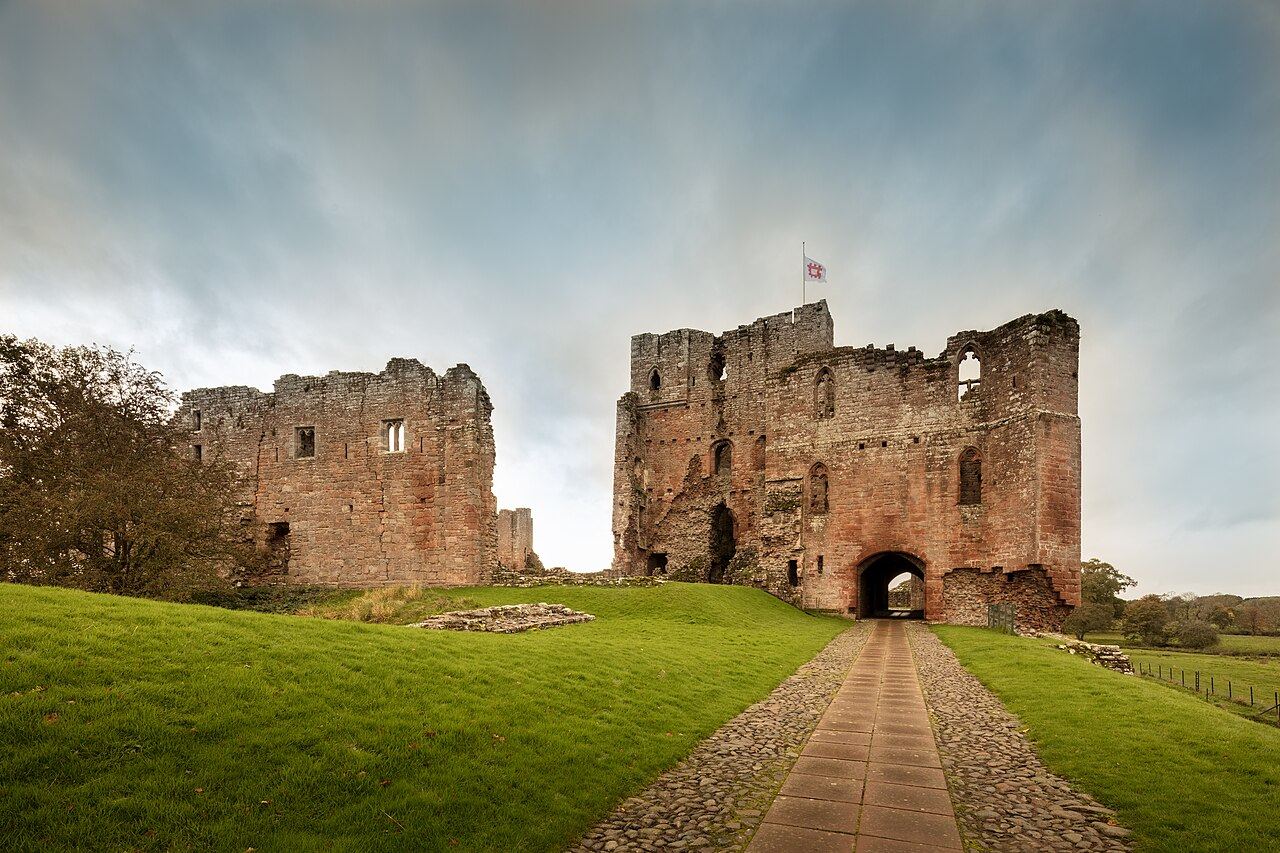
Brougham, on the River Eamont just outside Penrith, is the best climbing castle in the county, and it is closed until March 2027. English Heritage says it was founded in the early 13th century by Robert de Vieuxpont, King John's agent, and later restored by Lady Anne Clifford, who seems to have spent the 17th century fixing other people's castles. Look for the unusual double gatehouse and the Tower of League.
The keep has a steep, narrow spiral staircase four storeys high, which with small children works best with one grown-up at the top and one at the bottom, like goalkeepers. There is a small shop with hot drinks and snacks, a handling box for children, and an exhibition on Lady Anne.
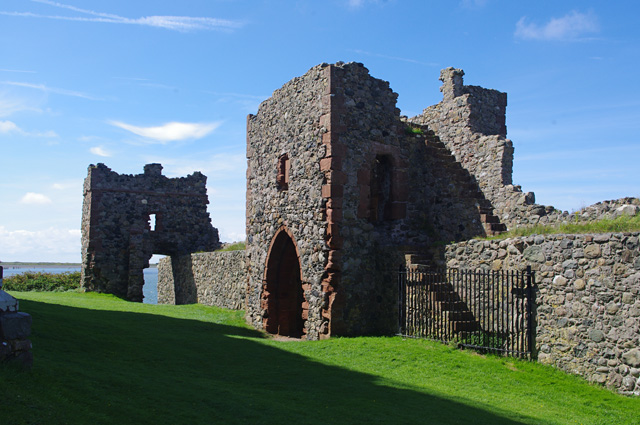
A 14th century fortress on a tiny island off Barrow, built by the Abbot of Furness to guard against pirates and Scots raiders. In 1487 the pretender Lambert Simnel landed here on his way to an unsuccessful attempt at the throne, which is the kind of fact that makes a ten minute boat trip feel like an expedition.
The castle is free and open in daylight, but you can only get there on the small ferry from Roa Island, which runs from Easter to October, weather and tide permitting. The crossing takes 10 to 20 minutes over a busy channel with a strong current. Never try to walk out across the sands: Morecambe Bay tides are fast and dangerous.
Under fives do best where there is a playground and a cafe within a short wobble of the car: Lowther and Muncaster are the obvious picks, and Penrith Castle is the quick free option with a cafe in the same park. Five to tens want stairs, dressing up and something to run along, which is Carlisle Castle on a wet day and Brough or Kendal on a dry one. Older children who claim to be bored by history tend to be won over by Hardknott, mainly because of the drive.
If you only have one free afternoon in winter, our honest pick would be Brough Castle followed by an ice cream next door, even in November. Especially in November, actually, because you will have the place to yourselves and it makes the ice cream feel like an achievement.
Free, and you choose: the family weekend edition on Friday mornings, the grown-up Sunday edition on Sunday evenings, or both.
No spam, no ads. Unsubscribe from any email with one click. Privacy
Carlisle Castle, Muncaster Castle and Lowther Castle are the best for a full day out with children. For free ruins, try Penrith Castle, Brough Castle and Kendal Castle.
Penrith Castle, Brough Castle, Kendal Castle, Egremont Castle and Hardknott Roman Fort are free. Piel Castle is free too, but you pay for the ferry, which runs from Easter to October.
Yes, on weekends. English Heritage listed Saturday and Sunday opening, 10am to 4pm with last entry at 3.30pm, when we checked in November 2026.
Not at the moment. The National Trust says the castle interior is closed for ongoing works, but the grounds, cafe and toilets are open.
Lights of Lowther runs on selected evenings from 14 November to 30 December 2026, with timed entry from 4pm to 8pm. Tickets are £20 for adults and £15 for children and must be booked in advance.
Muncaster opens on weekends from 7 to 29 November 2026, then for its Christmas Festival on 5, 6, 12, 13 and 19 to 22 December. In winter, entry and parking are via the Church Gate entrance.
Take the small ferry from Roa Island near Barrow, which runs from Easter to October, weather and tide permitting. Do not try to walk across the sands.
Facts checked against these pages on Sunday 8 November 2026. Opening times and prices change, so confirm with the venue.