What Not to Miss in the Lake District (and What to Skip)
The famous places worth the queue, the quieter ones a few miles away that nobody tells you about, and the honest list of things to skip.

The famous places worth the queue, the quieter ones a few miles away that nobody tells you about, and the honest list of things to skip.
Don't miss a boat on Derwentwater, Windermere or Ullswater, an easy walk at Tarn Hows or Buttermere, Castlerigg Stone Circle, Aira Force waterfall and the view of Wastwater. For quieter stops, add Long Meg and Her Daughters, Hardknott Roman Fort, the Ruskin Museum in Coniston and Keswick Museum.
If you only have a few days and you want to know what not to miss in the Lake District, here is the honest version: one boat trip, one easy lake walk, one stone circle, one waterfall and one valley that makes you go quiet in the car. Everything else is a bonus. The trick is that the famous places are famous for a reason, and the less famous ones a few miles away are where you actually get to hear yourself think.
Checked 30 October 2026. Prices and winter timetables change, and the late October storms knocked a few paths about, so the official link on each place is the one to trust on the morning you go.
A quick word on the time of year. The clocks went back last weekend, so from now until February you are working with short days and a sun that clocks off before the kids do. That changes the plan more than people expect. A route that is a pleasant afternoon in July is a race against the dark in November, and the last boat back is a lot less romantic when you are watching it leave from the wrong pier (ask me how I know the feeling of jogging with a rucksack full of uneaten sandwiches).
Below that are the places themselves, area by area, with the dull but important bits: parking, toilets, buggies and what to check first. About a third of them are smaller places most first-time visitors drive straight past, and I have marked why each one is worth the detour.
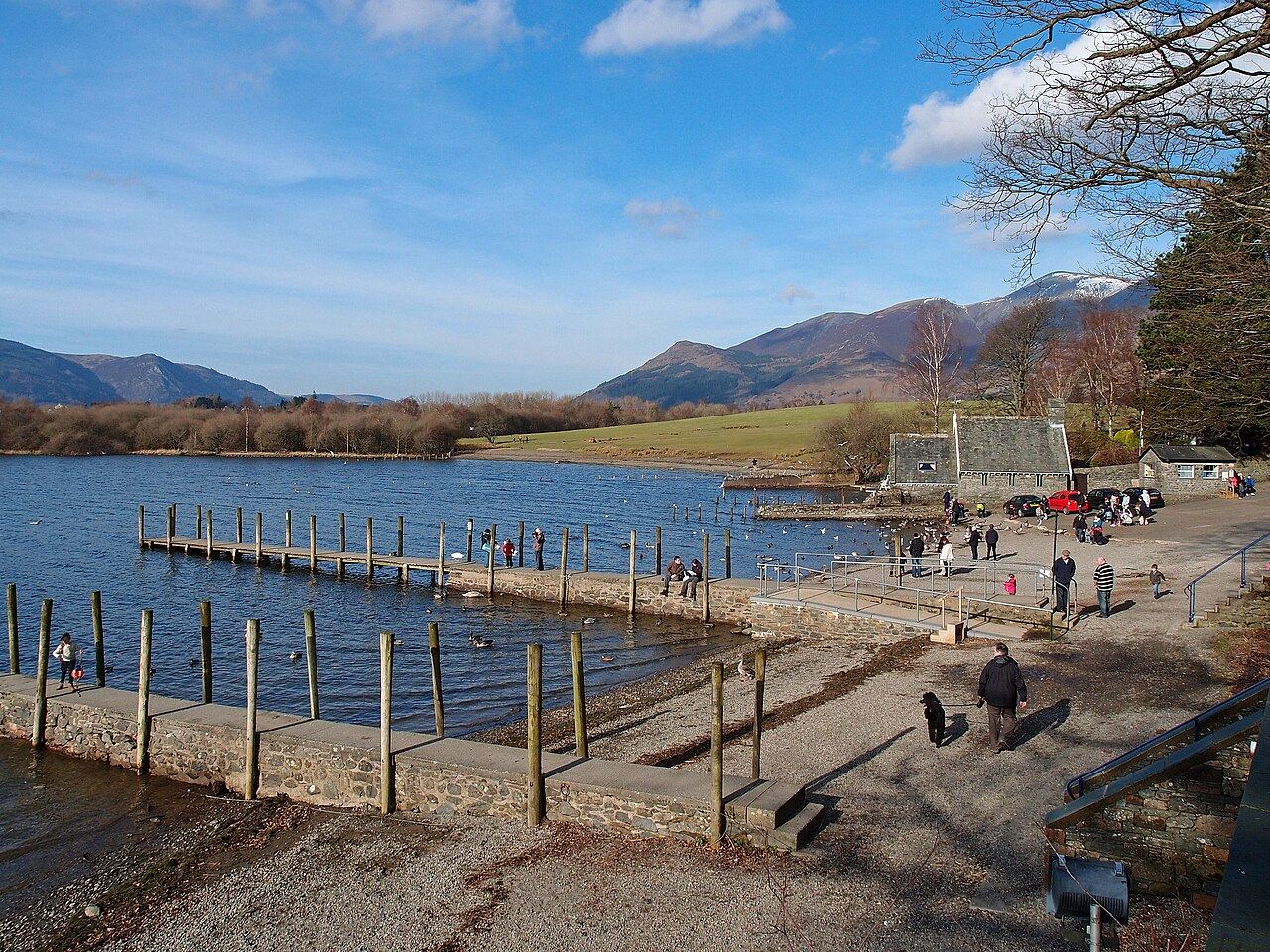
If you only do one boat in the northern Lakes, this is it. The launches go round Derwentwater calling at a string of little jetties, and a round-the-lake ticket lets you hop off, walk a stretch of shore and pick up a later boat. It is the best method yet invented for making children walk without them noticing. The full round trip takes about 50 minutes if you stay on.
From the boat landings it is a short, mostly level stroll along the shore to Friar's Crag, the rocky viewpoint that ends up on half the postcards in Keswick. Do both and you have seen the lake from the water and from the land before lunch.
Winter is the catch. The winter timetable runs from 9 November with sailings on selected days only (9 to 15, 21, 22, 28 and 29 November), then the boats rest completely in December and January. Online booking was off when we checked, so buy at the ticket office by the landings.
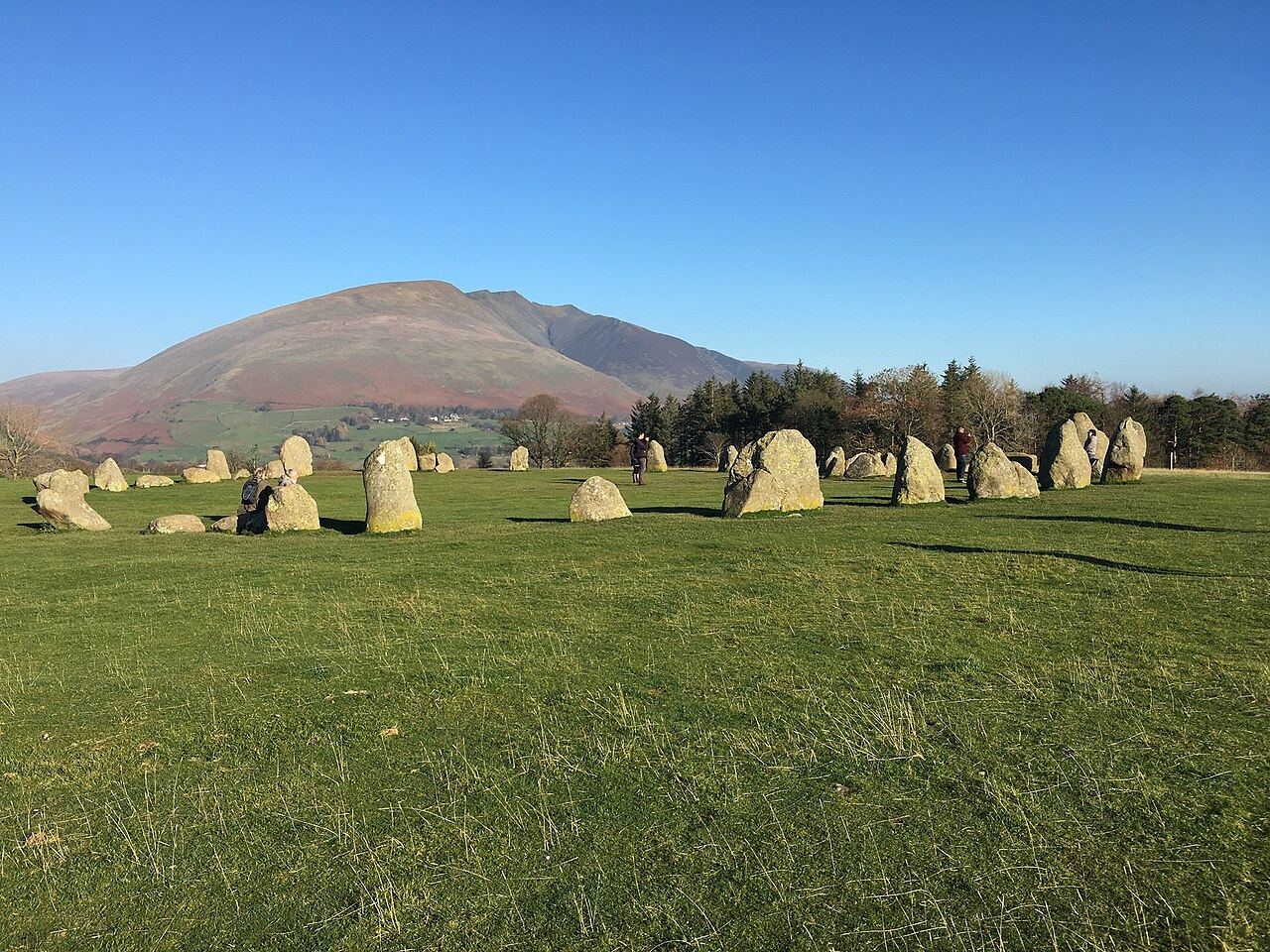
A ring of 38 standing stones, probably put up around 4,500 years ago, on a rise above Keswick with fells on every side. English Heritage keeps it free and open at any reasonable time in daylight, which makes it the ideal last stop of a short winter day. Arrive as the light goes and it does feel properly ancient. Arrive at noon in August and it feels like a coach park with some rocks in it, so time it right.
The ground is muddy and can be slippery, and the sheep treat the whole thing as their dining room. It is about 30 minutes' walk from the middle of Keswick if you would rather leave the car.
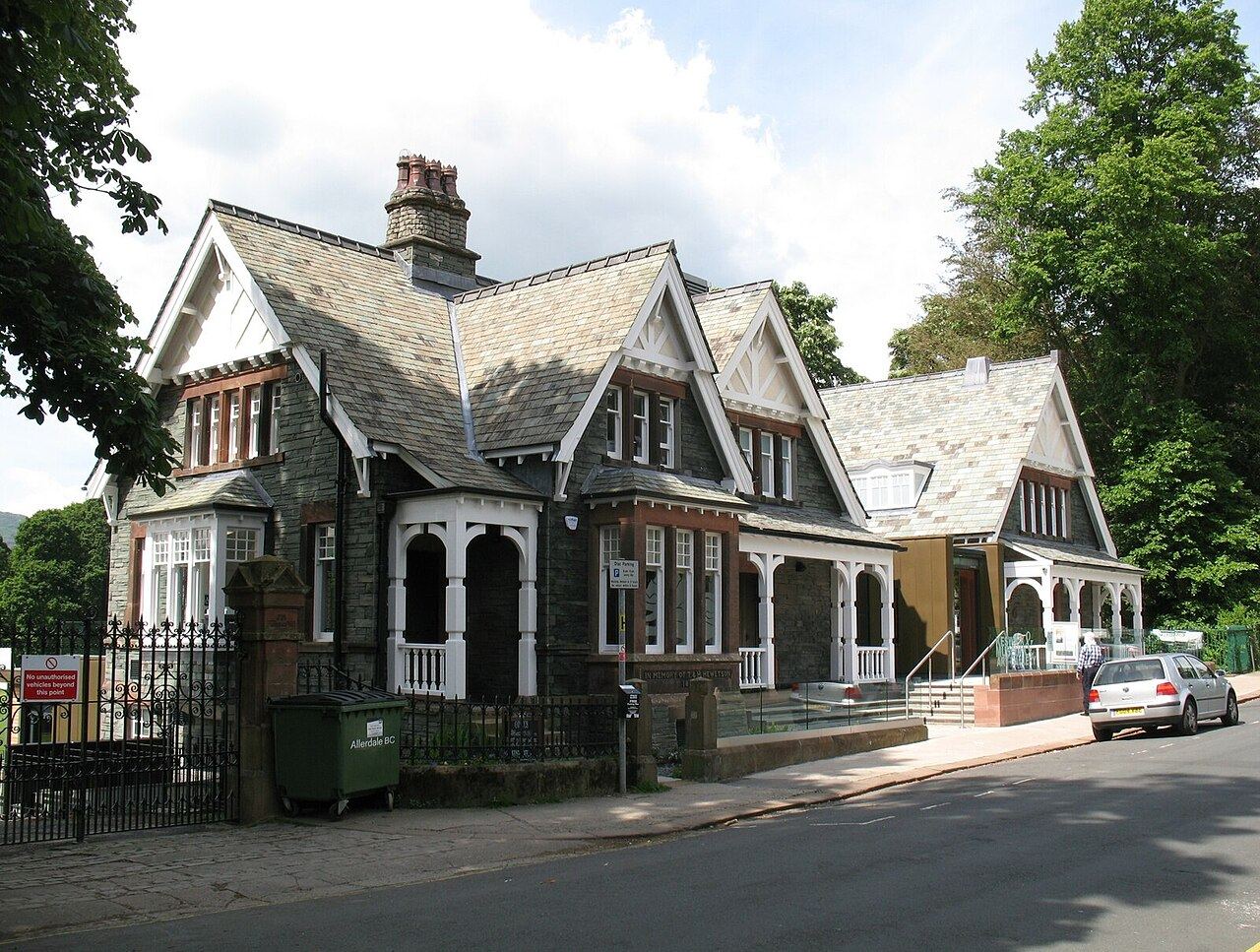
Worth the detour because it is the best wet hour in Keswick and almost nobody puts it on a must-see list. It is a proper small-town museum with a bit of everything, from local history to the odd eccentric object that children fixate on, and it is cheap. There is a cafe, Café West, for the moment someone announces they are starving at five past eleven.
It is open daily from 10am to 4pm (last admission 3.30pm), but closes from 24 December 2026 to 31 January 2027, so it is a November and early December plan. The Almanac has a free lunchtime talk there on 5 November on the Cumbrian Railways Association at 50.
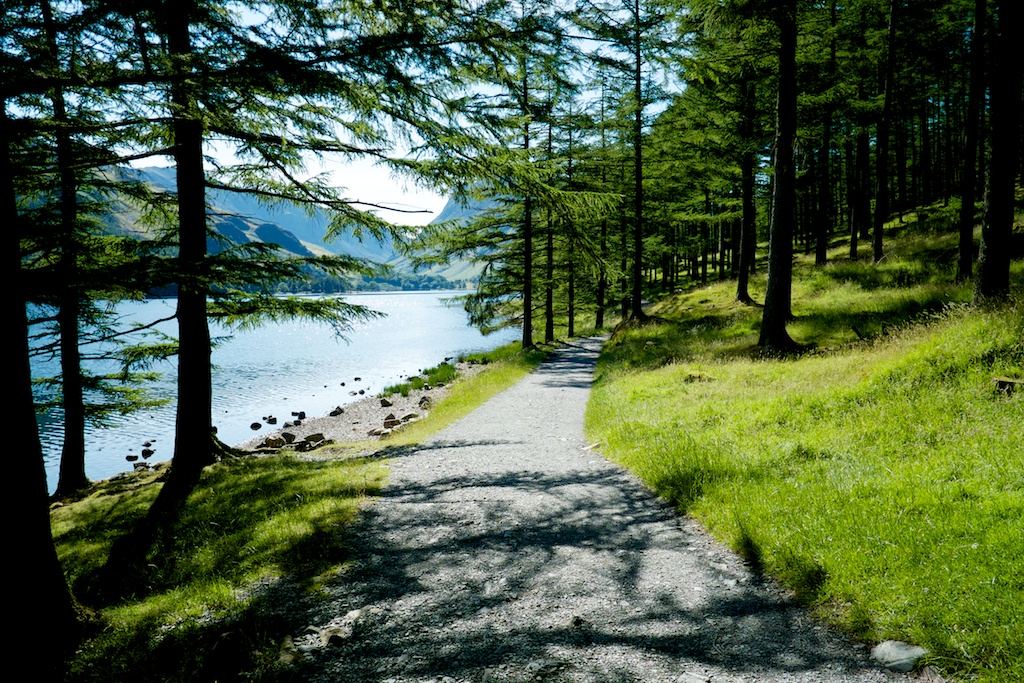
The National Trust describes the walk round Buttermere as easy and level, passing Sourmilk Gill and a Victorian tunnel cut through the rock. The tunnel is the bit children remember for years. Adults tend to remember the view back up the valley, and the fact that the cafe was open.
One important update: the National Park's own route page currently grades its Buttermere lakeshore route as challenging because of washout, with rough sections that people on wheels may find very difficult. So with a buggy, wheelchair or tired legs, do a short out-and-back from the village and save the full circuit for drier, kinder days.
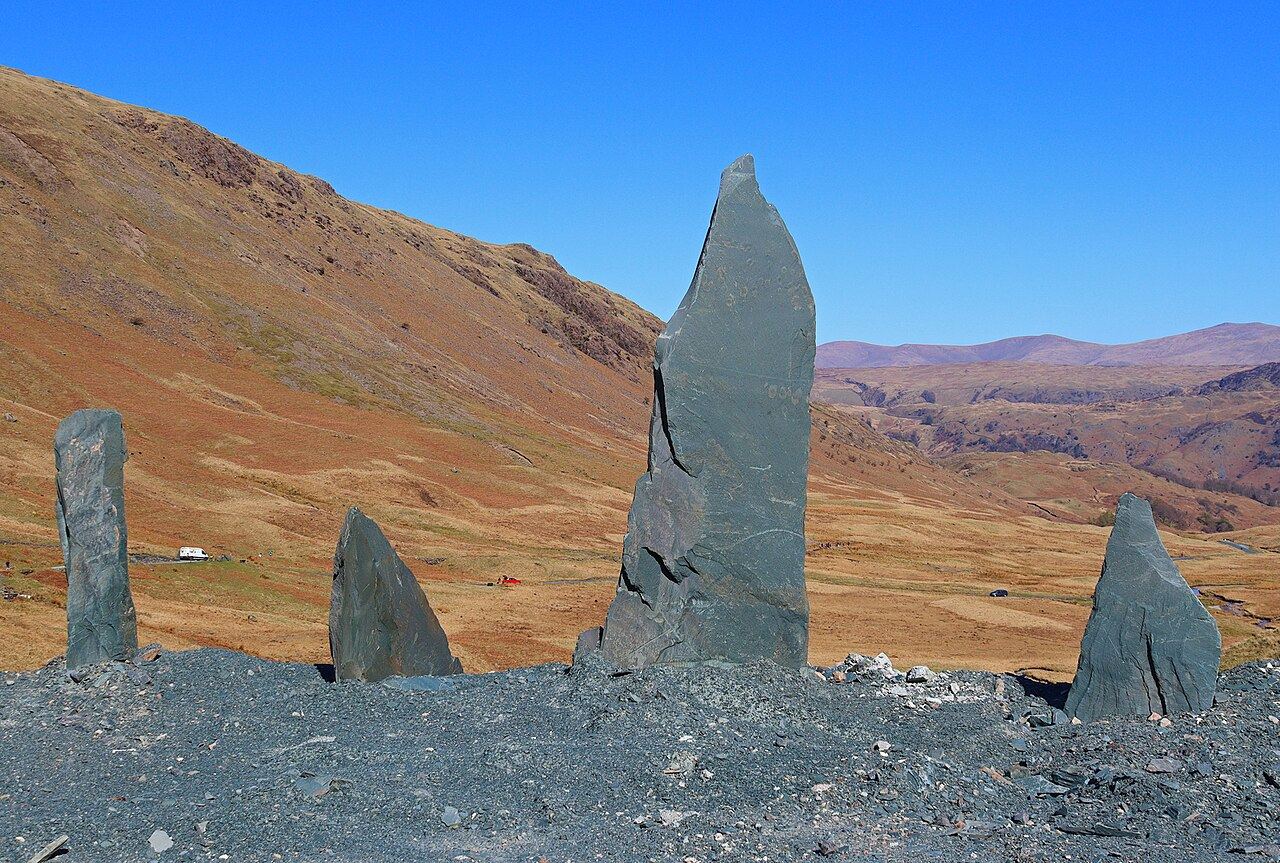
At the top of Honister Pass is England's last working slate mine, and it is the big rainy-day answer for this whole corner of the Lakes. Mine tours take about an hour and a half, suit all ages and start from £25. Under 16s must be with an adult, and there are about 50 steps down with a handrail.
From 14 November to 23 December it runs Santa's Secret Grotto underground, from £30, and Honister says it sells out every year. On 7 November the Almanac lists the free Lakeland Vintage Car Rally there (parking charged), which is a fine excuse to stare at old cars at the top of a mountain pass.
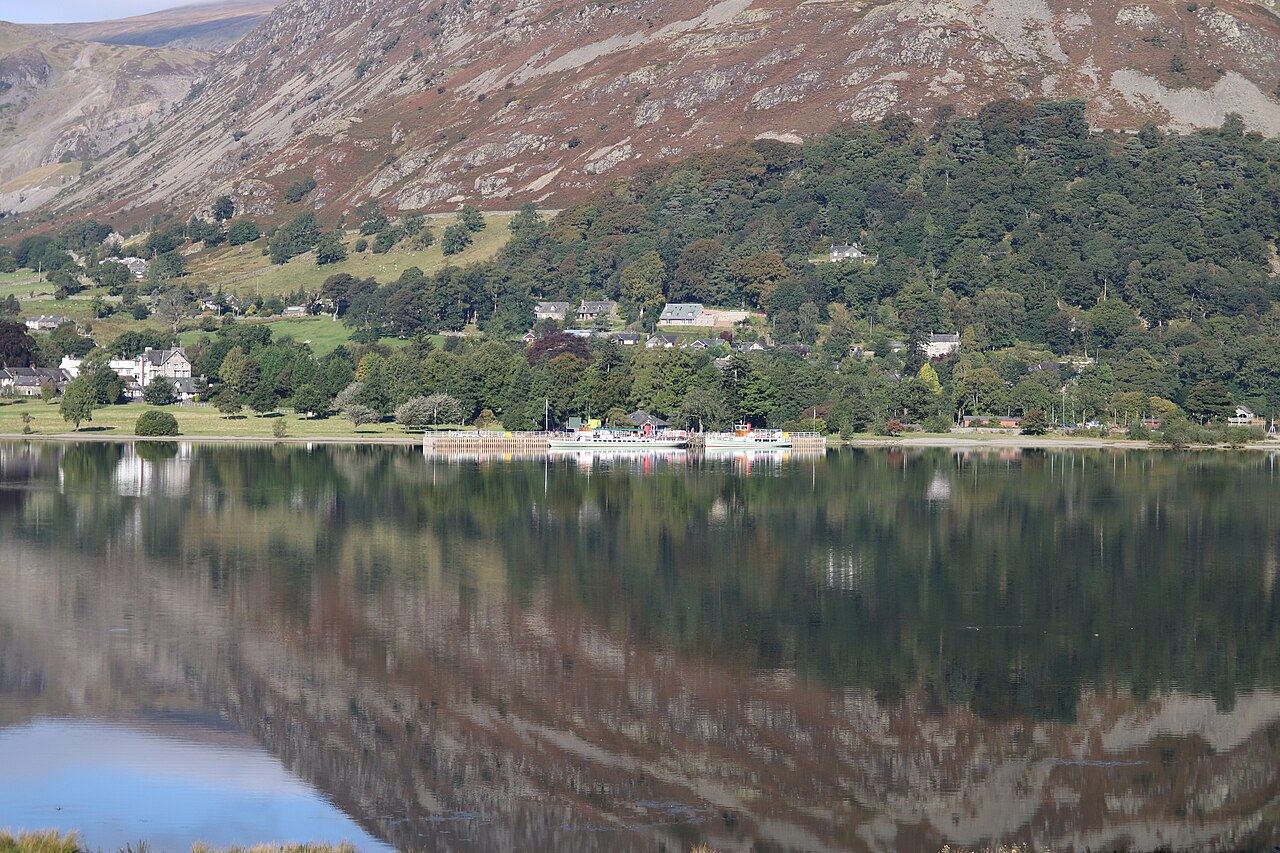
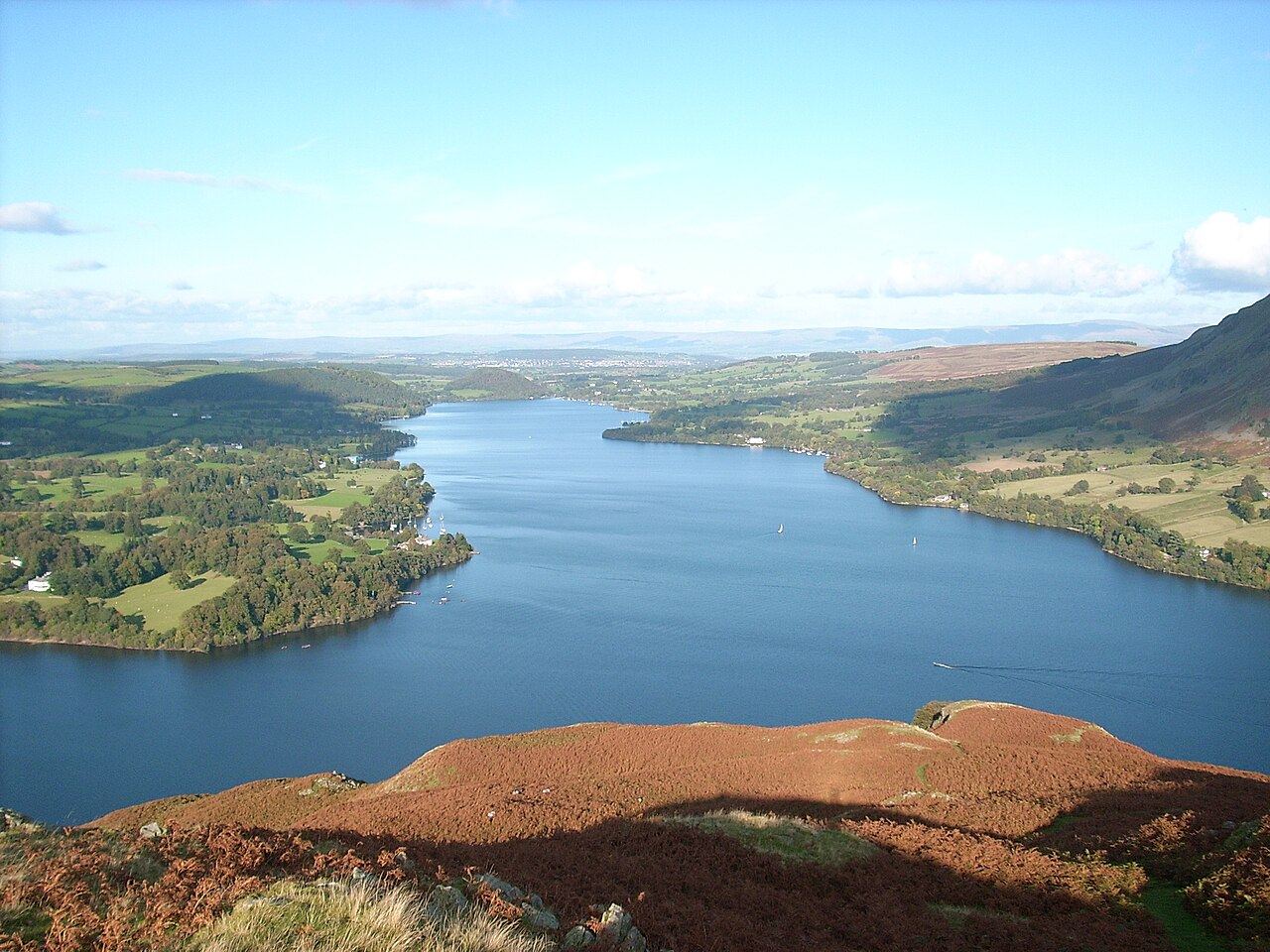
The heritage boats run between Glenridding, Howtown and Pooley Bridge, and they are the most relaxing way to see what plenty of people reckon is the loveliest of the lakes. Glenridding to Howtown takes 35 minutes each way. A round-the-lake ticket lets you get off at Howtown and catch a later boat back, which gives you a lakeside walk with a built-in ride home.
Dogs travel for £1.50. The Aira Force pier is out of action, and the company says those sailings will not return until 2027, so for the waterfall you need the car or the bus.
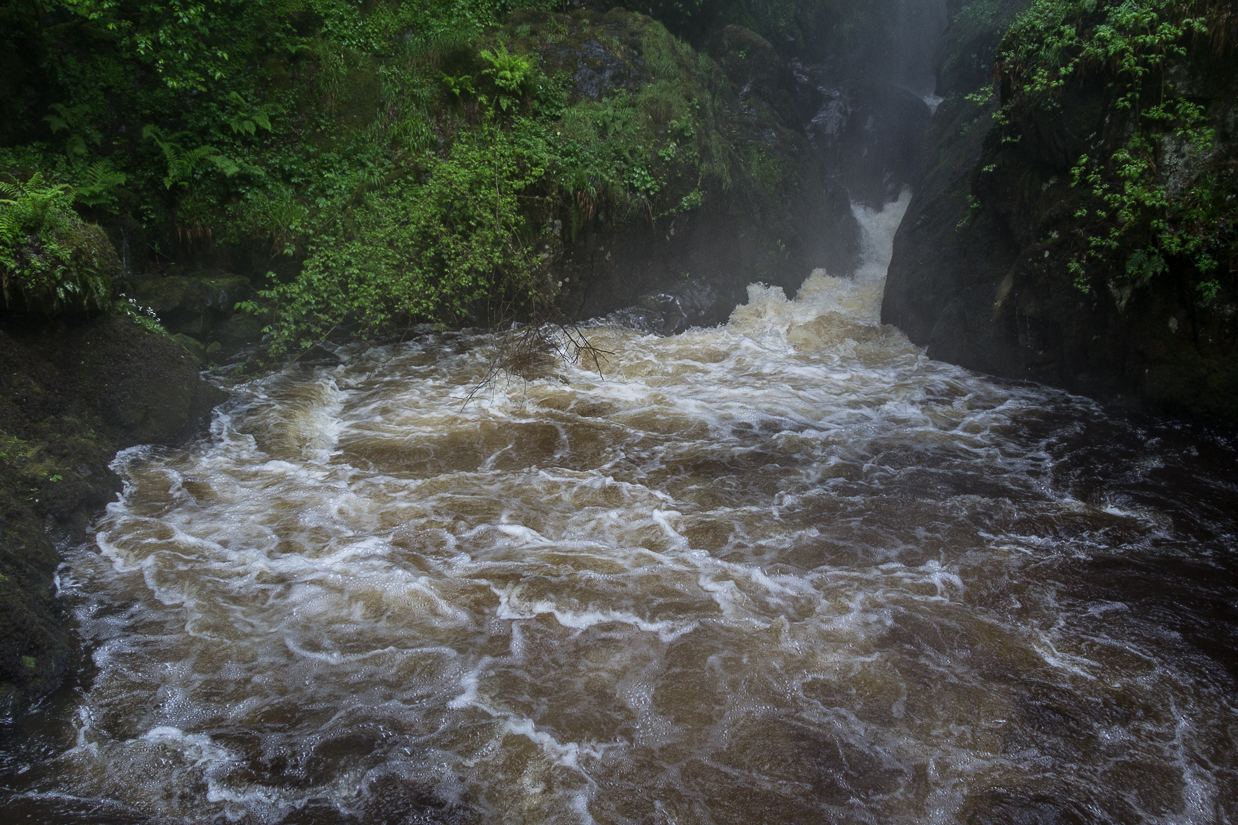
A big waterfall in a wooded gorge above Ullswater, with stone bridges above and below so you get the view and the spray. After rain it roars, and in the Lake District it has usually just rained.
Be straight with yourself about access: the National Trust says the waterfall is not accessible by wheelchair or pushchair, and the paths are steep and slippy in the wet. Bring a child carrier for little ones. The tea room was listing 10am to 4.30pm when we checked. Paths here were hit by the late October storms, so look at the Trust page before you set off.
Worth the detour because it is a huge stone circle that hardly anyone outside Cumbria has heard of, about 20 minutes from Penrith. The Eden Rivers Trust counts 69 stones, with Long Meg herself standing outside the ring. Legend says nobody counts the same number twice, so hand the job to a seven year old and enjoy the argument.
There is a free car park on the lane. The trust's 2.4 mile walk takes about two hours with stiles, gates and muddy bits, so with small children just walk the lane to the circle.
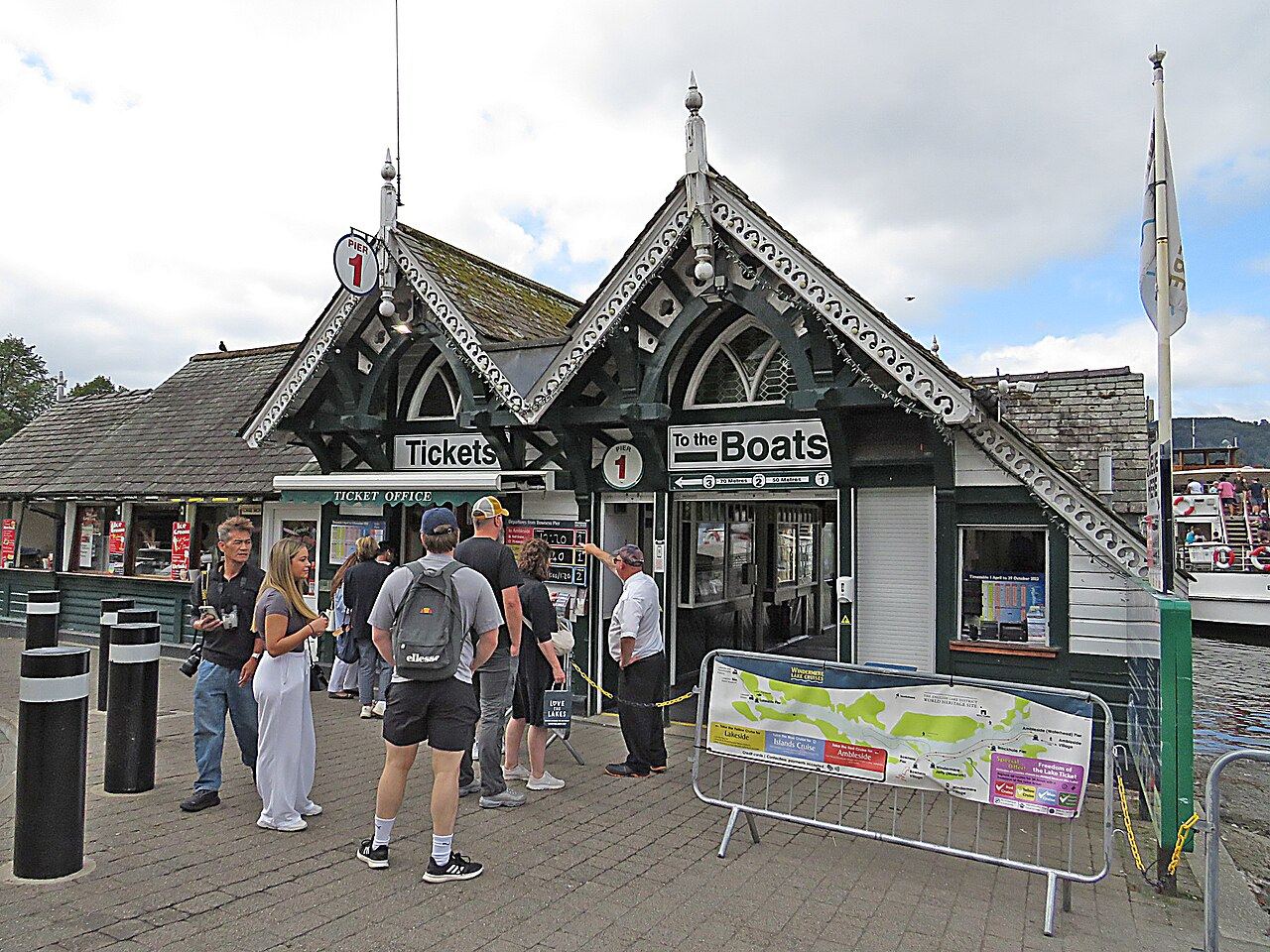
England's biggest lake, and the boats sail every day except Christmas Day, though less often in winter. For small children the Islands Cruise is the one: a 45 minute loop from Bowness. The Red Cruise between Bowness and Ambleside takes about 35 minutes each way, which means you can get off in Ambleside, find a cafe and come back on a later boat.
The fares below are the ones listed until 1 November 2026, and an off-peak timetable runs from 2 November to 24 December. Check the booking page for winter prices before you budget.
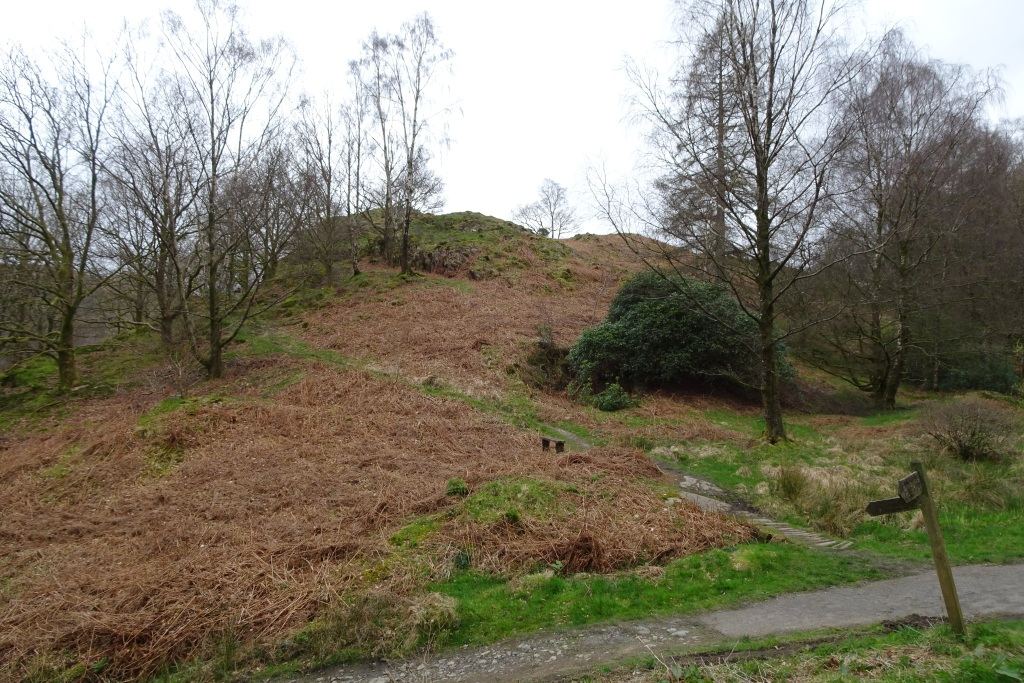
Worth the detour because it is the easiest proper bit of the Grasmere and Rydal area, and most people sail straight past it on the A591 looking for somewhere harder to park. The National Park's 'for all' route is just 1.1 km and takes about half an hour, through woodland by the river.
It is a good one for a grandparent, a pushchair or a child who has declared their legs broken. Wheelchair and pushchair users should take the right-hand route to avoid a steep slope and steps, and the park warns of a 140 mm step off the first small footbridge after the toilets.

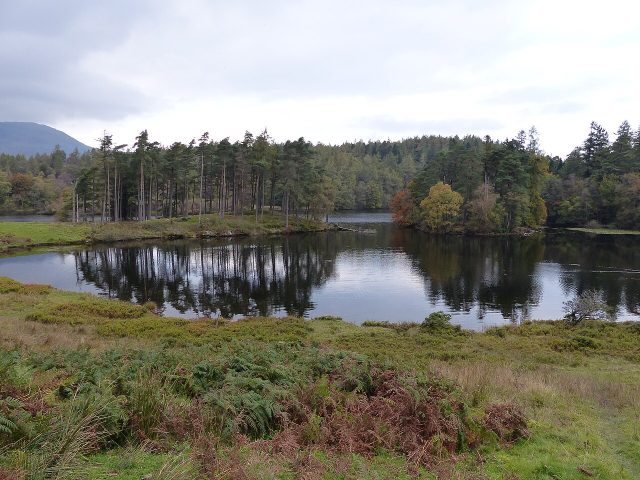
The classic first family walk, in the woods between Coniston and Hawkshead. The National Trust circuit is 2 miles (3.2 km) on a firm gravel path, takes about an hour and suits pushchairs, prams, wheelchairs and mobility vehicles, with some ups and downs. You can borrow a Tramper mobility scooter free if you book 48 hours ahead.
It is famous, so the car park fills on dry weekends. Go early, or go in drizzle and enjoy having it to yourselves, which in a Lake District winter is a fairly reliable strategy.
Worth the detour because it is a village museum that punches well above its weight, and Donald Campbell's Bluebird K7 is back on display there. Children who have never heard of Campbell still stand in front of it for a surprisingly long time, which is more than can be said for most things in a museum.
It is open every day from 10am to 4.30pm until Sunday 8 November 2026, then switches to shorter winter hours. Pair it with Tarn Hows, ten minutes up the road, and the Coniston Festive Fayre at the Coniston Institute on 14 November.
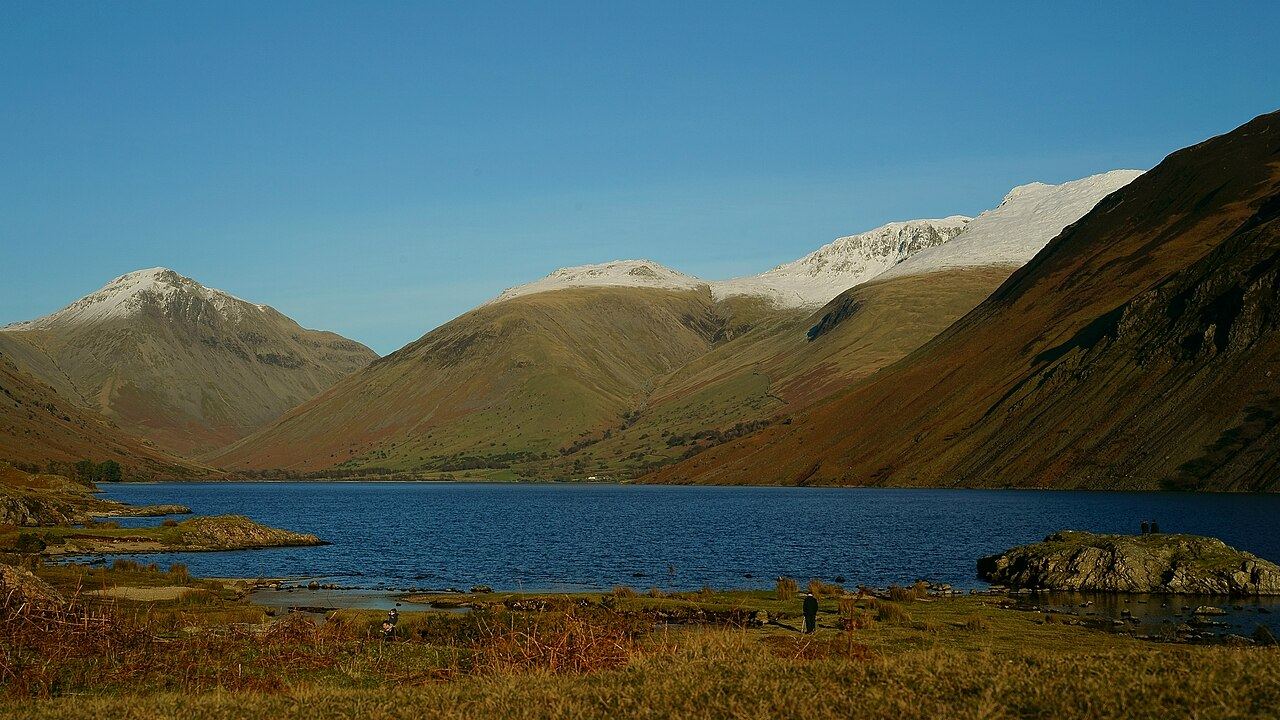
The National Trust bills Wasdale as home to England's highest mountain and its deepest lake, and you do not need to climb anything to feel it. The road runs along the lake towards Wasdale Head with the screes across the water and the big fells at the top of the valley, so the view comes to you. A picnic in the car with the heater on is a perfectly respectable Wasdale tradition.
The water is very deep and very cold, so this is a place for looking at, not paddling in, especially in winter.
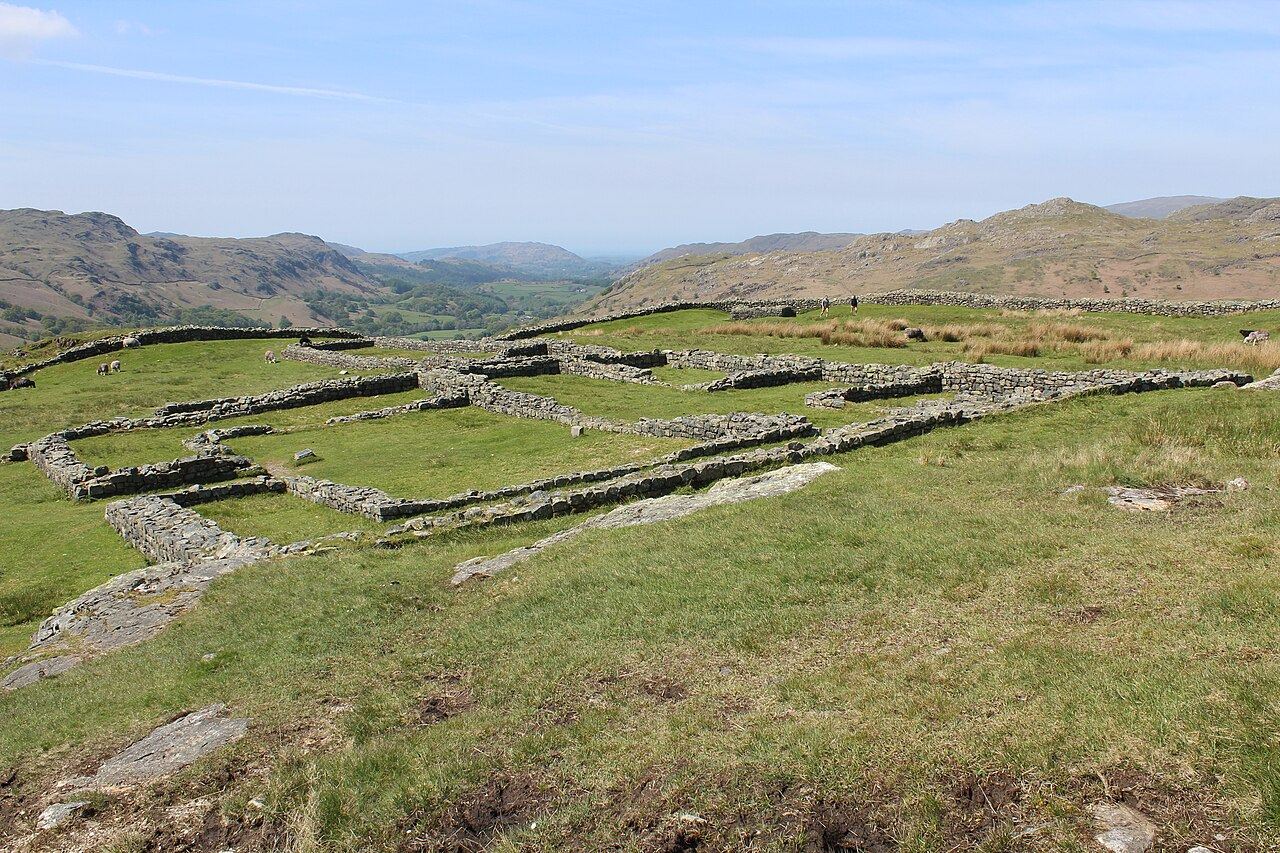
Worth the detour because it is a Roman fort on a shelf above Eskdale with one of the biggest views in England, it is free, and you will probably have it to yourselves. Children can work out where the soldiers slept and why they probably moaned about the weather (some things never change).
The road is the serious part. English Heritage says Hardknott Pass is narrow and steep and can be hazardous in bad weather, so in ice, snow or fog, give it a miss and come from Eskdale another day.
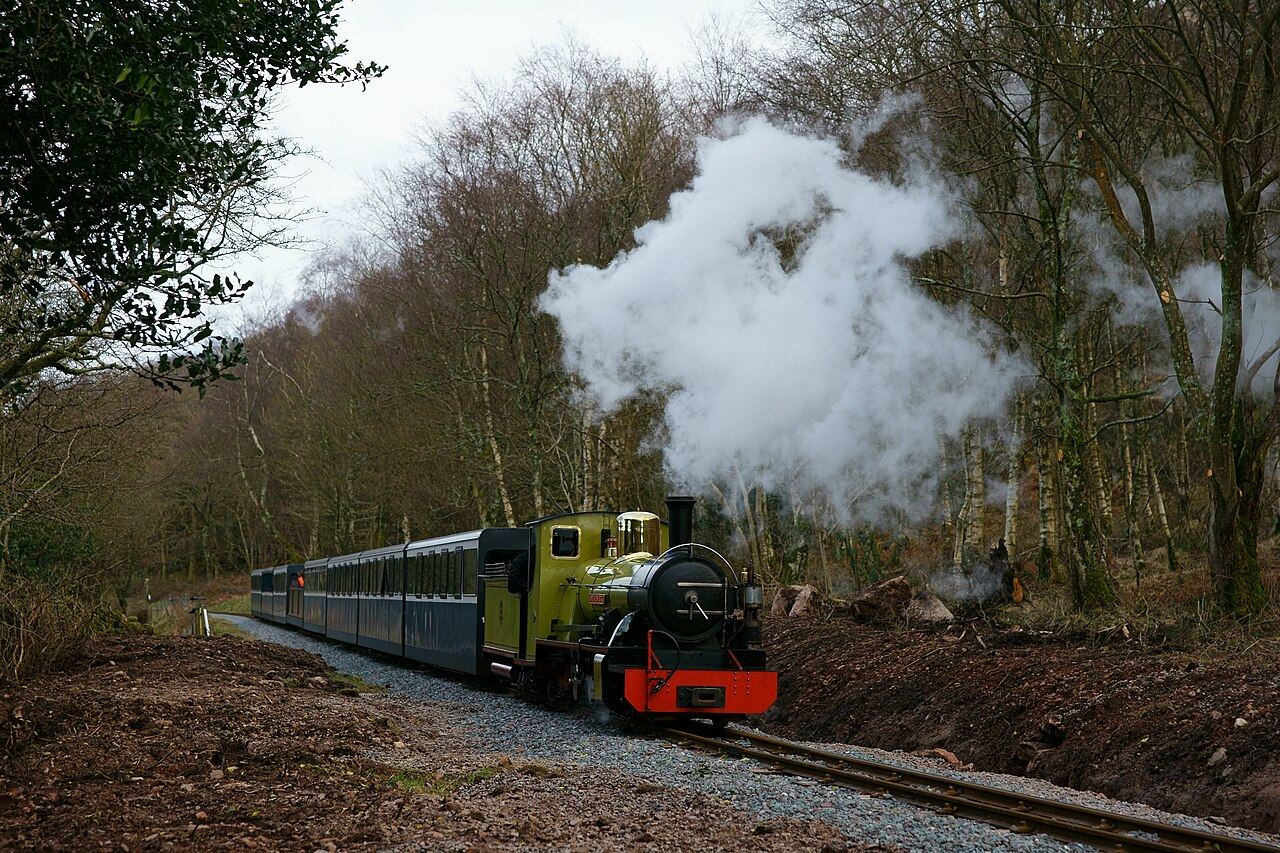
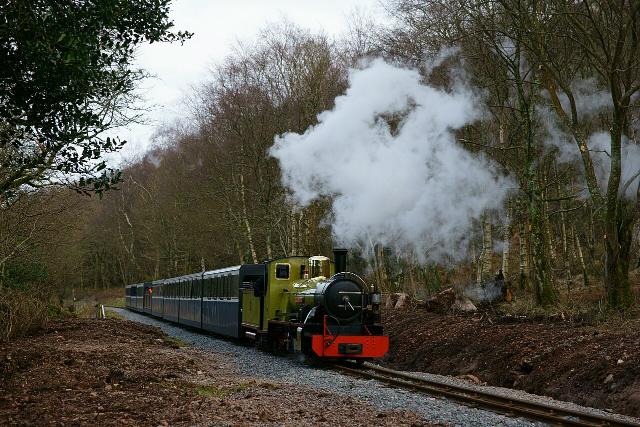
La'al Ratty is a little steam railway running seven miles from the coast at Ravenglass up into Eskdale, about 40 minutes each way. Combined with Hardknott and Wastwater it makes the west a full day, and it is the bit of the Lake District most visitors never reach.
The Santa Express runs from 21 November to 24 December and the Winter Warmer trains from 28 December to 3 January. Diesel may replace steam at short notice, and winter running days vary, so look at the timetable before you drive over.
One day: base in Keswick. Keswick Launch in the morning (on a sailing day), a walk to Friar's Crag, lunch in town, then Castlerigg as the light goes. If the boats are off, swap in Keswick Museum.
Two days: day one as above. Day two over Honister to Buttermere, with the mine tour as the rain plan and a short lakeshore stroll if it stays dry.
Three days: add a southern day, with Tarn Hows in the morning, the Ruskin Museum in Coniston after lunch and a Windermere boat from Bowness if there is time. If you have a fourth day and a steady driver, the west (Wastwater, then La'al Ratty from Ravenglass) is the one people remember longest. Ullswater and Long Meg make a good day on the way home if you are heading for the M6 at Penrith.
The best Lake District itinerary is the one with a toilet stop pencilled in every two hours. Everything else is detail.
Dates come from our Almanac, which checks each organiser's page. For everything else this winter, the winter with kids guide and the parking guide are the next two to read.
See what's on in The Cumbrian AlmanacFree, and you choose: the family weekend edition on Friday mornings, the grown-up Sunday edition on Sunday evenings, or both.
No spam, no ads. Unsubscribe from any email with one click. Privacy
A boat on Derwentwater, Windermere or Ullswater, an easy lake walk such as Tarn Hows, Castlerigg Stone Circle, Aira Force and the view of Wastwater. They cover the lakes, the fells and the history in a few days.
Two or three days is enough to see one area properly and get a taste of a second. Four days lets you add the quieter western valleys such as Wasdale and Eskdale.
Keswick is the easiest base for a first visit, with Derwentwater, Castlerigg and Buttermere close by. Windermere and Ambleside suit people arriving by train, as Windermere has the railway station.
Yes, if you plan for short days and check opening times. Keswick Launch has no sailings in December or January and Keswick Museum closes from 24 December 2026 to 31 January 2027, but Windermere Lake Cruises sails every day except Christmas Day.
Castlerigg Stone Circle, Hardknott Roman Fort and Long Meg and Her Daughters are all free, as are walks at Tarn Hows, Buttermere and White Moss Common. You usually pay for parking, though National Trust members park free at Trust car parks.
No. The National Trust says the waterfall is not accessible by wheelchair or pushchair, so bring a child carrier. Tarn Hows and White Moss Common are better pushchair walks.
It is a matter of taste, but Buttermere, Ullswater and Wastwater are the ones people name most. Wastwater, the deepest, is the most dramatic, and Buttermere is the easiest to walk beside.
Facts checked against these pages on Friday 30 October 2026. Opening times and prices change, so confirm with the venue.