St Bees Beach and the Cumbrian Coast: Cliffs, Sand and the Coast to Coast
Red sand, seabird cliffs and the start of a 190 mile walk, on the side of Cumbria most people drive past. Here's how to do St Bees and the coast around it, tide table in hand.

Red sand, seabird cliffs and the start of a 190 mile walk, on the side of Cumbria most people drive past. Here's how to do St Bees and the coast around it, tide table in hand.
St Bees beach is a long red sand beach on the west Cumbrian coast, with a level promenade, free toilets, a play area and the RSPB St Bees Head cliffs next door. The sand is covered for two to three hours either side of high tide, there are no lifeguards, and parking at the Foreshore car park costs £1.80 an hour or £8.80 for the day. Nearby, Whitehaven's Beacon Museum, Seascale, the Ravenglass and Eskdale Railway and Silecroft beach make a full coastal day.
St Bees beach is a long sweep of red sand on the west Cumbrian coast, with sandstone cliffs at one end, a promenade and a playground at the other, and the start of the Coast to Coast walk in between. It's the best family beach between the Solway and Ravenglass, and it's about as far from the Windermere crowds as you can get without a passport. The catch is the tide: at high water the sand vanishes and you're left with a shingle bank and a lot of optimistic people holding buckets.
We're a Carlisle family with a six and a seven year old, and the west coast is the bit of Cumbria most visitors drive straight past on the way to somewhere with a gift shop. This guide covers St Bees itself, then works down the coast to Whitehaven, Seascale, Ravenglass, Silecroft and Millom, mixing the places everyone has heard of with a few that deserve to be better known.
Checked 6 October 2026; prices and opening times change, so the venue link is the one to trust.
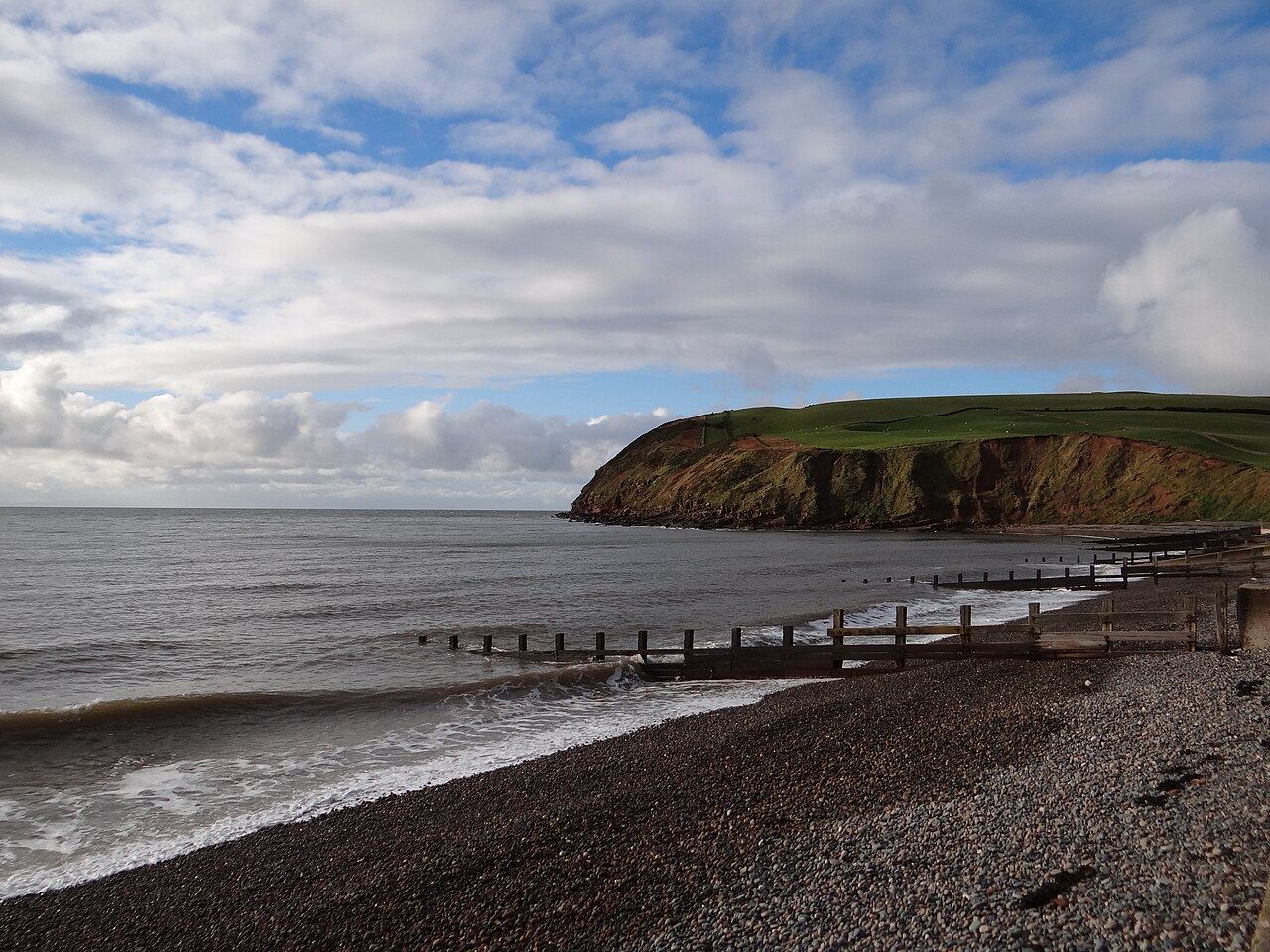
It's a small village with a big beach. There's a railway station in the middle of the village, a handful of pubs on Main Street, a Norman priory church, a famous old school, and then the seafront: a concrete promenade with level access from the car park, free public toilets run by the parish council, a play area and a beach cafe. Beyond that, at low tide, there's a vast spread of red sand studded with rock pools. To the north the cliffs of St Bees Head climb to about 90 metres, and they're the only stretch of Heritage Coast on the English coast between the Welsh and Scottish borders.
What it isn't is a seaside resort with amusements and a pier. If your children need a 2p machine to feel they've been to the seaside, Silloth or Morecambe will serve you better. If they're happy with sand, rocks, crabs and a lot of shouting into the wind, St Bees is a cracker.
Check the tide table before you leave the house. Not in the car park. Before you leave the house.
The village's own beach page puts it simply: the sand is reachable at all times except two or three hours either side of high tide, when only the shingle is clear of the water. So the best visit starts as the tide is going out. Tide predictions for nearby Whitehaven are a quick search away, and the difference between a good day and a bad one here is often just an hour.
The beach slopes gently and is generally free from dangerous currents, but swimming should be avoided near the rocks of South Head. There's an RNLI lifeboat station on the promenade, but no beach lifeguards, so nobody is watching the water for you. The Irish Sea stays cold even in a heatwave. Paddling with an adult alongside is the sensible limit for small children.
Parking is at the St Bees Foreshore car park (CA27 0EY), run by Cumberland Council, with 211 spaces plus disabled bays. At the time of writing it costs £1.80 for an hour, £3.00 for two, £4.30 for four and £8.80 for up to 12 hours, and the machines take cash, card and contactless as well as phone payment. A machine that takes cards, on the Cumbrian coast. Let's not jinx it.
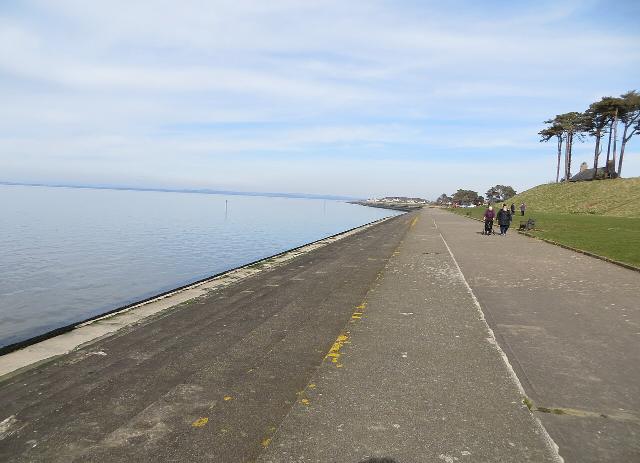
The main beach is the north end of St Bees Bay, right by the car park. The promenade has level access, which makes it a rare beach where a pushchair, a wheelchair and a grandparent with a dodgy knee can all reach the sea view without negotiating a sand dune. At the foot of the golf course cliffs there's a shingle bank made of dozens of different rock types, which is the sort of thing that turns a seven year old into a geologist for exactly eleven minutes.
Dogs are allowed on the beach if you clean up after them, on leads in public areas and not in the play area. Low tide is when it comes into its own: wide sand, rock pools, and enough room for even the most competitive game of beach cricket.
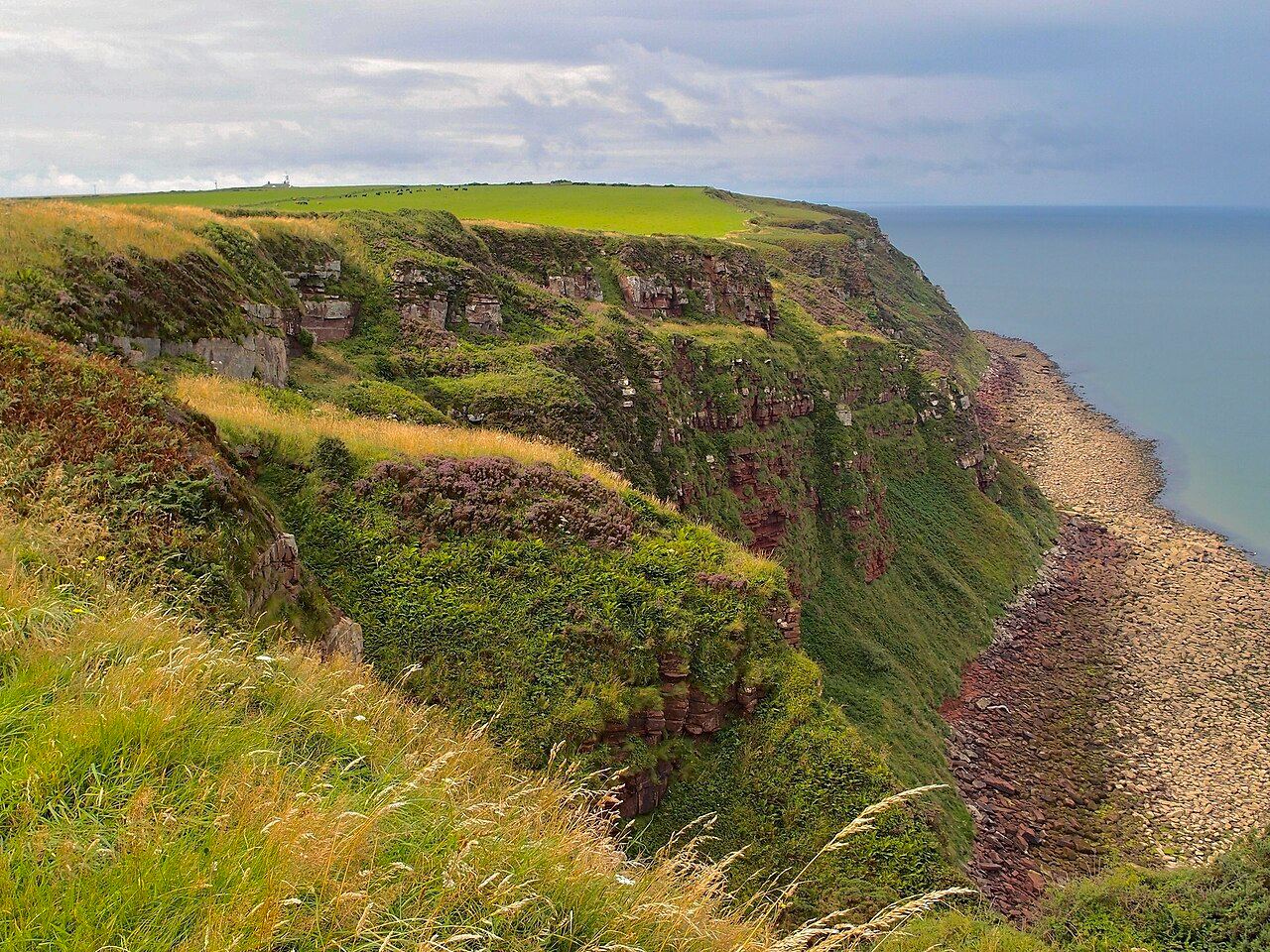
The RSPB calls this north west England's only cliff-nesting seabird colony: fulmars, guillemots, herring gulls and kittiwakes on red sandstone ledges. Spring and early summer is the time to hear the kittiwakes, so in October you get the cliffs, the sea and the view to the Isle of Man rather than the full seabird racket.
The trail starts from the St Bees shore car park and is steep and uneven, with wet rocks and loose debris in places, and three viewpoints. This is a proper cliff path with long drops, so hold small hands and keep dogs on leads (they're only allowed on public footpaths and bridleways). Important: the RSPB says the public footpath from the St Bees car park to Fleswick Bay has been shut because of landslips, so read the reserve page before you set off.
Alfred Wainwright devised the Coast to Coast walk in 1972, and it starts right here. In March 2026 it officially opened as a National Trail, running 190 miles (306 km) from St Bees to Robin Hood's Bay in North Yorkshire, through three national parks. Tradition says walkers get their feet wet in the Irish Sea at St Bees and pick up a pebble, then carry it across England and drop it on the beach at Robin Hood's Bay. That's a fortnight carrying a stone in your pocket, which is exactly the kind of thing children would think was a brilliant idea for the first mile.
You don't need to walk 190 miles to enjoy it. Watching walkers set off with enormous rucksacks and very clean boots is a decent free show from the prom on a spring morning. If you want to try the first stretch along the cliffs, check the RSPB and National Trail pages for diversions first because of the landslip closures.
Most people come for the beach and never walk the few minutes inland to this, which is a shame. The parish says the priory church is open daily. Its great west door dates from about 1140 and is one of the finest in Cumbria, and there's a carved Norman lintel showing St Michael fighting a dragon, which usually wins over any child who thinks churches are boring. In 1981 archaeologists found one of the best preserved medieval bodies in England on the site of a ruined chapel here, known as the St Bees Man, and the church's history area tells the story.
Coast to Coast fans should look for the old original start board, rescued after it was replaced on the seafront in 2013 and displayed inside the church since October 2019. On Thursdays there's a volunteer pop-in cafe in New College Hall from 10.30 to 12 with homemade cake.
The south end of St Bees Bay is the same red sand with a fraction of the people. You reach it along the sand at low tide or by the golf course cliff paths when the tide is in. There's a small car park, but it's reached under a railway bridge with only 1.9 metres of headroom, so anyone with a roof box should park at the main beach and walk.
There are no facilities at all, which is the point. Bring the flask, bring the snacks, and go to the toilet before you leave the main beach (yes, even if they say they don't need to).
Whitehaven is four or so miles up the coast from St Bees and is the rainy-day answer for this whole stretch. It's a Georgian harbour town whose grid of streets was laid out by Sir John Lowther, and Visit Cumbria says many historians think New York's street plan was inspired by it. On 23 April 1778 John Paul Jones raided the harbour during the American War of Independence, making Whitehaven the last place in Britain attacked by American naval forces.
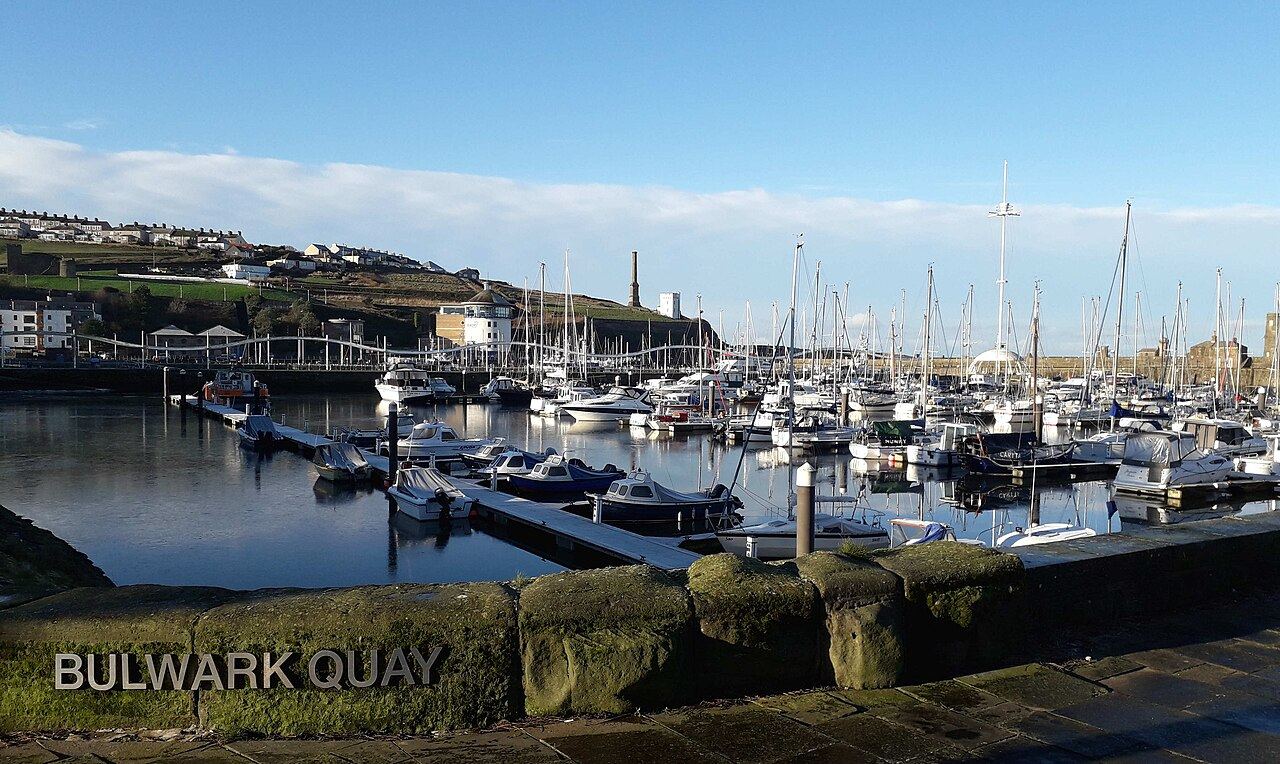
The harbour is the heart of the town: a marina full of boats, old stone quays, and the Beacon Museum on the West Strand. A walk round the harbour costs nothing, and it's flat enough for scooters and pushchairs. Look up at the Candlestick, the old chimney above the harbour that looks exactly like what it's named after.
The town also hosts tall ships visits from time to time, and King Street has a monthly market (the Almanac lists Saturdays 17 October and 21 November, 10am to 3pm).
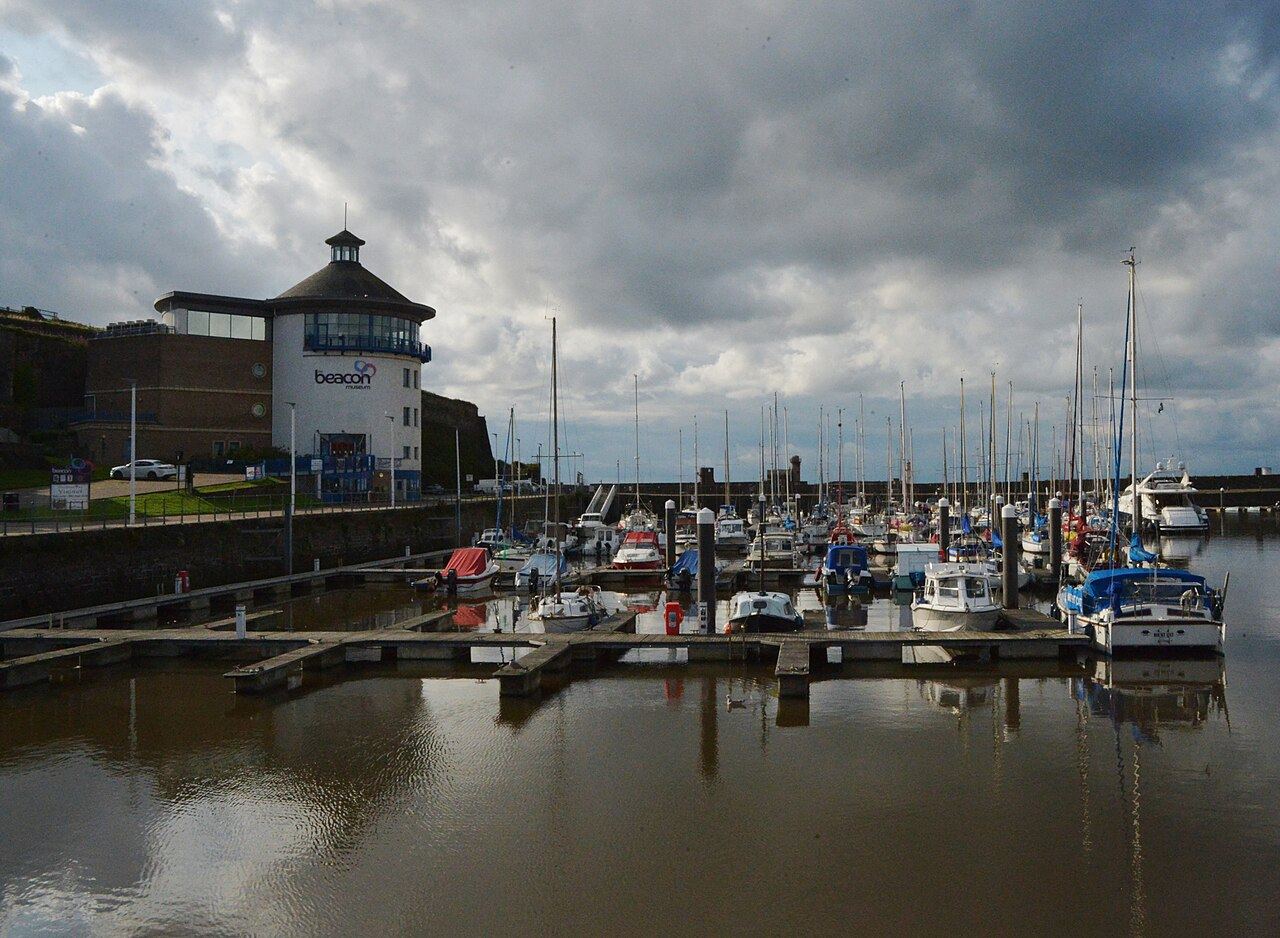
Four floors of local history from prehistory to the present, plus changing exhibitions. The current one, Carboniferous Monsters, runs until 11 October 2026, so you'll need to be quick. The October half term programme in the Almanac includes The Beacon School of Magic on 17 and 18 October (£15 per child), Halloween Pet Encounters on 26 and 27 October, and Spooky Halloween Crafts on 30 and 31 October (£5 per child). In December there's Santa's North Pole Adventure on 5 and 6 and 19 and 20 December, and Meet Santa on 12 and 13 December.
It's open Tuesday to Saturday 10am to 4.30pm and Sunday 11am to 4pm, closed Mondays, with last entry 45 minutes before closing. There's a quiet hour from 11am to 12 on the first Sunday of each month. The Howling Wolf bakery and cafe is inside, which deals with the hungry stage of the day.
A museum about Whitehaven's trading past, spread over three floors on Lowther Street, with interactive displays on rum, the navy and the port. It's open every day, 10am to 4pm, with last admission at 3pm. The adult ticket includes a £5 voucher towards a bottle of Jefferson's Rum, and the children's ticket includes, mercifully, nothing of the sort.
It's a good wet-weather hour for older children who like their history with barrels in it. For under fives, the Beacon is the easier sell.
The National Trust's route starts at the Beacon and heads up onto the old mining coast south of the town, past the Candlestick, Haig Pit and Saltom Pit, which the Trust says was the first under-sea coal mine in England, with views to St Bees Head lighthouse. It's 7 miles and takes about four hours, which makes it a big day for grown-ups and older children rather than a stroll with toddlers.
The Trust warns of uneven, narrow sections with short steep climbs and clifftop drops, and muddy patches in wet weather, so boots and a firm grip on small hands. Do the first mile or so to the Candlestick and back if little legs are involved; the harbour views are the best bit anyway.
South of St Bees the Cumbrian Coast railway runs almost along the beach, and the towns get smaller and the beaches get emptier. This is where most of our lesser-known picks live.
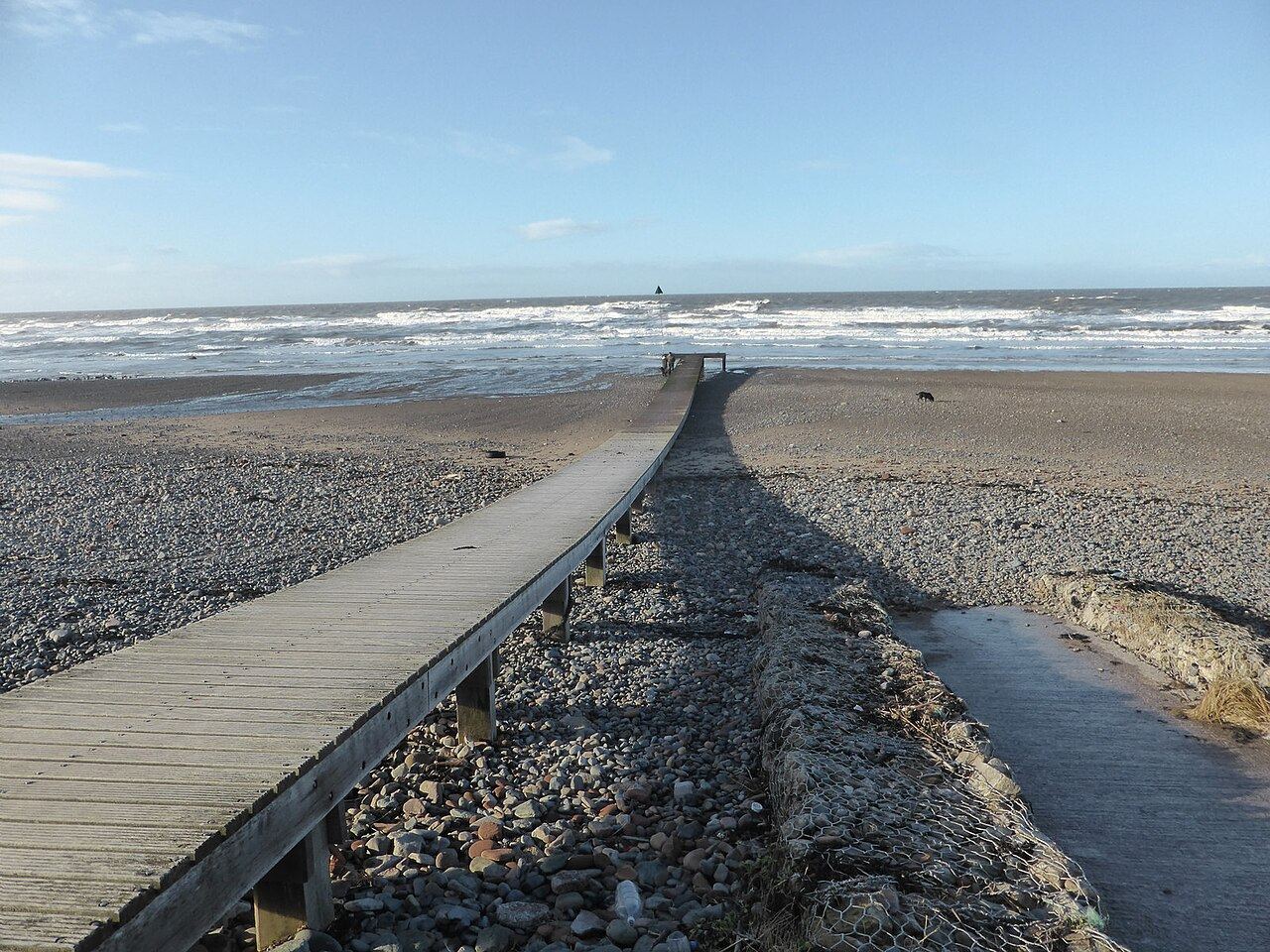
A sandy beach with shingle at the top, a wooden jetty restored for the millennium (popular with sea anglers) and a big community-funded play park that cost £158,400 to build. The UK Beach Guide lists toilets, disabled facilities, a slipway and a charged car park, says dogs are allowed with no restrictions, and is clear that there's no lifeguard.
Seascale Lightworks lights up the village on 5 and 6 December 2026, according to the Almanac listing, which is a good excuse to come back when it's dark at half four.
English Heritage says the walls of this bath house, part of a Roman fort set up around AD 130, stand almost 4 metres high, among the tallest Roman structures surviving in northern Britain. It's free, open at any reasonable time in daylight, and a short signposted walk from the village car park. You can't go inside or climb on it, but you can stand next to it and tell the children that Romans had baths here before anyone in Cumbria had a bathroom.
Pair it with the railway below and you've got a cheap half day.
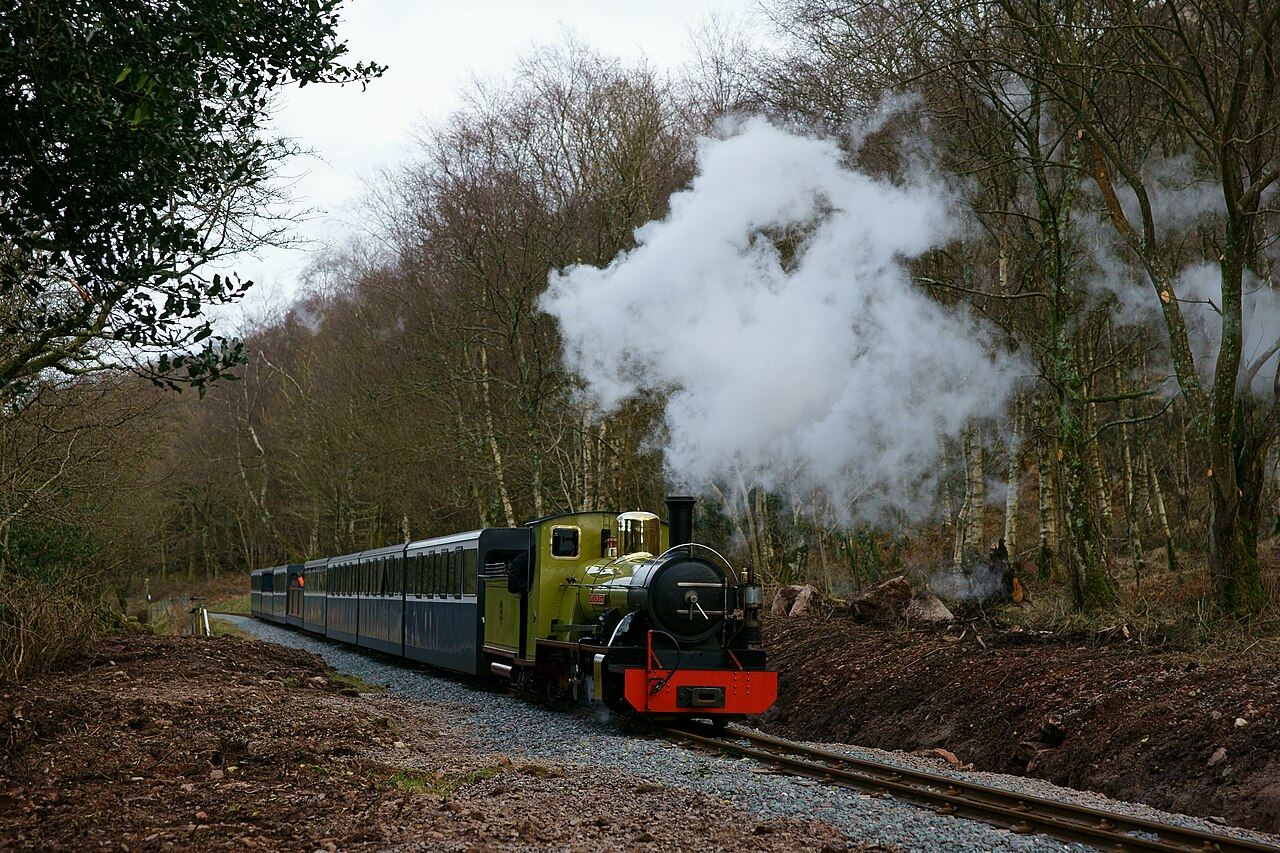
The little steam railway from Ravenglass up into Eskdale takes about 40 minutes each way and is one of the best family days on this coast. Fares at the time of writing are £26 adult return, £16 for children aged 5 to 17, under 5s free, and dogs £5 for the day.
The Almanac lists Halloween half term activities from 24 October to 1 November at normal fares, the Santa Express on weekends from 21 November and then 19 to 24 December, and Winter Warmer trains from 28 December to 3 January. Our steam trains guide has the rest.
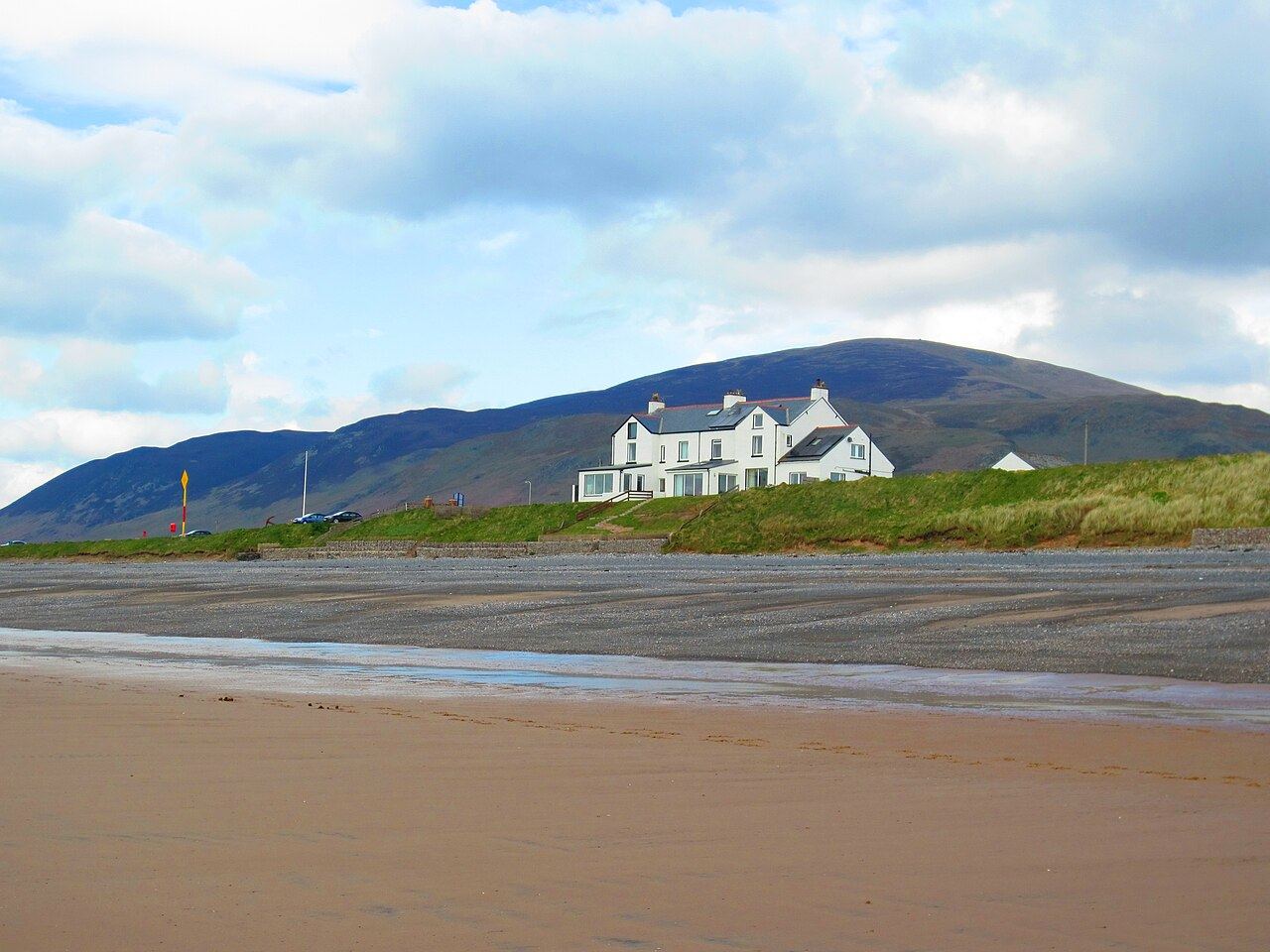
Sand and shingle with Black Combe, a 600 metre fell, rising behind it, and the Isle of Man across the water on a clear day. It sits inside the Lake District National Park, which few beaches can say. In 2024 Cumberland Council opened a new cafe building here, designed by Konishi Gaffney with shutters by the Turner Prize winner Martin Boyce, plus outside toilets that include a Changing Places room.
The UK Beach Guide says the car park beside the beach is free, with a suggested £2 donation, dogs have no restrictions, and there's no lifeguard. The council said it would appoint a permanent cafe operator, so check who's serving before you promise anyone a hot chocolate.
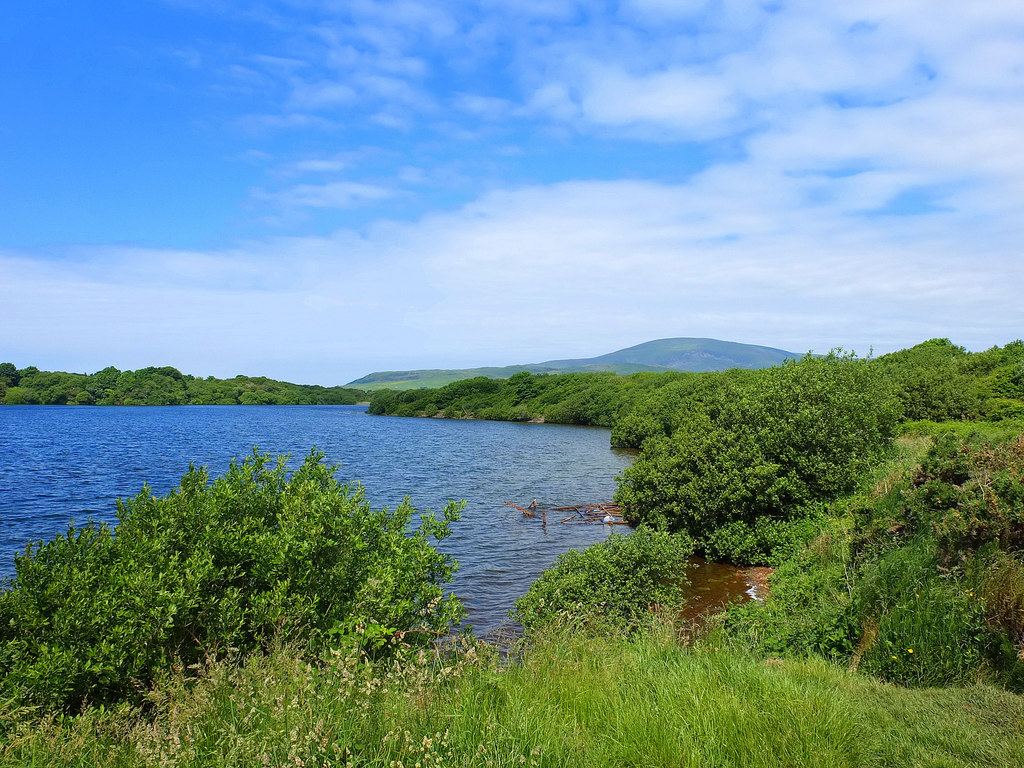
A former mining lagoon behind an old sea wall, now an RSPB reserve. From May to July there's a tern colony (little, common and Sandwich terns), and great crested grebes, oystercatchers and redshanks for the rest of the year. The path to the hide is 1.5 miles (2.5 km) of rolled stone with no gates, steps or stiles, which makes it one of the most buggy-friendly nature walks on this coast.
There are no toilets on the reserve; the nearest are about a mile away in Haverigg. Dogs are allowed but must be on a lead the whole time.
By train, St Bees is on the Cumbrian Coast line, and the village says there are about 30 trains a weekday with fewer on Sundays. Trains from Carlisle are direct; from the south you change at Barrow, Preston or Lancaster. The station (CA27 0BZ) is in the middle of the village with a free car park, and the beach is a walk down the road. It's one of the few beach days in Cumbria you can do without a car, which also means nobody has to wrestle with a car park machine.
By car, St Bees is a short drive south of Whitehaven (the RSPB puts the nearest town toilets there about four and a half miles away). Sat nav to CA27 0EY for the beach car park, and expect it to fill on sunny summer weekends, along with every other car park within sight of the sea.
The beach has free toilets run by the parish council and a defibrillator at the toilet block. Main Street has four pubs that serve bar meals (the Albert, the Manor, the Queens and the Oddfellows Arms) and the post office does hot takeaway pies. The beach cafe's owners closed their ice cream business at the end of 2024, so check it's open before you build the whole day around a cone.
See what's on in The Cumbrian AlmanacFree, and you choose: the family weekend edition on Friday mornings, the grown-up Sunday edition on Sunday evenings, or both.
No spam, no ads. Unsubscribe from any email with one click. Privacy
Yes, if you go near low tide. The red sand beach, the RSPB cliffs and the priory make a good day, but at high tide the sand is covered for two to three hours either side.
A small village with a railway station, four pubs and a Norman priory, next to a big red sand beach with a promenade, toilets and a play area. There are no amusements or pier.
At the St Bees Foreshore car park (CA27 0EY) it is £1.80 for 1 hour, £3.00 for 2 hours, £4.30 for 4 hours and £8.80 for up to 12 hours. It takes cash, card, contactless and phone payment.
There are no lifeguards. The beach is gently sloping and generally free of dangerous currents, but avoid swimming near the rocks at South Head and check the tide times.
Yes. Dogs are allowed on the beach if you clean up, must be on leads in public areas and are not allowed in the play area.
St Bees station is on the Cumbrian Coast line with about 30 trains on weekdays and fewer on Sundays. Trains from Carlisle are direct; from the south change at Barrow, Preston or Lancaster.
On St Bees beach. The Coast to Coast became a National Trail in March 2026 and runs 190 miles (306 km) to Robin Hood's Bay in North Yorkshire.
Rock pooling at low tide, the play area on the promenade, the seabird cliffs at RSPB St Bees Head and the dragon carving at the priory. On a wet day, the Beacon Museum in Whitehaven is about four miles away.
Facts checked against these pages on Tuesday 6 October 2026. Opening times and prices change, so confirm with the venue.