The Lake District Month by Month: Weather, Crowds and What's On
Rain, light, crowds and midges, month by month, with real numbers and one thing worth going for in each. Checked on 1 October 2026.
Rain, light, crowds and midges, month by month, with real numbers and one thing worth going for in each. Checked on 1 October 2026.
The best time to visit the Lake District is late April to June, and May in particular: it's the driest month in Keswick's Met Office averages (82mm of rain), highs reach about 16C and it's school term time outside the bank holidays. September is the next best. The wettest months are October to January, with December the wettest at 195mm, and August is the busiest.
The best time to visit the Lake District, if you want the honest version, is late April to June. That's the driest stretch of the year, the days are long, and the schools haven't broken up yet. Everything else is a trade. July and August give you warmth and crowds and midges. October gives you colour and a lot of rain. December gives you seven hours of daylight and a Christmas fair.
Checked 1 October 2026. I've used the Met Office long-term averages for Keswick (via Wikipedia's climate table), the National Park's own weather page, the council term dates for 2026 to 2027 and our Almanac of dated events. Event dates change, so the organiser link is always the one to trust.
Here's the Keswick table, 1991 to 2020 averages: typical daytime high, overnight low, rainfall, and the number of days with at least a millimetre of rain. Keswick sits in the middle of things. Seathwaite, a few miles up Borrowdale, gets about 3,552mm a year according to the National Park, more than double Keswick's 1,575mm, and Penrith out east is drier again.
Two things jump out. April and May are the driest months, by a distance, and the National Park says the same in words: the driest period runs from March to June, the wettest from October to January. And August is wetter than June, which surprises people who book the summer holidays expecting Spain. It rains on about 178 days a year in Keswick. The park's own round number is 200. You will get wet.
Snow is rarer than the Christmas cards suggest. The park says the valleys get around 20 days of snow a year, mostly between November and March, and it's the tops that hold it. If you want to know what the fells are doing in winter, its Weatherline service sends assessors up Helvellyn every day from December to April.
This matters more than the weather when you've got children, because daylight is what decides how much day you get. These are computed sunrise and sunset times for Keswick, good to a minute or two:
Seventeen hours in June against seven in December. In December you want the outdoor bit done by half two.
The National Park counted 17.45 million tourists in 2025, and they don't spread out evenly. They come when the schools are off. For most Cumbria state schools in 2026 to 2027, the breaks are:
Schools elsewhere break up on different dates, so treat these as a rough guide. Add the bank holidays (3 May, 31 May and 30 August 2027) and you have the weeks when Bowness, Ambleside, Keswick and the Glenridding end of Ullswater fill up and the car parks follow. The quietest weeks are the term-time ones in January, early March, and the gap between the end of the summer holidays and October half term. If you can go then, go then.
If you can only choose one week of the year, choose the second or third week of May. Then cross your fingers, because it's still Cumbria.
January is the Lake District with the volume turned down. It's cold (a 7.4C high in Keswick), wet (173mm), and properly quiet once the Ravenglass and Eskdale Railway's Winter Warmer trains finish on 3 January. Sunset creeps back after 4pm from Monday 4 January. Do your walk in the morning, then go indoors. Lakes Aquarium at Lakeside is open every day of the year apart from Christmas Day, which makes it the dependable one.
The Lake District's public observatory and planetarium, in Grizedale Forest (The Yan, LA22 0QJ). The planetarium shows run about 90 minutes: a talk in the lounge, a film in the planetarium, then the meteorite room, where you can get hands on with rocks from space. The listing says ages 4 and up. The evening stargazing is the January treat: dark by teatime, so no keeping a seven year old up till eleven. The observatory says cloudy weather is no problem and offers a free return visit if the sky doesn't play. I couldn't find January 2027 dates published yet, so check the booking page.
February is a touch drier than January (135mm) and the light comes back fast: 4.48pm sunset at the end of January, 5pm by the 6th. Half term is 13 to 21 February 2027. The Kendal Mountain Festival Live Tour is at Brewery Arts in Kendal on 24 February (£22.50), and then Keswick gets the big one.
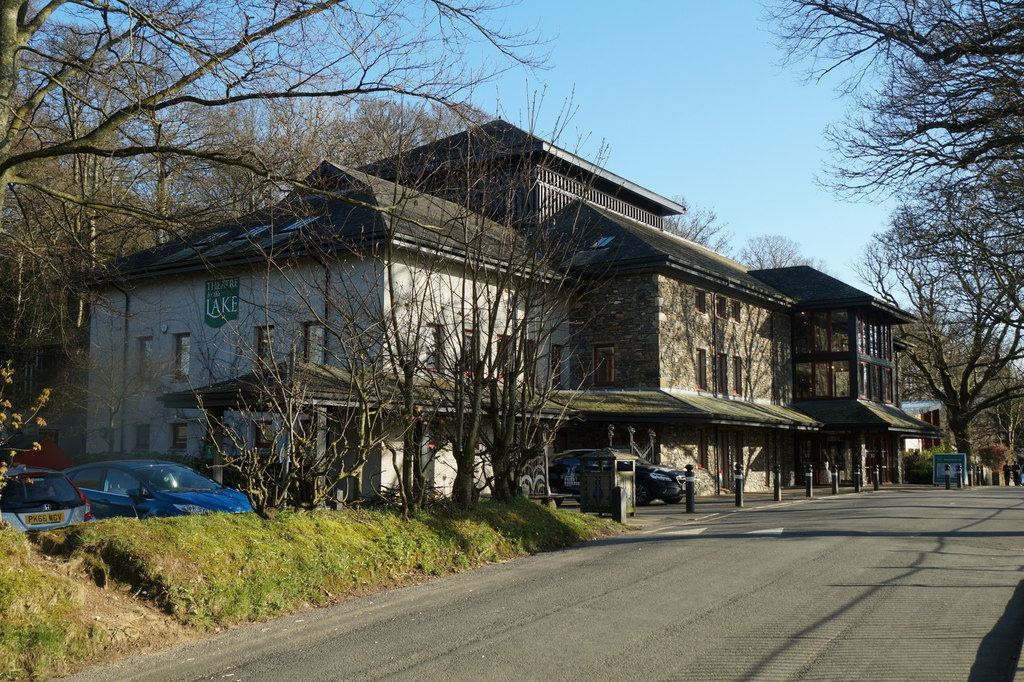
Two evenings of adventure short films (climbing, skiing, paddling, people doing daft brave things in the cold) at the theatre on the shore of Derwentwater. The Red programme is Friday 26 February 2027 at 7.30pm and the Blue programme is Saturday 27 February. Each runs about two hours.
March is the month that turns. Rain drops to 115mm, sunset is past 6pm from 8 March, and the National Park counts March as the start of the driest run of the year. Nights are still cold (2.8C lows), so keep the walking low. Easter is early in 2027: Easter Sunday is 28 March, the same day the clocks go forward, and the Easter holidays run from 26 March to 11 April.
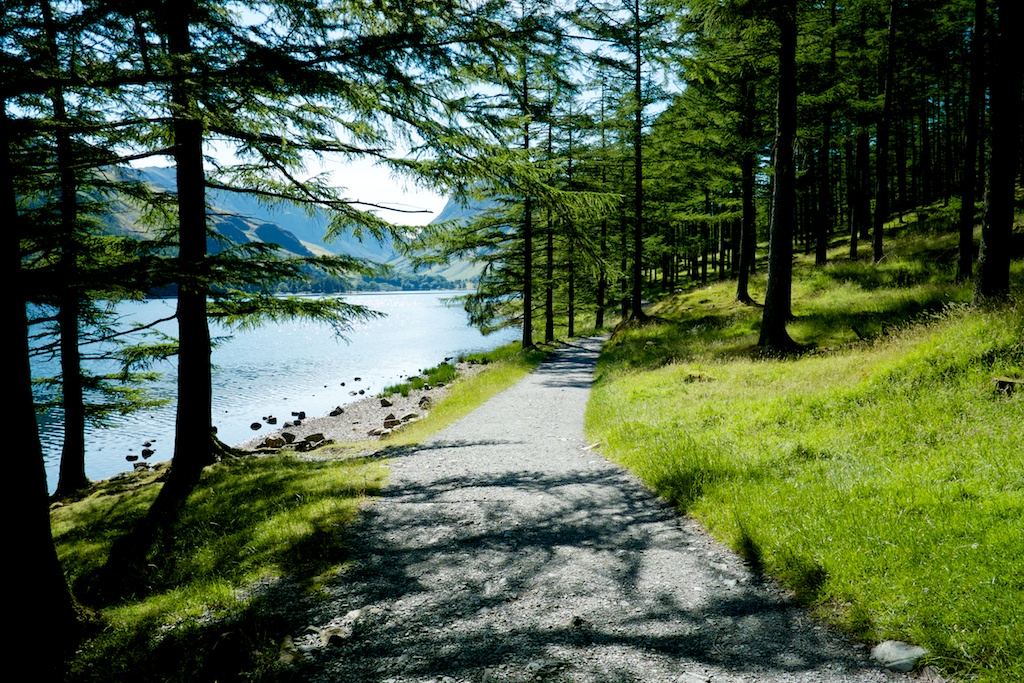
The National Trust calls it an easy, level, round-the-lake walk, past Sourmilk Gill and through a Victorian tunnel cut into the rock, which is the bit children remember. It's about as good a low-level walk as the Lakes does, and in March, before the summer queue for the car park, it's at its calmest. The National Trust lists an accessible path on the far shore.
April is 83mm of rain, 14 hours of daylight by the middle of the month, and the Easter crowds gone by the 12th. Dalemain near Penrith holds its World Marmalade Awards and Festival on Saturday 24 April 2027 (10am to 4pm).
The daffodils that started all that poetry. Dorothy Wordsworth's journal puts the walk on Thursday 15 April 1802, in the woods beyond Gowbarrow Park, and Glencoyne Bay is the shore usually named as the spot. The National Trust doesn't promise a flowering date, so treat mid April as a guide and not an appointment.
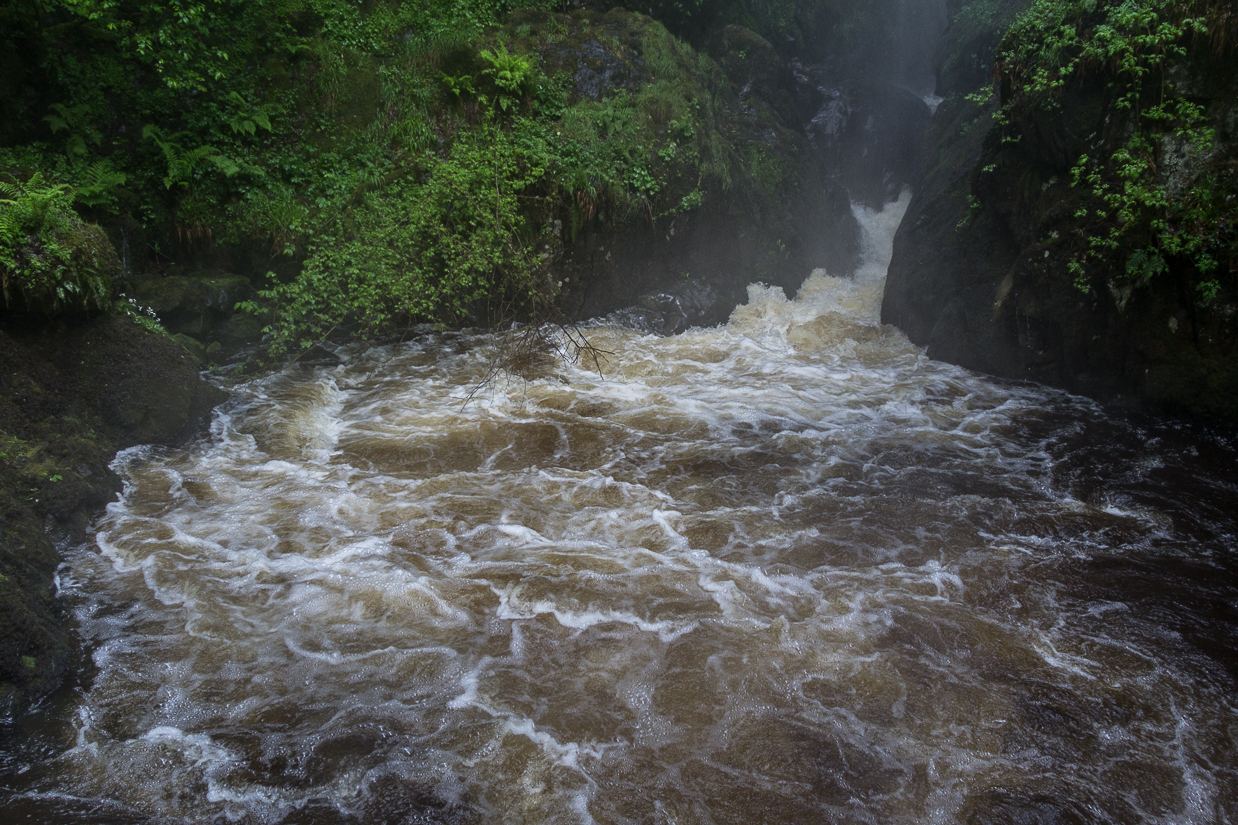
Pair it with Aira Force itself, a 65-foot waterfall in an old pleasure ground of woodland paths. There's a tea room in the main car park (10am to 4.30pm) with seats inside and out, which in April is a real consideration.
May is my answer to the best time to visit the Lake District. It's 82mm of rain, the driest month in the Keswick table, the highs are about 16C, the light lasts past 9pm by the middle of the month, and outside the two bank holidays (3 May and 31 May 2027) it's term time. Book the bank holiday weekends early or avoid them, because the May half term (31 May to 4 June) lands straight after the second one.
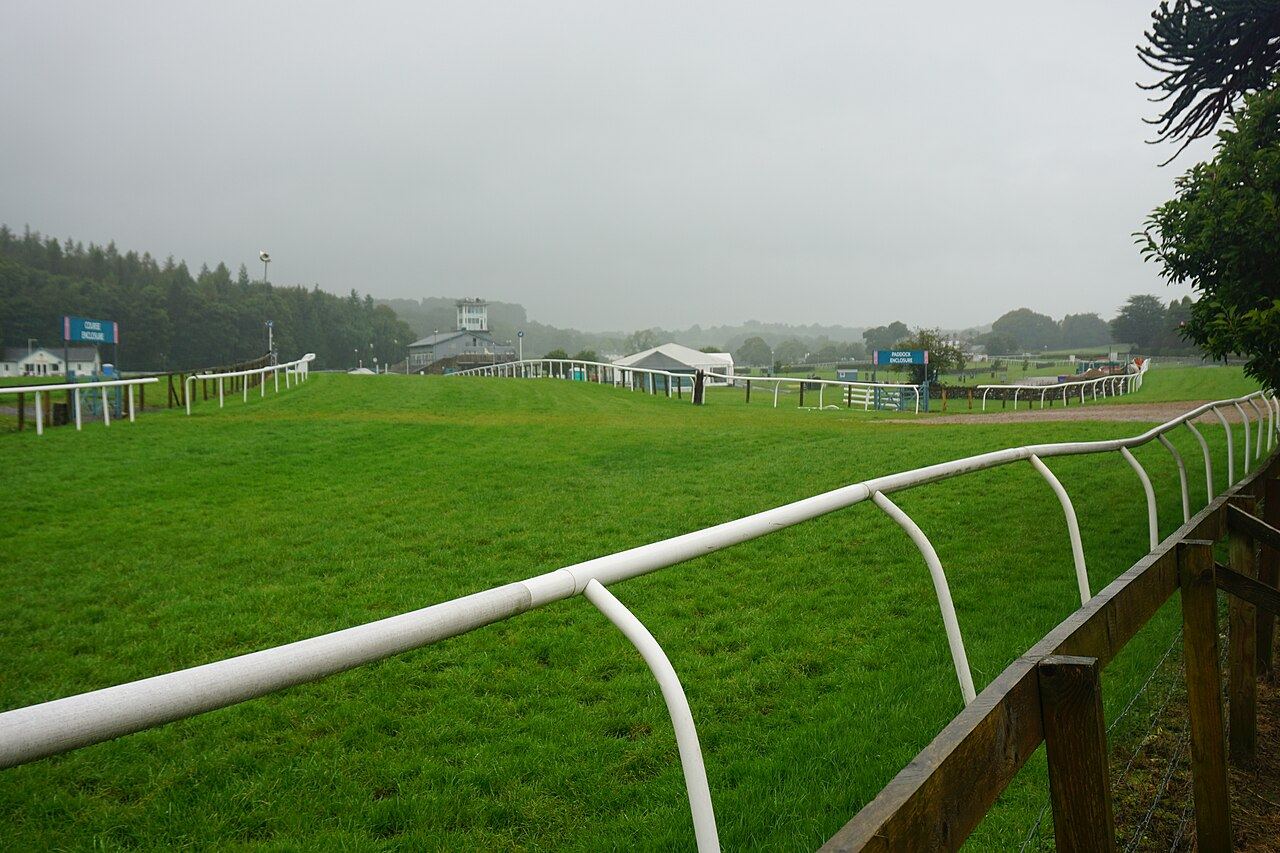
Cartmel's little racecourse opens its 2027 season on Saturday 29 May, then races on Bank Holiday Monday 31 May and Whit Wednesday 2 June. It's a day out as much as a race meeting: the village and its priory, and a sticky toffee pudding shop round the corner that has its own fan club.
June has the longest days (sunset at 9.52pm on the 21st), highs around 18C and 90mm of rain, a little more than May. The schools are in after the first week, so it's a good month for grown-ups and for anyone with children not yet at school. The midges start to have opinions; see below.
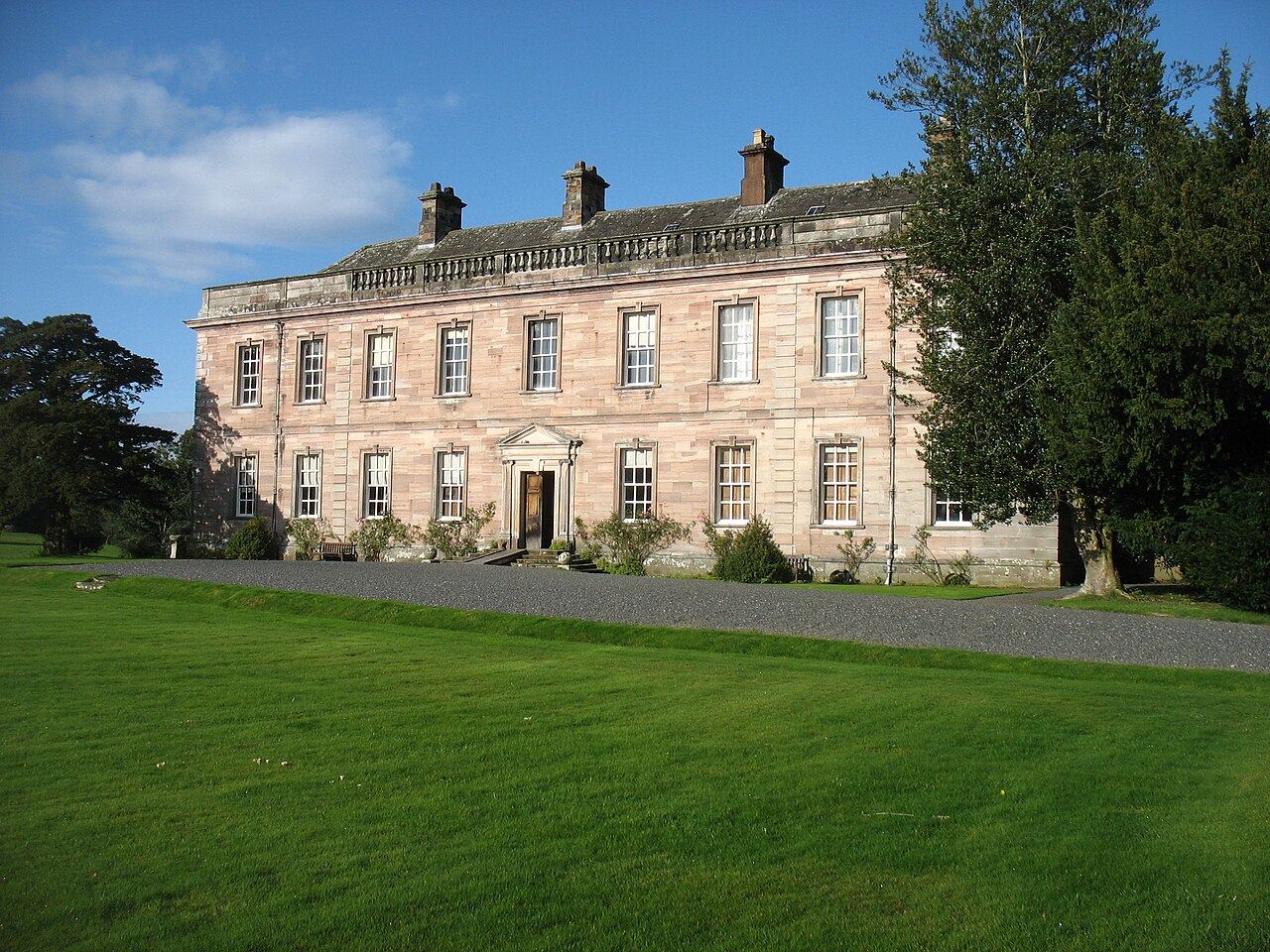
Sunday 13 June 2027, 9.30am to 3.30pm, in front of the mansion with the fells behind. Specialist nurseries, craft stalls, mansion tours and marmalade tasting, food from the Great Barn tearoom, and your ticket gets you into the gardens when they're at their best.
July is the warmest month in Keswick (19.8C), and an average July gets 95mm, so it's a reasonable bet for weather. It's also the start of the crowds: most Cumbrian state schools finish on 16 July. Agricultural shows are the thing to plan around. Skelton is on 3 July, and Penrith Show is the big one.
Saturday 24 July 2027 at Brougham Hall Farm (CA10 2DE), on the edge of Penrith. The show calls itself a fun farming and family day out, and that's the pitch: a long day in a field on the edge of town.
August is the month everyone comes, and the weather doesn't really reward them: 120mm of rain in Keswick, nearly 40mm more than April or May, over about 15 rain days. Highs are still 19C. Park early and have a wet-weather plan. The bank holiday is 30 August 2027 and Cartmel races that day and on the 28th.
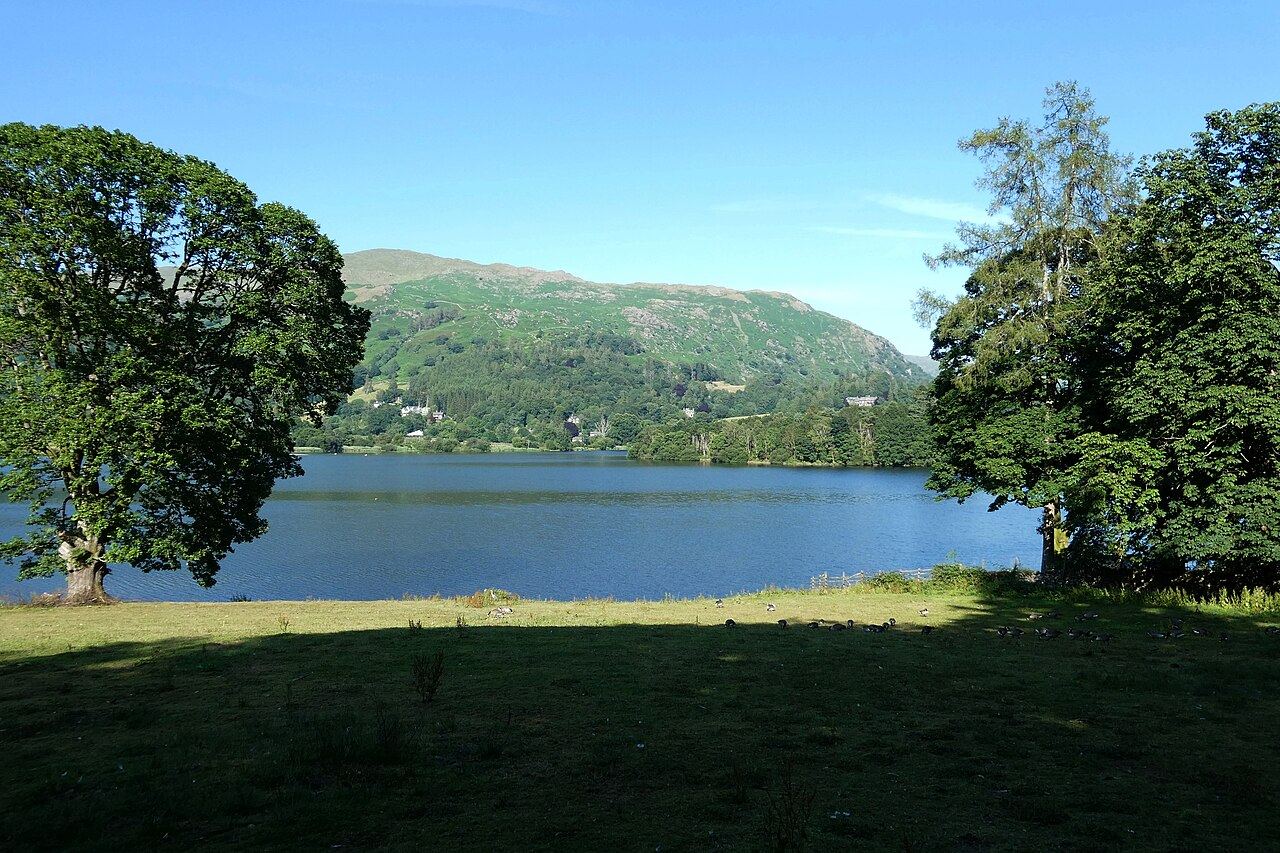
Sunday 29 August 2027 at the Showfield on Stock Lane (LA22 9SJ). Gates at 9am, the day starts at 10. Cumberland and Westmorland wrestling, the Guides Race up the fell and back, hound trailing, tug of war, junior athletics, a fun dog show and stone lifting. It's a proper old Lakeland day, and free on the gate.
September is the secret everyone without school-age children already knows about. The schools go back, the roads empty, the highs are still 17C and the rain (124mm) hasn't yet hit its autumn stride. Show season keeps going: Lowick Show is on 4 September 2027.
Saturday 25 September 2027, in the Eskdale fells. Running since 1866, and the place to see the World Champion Herdwick crowned (the sheep, not a person). Hound trails, fell races, children's sports, wrestling, and classes for everything from poultry to cookery to old machinery.
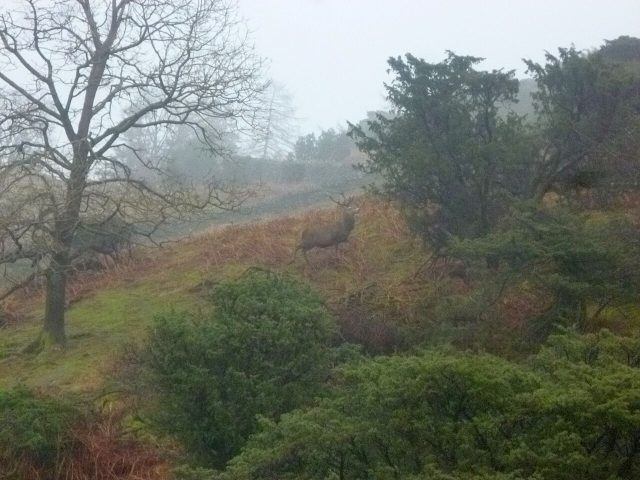
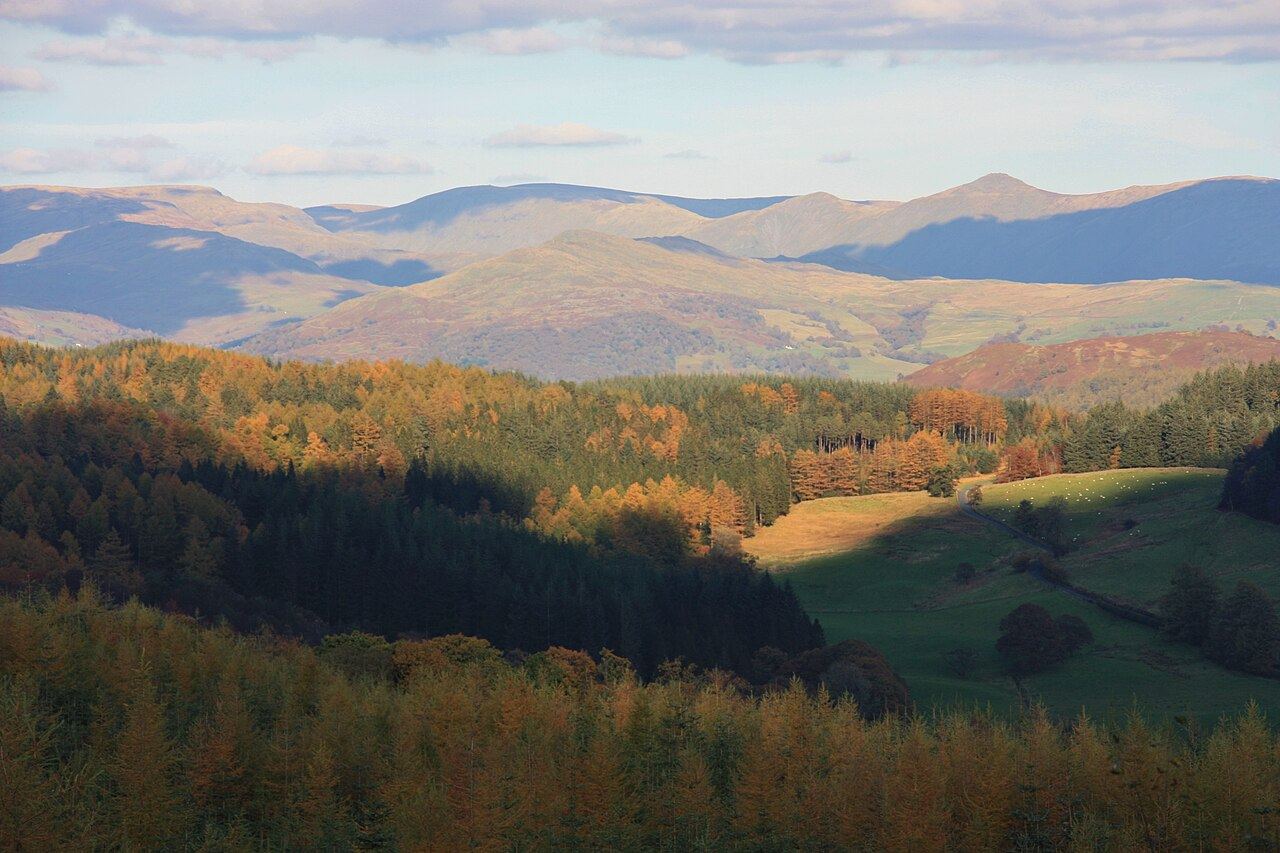
October is when the leaves turn and the weather turns with them: 175mm of rain, 17 rain days, highs of 13.5C. Bracken goes orange, the red deer rut is on in Martindale, and the clocks go back on Sunday 25 October, right in the middle of half term. For days out, the shepherds' meets are the October tradition: Buttermere's is on Sunday 25 October 2026 and free. The deer have their own guide.
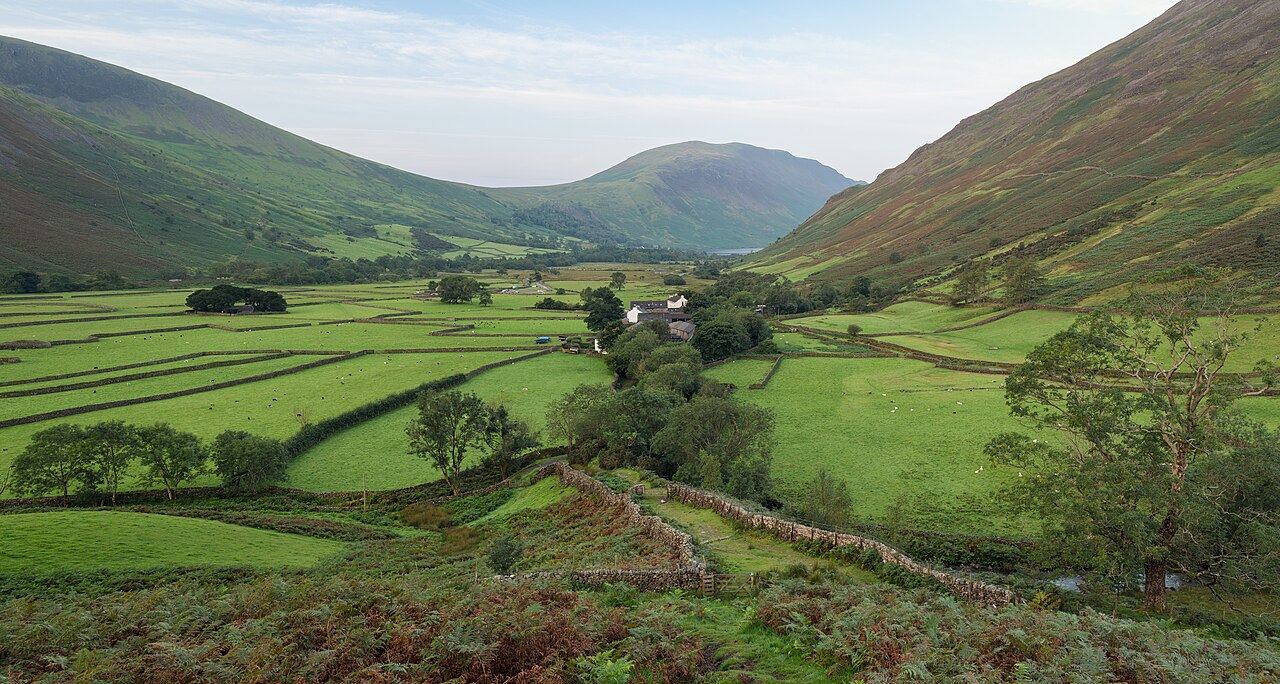
Saturday 10 October 2026 at the head of Wastwater, England's deepest lake (74 metres, the National Park says). Prizes for sheep and sheepdogs, a shepherd's crook competition, best shepherd's boots, a beard contest, trade stands, vintage vehicles and a craft barn. It's a long, narrow road in, so make a day of it.
November is the second wettest month in Keswick (189mm over 18 rain days) and the days are short: sunset is about ten past four by the middle of the month. It's quiet in the valleys and lively in the towns, because this is when the Christmas lights get switched on (Carlisle on 15 November, Keswick on the 18th, Penrith and Ambleside on the 21st) and Kendal hosts what it calls the world's largest outdoor cultural festival.
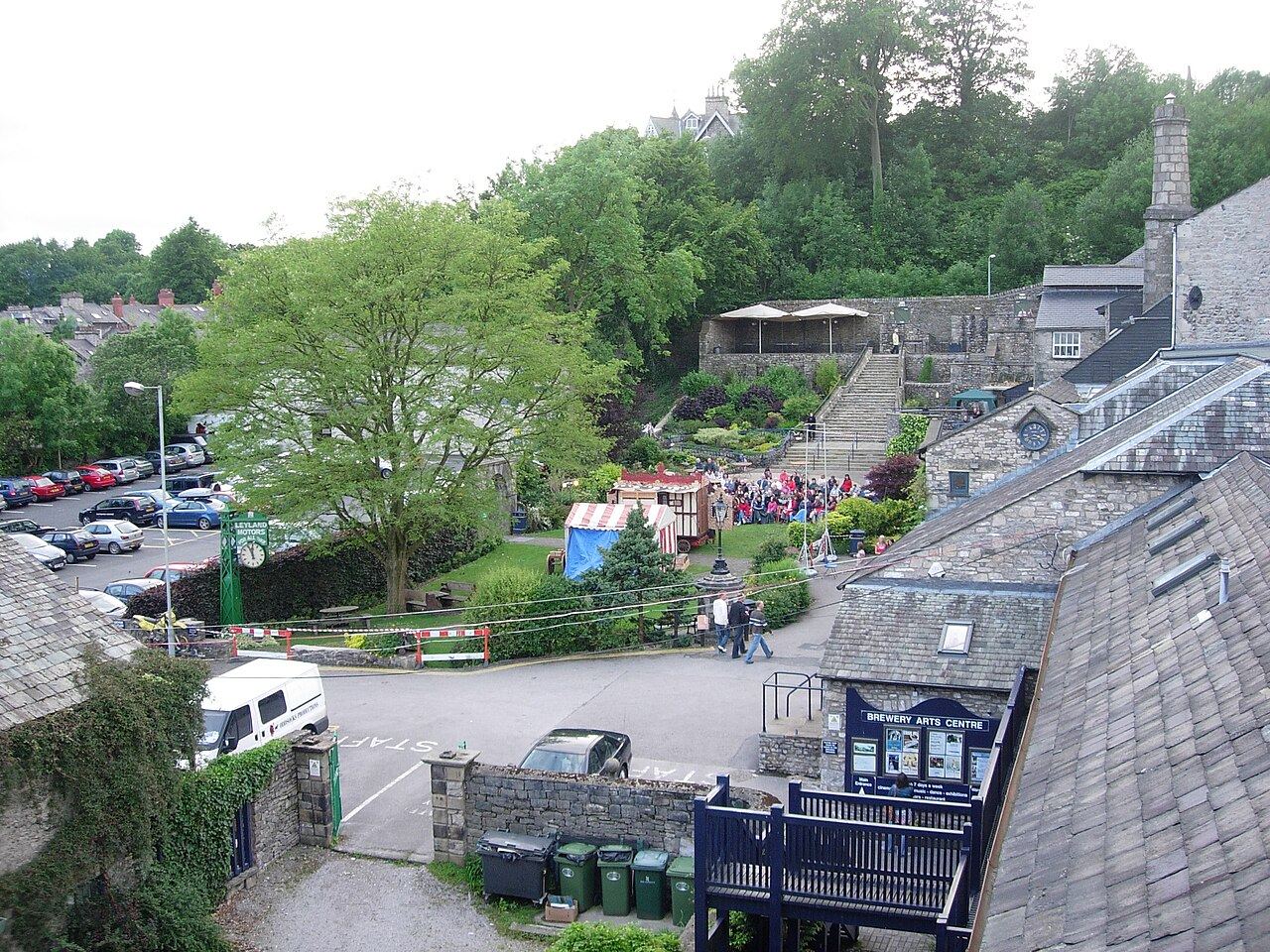
Thursday 19 to Sunday 22 November 2026, in venues around Kendal. The festival claims to be the world's largest outdoor cultural festival: more than 200 live sessions, 150 films, talks, workshops and parties.
There's a new under 18s pass this year, which makes it a real option for a teenager, though under 18 pass holders can't get into workshops, parties or music events. If the full thing is too much, Rheged and Zeffirellis in Ambleside show highlights on the Sunday night.
December is the wettest month in the Keswick table (195mm) and the darkest, with 7 hours 14 minutes of daylight on the 21st. It also has the most going on. The rain falls mainly on Santa trains, light trails and Christmas fairs, which are all in the Christmas guide.
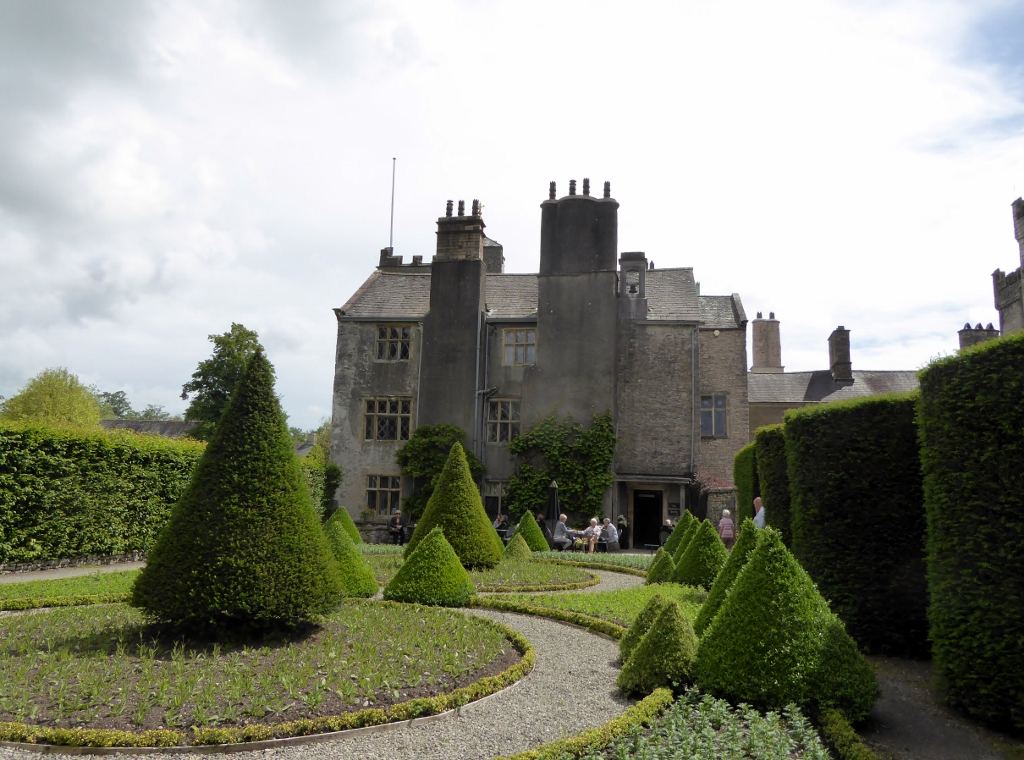
Friday 4 to Wednesday 23 December 2026, 10.30am to 4pm daily. The house is decorated, the fires lit, local choirs and musicians sing in the Great Hall, and the topiary garden (the famous one, clipped hedges in odd shapes) is open in its winter state. Father Christmas needs booking ahead; general visits don't.
Yes to both. Biting midges, famous in the Highlands, are now found in the Lake District too, according to UKHillwalking. Trees for Life says the season runs May to September and peaks in July and August, that midges are worst at dawn and dusk and on dull, still days, and that they can't fly in a wind over about 5.5mph. A sheltered tarn at 8pm in July needs repellent and long sleeves.
Ticks are around from March to October, the Ramblers say, in woodland, moorland, long grass and bracken, wherever deer and sheep wander. Check the children's legs and hairlines after a walk through bracken, and use a tick tool or tweezers rather than fingers to get one out.
The National Park's advice is short and right: layers, whatever time of year. A proper waterproof jacket, over-trousers if you're walking, and flat comfortable shoes for the towns or waterproof walking boots for the fells. Carry a spare top layer, spare socks, a warm hat and gloves. In practice that means a hat and gloves in the bag in May as well as December, and a spare pair of socks for every child, always, because one of them will find the only puddle on Catbells.
See what's on in The Cumbrian AlmanacFree, and you choose: the family weekend edition on Friday mornings, the grown-up Sunday edition on Sunday evenings, or both.
No spam, no ads. Unsubscribe from any email with one click. Privacy
May, for most people. It's the driest month in Keswick's Met Office averages (82mm of rain), highs are around 16C, the light lasts past 9pm, and outside the two bank holidays it's school term time. September is the runner-up.
December, in the Keswick averages, with 195mm, closely followed by November (189mm) and October (175mm). The National Park says the wettest months run from October to January.
Yes. Keswick gets about 1,575mm a year with rain on about 178 days, and Seathwaite in Borrowdale gets around 3,552mm. The driest stretch is March to June.
Mild and wet: Keswick averages a 13.5C high, a 6.8C low and 175mm of rain over 17 days. Bring a waterproof and layers, and expect the clocks to go back on the last Sunday.
In the valleys, daytime highs average 7 to 8C from December to February and nights are around 2C. The tops are much colder, and the National Park says the valleys get around 20 days of snow a year.
Yes, from about May to September, at their worst in July and August, at dawn and dusk and on still, dull days. A breeze over about 5.5mph keeps them grounded.
The school holidays and bank holidays, especially August, Easter and the May bank holidays. The quietest times are term-time weeks in January, early March, May, June and September.
Layers and a waterproof, even in July. The National Park recommends a waterproof jacket, comfortable flat shoes or walking boots, and a spare warm layer, hat and gloves if you're heading up high.
Facts checked against these pages on Thursday 1 October 2026. Opening times and prices change, so confirm with the venue.