Wild Swimming in the Lake District With Kids: A Cautious Start
The lakes are beautiful, deep and cold, and children lose heat faster than you do. Here is how to start, where the authorities say it is sensible, and when to stay dry.

The lakes are beautiful, deep and cold, and children lose heat faster than you do. Here is how to start, where the authorities say it is sensible, and when to stay dry.
Start in the shallows at a designated bathing water such as Fell Foot on Windermere, stay within arm's reach, keep it short, and wear a bright hat and a properly fitted buoyancy aid. The RNLI and Outdoor Swimming Society say to enter slowly to avoid cold water shock, and never swim alone or after heavy rain.
Wild swimming in the Lake District with kids is a lovely idea and a cold reality, and I'd rather you heard the second bit from me than from a lake. The lakes here are deep and cold even when the sun is shining, which is the Lake District National Park's own Lake Ranger talking, not me being a wet blanket. So this isn't a list of places to jump in. It's a cautious guide to how to start, where the authorities say it's sensible, and when to sit on the bank with a flask instead.
I'm a dad with a six and a seven year old, not a lifeguard or an open water coach, so everything below leans on people who are: the RNLI, the Outdoor Swimming Society, the Lake District National Park Authority and the local council. Where I'm relying on a walking blog for a detail, I've said so. And the standard caveat applies with extra force here. Nobody in this article can see the water you're standing next to. If it looks wrong, it is wrong.
Cold water shock is the thing to understand before anything else. The Outdoor Swimming Society explains that when you go into cold water, your body triggers a gasp reflex, and if a wave or the water goes over your head at that moment you may inhale water. The gasp is followed by uncontrollable hyperventilation, which often leads to panic. Their advice is to enter gradually and stay in shallow water until the response has passed and your breathing is under control.
The RNLI says the effect is triggered in water below 15 degrees Celsius, that it can bring loss of control over breathing and movement plus a rapid rise in heart rate and blood pressure, and that the initial effects pass in less than a minute. So the drill is: don't swim off, take about 60 seconds, and float. Lake District water can easily be colder than that, and even in summer it doesn't behave like a paddling pool.
Children make it worse, because they cool faster. The Outdoor Swimming Society's guide to swimming with toddlers says children are more susceptible to cold than adults, to watch for blue lips and shivering, and that wetsuits and swim caps help. It also says to keep an adult to child ratio of one to one in the water, and to wade in yourself first to check for holes and rocks before the children go in. The Society's wider safety guidance adds that cold incapacitation is a risk too: swimming becomes slower and ragged, and your hands stop gripping, so climbing out gets hard. That's the reason to stay near the shore.
A word on the buoyancy aid. It isn't a lifejacket and it doesn't replace you being within arm's reach. If you're unsure which to get, the RNLI has a guide and every decent outdoor shop has staff who will fit one properly. The best one, as the RNLI says, is the one they'll actually wear.
The most useful thing to know about is designated bathing waters, which are tested by the Environment Agency through the bathing season (15 May to 30 September). Westmorland and Furness Council lists four on Windermere (Fell Foot, Lakeside YMCA, Rayrigg Meadow and Millerground Landing) and three on Coniston Water (Boating Centre, Brown Howe and Monk Coniston). That doesn't make them safe, but it means someone is measuring the water.
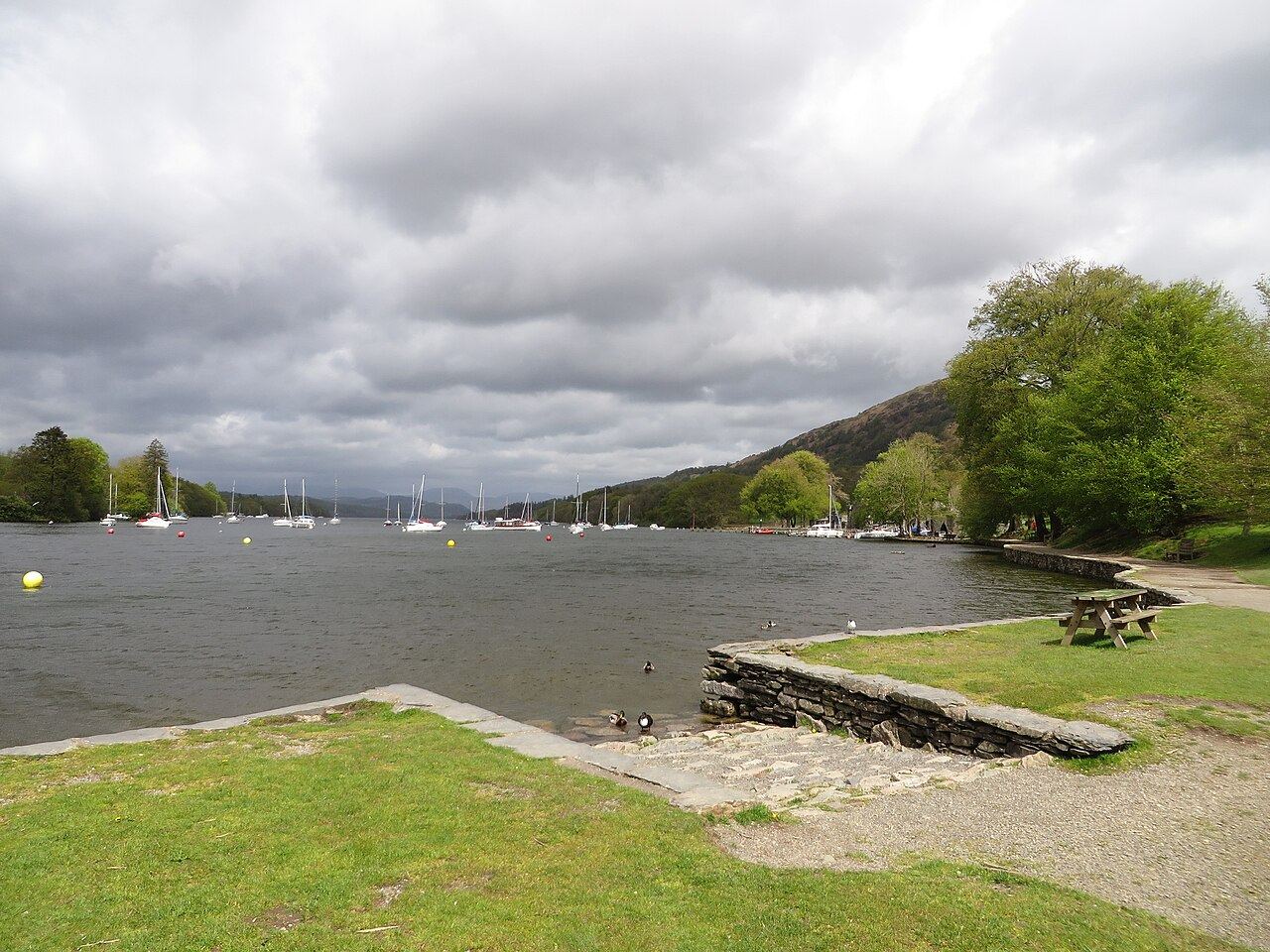
A National Trust park at the southern end of Windermere, and one of the designated bathing waters. It has a Boathouse cafe, toilets with baby changing, a Changing Places facility, an adventure playground and picnic areas, which is the practical stuff you need when a wet six year old needs a snack. Dogs on leads are welcome in the main park, and off the lead in the south meadow, except when cows are grazing.
The National Trust page I read doesn't say anything about swimming or lifeguards, so I can't tell you it's supervised. Car parking is 7 pounds for two hours, 8.50 for four, or 10 for the day, members free. It's a place to get in gently, in the shallows, with a parent in the water, and to get out again early.
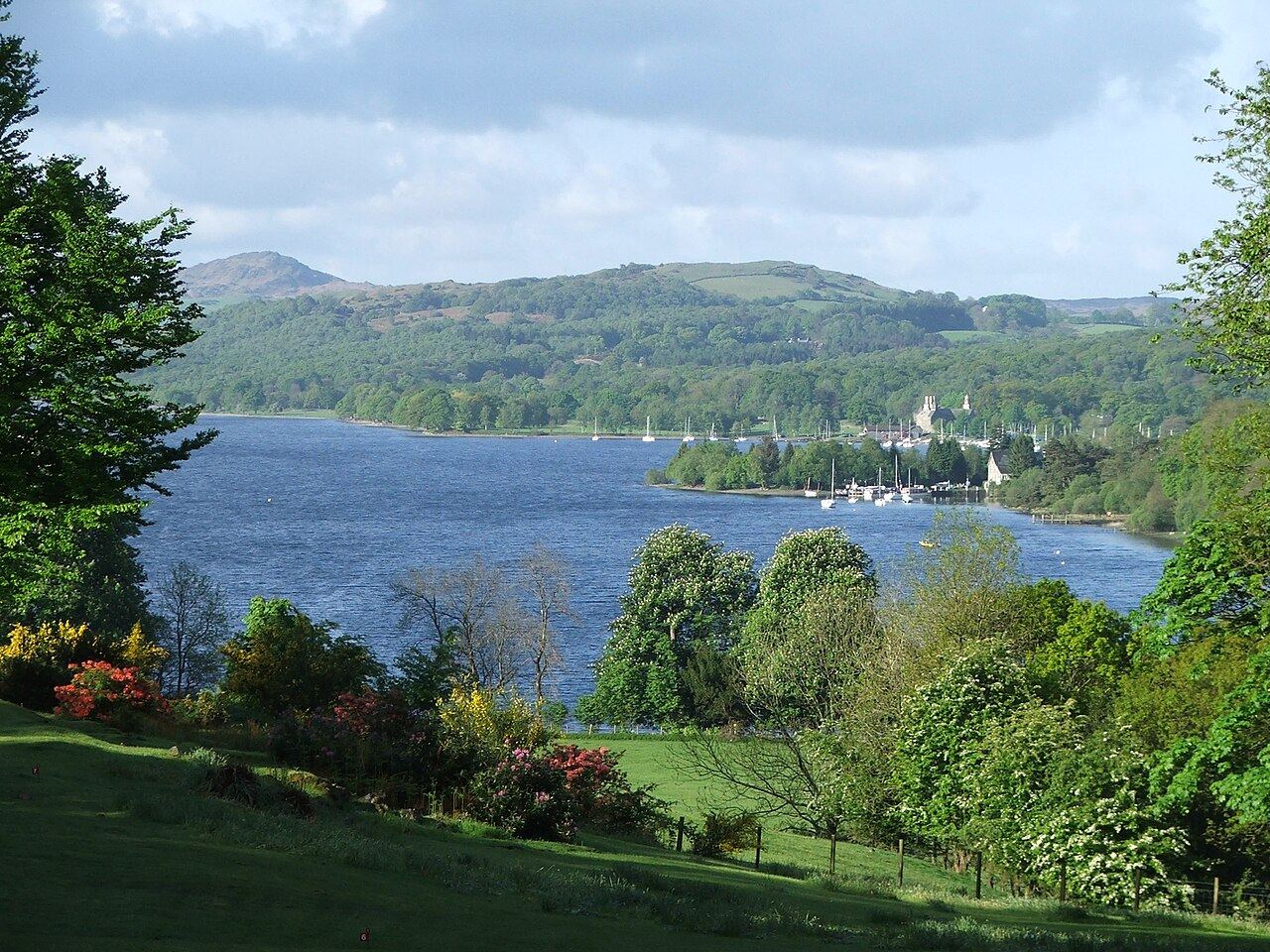
Three Coniston Water spots got bathing water status in 2024: Coniston Brown Howe, Coniston Boating Centre and Monk Coniston. The council says they were put forward by the parish council after showing an average of at least 100 bathers a day at each site in the season, and that results and pollution information will be displayed on site.
But a warning. The council's own bathing water page says Coniston Boating Centre was rated poor and recommends against swimming there. It says the other two sites had excellent water quality. That can change from season to season, so check the current classification on the Environment Agency's bathing water pages before you go. I can't tell you the depth, the slope or the parking at either site from what I read.
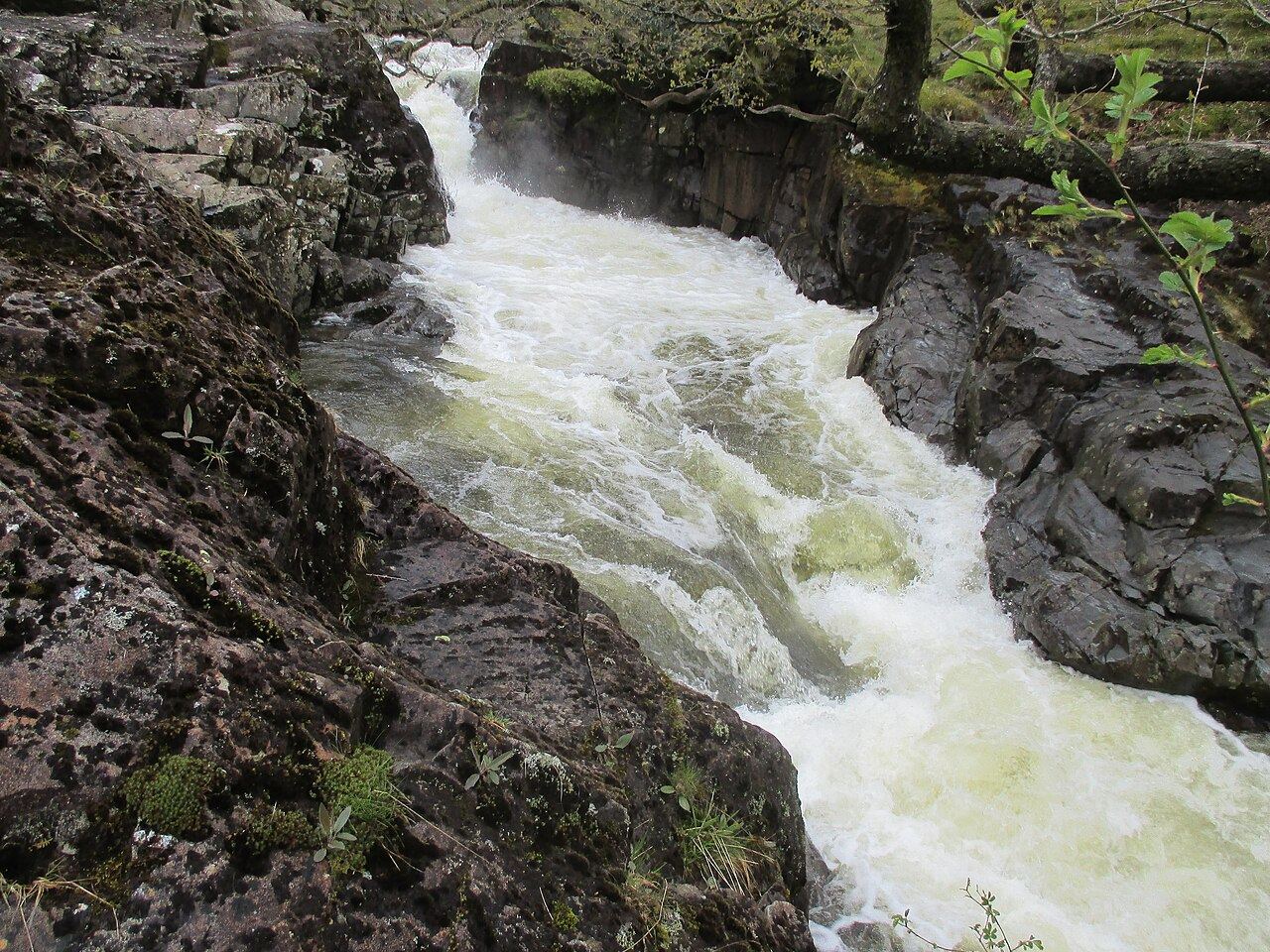
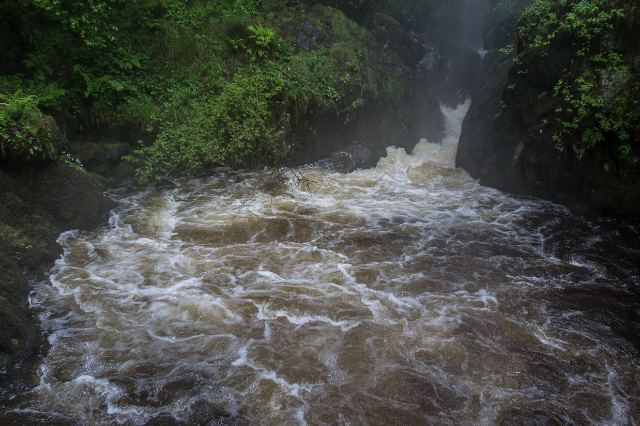
Also called the Fairy Glen, this is a little series of pools and falls on Langstrath Beck, about 0.8 miles each way on a mostly flat, gravel path from Stonethwaite. The guidance is from a walking blog, not an official site, so treat the detail as a starting point. It says the main pool is shallow with big rocks, which limits proper swimming, and that the lower gorge pool is an alternative if the water is high. It also says the water is cool, that strong currents follow heavy rain and can make swimming unsafe, and that there are no lifeguards, so adults must supervise.
Parking is extremely limited, with only a few spaces by the phone box. For a first go with children this is closer to a paddle than a swim. If the beck is brown and fast, watch from the bank.
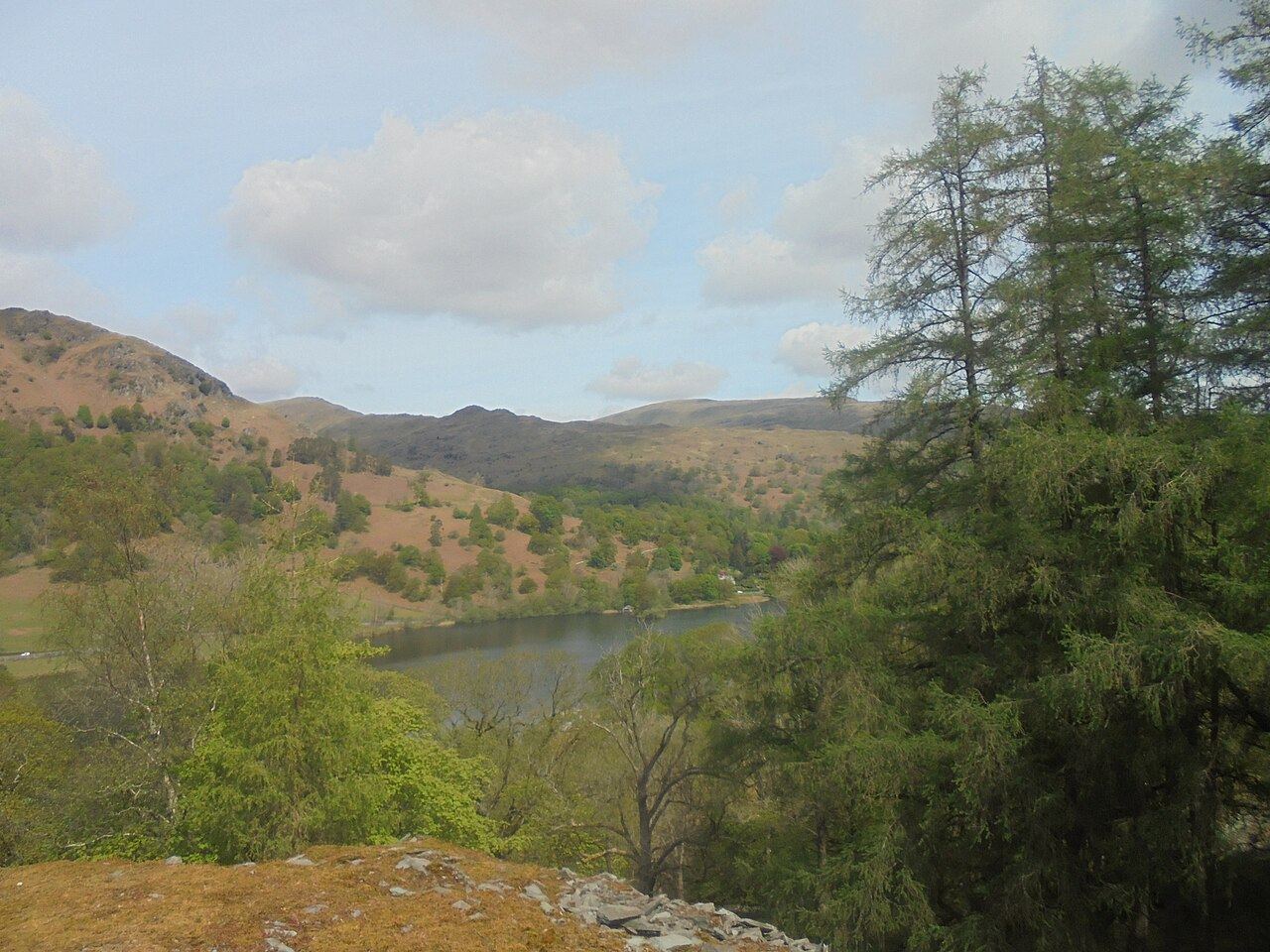
Not a swimming spot, and I'm including it on purpose. The Lakes Planner says the entrance pool is barely shin deep, suitable for paddling only, with slippery slate and stepping stones. It's about three quarters of a mile from the White Moss Higher car park and takes 20 to 25 minutes. It's a fun way to give small children wet feet without arguing about wetsuits.
After heavy rain, rivers and becks run fast and cold. The Outdoor Swimming Society says to avoid strong currents with children because of the risk of being swept away. In warm dry spells, look for blue-green algae, which the National Park says can be a health risk and is particularly dangerous for dogs. On busy lakes like Windermere and Ullswater, avoid mooring areas, marinas, jetties, ferry routes and boating channels. And don't swim if you're not confident you can get out. It's the simplest rule and the one that matters.
If somebody gets into trouble, the advice from the RNLI and the National Park is Float to Live: tilt your head back with your ears in the water, relax and control your breathing, and move hands and legs gently. If you see someone in difficulty, shout the advice and call 999 immediately. Don't go in after them. Throw something that floats.
Nobody has ever regretted getting out of a lake five minutes early.See what's on in The Cumbrian Almanac
Free, and you choose: the family weekend edition on Friday mornings, the grown-up Sunday edition on Sunday evenings, or both.
No spam, no ads. Unsubscribe from any email with one click. Privacy
It can be done with care, but the lakes are deep and cold even in sunshine. The Outdoor Swimming Society advises a one to one adult to child ratio in the water, and the National Park Authority advises staying near the shore and never swimming alone.
Cold water shock is a gasp reflex and uncontrolled breathing that happens when you enter water below about 15 degrees Celsius. The RNLI says the initial effects pass in less than a minute, so float and wait rather than swimming off.
A properly fitted buoyancy aid or lifejacket is a sensible extra for younger children, but the RNLI says buoyancy aids can't turn an unconscious person face up. They don't replace an adult within arm's reach.
Designated bathing waters include Fell Foot, Lakeside YMCA, Rayrigg Meadow and Millerground Landing on Windermere, and Brown Howe and Monk Coniston on Coniston Water. Check current water quality and algae warnings before you go.
The Environment Agency monitors designated bathing waters between 15 May and 30 September.
It can be, especially in warm dry weather. The National Park Authority says it is a health risk and particularly dangerous for dogs, and asks people to avoid water where it is visible.
Facts checked against these pages on Tuesday 29 September 2026. Opening times and prices change, so confirm with the venue.