Pushchair Friendly Walks in the Lake District: 9 Routes
Nine routes where a pushchair genuinely works, what the surface and slopes are actually like, where the loos and cafes are, and the popular ones that will make you regret bringing wheels.

Nine routes where a pushchair genuinely works, what the surface and slopes are actually like, where the loos and cafes are, and the popular ones that will make you regret bringing wheels.
The most reliable pushchair friendly walks in the Lake District are the Keswick Railway Path (tarmac, 5.6 km one way), White Moss Common near Grasmere (1.1 km, graded 'for all'), the Derwent Water and Cockshot Wood loop at Keswick (about 1 mile), the Holeslack trail at Sizergh and the lakeshore at Fell Foot. Tarn Hows is fine for most buggies but has some steeper bits.
Pushchair friendly walks in the Lake District are a smaller club than the guidebooks make out. The Lakes are made of hills, and hills and buggies don't get on. I've got a six and a seven year old now, so we're past the buggy stage, but I remember it clearly, and mostly what I remember is the moment you turn a corner and find a stile, or a step, or a gradient you thought was fine from the car park. So here's a list built on official information: the Lake District National Park's Miles Without Stiles grades, the National Trust route pages, and a Cumbria Wildlife Trust reserve.
I can't personally vouch for every surface, so I've read the official details for each one: surface, gradient, toilets, cafes. Where the sources disagree, I've said so. Conditions change after rain and storms, so check the page linked on each block before you set off.
The National Park's Miles Without Stiles routes use four grades. 'For all' means suitable for everyone including pushchairs and mobility scooters, with gradients no steeper than 1 in 10 and tarmac or smooth compacted stone. 'For many' is for all-terrain equipment, with gradients up to 1 in 8 and rougher stone up to 4cm. 'For some' allows low steps and steeper slopes, and 'challenging' is for very confident users on rough, muddy ground. If you have a standard city pushchair, stick to 'for all'. If you have a proper all-terrain buggy with big wheels, 'for many' is often fine, but read the individual route notes.
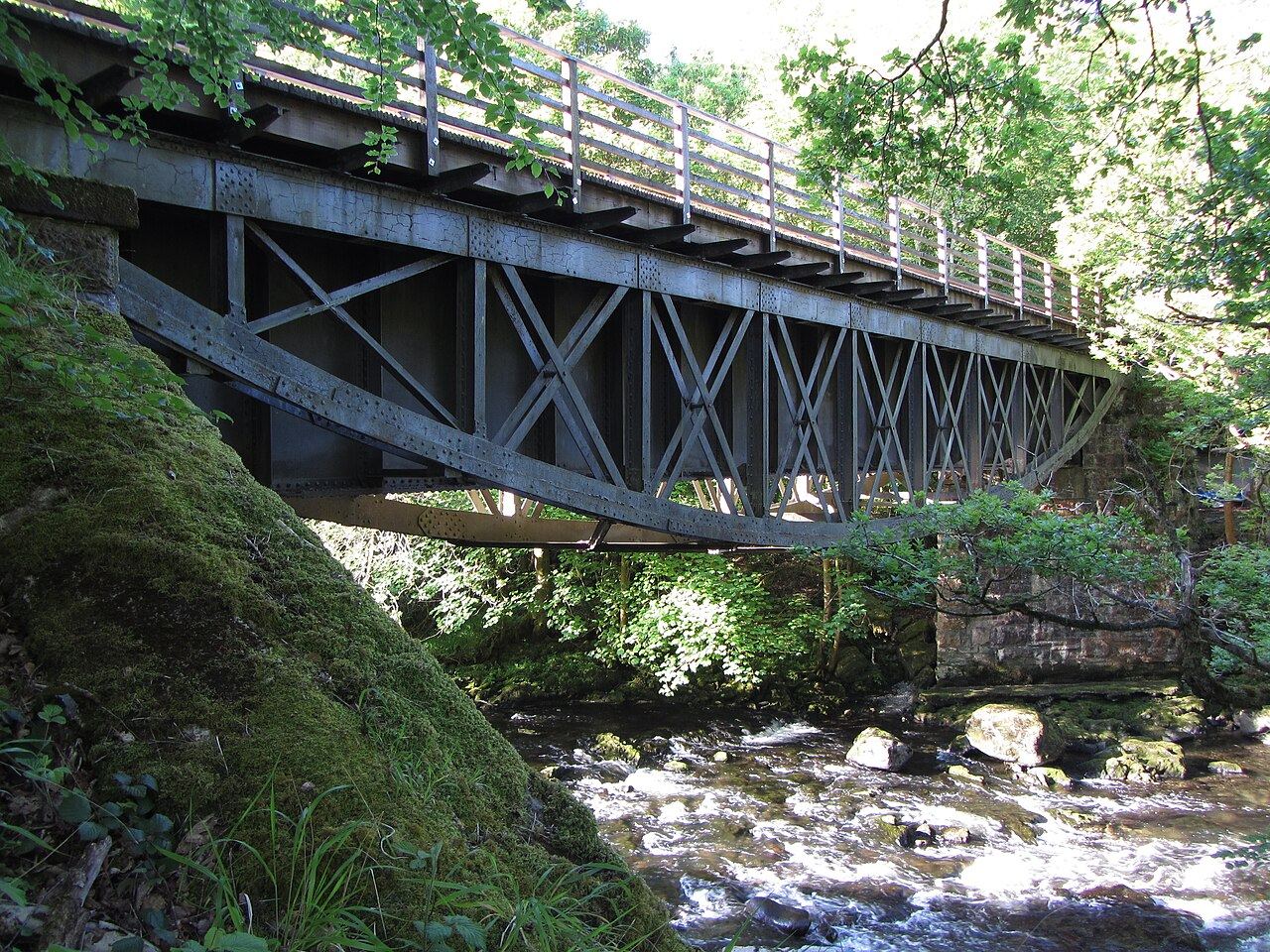
The only long, properly flat walk on this list. It's graded 'for all' by the National Park, on a tarmac path that follows the old Keswick to Penrith railway, and it's 5.6 km one way, about two and a half hours. You cross the River Greta on Victorian railway bridges and go through a tunnel, and there's a chance of herons and dippers along the river.
Start at the public car park opposite the old station building (CA12 4NP). There are no toilets on the route itself. The nearest are at Bell Close car park in Keswick, a ten minute walk from the start, and at Threlkeld Village Hall and coffee shop at the far end, where there are also two pubs.
One important note: the National Park page says a bridge closure started on 22 September 2026 for maintenance work expected to last about eight weeks, with alternative access via Penrith Road. Check before you go if you're reading this in autumn 2026.
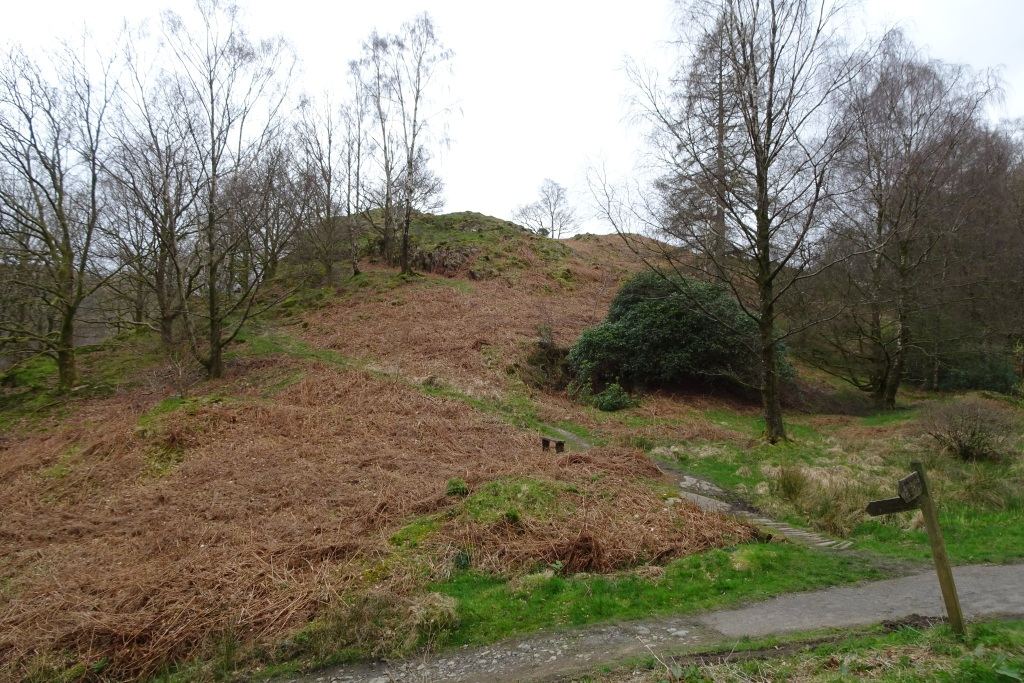
A short 'for all' route of 1.1 km, about half an hour, on a wide, smooth stone path with a wooden footbridge. The National Park says the route is suitable for pushchairs, and that there are toilets with baby changing 40 metres from the car park and a seasonal ice cream van across the road.
There are two catches. There's a 140 mm step off the first footbridge, with repairs pending. And the longer extension through Penny Rock Wood has a gradient over 1 in 8, so a standard buggy may struggle. If you want to go further, the neighbouring White Moss to Steps End route is graded 'for some' with steep woodland sections and fords, so I'd leave it with wheels.
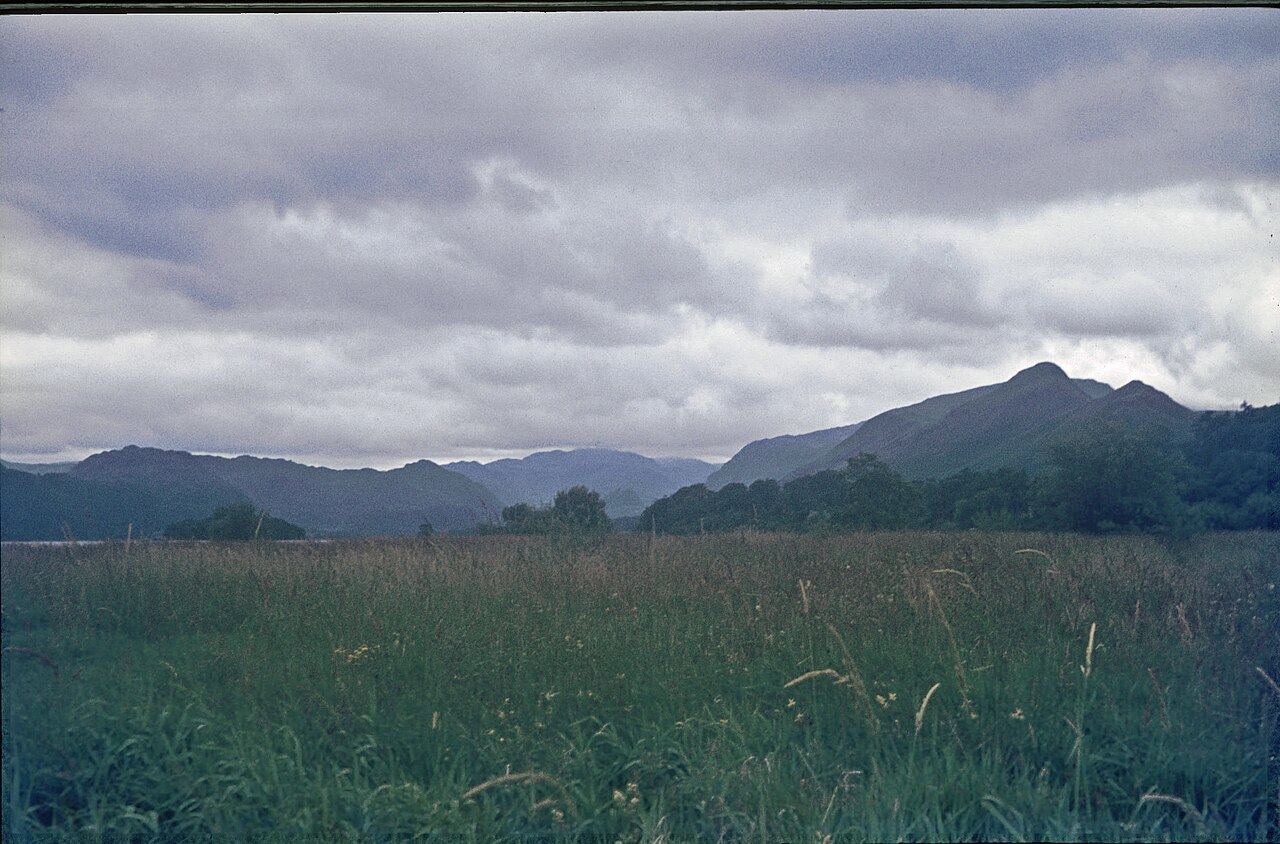
A National Trust accessible loop from the Lakeside car park at Keswick (CA12 5DJ): 1.25 miles for the full trail, 1 mile for the short one, 30 to 45 minutes. It starts on a tarmac lakeshore promenade, then follows smooth compact paths, with rougher woodland sections in Cockshot Wood.
The honest bits: the National Trust lists a 7 percent descent to the lake and a 15 percent return to the car park, cobbled sections, and wooden boardwalks. There's an accessible toilet in the car park (RADAR key or coins), a cafe and coffee takeaway at the start, and 28 benches on most sections. Dogs are welcome, but keep them close in sheep fields, especially in lambing season.
The optional extension to Friar's Crag has narrow paths, with the narrowest point 87cm, so I'd skip it with a wide buggy.
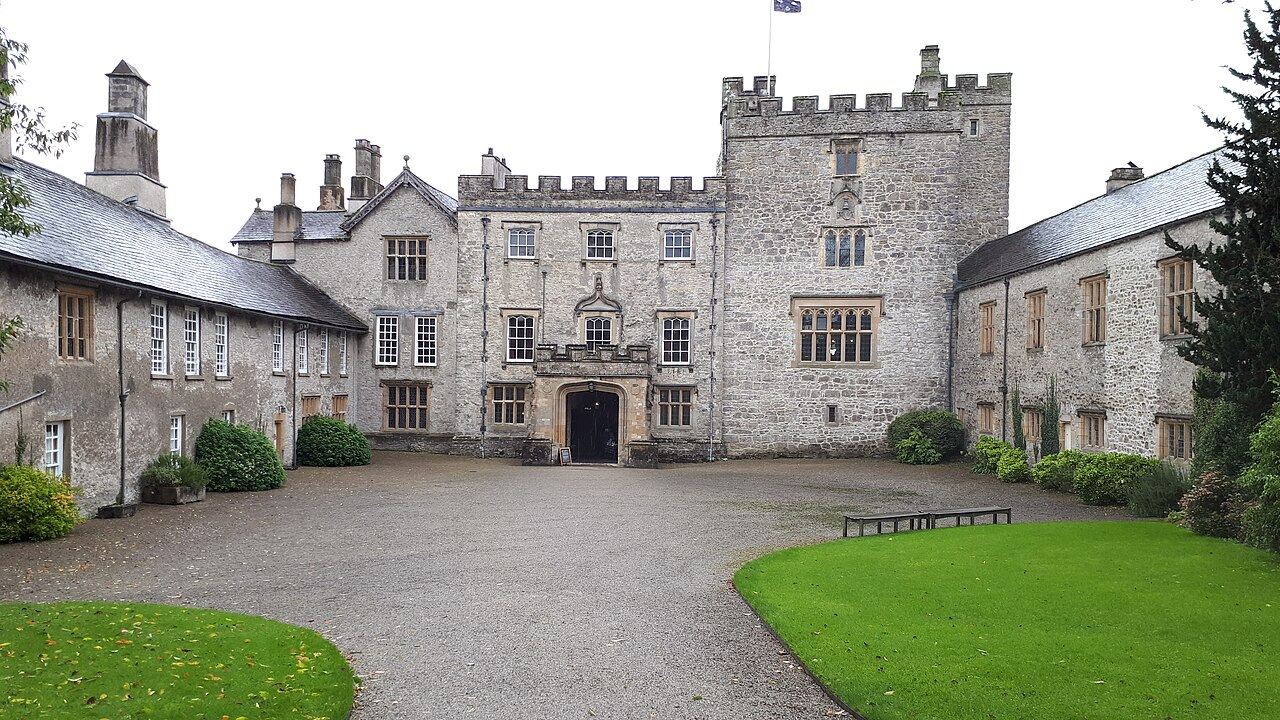
A National Trust circular walk of 1.2 miles (about 45 minutes to an hour and three quarters) through ancient woodland, traditional Westmorland orchards and parkland. It's described as easy, with a well-surfaced path and a couple of moderate inclines, and the National Trust says it's suitable for buggies, electric wheelchairs and Trampers.
Start from Sizergh Castle car park. There are 12 designated disabled bays near the Visitor Centre, an accessible toilet at the Visitor Centre entrance and a cafe there too. The route includes steeper sections through Rash Spring woodland, and there are several benches for a breather. It sits just south of the busiest part of the Lakes, which helps.
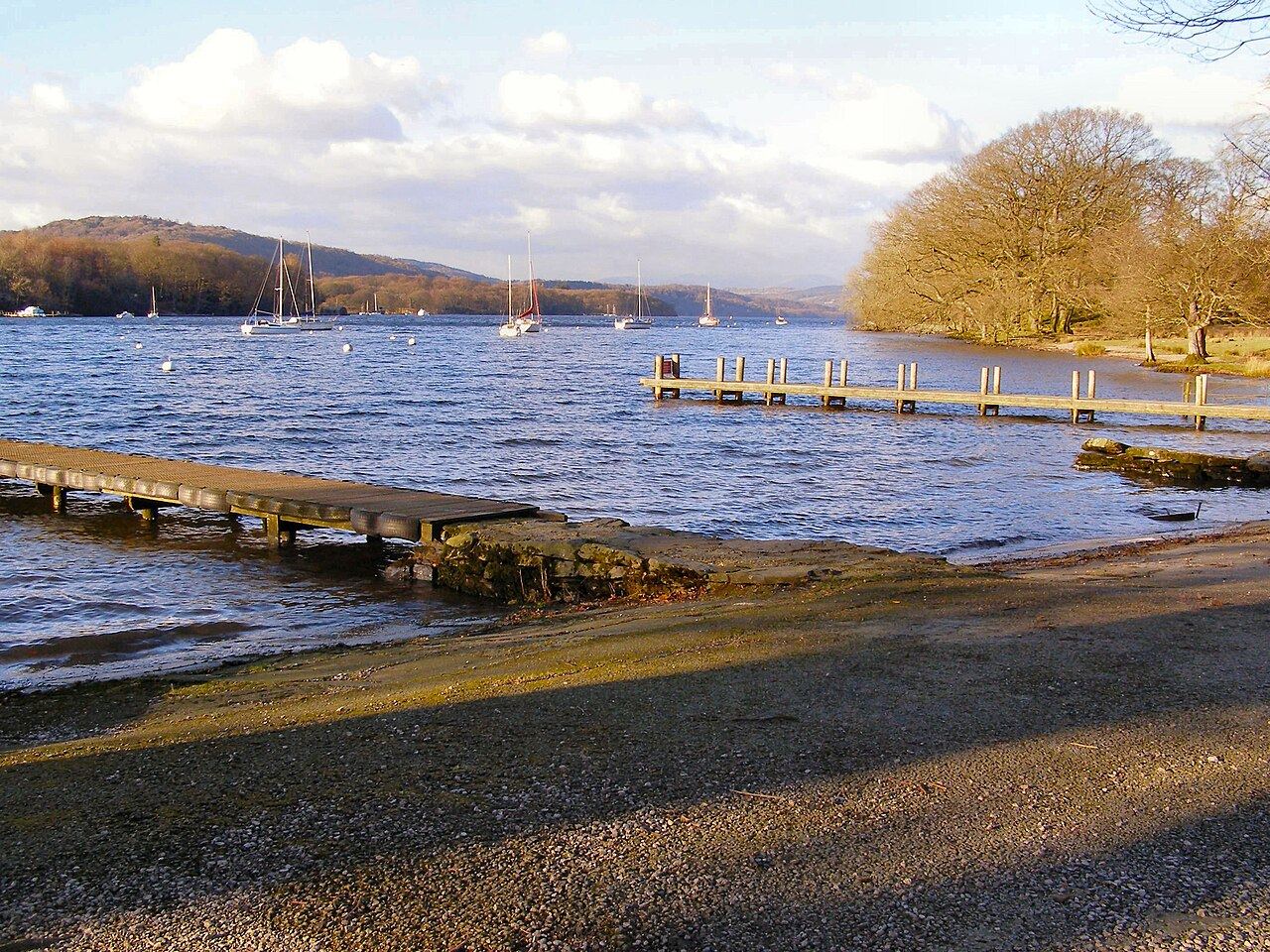
The National Trust describes the lakeshore path as buggy-friendly, and there's a 0.5 mile accessible short loop with lake views as well as a 1.6 mile heritage circuit. It notes that parts of the grounds are only partly accessible, with grass, loose gravel, steep slopes and undulating terrain, so stick to the shoreline.
There's a play area and a nature trail, which helps if you've got an older sibling. The Boathouse Cafe (9.30am to 5pm) does hot meals and cakes, dogs are welcome inside, and toilets are in the main car park and at the Active Base. Parking at the time of writing is 7 pounds for two hours, 8.50 for four or 10 for the day, free for members. Postcode LA12 8NN.

The classic buggy-friendly tarn, with a catch. The National Trust says the 2 mile circuit has a wide, firm gravel path with gradual inclines and some short, steep sections, and that pushchairs are fine on the main path. The National Park describes the 3.29 km loop as 'for some', with short rougher sections and gradients up to 1 in 5 in places.
My reading: a sturdy buggy is fine and a light umbrella stroller will be a struggle. Parking is pay and display (LA22 0PW) and free for National Trust members. Toilets, with accessible and baby changing, are in the car park, and a seasonal food and ice cream van has been noted by the National Park. Dogs on leads are welcome.
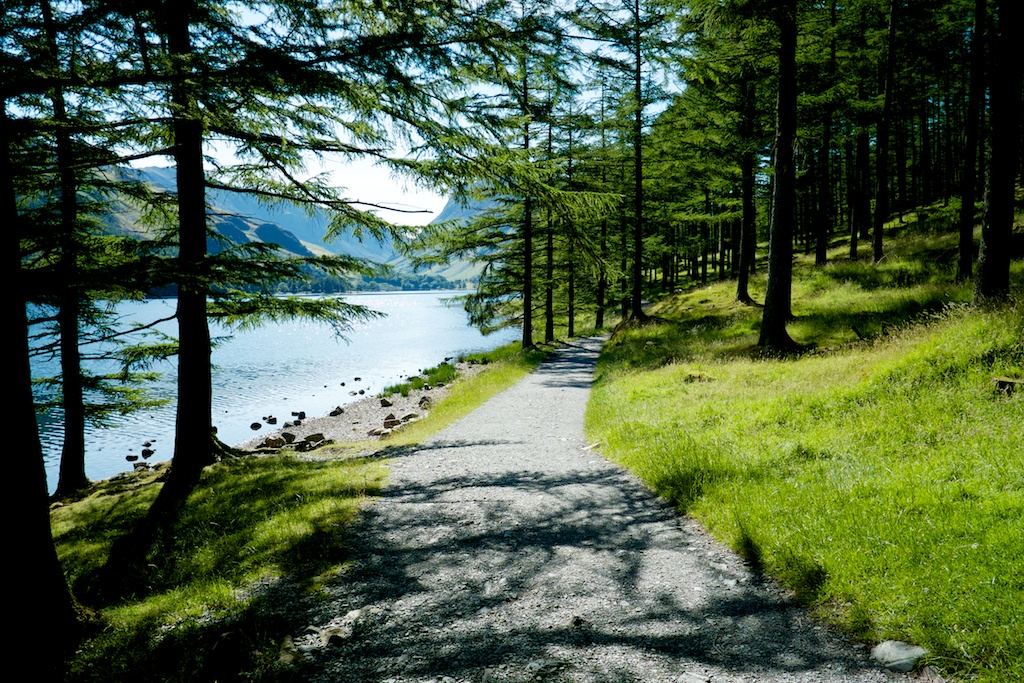
The National Park gives two versions. The shorter is 1.5 km, graded 'for all', ending at a footbridge with views over the lake to the fells, and the first 750 metres are suitable for all abilities. Beyond the footbridge it gets rougher, with large stones and steep culverts on the longer 3.75 km route.
Start in Buttermere village (CA13 9XA), where the National Park car park has accessible toilets. The route page currently notes rough sections due to washout, so I'd check the page before setting off with wheels.
Update, 29 September 2026: the National Trust now grades only the first 750 m from the village as suitable for everyone, with the rest 'for some', and its page carries a washout warning after storm damage. Check the Trust's Buttermere page before you set off.
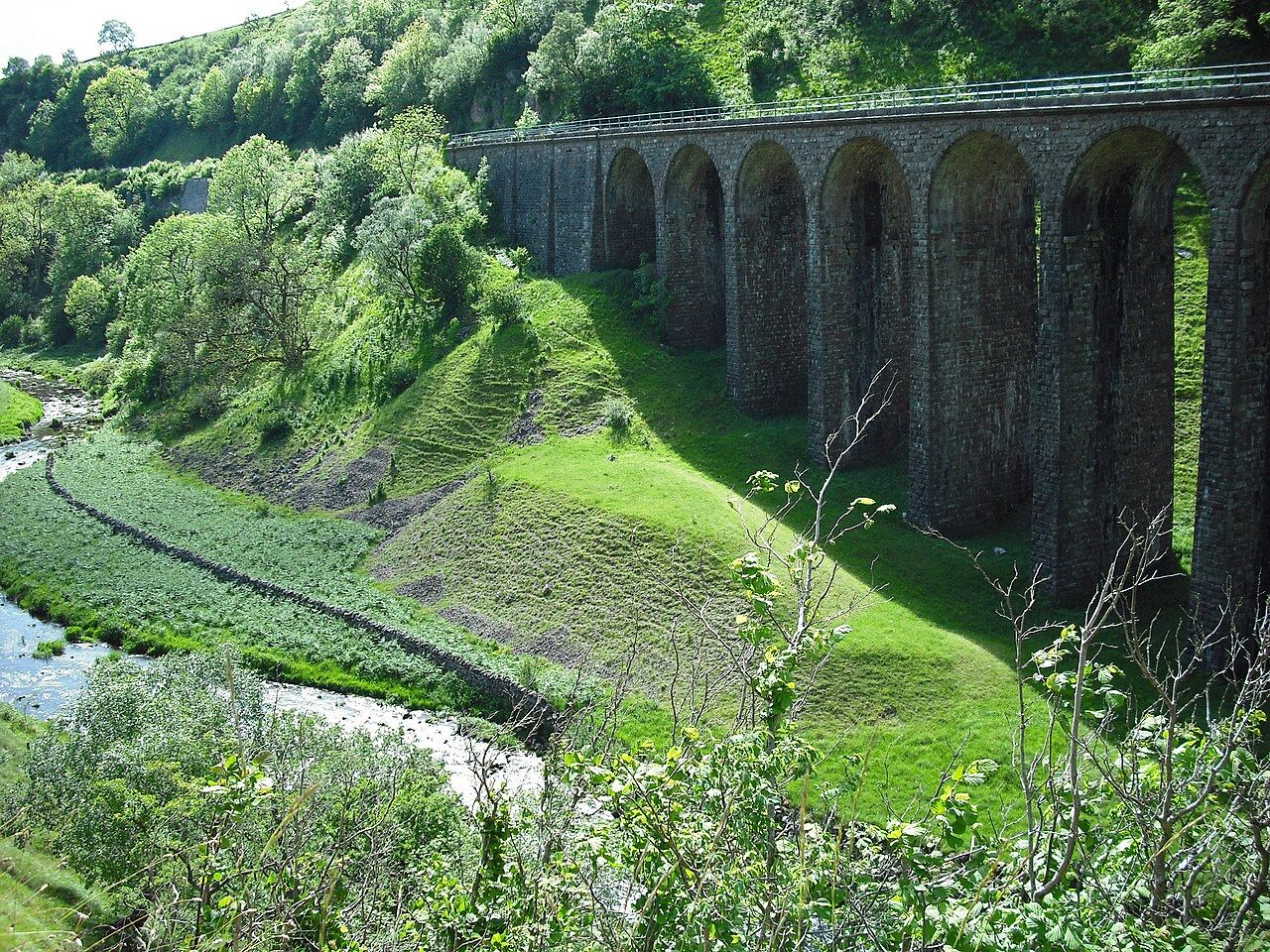
Outside the Lake District National Park, in Eden, and worth the drive for a long flat walk. Cumbria Wildlife Trust says there's a wheelchair and pushchair accessible surface from the car park to Newbiggin-on-Lune, with ramps at both ends. Routes are 4.8 km return to the historic viaduct, 4.8 km return to Waitby Greenriggs, or 11.4 km return to Newbiggin-on-Lune.
The postcode is CA17 4HG. There are benches along the route, dogs must be kept on a lead, and there are no toilets mentioned on site, so bring your own everything. It's free with donations welcome, and the trust says April to August is the best time for wildlife.
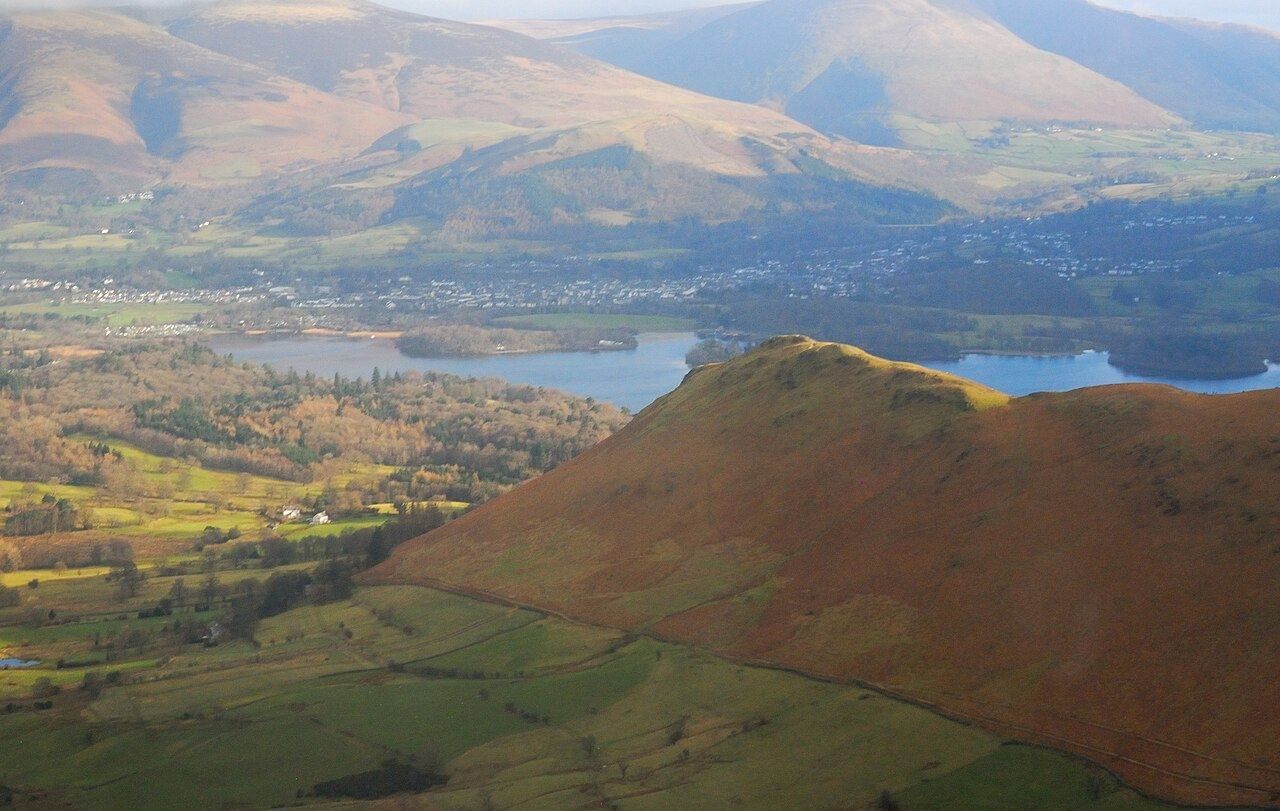
A longer National Trust route along Derwent Water, 4.4 km for the full trail or 4 km for the short one, taking roughly 1 hour 20 to 2 hours 10 minutes. It starts from Keswick Lakeside car park (CA12 5DJ), with a tarmac promenade and a recycled plastic boardwalk 2 m wide.
The National Trust rates it as only partly pushchair friendly. Smooth boardwalk and promenade sections work, but there's a 16 percent gradient on rough surface near the viewpoint, cobbles, and a cattle grid with a narrow gate (89cm opening). I'd say it's for a sturdy all-terrain buggy and a fit parent. Cafes are at Theatre by the Lake and Moon and Sixpence, and there's an accessible toilet in the car park.
An all-terrain buggy turns a 'for some' path into a 'we'll see'. It doesn't turn it into a 'yes'.
For the 'for all' routes, no. A standard pushchair will be fine at White Moss Common and on the Keswick Railway Path. For Tarn Hows, Fell Foot, Broomhill Point and Holeslack, a sturdier buggy with bigger wheels makes life easier, particularly on gravel and short hills. A baby carrier is the trump card for anything else, and I'd carry one in the boot regardless. If someone in your party would prefer a mobility scooter, the National Trust lends all-terrain Trampers at Tarn Hows (book 48 hours ahead) and hires them at Sizergh.
See what's on in The Cumbrian AlmanacFree, and you choose: the family weekend edition on Friday mornings, the grown-up Sunday edition on Sunday evenings, or both.
No spam, no ads. Unsubscribe from any email with one click. Privacy
The Keswick Railway Path is the longest flat option, on tarmac and graded 'for all' by the National Park. White Moss Common is the best short one at 1.1 km, also graded 'for all'.
Mostly. The National Trust says the main path is suitable for pushchairs, but the National Park grades the route 'for some' because of rougher, steeper sections. A sturdy buggy is best.
No. The nearest are at Bell Close car park in Keswick and at Threlkeld Village Hall at the end of the trail.
The Derwent Water and Cockshot Wood loop at Keswick has a cafe and an accessible toilet at the start. Holeslack at Sizergh has a cafe and toilet at the Visitor Centre. Fell Foot has the Boathouse Cafe and toilets in the main car park.
Smardale Gill Nature Reserve near Kirkby Stephen has an accessible surface from the car park to Newbiggin-on-Lune, and a viaduct walk of 4.8 km return, according to Cumbria Wildlife Trust.
The Keswick Railway Path had a bridge closure starting on 22 September 2026, expected to last about eight weeks. Check the National Park page before you go.
Facts checked against these pages on Tuesday 29 September 2026. Opening times and prices change, so confirm with the venue.