Daffodils and bluebells in the Lake District: where and when
Wordsworth's daffodils are still out there, and so are some cracking bluebell woods. Here is where to find them, when to go, and where to park before everyone else does.

Wordsworth's daffodils are still out there, and so are some cracking bluebell woods. Here is where to find them, when to go, and where to park before everyone else does.
The best places to see daffodils in the Lake District are Gowbarrow and Glencoyne Bay on Ullswater (Wordsworth's daffodils), Dora's Field in Rydal and the Wordsworth Daffodil Garden in Grasmere, usually from mid March to mid April. For bluebells, go in late April or May to Rannerdale near Buttermere, Muncaster Castle's woods, Great Wood near Keswick or White Moss near Grasmere.
Checked 21 October 2026. Flowers do not read timetables, so treat every date here as a guide and the organiser link as the thing to trust.
If you want to know where to see daffodils in the Lake District, the short answer is Ullswater, Rydal and Grasmere, because that is where William Wordsworth saw them, planted them and is buried beside them. The bluebells come a few weeks later and are a different sort of outing: woods, mostly, plus one famous open valley near Buttermere that turns blue in May and gets loved slightly too hard.
I am writing this in October, with the leaves coming down and the car smelling of wet dog, which feels like an odd time to think about spring flowers. But the people who get the best daffodil days are the ones who plan them early, pick a weekday, and know which car park fills first. So here is the plan, with a decent mix of the famous spots and a few quieter ones that most guides skip.
Wordsworth wandered lonely as a cloud. On a sunny April Saturday at Aira Force you will not be lonely, and you may not find a parking space either.
Daffodils first. Cumbria Tourism's own guide suggests the second half of March into early April for the big displays, and that matches the history: Dorothy Wordsworth wrote up the famous Ullswater daffodils on 15 April 1802. Gardens with planted varieties run a little later. Acorn Bank near Penrith says its Edwardian daffodils appear in the orchard from mid April, and Muncaster says its native wild daffodils are out in March.
Bluebells are later and fussier. The Woodland Trust says they usually flower from late March to early May, with most flowering in April and a UK average first flowering date of 9 April. The south of England goes first and Cumbria tends to lag, which is why the local guides talk about May. Visit Keswick puts Rannerdale at early to mid May, and Muncaster says its bluebell woods flower from mid April to mid May.
A cold March can push everything back by a fortnight, and a warm one can bring it forward. The honest advice is to look at recent photos from the place (the National Trust and local Facebook groups are quick to post them) the week before you go, rather than trusting a date on a blog. Including this one. Especially this one, written in October by a man who cannot keep a basil plant alive.
This is the spot. William and Dorothy Wordsworth walked along the Ullswater shore by Gowbarrow Park in April 1802, on a stormy day, and Dorothy wrote in her journal about a long belt of daffodils that tossed and reeled and danced. William turned it into the poem in 1804, and it was published in 1807. The National Trust looks after Gowbarrow and Glencoyne Bay now, and Wordsworth 250 says the daffodils can still be seen there at the right time.
The National Trust lists a 1.2 mile Aira Force to Glencoyne trail, which is a sensible length for small legs, and the waterfall itself is a big draw on the way. The tea room by the main car park does drinks, snacks and ice cream, which is the real summit of any walk with a six year old. Be warned that the waterfall paths are steep: the Trust says the waterfall is not accessible by wheelchair or pushchair.
Dora's Field is a sloping patch of ground next to St Mary's Church in Rydal, between Rydal Mount and the main road. Wordsworth bought it in a bit of a huff (his landlady at Rydal Mount threatened to end his tenancy, so he planned to build a house here instead), the threat was withdrawn, and the house never happened. After his daughter Dora died in 1847, he, his wife, his sister and his gardener planted hundreds of daffodils here in her memory.
It is small, it is free, and the National Trust has put benches round it. That makes it one of the best daffodil stops for anyone who does not fancy a long walk, and a lovely, quiet place to tell children why the flowers are there. It pairs well with a stroll along Rydal Water from White Moss (further down).
Tucked between St Oswald's churchyard, where the Wordsworths are buried, and the River Rothay, this little garden opened in 2003 as a community project. About 10,000 bulbs went in, and the paths are made of engraved Lakeland slates paid for by the people who sponsored them, so half the fun for children is hunting for a funny name in the paving.
It is free and right in the middle of the village, a few steps from the gingerbread shop, which makes it the most efficient daffodil stop in Cumbria: flowers, a famous grave and gingerbread in under ten minutes. Up the road, Wordsworth Grasmere at Dove Cottage has published a self guided daffodil trail that takes in the cottage, the garden orchard and a museum showing Dorothy's journal entry; check its website for spring 2027 dates and prices.
Wild daffodils are lovely, but they do not come with a cafe. If the plan involves a grandparent, a toddler or a promise of cake, a garden is the safer bet.
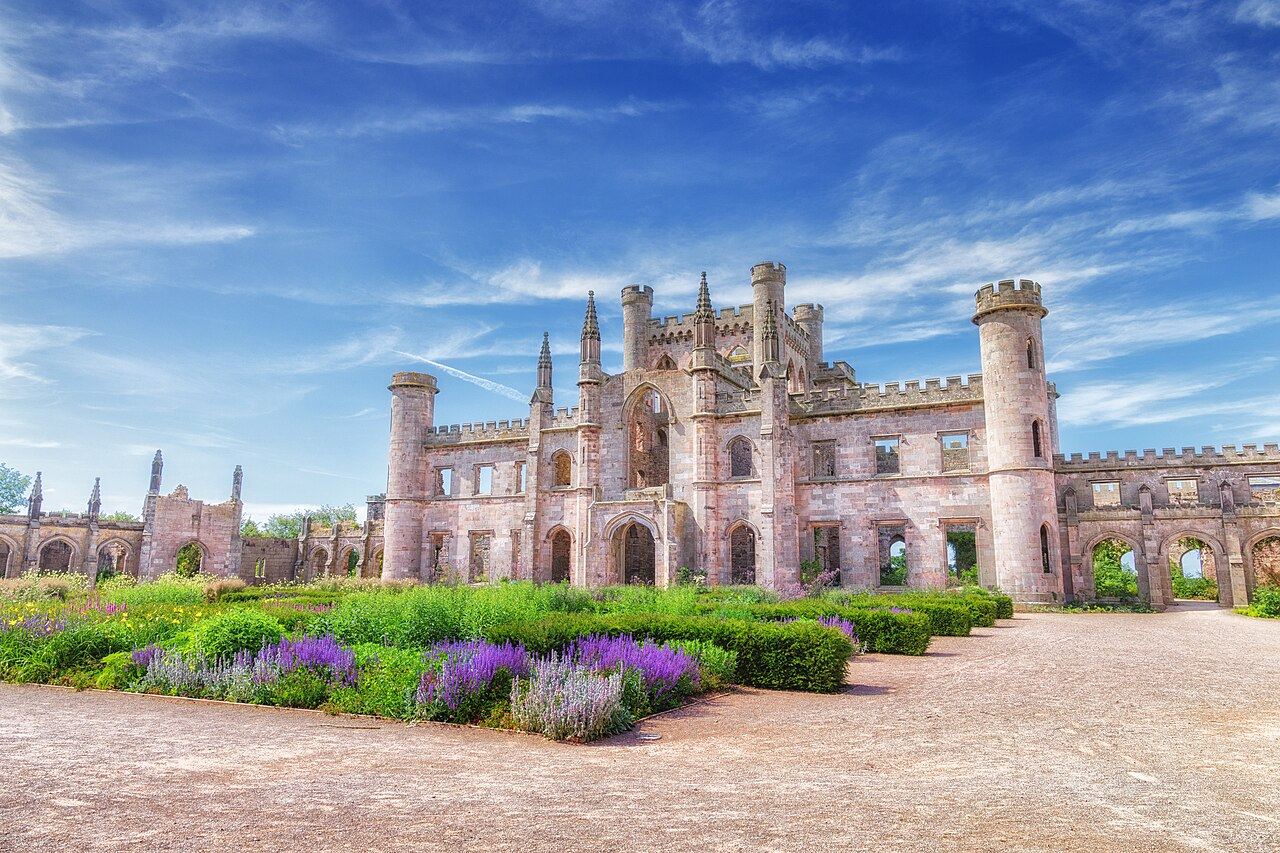
Cumbria Tourism records that in 2012 volunteers planted 106,528 daffodil bulbs here in three hours, making a border about a mile long. I have no idea how you count to 106,528 while planting bulbs, but I admire the commitment.
The ruined castle and the gardens are open every day except Christmas Day, and the Lost Castle adventure playground means children who are not fussed about flowers still get a good day. Dogs are welcome on leads, though not on the playground.
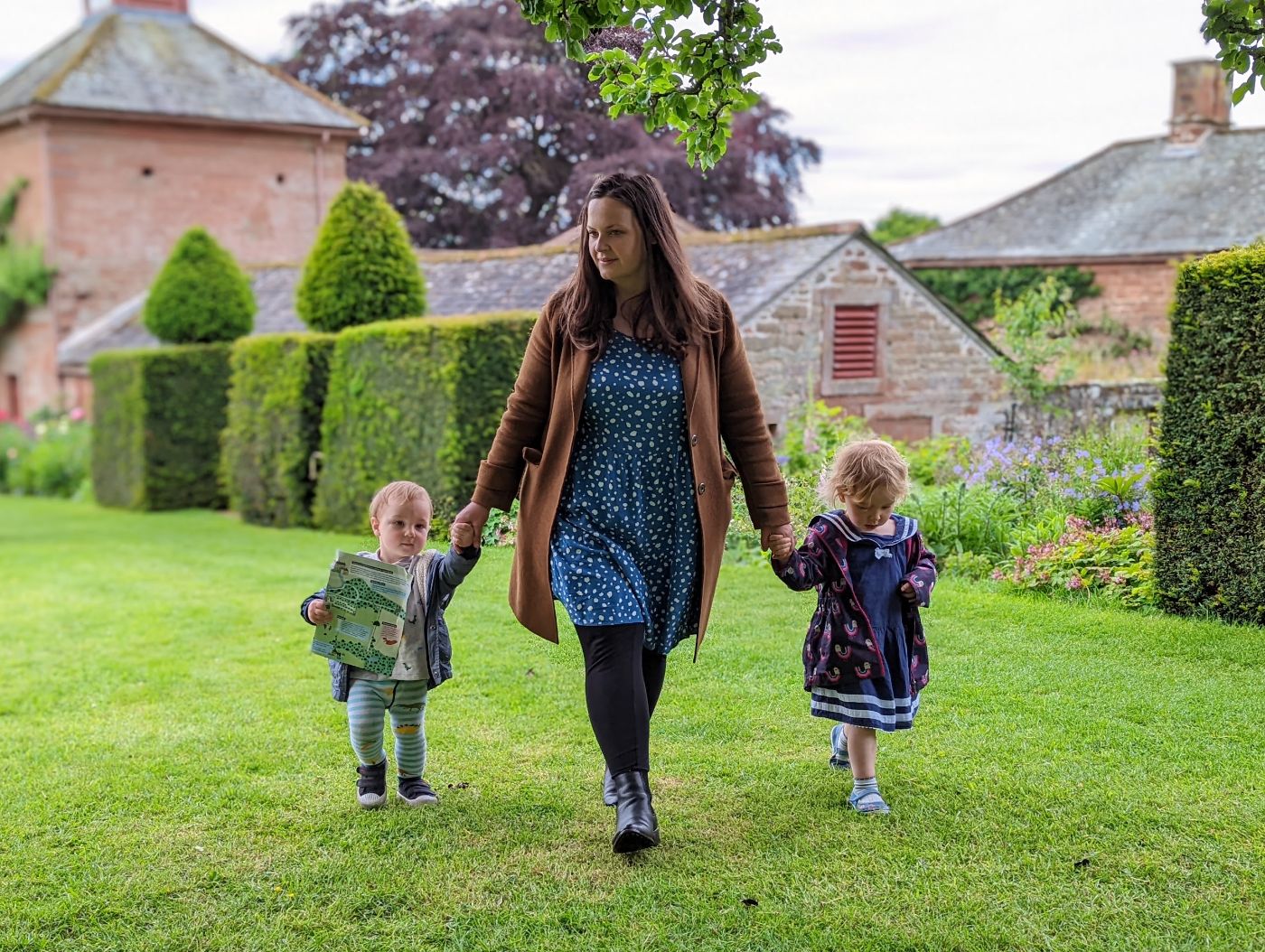
Acorn Bank is a quiet National Trust garden off the A66 near Penrith, and it is worth the detour for the orchard in April. The Trust says its Edwardian daffodils carpet the orchard in cream and yellow from mid April, with 16 named varieties, one of them dating back to the 1600s. Snake's head fritillaries follow in May, with apple blossom in between.
It rarely gets the coach crowds, the cafe does cakes, and there is a Changing Places toilet in the garden courtyard, which is rarer than a sunny bank holiday.
A ten acre fellside garden above Windermere, run by volunteers from the Lakeland Horticultural Society, which almost nobody outside the gardening world seems to know about. In spring the upper meadow fills with native wild daffodils, the rhododendrons, azaleas and camellias get going, and by May the blue Himalayan poppies (it holds a National Collection of them) are the star.
There is no set entry fee, just a suggested donation, and the view over Windermere costs nothing at all. A rare bargain in a part of the world where a coffee can cost more than a kite.
Brigsteer Woods is National Trust woodland on a steep slope below Scout Scar, and it is one of the best places in the county for native wild daffodils, the small, pale, slightly scruffy ones Wordsworth would actually have seen. BBC Countryfile's walk from Sizergh, about four miles and rated easy to moderate, goes through the coppiced areas where they grow, with bluebells and wild garlic following on later in spring.
It makes a good half day if you combine it with Sizergh's cafe and garden. The paths in the eastern part of the wood are steep, so this one is for walkers rather than buggies.
Bluebells need a little etiquette. Native bluebells are protected under the Wildlife and Countryside Act 1981, and the Woodland Trust says a patch can take more than five years to establish. Every footstep crushes plants. So: stay on the path, no picking, and no lying down in them for the photo, however much a small person begs.
Rannerdale is the famous one, a small valley off Crummock Water that turns properly blue in early to mid May. Unusually, the bluebells grow on open fellside rather than in woodland, with Whiteless Pike behind, which is why every camera in Cumbria ends up here.
It is also why the National Trust is worried. Its ranger says each step on the bluebells crushes seven to ten plants, the Trust has put in oak posts to mark the paths, and it may restrict access to vulnerable parts at times. Cumbria Tourism has reported a quarter of the bluebells lost to trampling. Please, please stick to the path. The view is just as good from it, I promise.
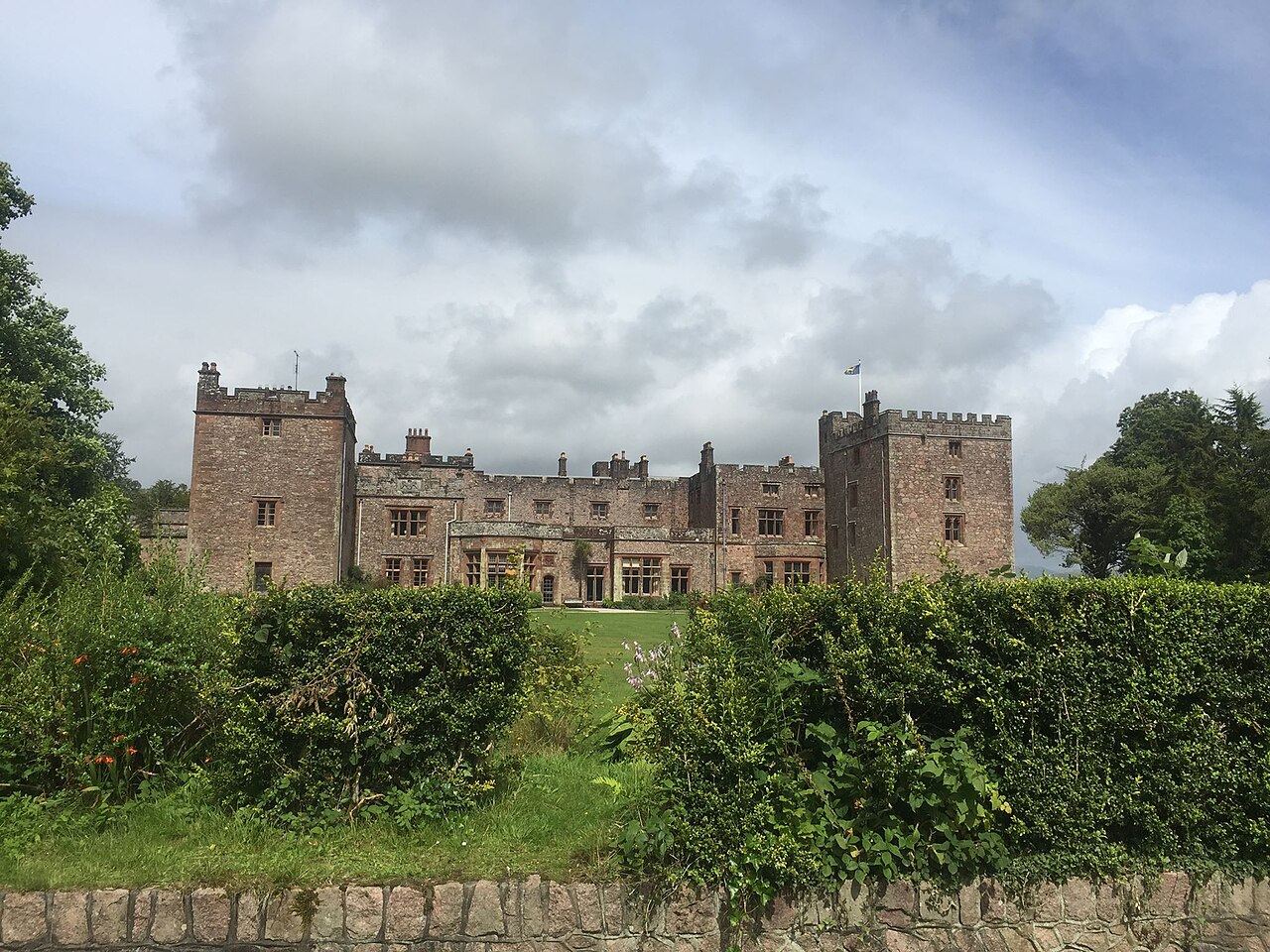
Muncaster calls it Bluebell Heaven, and Cumbria Tourism has called it one of the best displays in the county. The bluebells grow in ancient coppice woodland in the high woods above the castle and flower from mid April to mid May, before the trees close over. March brings native wild daffodils and camellias, and the rhododendrons peak in May, so it is a good spring visit at any point.
The catch is that the paths to the bluebell woods are steep and rough. Muncaster says to ask at the ticket office for buggy and wheelchair friendly routes. Parking is free, which on the west coast feels like being handed a gift.
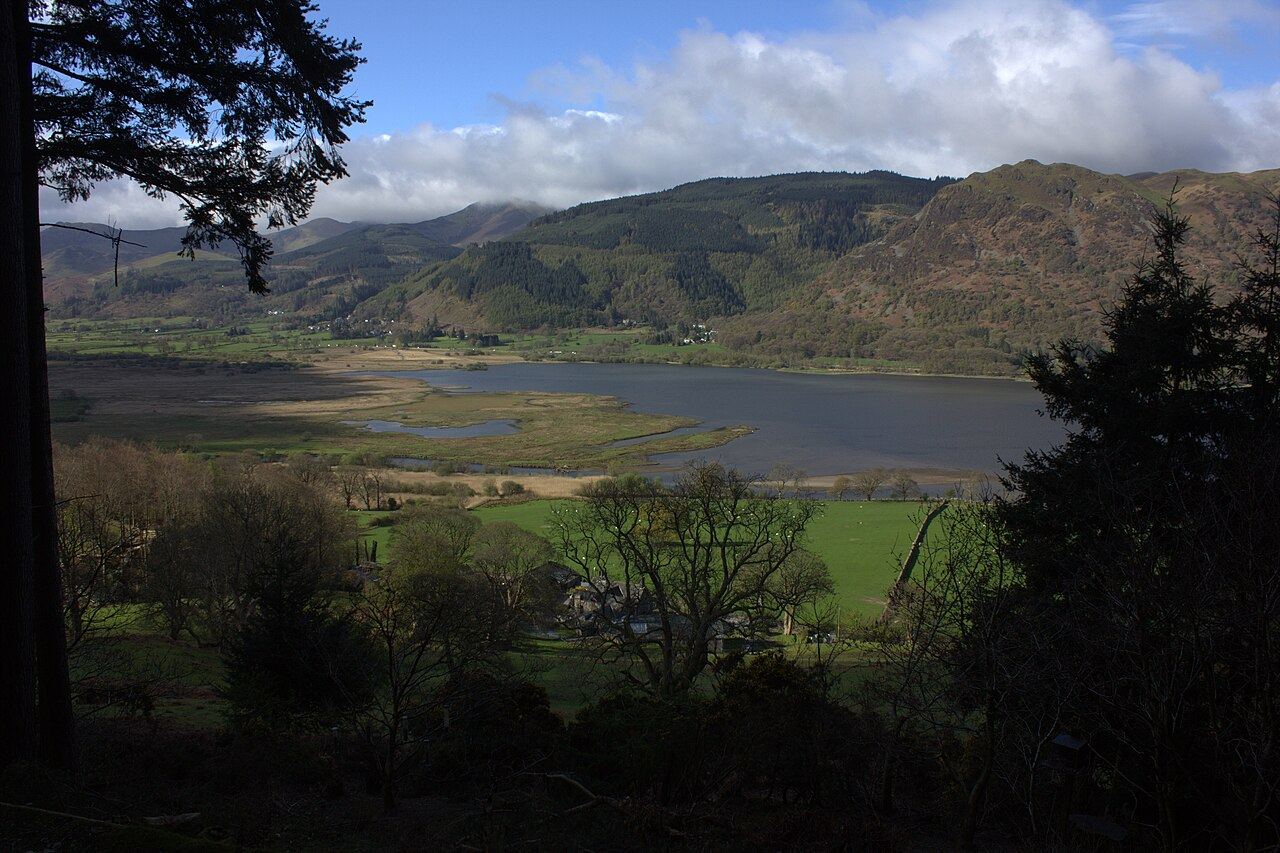
Great Wood sits on the east side of Derwentwater just outside Keswick, and Cumbria Tourism describes its woodland path as carpeted in bluebells in spring. The National Trust car park on the Borrowdale road is the start, and from there you can wander the woodland paths at a toddler's pace or carry on up to Walla Crag for a view over the lake.
The full Walla Crag loop is four miles with a steep, rocky start and some scrambling with drops by Cat Gill, so for small children the bluebells in the lower wood are the day out and the crag is a promise for when they are older.
A short walk from Ambleside, Skelghyll Woods has bluebells in abundance in spring, according to Cumbria Tourism, and they also grow around Jenkin Crag at the top, which has a view down Windermere that makes the stepped climb worth it. You can add Stagshaw Gardens and the Ambleside Champion Tree Trail for about another mile each.
The whole thing is 1.5 to 3 miles, so it fits round a morning in Ambleside. Mind the steep drop just beyond the rocks at Jenkin Crag, and hold small hands there.
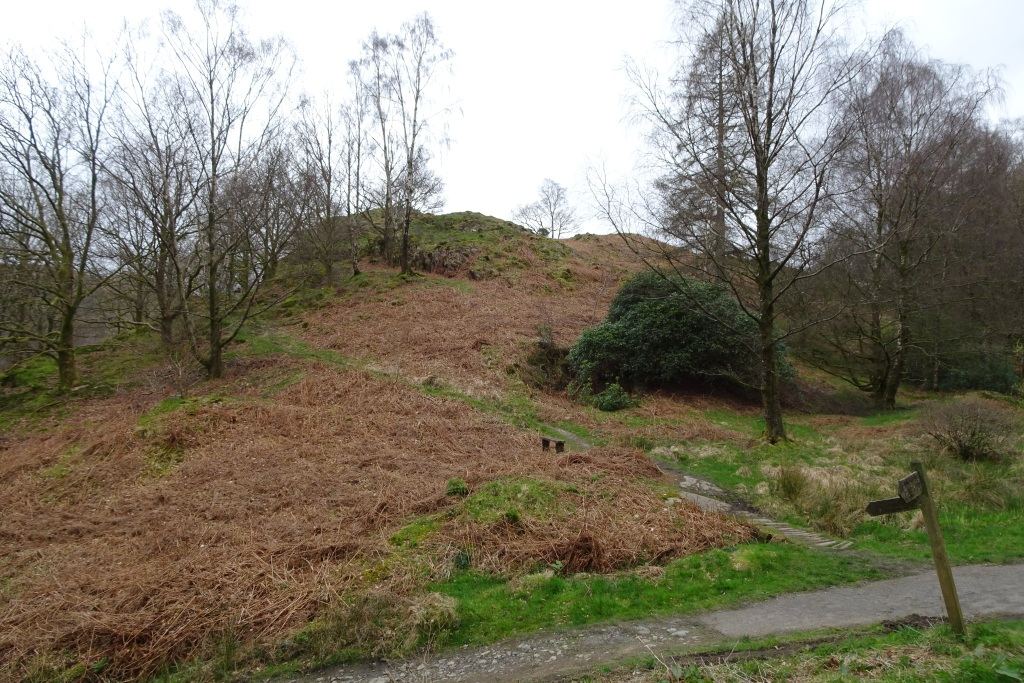
The woods between Grasmere and Rydal Water at White Moss and Penny Rock Wood are on Cumbria Tourism's list of the five best bluebell spots, and they have something the others do not: proper accessible paths. Much of the route is level and well kept, and a wheelchair accessible bridge near the start also suits pushchairs. A one mile loop over the bridge and along the level path to the Grasmere shore is the gentle version.
It also puts you about a mile from Dora's Field, so a spring morning can take in daffodils and bluebells in one go if the season is kind and the two overlap.
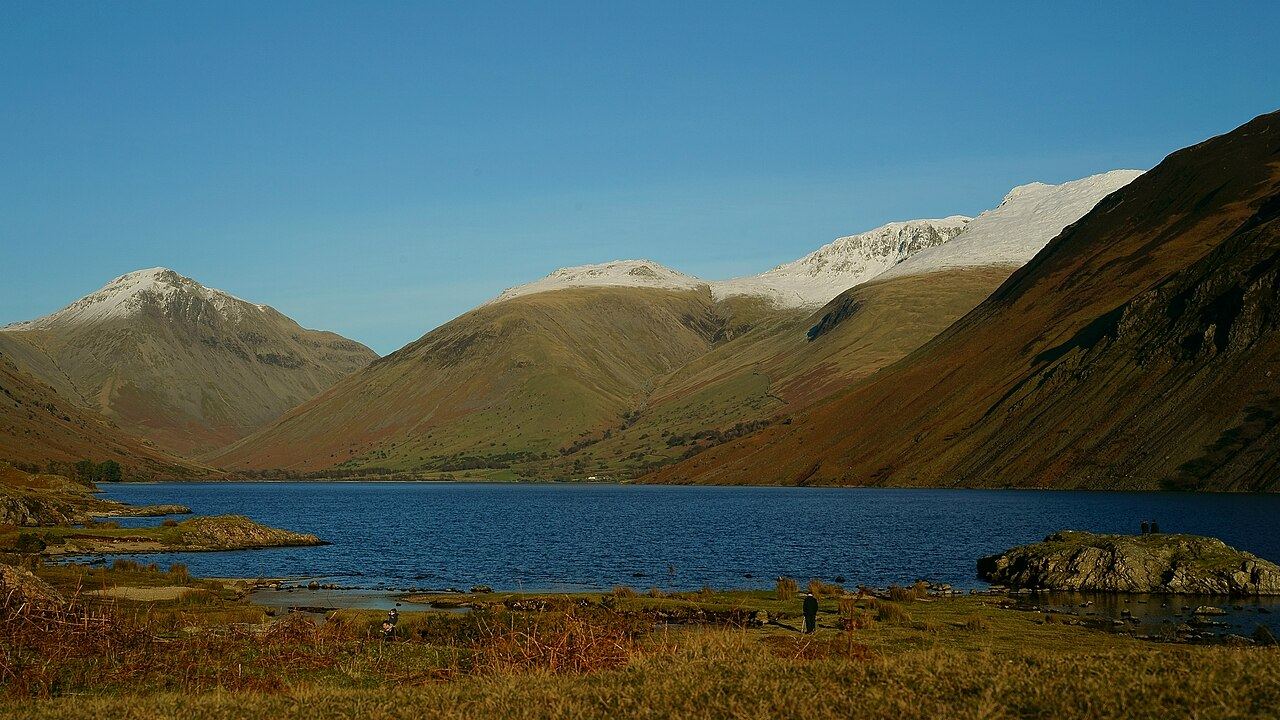
Low Wood sits at the Wastwater end of Wasdale, where the River Irt leaves the lake, and Cumbria Tourism says it has carpets of bluebells in late spring, especially in May. The walk is 2.5 miles on a quiet road, a level woodland track and a grassy path, with screes and big fells for a backdrop.
It is a long drive from anywhere (Wasdale is the valley that makes sat navs sigh), so build a day round it. There are no facilities on the route, but Nether Wasdale has two pubs serving food, and The Strands Inn has baby changing.
A small Cumbria Wildlife Trust reserve just outside Staveley, part of its Staveley Woodlands, where the woodland floor in spring is a riot of bluebells and wild garlic, with wood anemones, early purple orchids and pied flycatchers for the keen. It is steep and short, and it is the kind of place you would drive past for twenty years without knowing.
Parking is a tiny roadside layby, so the Trust suggests parking in Staveley village and walking over on the footpaths, which also gets you a cafe at the end.
If you are coming without a car, Grasmere and Rydal are the easiest to reach, and Staveley has its own railway station for Dorothy Farrer's wood. Our guide to the Lake District without a car has the bus details.
And keep your expectations kind. Some years the daffodils go over in a week of warm sun and some years a cold snap freezes them in bud. Either way you get a walk by a lake, a brew and a cake, and in the Lake District in March that counts as a win.
See what's on in The Cumbrian AlmanacFree, and you choose: the family weekend edition on Friday mornings, the grown-up Sunday edition on Sunday evenings, or both.
No spam, no ads. Unsubscribe from any email with one click. Privacy
At Glencoyne Bay and Gowbarrow Park on the west shore of Ullswater, where William and Dorothy Wordsworth saw them in April 1802. Park at the National Trust's Aira Force or Glencoyne Bay car parks and follow the 1.2 mile Aira Force to Glencoyne trail.
Usually from mid March to mid April, with Cumbria Tourism suggesting the second half of March and early April for the big displays. Planted garden varieties, such as the orchard at Acorn Bank, can run from mid April.
Late April into May. The Rannerdale valley near Buttermere is usually at its best in early to mid May, and Muncaster Castle's bluebell woods flower from mid April to mid May.
Rannerdale near Buttermere is the most famous, though it is open fellside rather than woodland. For woods, try Muncaster Castle near Ravenglass, Great Wood near Keswick, Skelghyll Woods above Ambleside, White Moss near Grasmere and Low Wood at Wastwater.
A field beside St Mary's Church in Rydal that Wordsworth bought and later planted with hundreds of daffodils in memory of his daughter Dora, who died in 1847. It is owned by the National Trust and free to visit.
No. Native bluebells are protected under the Wildlife and Countryside Act 1981, and digging up wild bulbs without the landowner's permission is illegal. Stay on the paths, because trampling kills the plants.
Easter Sunday is 28 March 2027, which usually falls in daffodil season, so Ullswater, Rydal and Grasmere are good bets. It is normally too early for the main bluebell displays.
Facts checked against these pages on Wednesday 21 October 2026. Opening times and prices change, so confirm with the venue.